



Więcej o książce
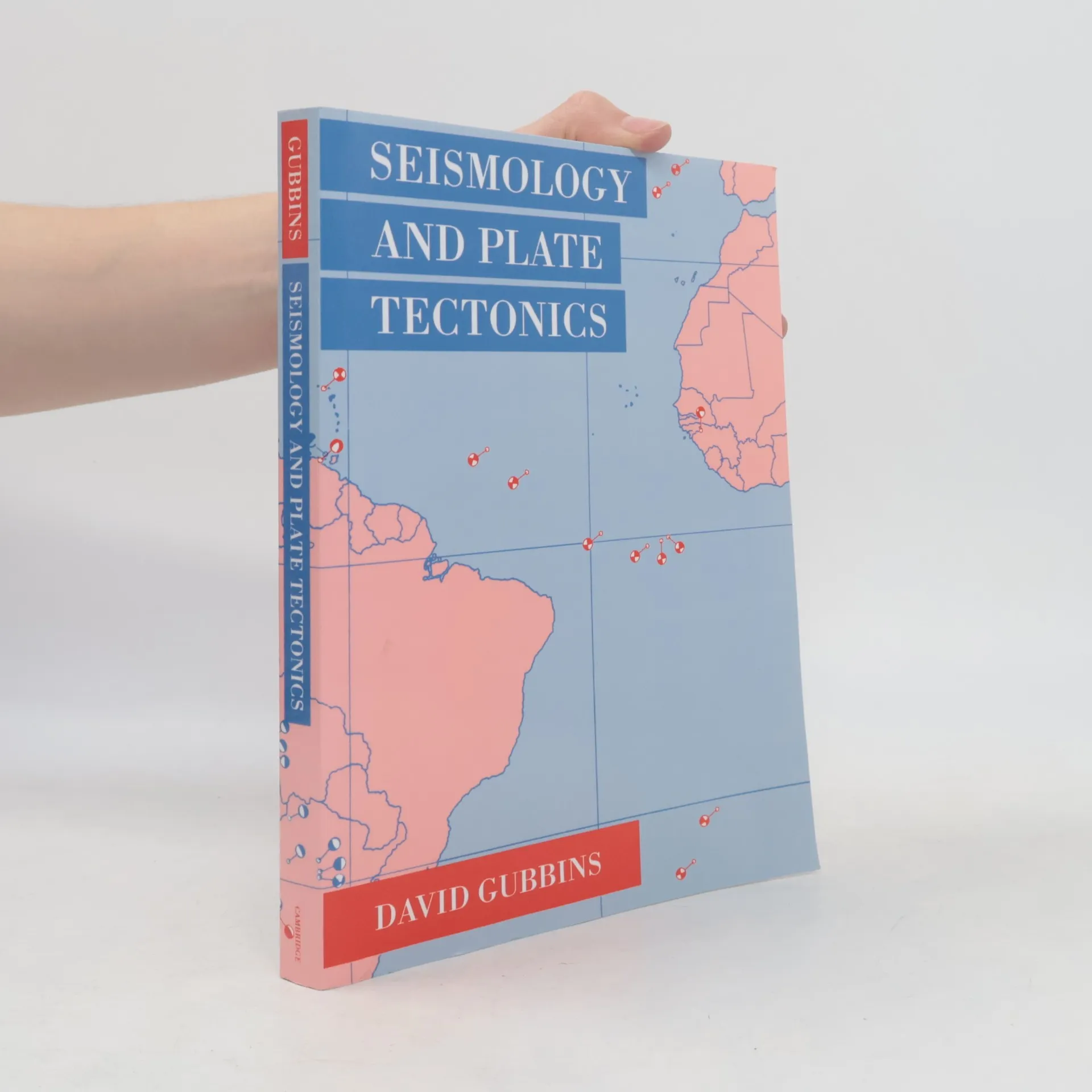
This textbook is unique in giving an introduction to seismological theory and the principles of plate tectonics, as well as developing a practical approach to the reading and interpretation of seismograms. The book forms the basis for an introductory course to physicists, mathematicians and geologists. The early chapters give a general background in geophysics and elasticity theory, and present the standard results for the propagation of seismic waves radiated from large earthquakes. The main part of the text describes how seismograms are read and interpreted, explaining how the readings are used to locate the source of the waves, determine the sense of motion across the fault and to work out details of plate movements. Examples are included in which the reader has the opportunity to interpret seismic records and use them to find locations of earthquakes and determine their source mechanisms. The final chapter discusses plate tectonic theory, and gives the mathematical foundation behind the description of plate movement in terms of vectors.
Zakup książki
Seismology and Plate Tectonics, David Gubbins
- Język

- Rok wydania
- 1990
- Oprawa
- (miękka),
- Stan książki
- Dobry
- Cena
- 74,99 zł
Metody płatności
Nikt jeszcze nie ocenił.
- Tytuł
- Seismology and Plate Tectonics
- Język
- angielski
- Autorzy
- David Gubbins
- Wydawca
- Cambridge University Press
- Rok wydania
- 1990
- Oprawa
- miękka
- Liczba stron
- 348
- ISBN10
- 0521379954
- ISBN13
- 9780521379953
- Seria
- Tagi
- Nauka, Geologia, Trzęsienia ziemi, Sejsmologia
- Opis
- This textbook is unique in giving an introduction to seismological theory and the principles of plate tectonics, as well as developing a practical approach to the reading and interpretation of seismograms. The book forms the basis for an introductory course to physicists, mathematicians and geologists. The early chapters give a general background in geophysics and elasticity theory, and present the standard results for the propagation of seismic waves radiated from large earthquakes. The main part of the text describes how seismograms are read and interpreted, explaining how the readings are used to locate the source of the waves, determine the sense of motion across the fault and to work out details of plate movements. Examples are included in which the reader has the opportunity to interpret seismic records and use them to find locations of earthquakes and determine their source mechanisms. The final chapter discusses plate tectonic theory, and gives the mathematical foundation behind the description of plate movement in terms of vectors.