

Więcej o książce
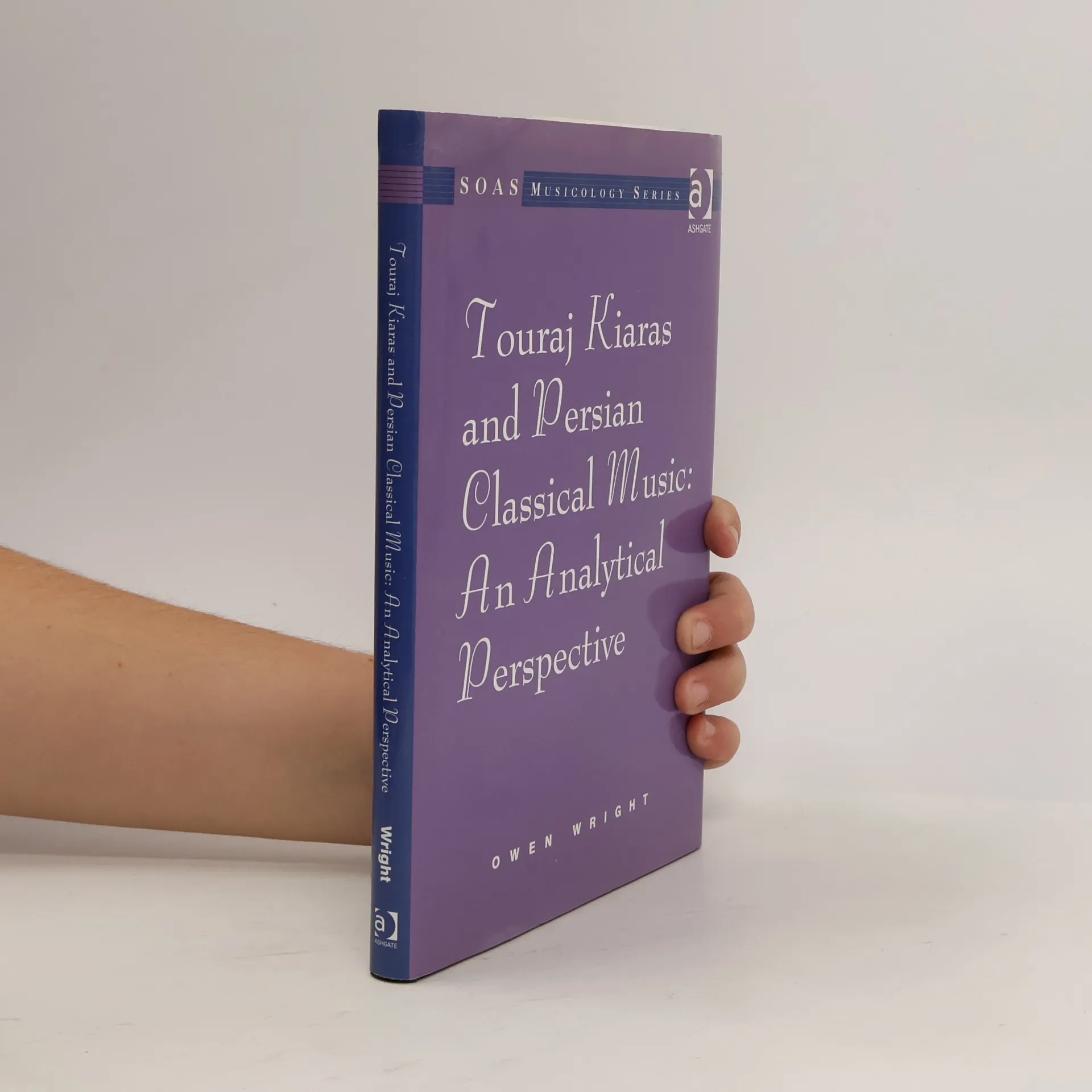
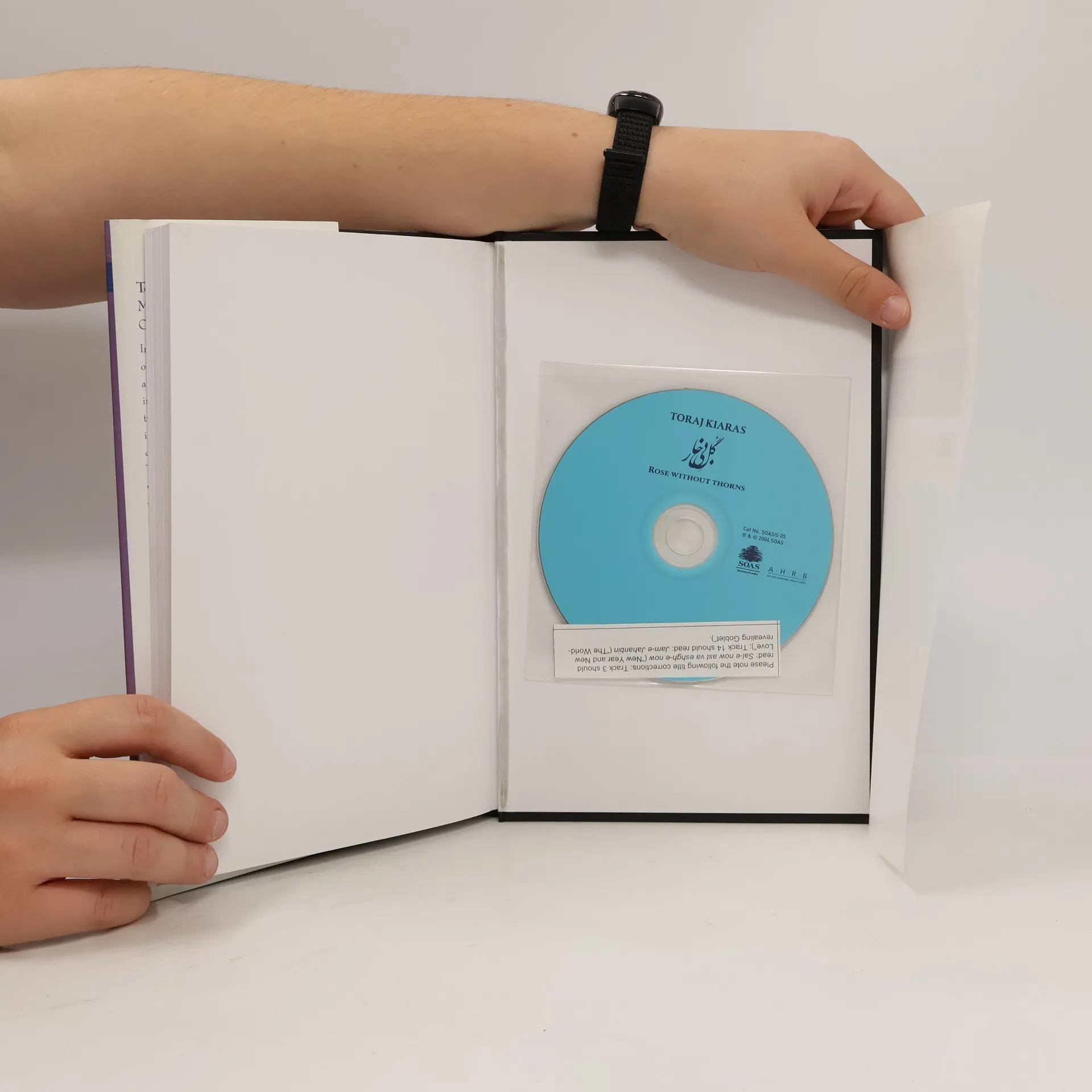
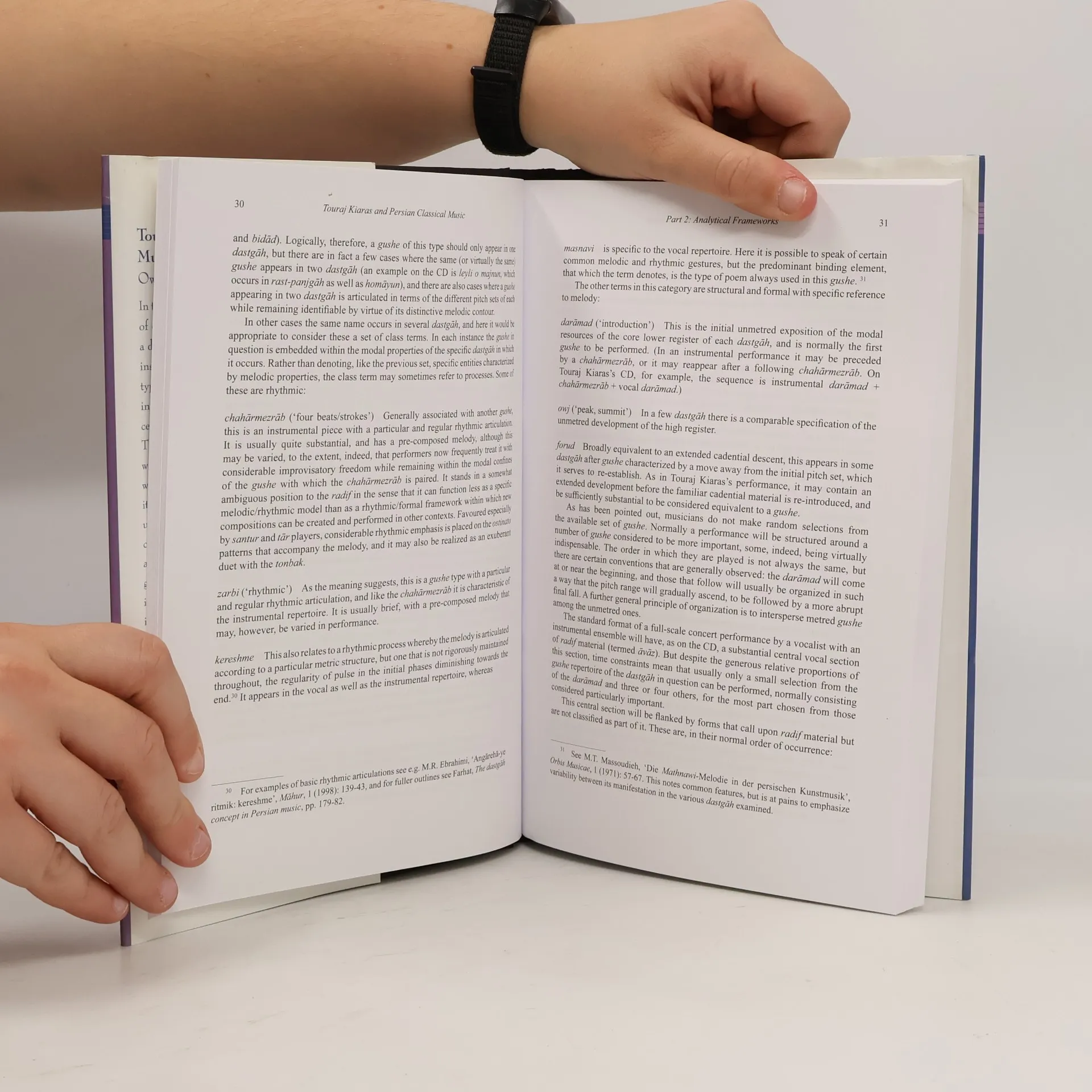
In this book Owen Wright analyses a single recording of classical Persian music made by Touraj Kiaras, a distinguished singer, accompanied by four noted instrumentalists. The format of the recording is typical of a public concert performance, and thus includes instrumental compositions as well as a central exploration of vocal repertoire and technique. The analysis identifies salient structural features, whether of the individual components or of the whole, in a way accessible to the western reader, but it also takes account of the analytical metalanguage used in Persian scholarship, and includes consideration of the relationship between music and poetry. It is important to note that it is also guided by the perceptions of the performer, whose input and responses to questions have significantly influenced the enterprise. To avoid the dryly impersonal, the analysis is also framed by an introduction which combines a biographical sketch of Touraj Kiaras with a survey of the twentieth-century evolution of Persian classical music and of the position of the vocal repertoire within it, and by an epilogue which examines further the ideological basis of prevalent attitudes to music, and seeks to explore the validity of the analytical enterprise within this context.
Zakup książki
Touraj Kiaras and Persian Classical Music, Owen Wright
- Język

- Rok wydania
- 2008
- Oprawa
- (twarda),
- Stan książki
- Bardzo dobry
- Cena
- 411,79 zł
Metody płatności
Nikt jeszcze nie ocenił.
- Tytuł
- Touraj Kiaras and Persian Classical Music
- Podtytuł
- An Analytical Perspective
- Język
- angielski
- Autorzy
- Owen Wright
- Wydawca
- Routledge
- Rok wydania
- 2008
- Oprawa
- twarda
- Liczba stron
- 148
- ISBN10
- 0754663280
- ISBN13
- 9780754663287
- Seria
- Kategorie
- Opis
- In this book Owen Wright analyses a single recording of classical Persian music made by Touraj Kiaras, a distinguished singer, accompanied by four noted instrumentalists. The format of the recording is typical of a public concert performance, and thus includes instrumental compositions as well as a central exploration of vocal repertoire and technique. The analysis identifies salient structural features, whether of the individual components or of the whole, in a way accessible to the western reader, but it also takes account of the analytical metalanguage used in Persian scholarship, and includes consideration of the relationship between music and poetry. It is important to note that it is also guided by the perceptions of the performer, whose input and responses to questions have significantly influenced the enterprise. To avoid the dryly impersonal, the analysis is also framed by an introduction which combines a biographical sketch of Touraj Kiaras with a survey of the twentieth-century evolution of Persian classical music and of the position of the vocal repertoire within it, and by an epilogue which examines further the ideological basis of prevalent attitudes to music, and seeks to explore the validity of the analytical enterprise within this context.