



Więcej o książce
Every day, we encounter numbers that shape our understanding of the economy and our future, such as gross national product, unemployment, and inflation. Yet, few grasp their origins or significance. In "The Leading Indicators," Zachary Karabell explores the history of these metrics, developed during the mid-twentieth century in response to the Great Depression, World War II, and the Cold War. Initially created as rough measures for centralized, industrial nations, these indicators still guide us today. However, in our modern world, characterized by information technology and the global flow of capital, relying on outdated metrics can lead to confusion. Karabell emphasizes the need to leverage the current data revolution, which provides unprecedented access to relevant information. Businesses should not base strategies solely on GDP; individuals should seek local indicators when making decisions about buying homes or pursuing education. National statistics can be misleading, while personalized, localized data can better inform our choices. The revolution in data access is already underway, and we must engage with it to find the indicators that truly meet our needs in today’s complex environment.
Zakup książki
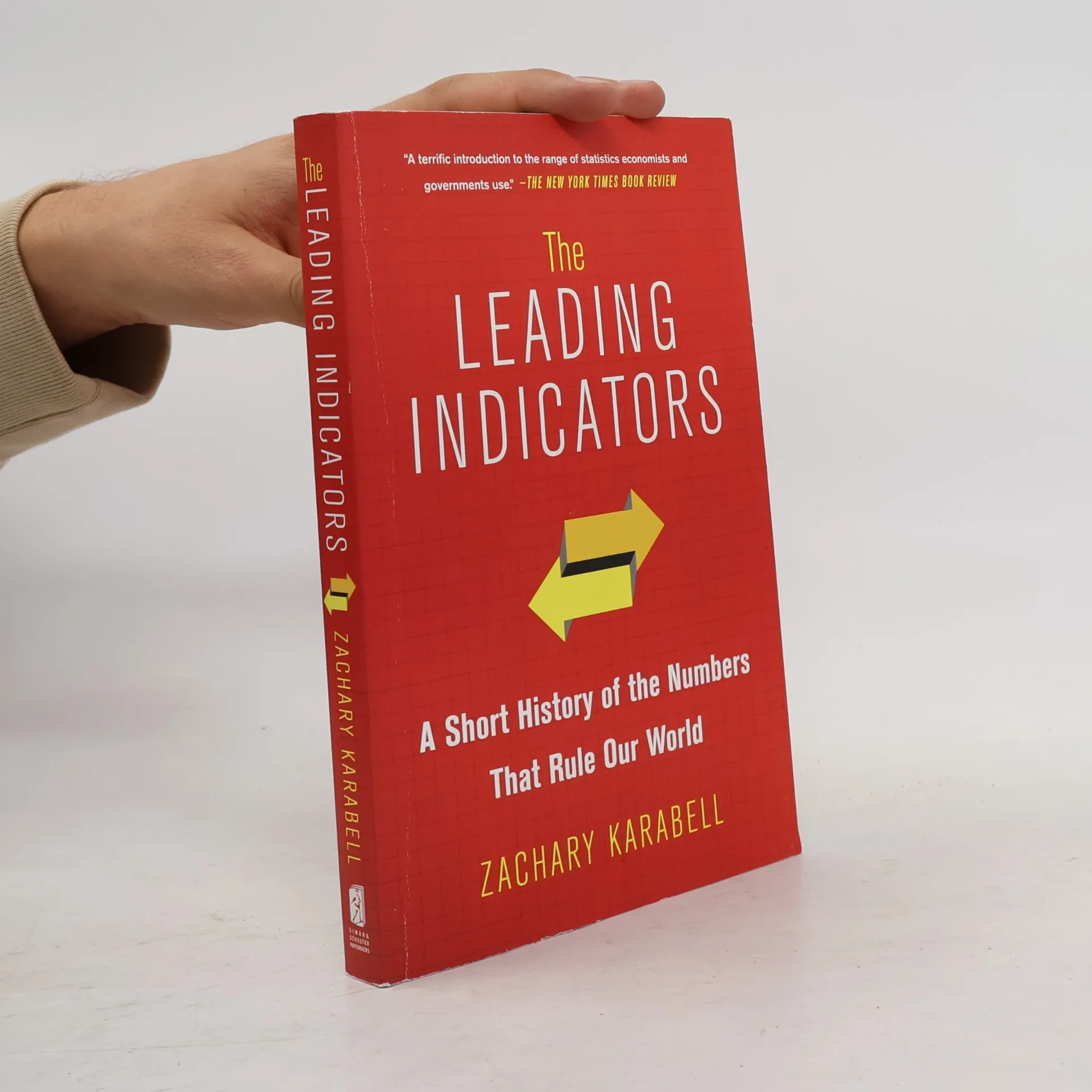
The Leading Indicators, Zachary Karabell
- Język

- Rok wydania
- 2014
- Oprawa
- (miękka),
- Stan książki
- Dobry
- Cena
- 26,69 zł
Metody płatności
Nikt jeszcze nie ocenił.
- Tytuł
- The Leading Indicators
- Podtytuł
- A Short History of the Numbers That Rule Our World
- Język
- angielski
- Autorzy
- Zachary Karabell
- Wydawca
- Simon & Schuster
- Rok wydania
- 2014
- Oprawa
- miękka
- Liczba stron
- 304
- ISBN10
- 1451651228
- ISBN13
- 9781451651225
- Seria
- Kategorie
- Tagi
- Tematy historyczne, Biznes, Polityka, USA, Finanse, Pieniądze, Statystyka, Historia gospodarcza, Big Data
- Opis
- Every day, we encounter numbers that shape our understanding of the economy and our future, such as gross national product, unemployment, and inflation. Yet, few grasp their origins or significance. In "The Leading Indicators," Zachary Karabell explores the history of these metrics, developed during the mid-twentieth century in response to the Great Depression, World War II, and the Cold War. Initially created as rough measures for centralized, industrial nations, these indicators still guide us today. However, in our modern world, characterized by information technology and the global flow of capital, relying on outdated metrics can lead to confusion. Karabell emphasizes the need to leverage the current data revolution, which provides unprecedented access to relevant information. Businesses should not base strategies solely on GDP; individuals should seek local indicators when making decisions about buying homes or pursuing education. National statistics can be misleading, while personalized, localized data can better inform our choices. The revolution in data access is already underway, and we must engage with it to find the indicators that truly meet our needs in today’s complex environment.