

Więcej o książce
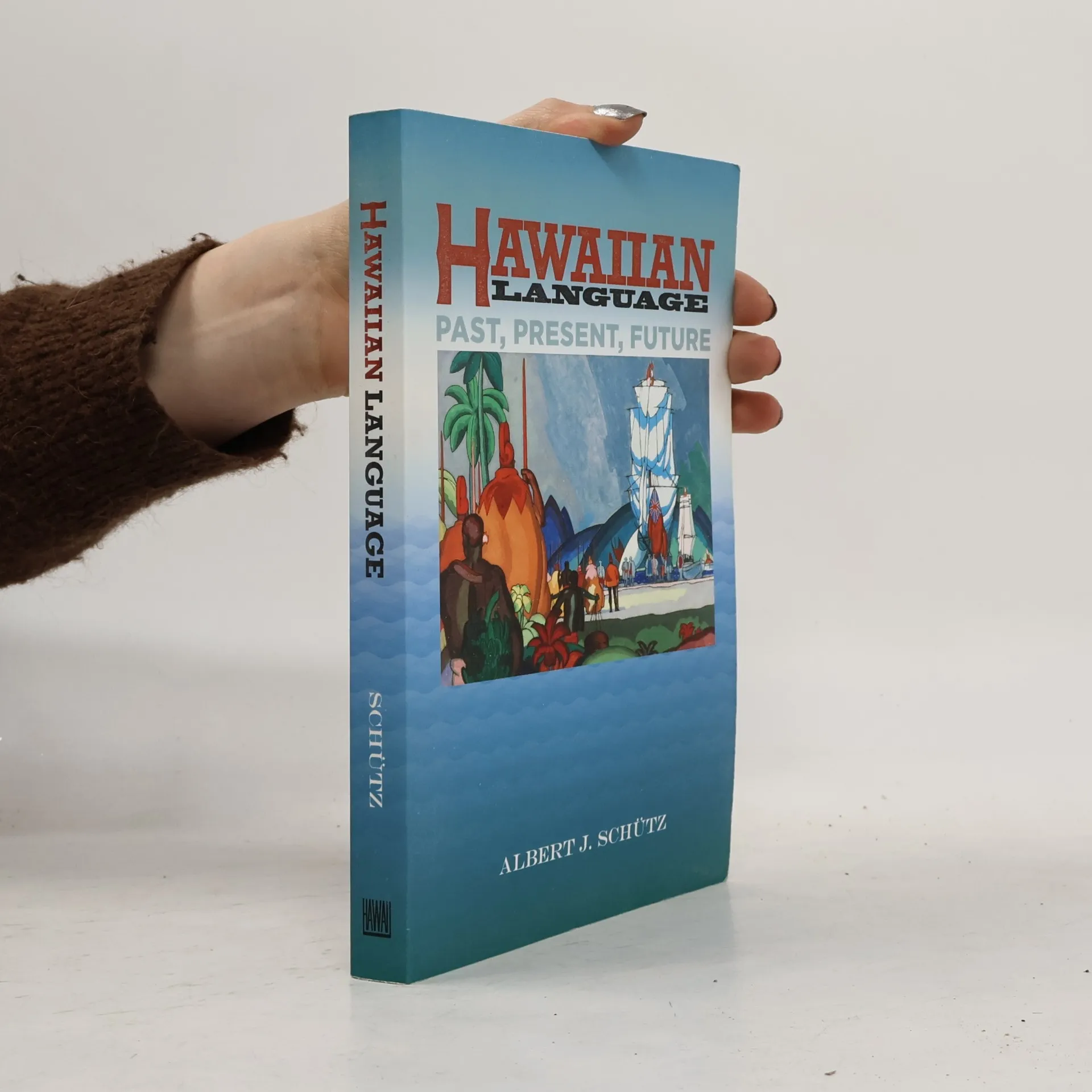
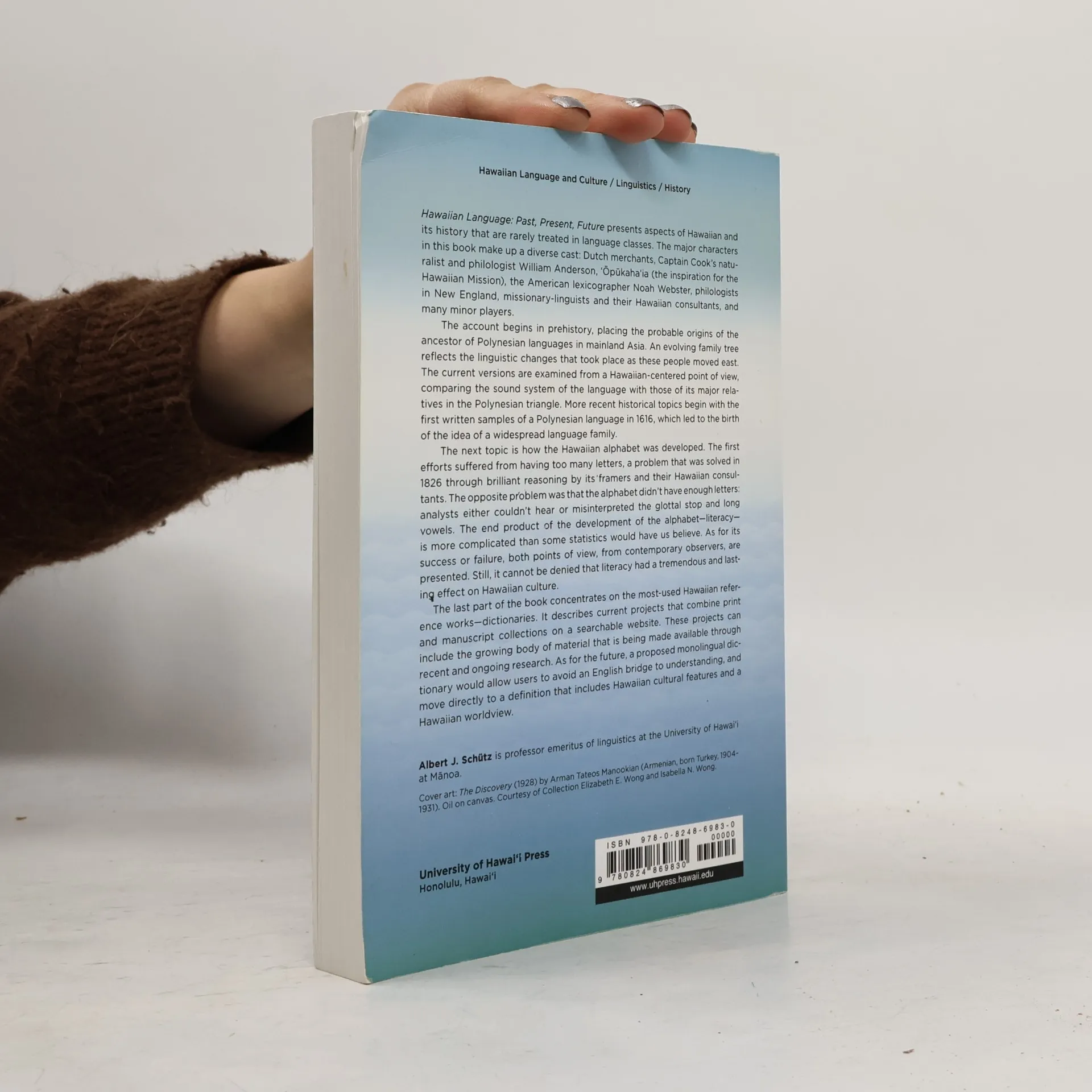
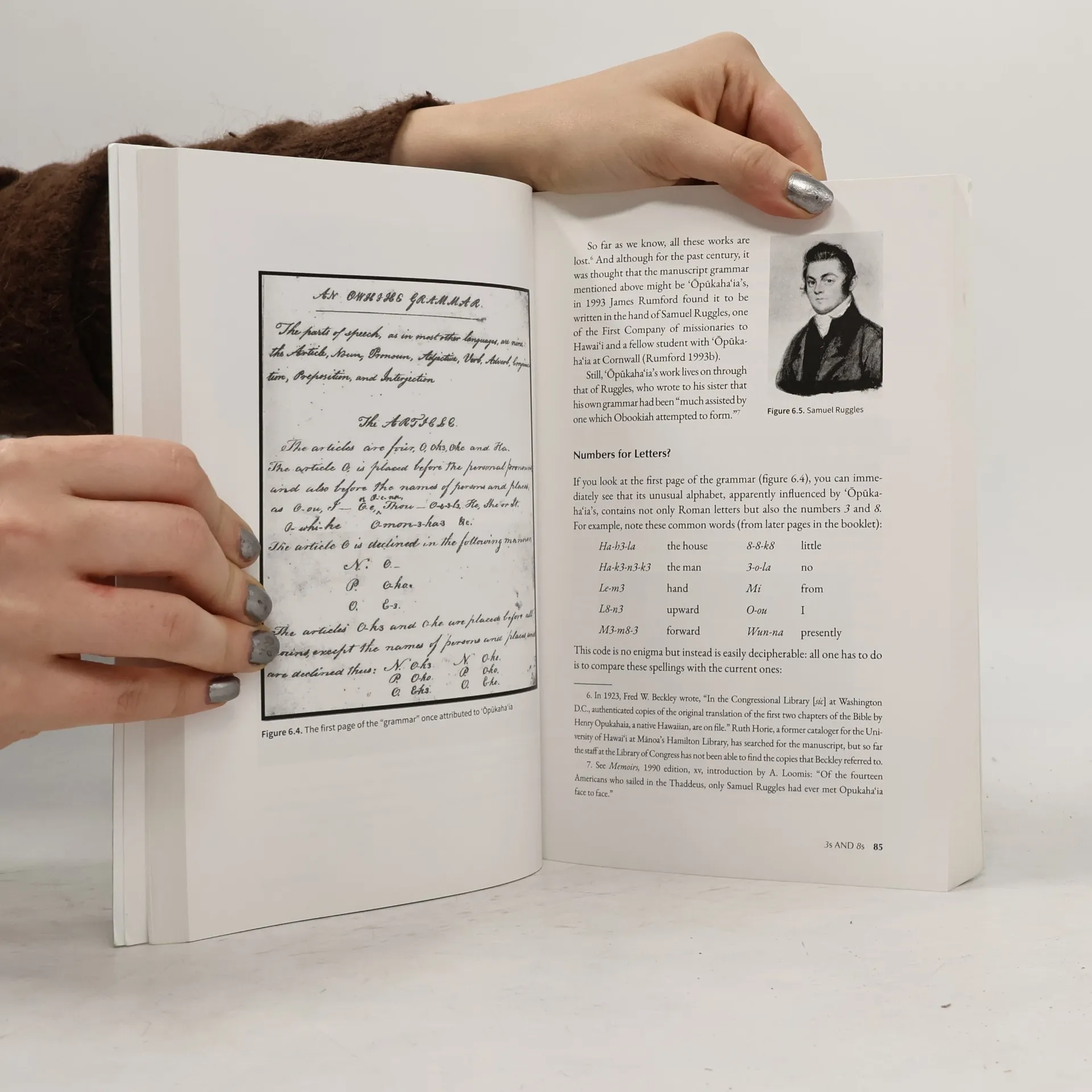
With color and black-and-white illustrations throughout, this book presents aspects of Hawaiian and its history that are rarely covered in language classes. The diverse cast includes Dutch merchants, Captain Cook's naturalist William Anderson, 'Ōpūkaha'ia, American lexicographer Noah Webster, and missionary-linguists with their Hawaiian consultants. The narrative begins in prehistory, tracing the origins of Polynesian languages back to mainland Asia, and features an evolving family tree that reflects linguistic changes as these people migrated east. Current versions of Hawaiian are examined from a Hawaiian-centered perspective, comparing its sound system with major relatives in the Polynesian triangle. Historical topics include the first written samples of a Polynesian language in 1616, which spurred the idea of a widespread language family. The development of the Hawaiian alphabet is discussed, highlighting initial challenges with too many letters, which were resolved in 1826. However, issues remained, such as the misinterpretation of the glottal stop and long vowels. The impact of literacy on Hawaiian culture is profound, with both successes and failures presented from contemporary viewpoints. The final section focuses on Hawaiian dictionaries and current projects that integrate print and manuscript collections into searchable websites. Future initiatives aim to create a monolingual dictionary that fosters direct underst
Zakup książki
Hawaiian Language, Albert J. Schütz
- Język

- Rok wydania
- 2020
- Oprawa
- (miękka)
Metody płatności
Nikt jeszcze nie ocenił.
- Tytuł
- Hawaiian Language
- Podtytuł
- Past, Present, Future
- Język
- angielski
- Autorzy
- Albert J. Schütz
- Wydawca
- University of Hawaii Press
- Rok wydania
- 2020
- Oprawa
- miękka
- Liczba stron
- 384
- ISBN10
- 0824869834
- ISBN13
- 9780824869830
- Seria
- Kategorie
- Opis
- With color and black-and-white illustrations throughout, this book presents aspects of Hawaiian and its history that are rarely covered in language classes. The diverse cast includes Dutch merchants, Captain Cook's naturalist William Anderson, 'Ōpūkaha'ia, American lexicographer Noah Webster, and missionary-linguists with their Hawaiian consultants. The narrative begins in prehistory, tracing the origins of Polynesian languages back to mainland Asia, and features an evolving family tree that reflects linguistic changes as these people migrated east. Current versions of Hawaiian are examined from a Hawaiian-centered perspective, comparing its sound system with major relatives in the Polynesian triangle. Historical topics include the first written samples of a Polynesian language in 1616, which spurred the idea of a widespread language family. The development of the Hawaiian alphabet is discussed, highlighting initial challenges with too many letters, which were resolved in 1826. However, issues remained, such as the misinterpretation of the glottal stop and long vowels. The impact of literacy on Hawaiian culture is profound, with both successes and failures presented from contemporary viewpoints. The final section focuses on Hawaiian dictionaries and current projects that integrate print and manuscript collections into searchable websites. Future initiatives aim to create a monolingual dictionary that fosters direct underst