




Więcej o książce
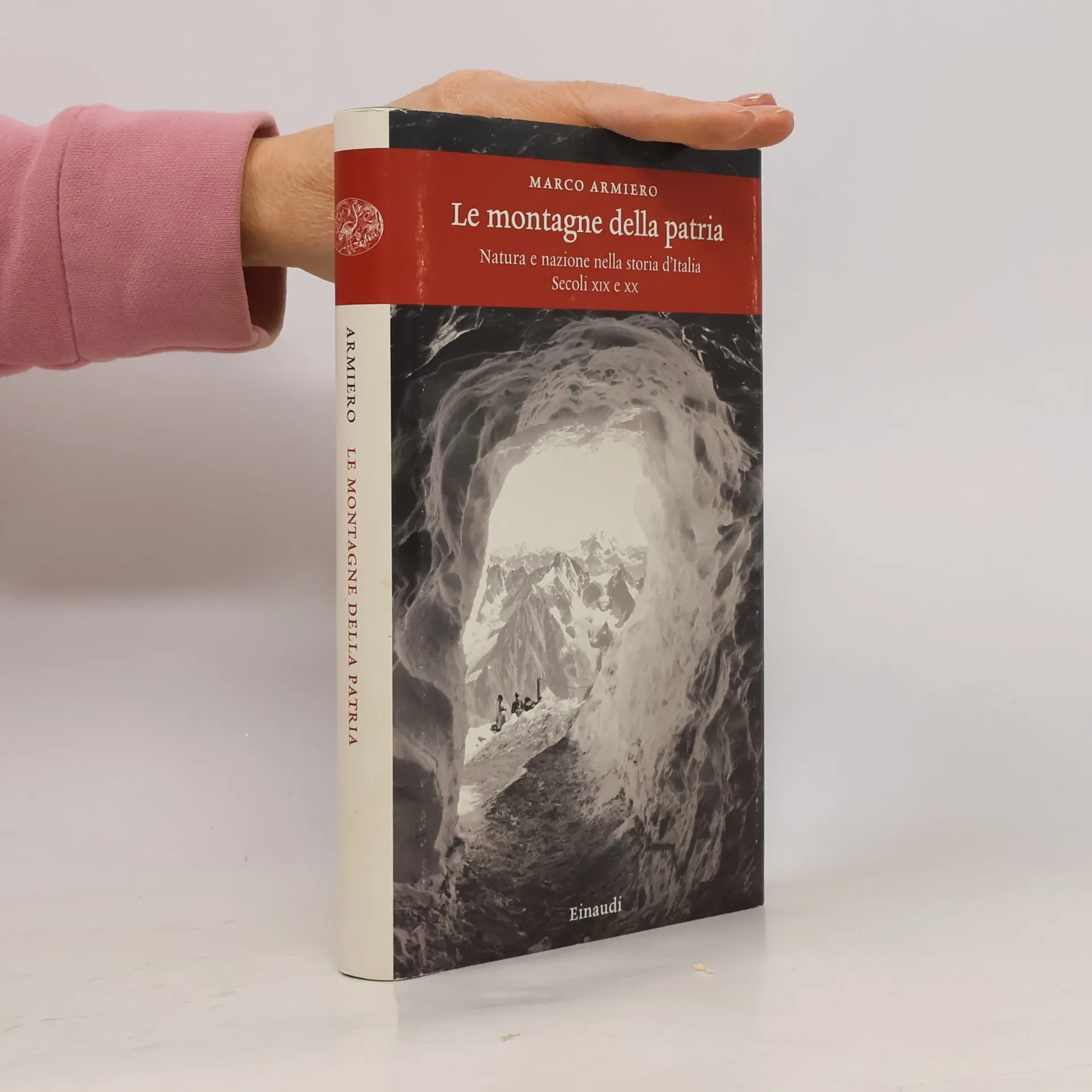
This book explores the interplay between landscape, politics, and history in shaping Italian national identity through its mountains. It examines how Italian identity and mountainous regions have mutually influenced each other, particularly since the country's unification in 1861. The narrative reveals how state regimes have transformed mountains into national symbols and resources, impacting both local communities and ecosystems. The nationalisation of these landscapes is depicted as a story of military conquest, resistance, ecological and social change, and the imposition of meanings on natural resources. The book addresses the broader historical context, including state building, totalitarianism, economic development, and environmental protection. It begins with a reevaluation of mountains as the last bastions of Italian wilderness and traces their evolution into symbols of wildness and rebellion that needed to be subdued. World War I marked a significant transformation, nationalising both landscapes and populations. Under Fascist rule, the politicisation of mountains intensified, with the regime celebrating rural life while simultaneously exploiting natural resources for large corporations. Following the Resistance against Nazi-Fascism, the economic boom of the 1960s led to a decline in mountain communities, paving the way for a new tourist-oriented identity characterized by natural parks and ski resorts.
Zakup książki
Einaudi. Storia - 49: Le montagne della patria, Marco Armiero
- Język

- Rok wydania
- 2013
- Oprawa
- (twarda),
- Stan książki
- Uszkodzony
- Cena
- 46,99 zł
Metody płatności
Nikt jeszcze nie ocenił.
- Tytuł
- Einaudi. Storia - 49: Le montagne della patria
- Podtytuł
- Natura e nazione nella Storia d'Italia: secoli XIX e XX
- Język
- włoski
- Autorzy
- Marco Armiero
- Wydawca
- Einaudi
- Rok wydania
- 2013
- Oprawa
- twarda
- Liczba stron
- 262
- ISBN10
- 8806215213
- ISBN13
- 9788806215217
- Seria
- Opis
- This book explores the interplay between landscape, politics, and history in shaping Italian national identity through its mountains. It examines how Italian identity and mountainous regions have mutually influenced each other, particularly since the country's unification in 1861. The narrative reveals how state regimes have transformed mountains into national symbols and resources, impacting both local communities and ecosystems. The nationalisation of these landscapes is depicted as a story of military conquest, resistance, ecological and social change, and the imposition of meanings on natural resources. The book addresses the broader historical context, including state building, totalitarianism, economic development, and environmental protection. It begins with a reevaluation of mountains as the last bastions of Italian wilderness and traces their evolution into symbols of wildness and rebellion that needed to be subdued. World War I marked a significant transformation, nationalising both landscapes and populations. Under Fascist rule, the politicisation of mountains intensified, with the regime celebrating rural life while simultaneously exploiting natural resources for large corporations. Following the Resistance against Nazi-Fascism, the economic boom of the 1960s led to a decline in mountain communities, paving the way for a new tourist-oriented identity characterized by natural parks and ski resorts.