

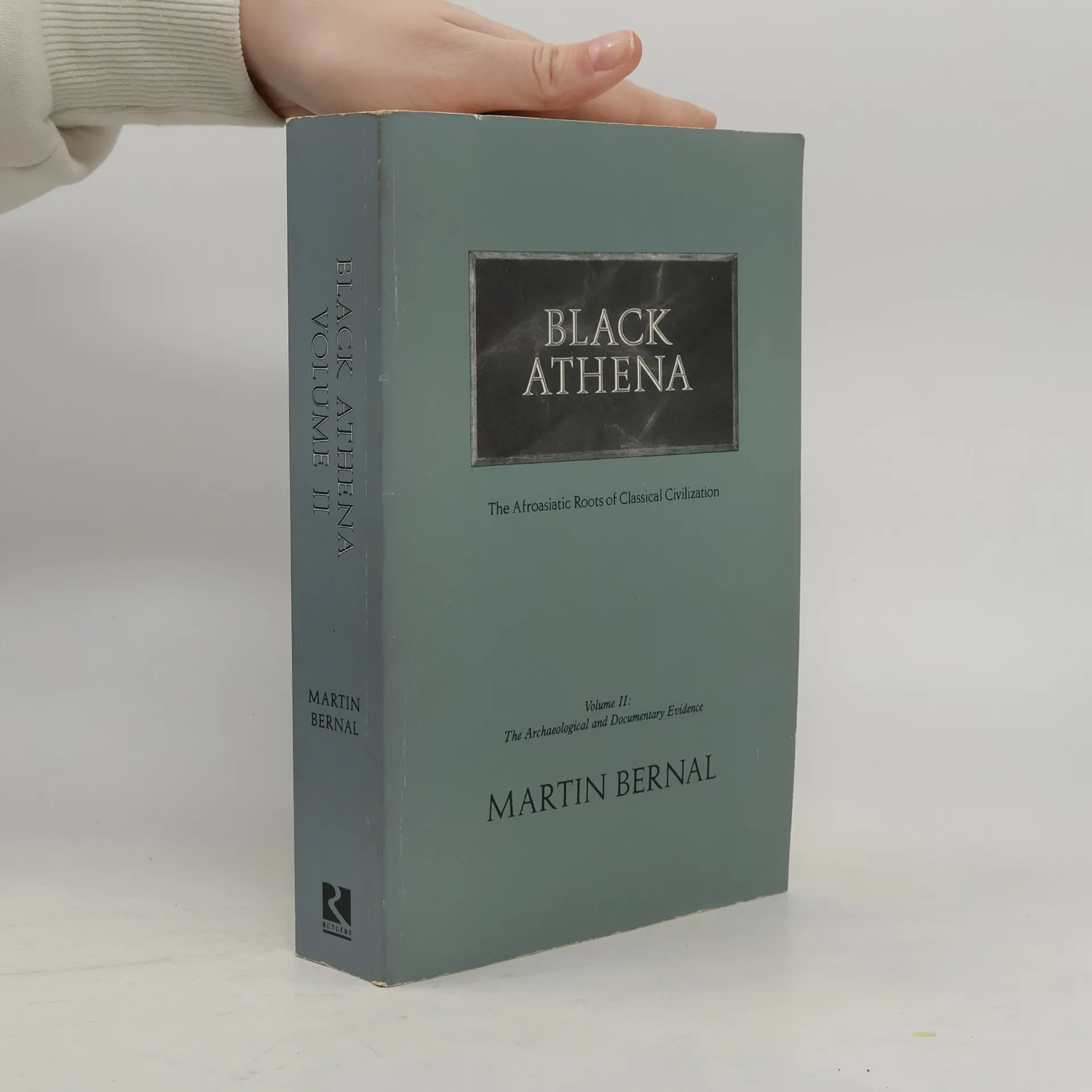
Black Athena
Afroasiatic Roots of Classical Civilization, Vol. 2
Autorzy
Więcej o książce
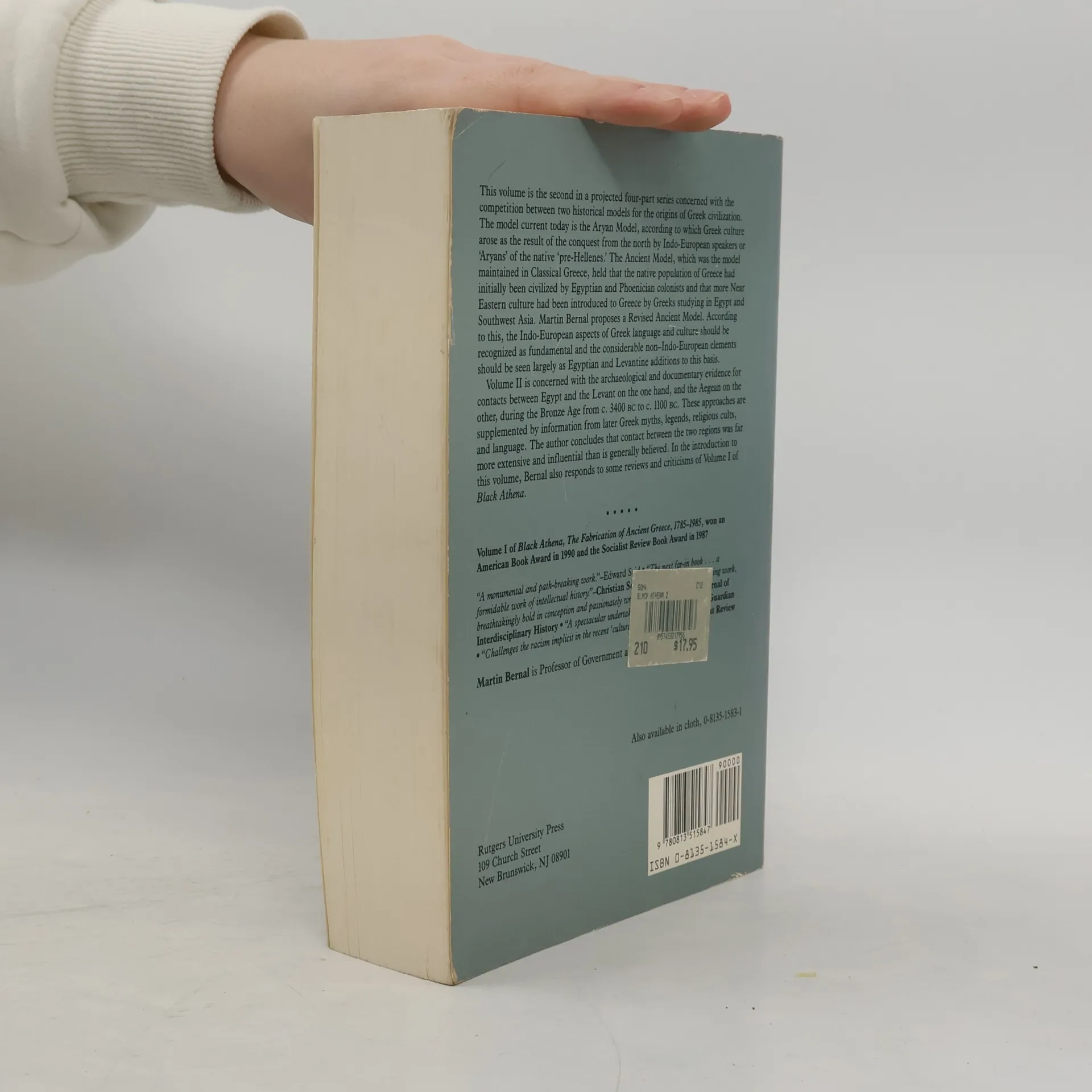
Winner of the American Book Award in 1990, this volume is the second in a projected four-part series examining the competition between two historical models for the origins of Greek civilization. The Aryan Model posits that Greek culture emerged from the conquest of native "pre-Hellenes" by Indo-European speakers or "Aryans" from the north. In contrast, the Ancient Model, upheld in Classical Greece, claimed that the native population was initially civilized by Egyptian and Phoenician colonists, with further Near Eastern cultural influences introduced through Greek interactions in Egypt and Southwest Asia. Martin Bernal introduces a Revised Ancient Model, suggesting that while Indo-European elements are fundamental to Greek language and culture, significant non-Indo-European influences primarily stem from Egyptian and Levantine sources. Volume II focuses on archaeological and documentary evidence of interactions between Egypt, the Levant, and the Aegean during the Bronze Age, approximately from 3400 B.C. to 1100 B.C. This exploration is enriched by insights from later Greek myths, legends, religious practices, and language. Bernal concludes that the extent and impact of these contacts were far greater than commonly acknowledged. Additionally, he addresses reviews and criticisms of Volume I in the introduction.
Zakup książki
Black Athena, Martin Bernal
- Język

- Rok wydania
- 1987
- Oprawa
- (miękka)
Metody płatności
Nikt jeszcze nie ocenił.
- Tytuł
- Black Athena
- Podtytuł
- Afroasiatic Roots of Classical Civilization, Vol. 2
- Język
- angielski
- Autorzy
- Martin Bernal
- Wydawca
- Rutgers University Press
- Rok wydania
- 1987
- Oprawa
- miękka
- Liczba stron
- 736
- ISBN10
- 081351584X
- ISBN13
- 9780813515847
- Seria
- Tagi
- Tematy historyczne, Starożytność, Historia Europy, Afryka, Rasa & Rasizm, Grecja, Historia społeczna, Cywilizacja, Etniczność
- Opis
- Winner of the American Book Award in 1990, this volume is the second in a projected four-part series examining the competition between two historical models for the origins of Greek civilization. The Aryan Model posits that Greek culture emerged from the conquest of native "pre-Hellenes" by Indo-European speakers or "Aryans" from the north. In contrast, the Ancient Model, upheld in Classical Greece, claimed that the native population was initially civilized by Egyptian and Phoenician colonists, with further Near Eastern cultural influences introduced through Greek interactions in Egypt and Southwest Asia. Martin Bernal introduces a Revised Ancient Model, suggesting that while Indo-European elements are fundamental to Greek language and culture, significant non-Indo-European influences primarily stem from Egyptian and Levantine sources. Volume II focuses on archaeological and documentary evidence of interactions between Egypt, the Levant, and the Aegean during the Bronze Age, approximately from 3400 B.C. to 1100 B.C. This exploration is enriched by insights from later Greek myths, legends, religious practices, and language. Bernal concludes that the extent and impact of these contacts were far greater than commonly acknowledged. Additionally, he addresses reviews and criticisms of Volume I in the introduction.