



Więcej o książce
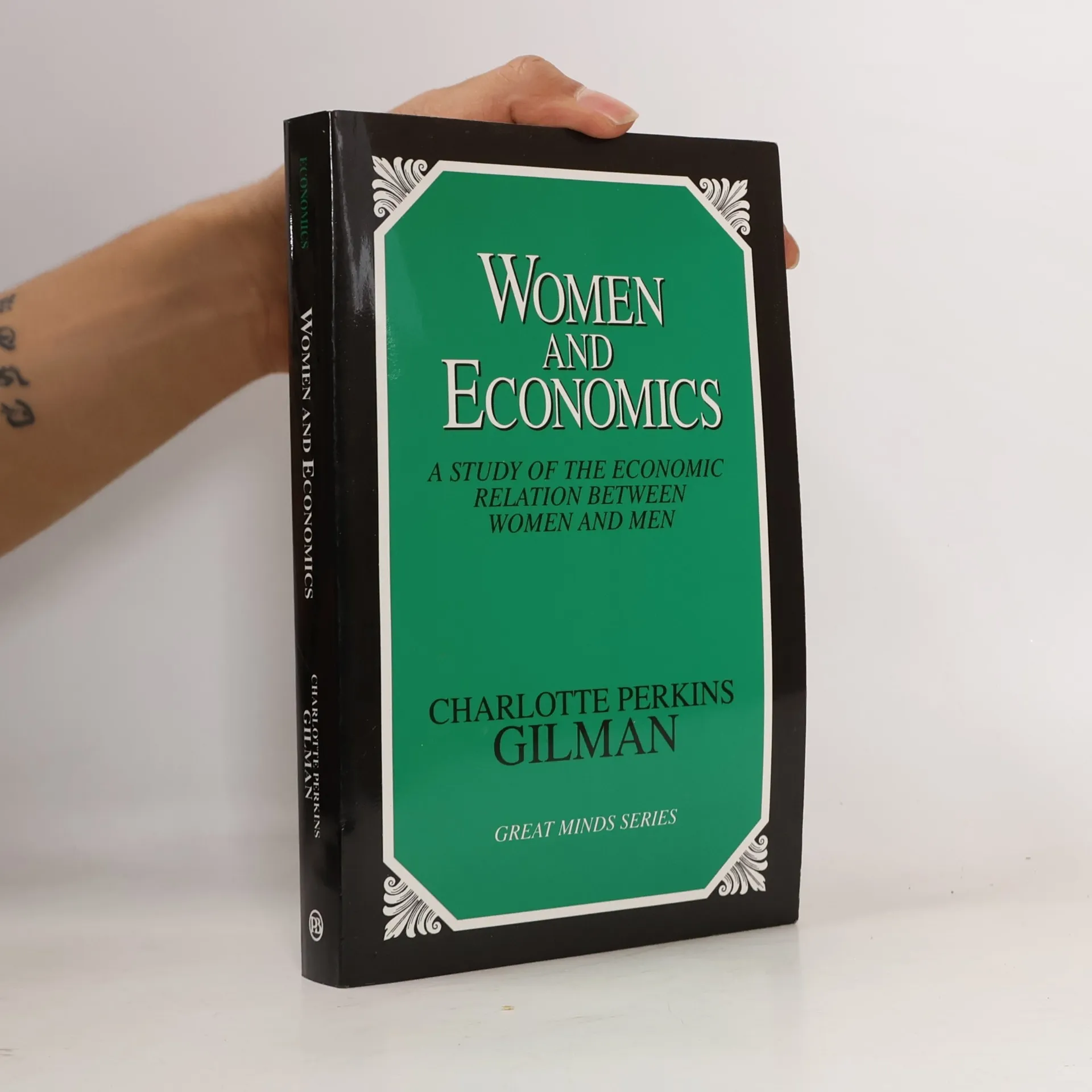
Charlotte Perkins Gilman (1860-1935) was an ardent feminist and outspoken champion of women's rights. In this profoundly insightful and cogently argued work, Gilman describes how the social and sexual disparities between men and women, long thought to be preordained and unchanging, are actually the result of economics. The position of women as the property of men, their inability to earn in proportion to the amount of work they do, and the very devaluation of their work, all tend to the exaggerated social differences between men as "providers" and "competitors" and women as "helpless" and "unproductive." These differences lead to social dysfunction and ultimately to the destruction of the bond that ought to exist between and unite the sexes. Gilman's classic plea for greater parity for men and women still speaks directly to the problems women continue to face in the workplace as well as to the ways men view women.
Zakup książki
Great Minds Series: Women and Economics, Charlotte Perkins Gilman
- Język

- Rok wydania
- 1994
- Oprawa
- (miękka),
- Stan książki
- Bardzo dobry
- Cena
- 57,79 zł
Metody płatności
Nikt jeszcze nie ocenił.
- Tytuł
- Great Minds Series: Women and Economics
- Podtytuł
- A Study of the Economic Relation Between Women and Men
- Język
- angielski
- Autorzy
- Charlotte Perkins Gilman
- Wydawca
- Prometheus Books
- Rok wydania
- 1994
- Oprawa
- miękka
- Liczba stron
- 353
- ISBN10
- 0879758848
- ISBN13
- 9780879758844
- Seria
- Kategorie
- Tagi
- Tematy historyczne, Literatura światowa, Biznes, Poradniki, Sztuka, Zbiory, antologie, Kobiety, Opowiadania, Przyjaźń, USA, Zdrowie, Relacje, Jedzenie, Szkoła, Społeczeństwo, Kultura & Społeczeństwo, Feminizm, Przywództwo, Małżeństwo, Kultura, Historia USA, Gender, Piękno, Aktywizm, Prawa kobiet, Bezrobocie
- Opis
- Charlotte Perkins Gilman (1860-1935) was an ardent feminist and outspoken champion of women's rights. In this profoundly insightful and cogently argued work, Gilman describes how the social and sexual disparities between men and women, long thought to be preordained and unchanging, are actually the result of economics. The position of women as the property of men, their inability to earn in proportion to the amount of work they do, and the very devaluation of their work, all tend to the exaggerated social differences between men as "providers" and "competitors" and women as "helpless" and "unproductive." These differences lead to social dysfunction and ultimately to the destruction of the bond that ought to exist between and unite the sexes. Gilman's classic plea for greater parity for men and women still speaks directly to the problems women continue to face in the workplace as well as to the ways men view women.