



Więcej o książce
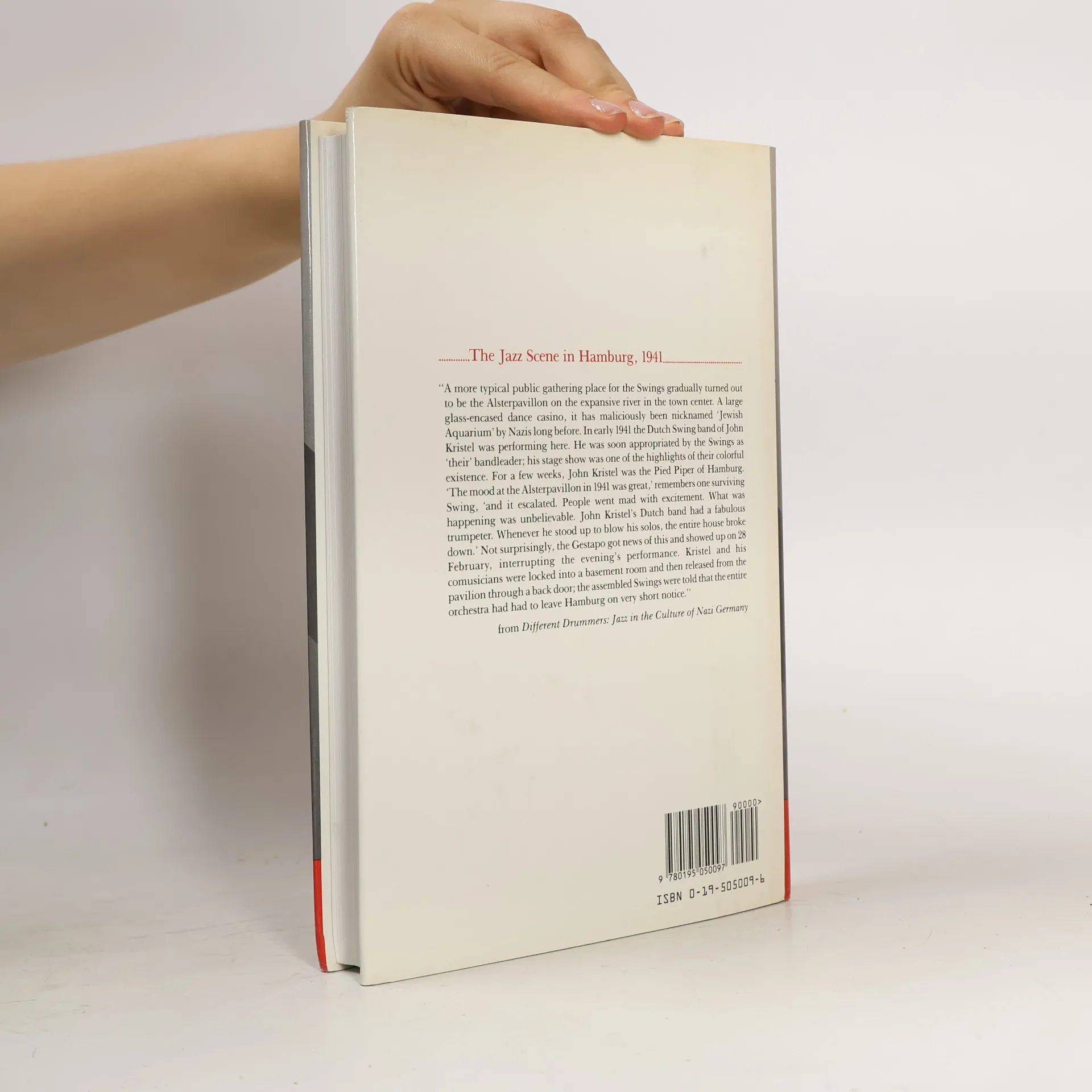
In 1925, Josephine Baker marveled at Berlin’s vibrant atmosphere, where music filled the air and modernism thrived in the wake of World War I. However, the rise of National Socialism brought censorship, targeting jazz as an art form associated with marginalized groups. Michael Kater, a historian and jazz musician, delves into the underground history of jazz in Hitler's Germany, revealing how the Nazis viewed it as a threat. Jazz’s core elements—spontaneity, improvisation, and individuality—contrasted sharply with the regime’s rigid ideals. The prominence of Jewish artists in jazz further fueled its rejection. Kater uncovers a rich narrative through archival records and survivor interviews, highlighting groups like the Weintraub Syncopators, the Harlem Club of Frankfurt, and the Hamburg Swings, who defied Nazi conventions and organized mass dance rallies that sometimes erupted into violence. These events illustrated jazz's role as a symbol of political dissent and resistance against oppression. Kater's exploration shows that, despite efforts to suppress it, jazz not only survived but also challenged the Nazi regime's social control, revealing the resilience of the human spirit amid tyranny. This account offers a compelling look at a largely overlooked counter-culture during a dark period in history.
Zakup książki
Different Drummers, Michael H. Kater
- Język

- Rok wydania
- 1992
- Oprawa
- (twarda),
- Stan książki
- Dobry
- Cena
- 45,99 zł
Metody płatności
Nikt jeszcze nie ocenił.
- Tytuł
- Different Drummers
- Podtytuł
- Jazz in the Culture of Nazi Germany
- Język
- angielski
- Autorzy
- Michael H. Kater
- Wydawca
- Oxford University Press
- Rok wydania
- 1992
- Oprawa
- twarda
- Liczba stron
- 320
- ISBN10
- 0195050096
- ISBN13
- 9780195050097
- Seria
- Kategorie
- Tagi
- Jazz
- Opis
- In 1925, Josephine Baker marveled at Berlin’s vibrant atmosphere, where music filled the air and modernism thrived in the wake of World War I. However, the rise of National Socialism brought censorship, targeting jazz as an art form associated with marginalized groups. Michael Kater, a historian and jazz musician, delves into the underground history of jazz in Hitler's Germany, revealing how the Nazis viewed it as a threat. Jazz’s core elements—spontaneity, improvisation, and individuality—contrasted sharply with the regime’s rigid ideals. The prominence of Jewish artists in jazz further fueled its rejection. Kater uncovers a rich narrative through archival records and survivor interviews, highlighting groups like the Weintraub Syncopators, the Harlem Club of Frankfurt, and the Hamburg Swings, who defied Nazi conventions and organized mass dance rallies that sometimes erupted into violence. These events illustrated jazz's role as a symbol of political dissent and resistance against oppression. Kater's exploration shows that, despite efforts to suppress it, jazz not only survived but also challenged the Nazi regime's social control, revealing the resilience of the human spirit amid tyranny. This account offers a compelling look at a largely overlooked counter-culture during a dark period in history.