



Parametry
- 170 stron
- 6 godzin czytania
Więcej o książce
Laboratory facilities are complex, technically sophisticated, and mechanically intensive structures that are expensive to build and to maintain. Hundreds of decisions must be made before and during new construction or renovation that will determine how successfully the facility will function when completed and how successfully it can be maintained once put into service.This book provides guidance on effective approaches for building laboratory facilities in the chemical and biochemical sciences. It contains both basic and laboratory-specific information addressed to the user community-the scientists and administrators who contract with design and construction experts. The book will also be important to the design and construction communities-the architects, laboratory designers, and engineers who will design the facility and the construction personnel who will build it-to help them communicate with the scientific community for whom they build laboratory facilities.
Zakup książki
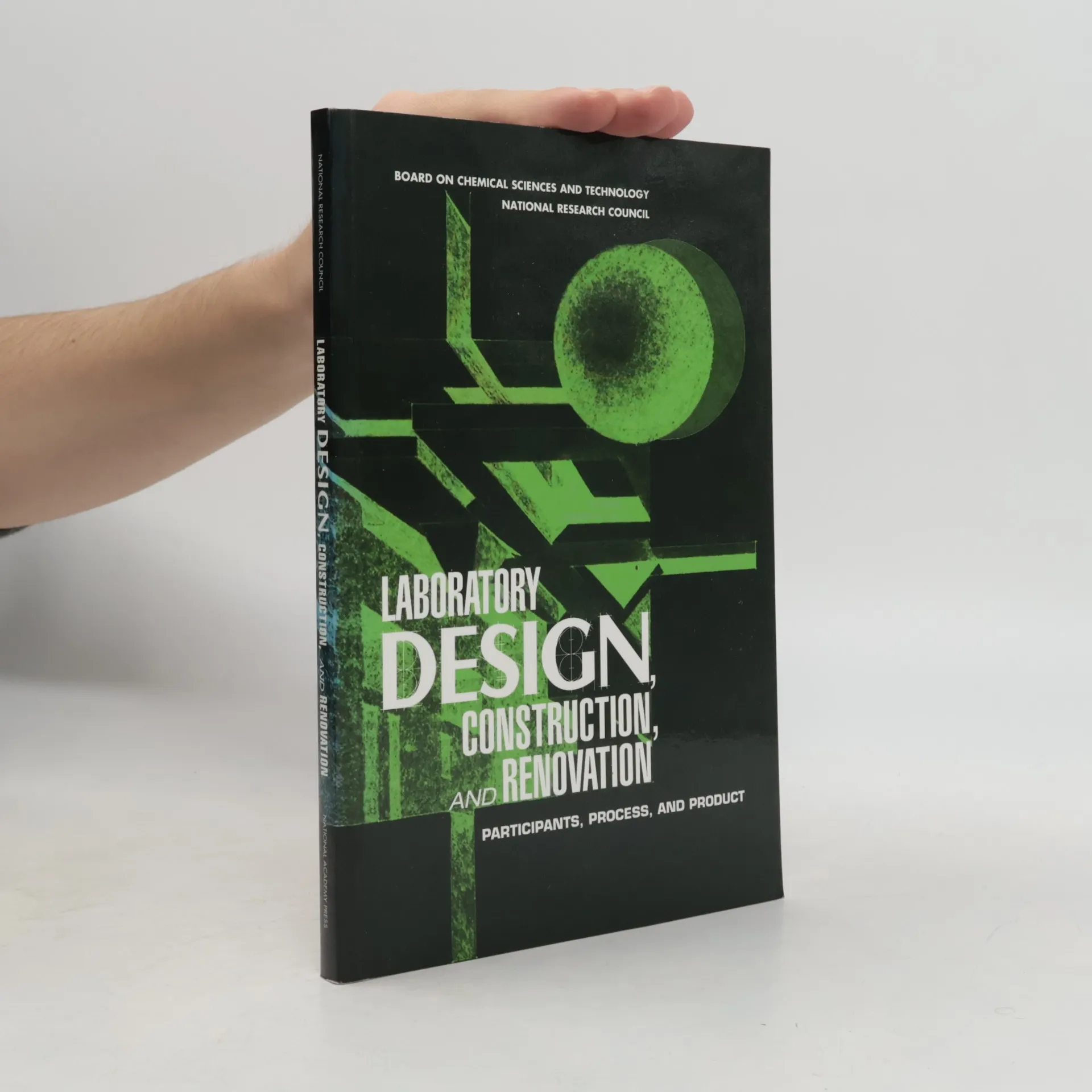
Laboratory Design, Construction, and Renovation, National Research Council, Board on Chemical Sciences and Technology, Committee on Design, Construction, and Renovation of Laboratory Facilities, Commission on Physical Sciences, Mathematics, and Applications
- Język

- Rok wydania
- 2000
- Oprawa
- (miękka),
- Stan książki
- Dobry
- Cena
- 67,99 zł
Metody płatności
Nikt jeszcze nie ocenił.
- Tytuł
- Laboratory Design, Construction, and Renovation
- Podtytuł
- Participants, Process, and Product
- Język
- angielski
- Autorzy
- National Research Council, Board on Chemical Sciences and Technology, Committee on Design, Construction, and Renovation of Laboratory Facilities, Commission on Physical Sciences, Mathematics, and Applications
- Wydawca
- National Academies Press
- Rok wydania
- 2000
- Oprawa
- miękka
- Liczba stron
- 170
- ISBN10
- 0309066336
- ISBN13
- 9780309066334
- Seria
- Tagi
- Architektura, Nauka, USA, Literatura fachowa, Rękodzieło & DIY, Biochemia, Techniki Laboratoryjne
- Opis
- Laboratory facilities are complex, technically sophisticated, and mechanically intensive structures that are expensive to build and to maintain. Hundreds of decisions must be made before and during new construction or renovation that will determine how successfully the facility will function when completed and how successfully it can be maintained once put into service.This book provides guidance on effective approaches for building laboratory facilities in the chemical and biochemical sciences. It contains both basic and laboratory-specific information addressed to the user community-the scientists and administrators who contract with design and construction experts. The book will also be important to the design and construction communities-the architects, laboratory designers, and engineers who will design the facility and the construction personnel who will build it-to help them communicate with the scientific community for whom they build laboratory facilities.