

Więcej o książce
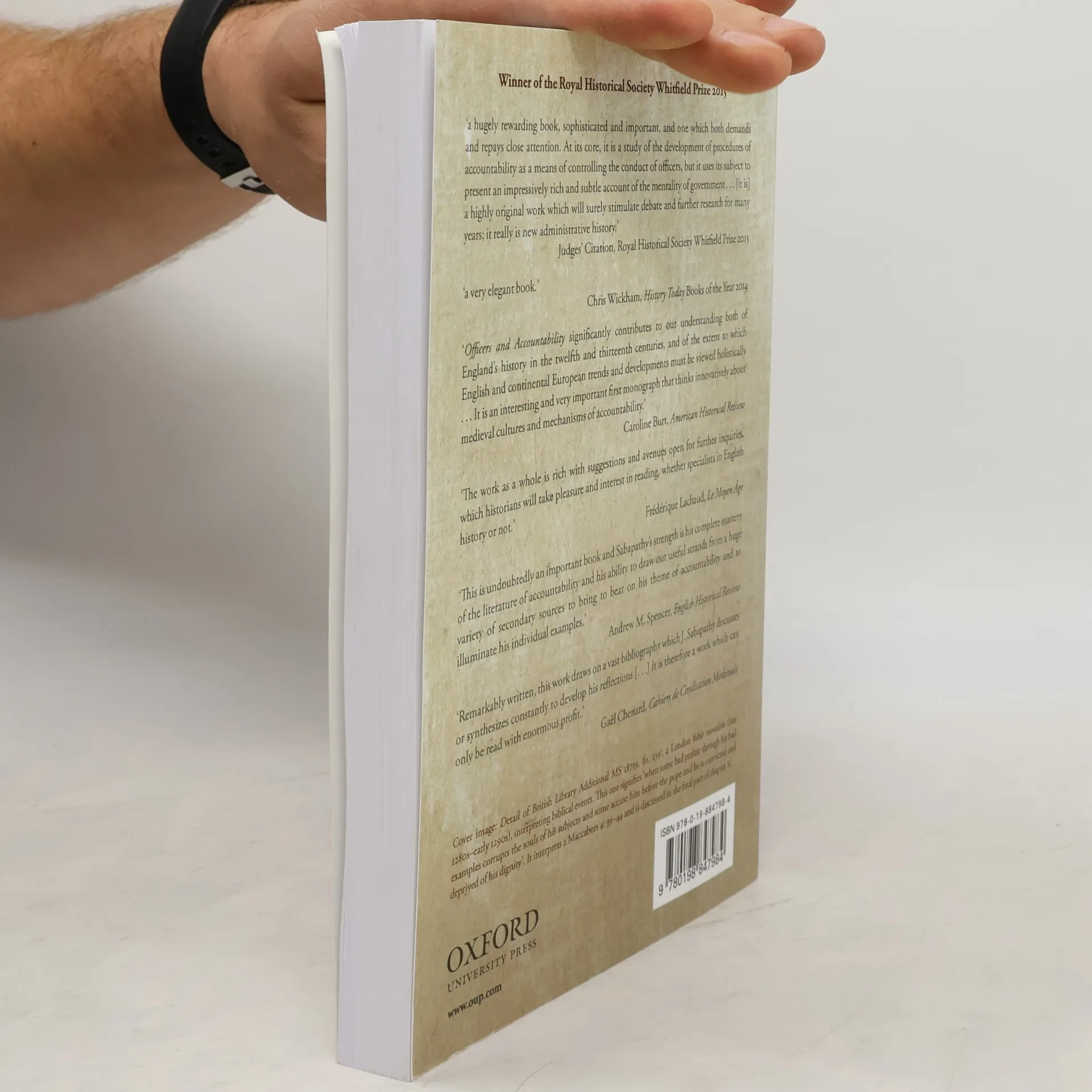
The later twelfth and thirteenth centuries marked a crucial time for the evolution of European governance. During this era, a mentality emerged that emphasized accountability as a means to regulate the conduct of various officers. While the concept of accountability was not entirely new, it became more complex and widespread, affecting a diverse range of officers beyond just state officials, including seignorial, ecclesiastical, university-college, and urban-communal officers. This study examines these officers and the regulatory practices employed in England, situating them within both a British and broader European context. It investigates how administration, law, politics, and societal norms sought to manage the challenges posed by officials' misconduct. The mechanisms for institutionalizing accountability, such as inquests, audits, accounts, scrutiny panels, and sindication, represent a creative response to the complexities of governance in England and beyond. Many of these practices have influenced contemporary notions of accountability, while also presenting ongoing challenges. This study addresses critical questions regarding effective delegation of control, the relationship between accountability and responsibility, and the connection between accountability and justice, making it a pioneering examination of this significant topic in the Middle Ages.
Zakup książki
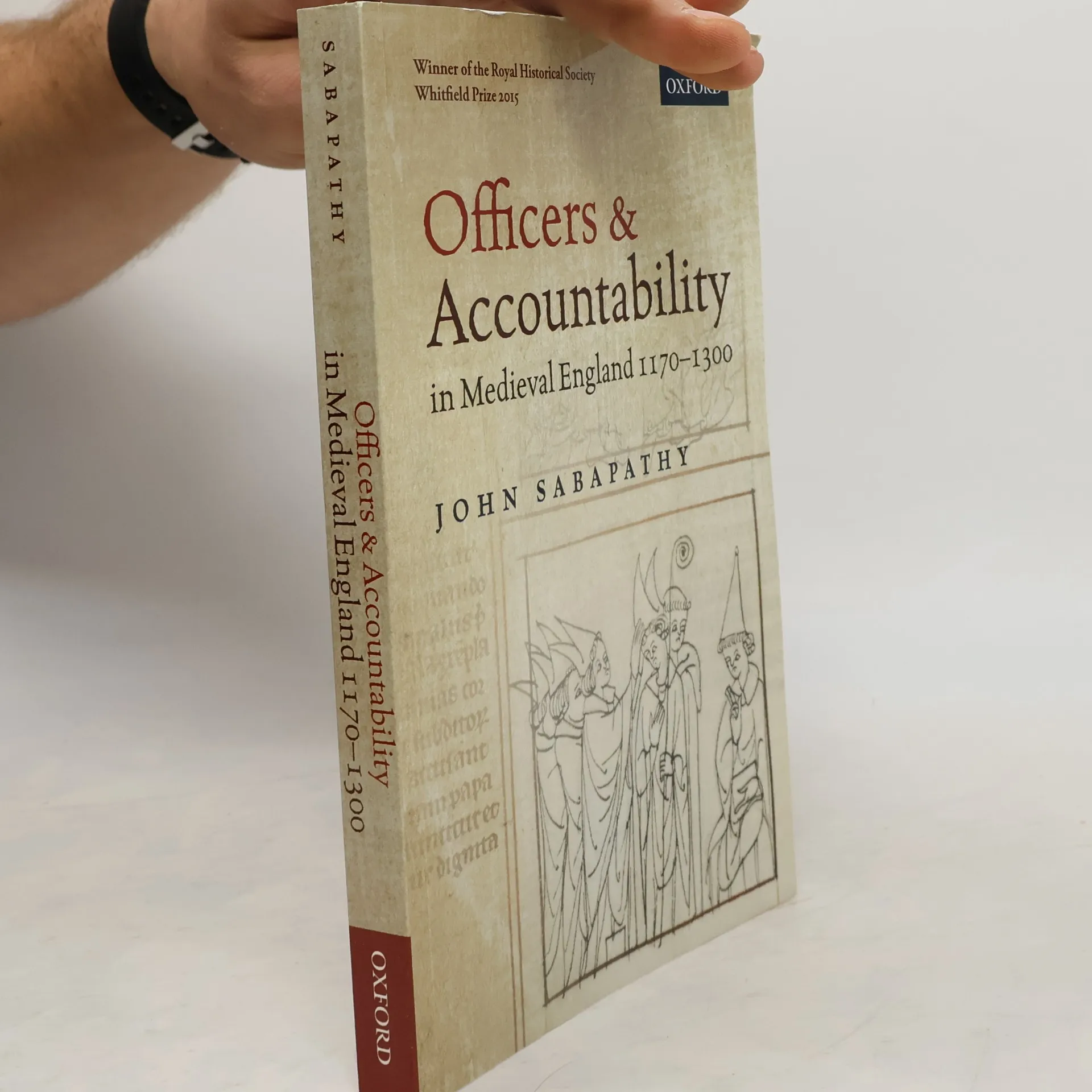
Officers and Accountability in Medieval England 1170-1300, John Sabapathy
- Język

- Rok wydania
- 2019
- Oprawa
- (miękka),
- Stan książki
- Dobry
- Cena
- 248,19 zł
Metody płatności
Nikt jeszcze nie ocenił.
- Tytuł
- Officers and Accountability in Medieval England 1170-1300
- Język
- angielski
- Autorzy
- John Sabapathy
- Wydawca
- Oxford University Press
- Rok wydania
- 2019
- Oprawa
- miękka
- Liczba stron
- 336
- ISBN10
- 019884798X
- ISBN13
- 9780198847984
- Seria
- Tagi
- Tematy historyczne, Europa, Anglia, Wielka Brytania, Średniowiecze, Historia Europy, Teorie polityczne, Historia społeczna, Odpowiedzialność
- Opis
- The later twelfth and thirteenth centuries marked a crucial time for the evolution of European governance. During this era, a mentality emerged that emphasized accountability as a means to regulate the conduct of various officers. While the concept of accountability was not entirely new, it became more complex and widespread, affecting a diverse range of officers beyond just state officials, including seignorial, ecclesiastical, university-college, and urban-communal officers. This study examines these officers and the regulatory practices employed in England, situating them within both a British and broader European context. It investigates how administration, law, politics, and societal norms sought to manage the challenges posed by officials' misconduct. The mechanisms for institutionalizing accountability, such as inquests, audits, accounts, scrutiny panels, and sindication, represent a creative response to the complexities of governance in England and beyond. Many of these practices have influenced contemporary notions of accountability, while also presenting ongoing challenges. This study addresses critical questions regarding effective delegation of control, the relationship between accountability and responsibility, and the connection between accountability and justice, making it a pioneering examination of this significant topic in the Middle Ages.