

Więcej o książce
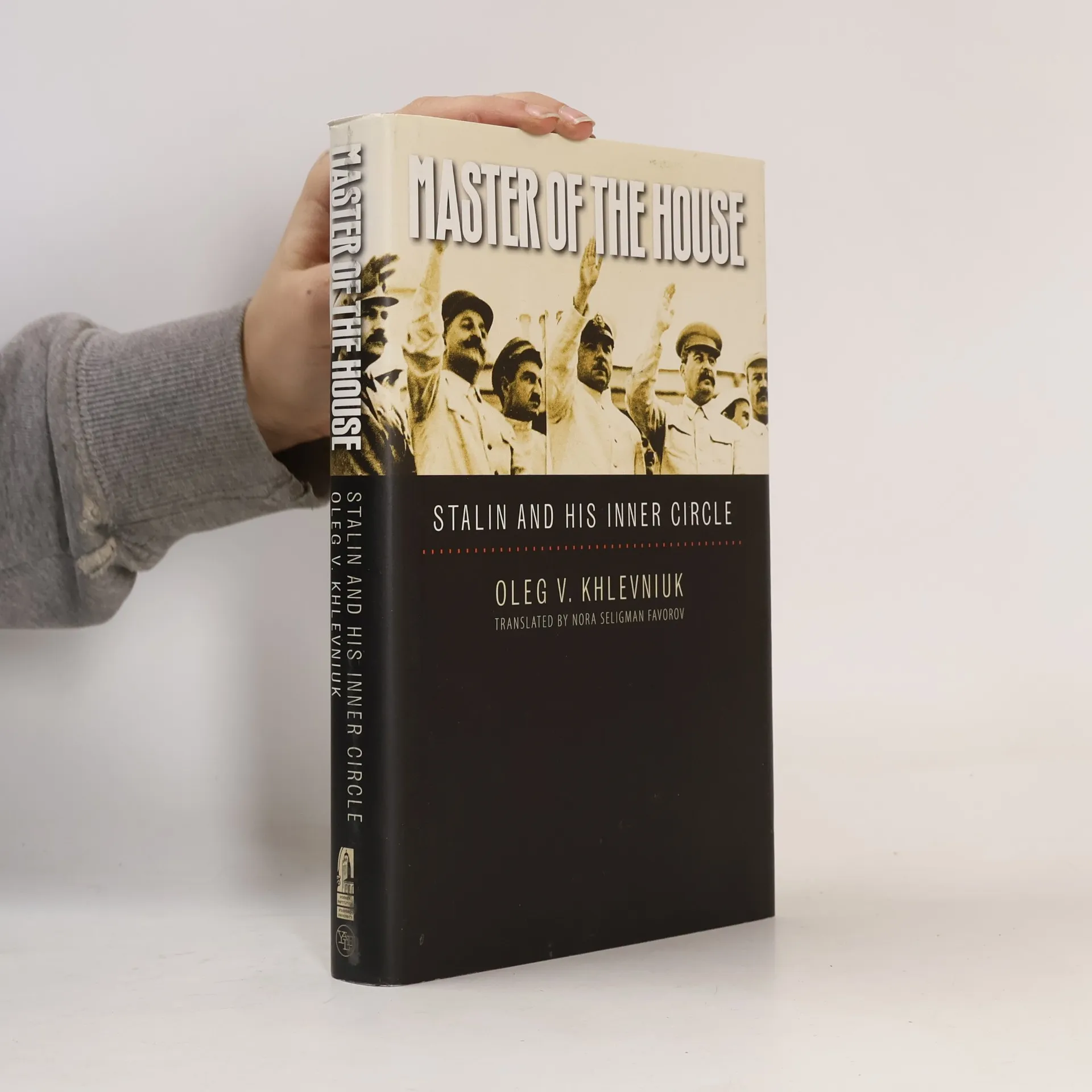
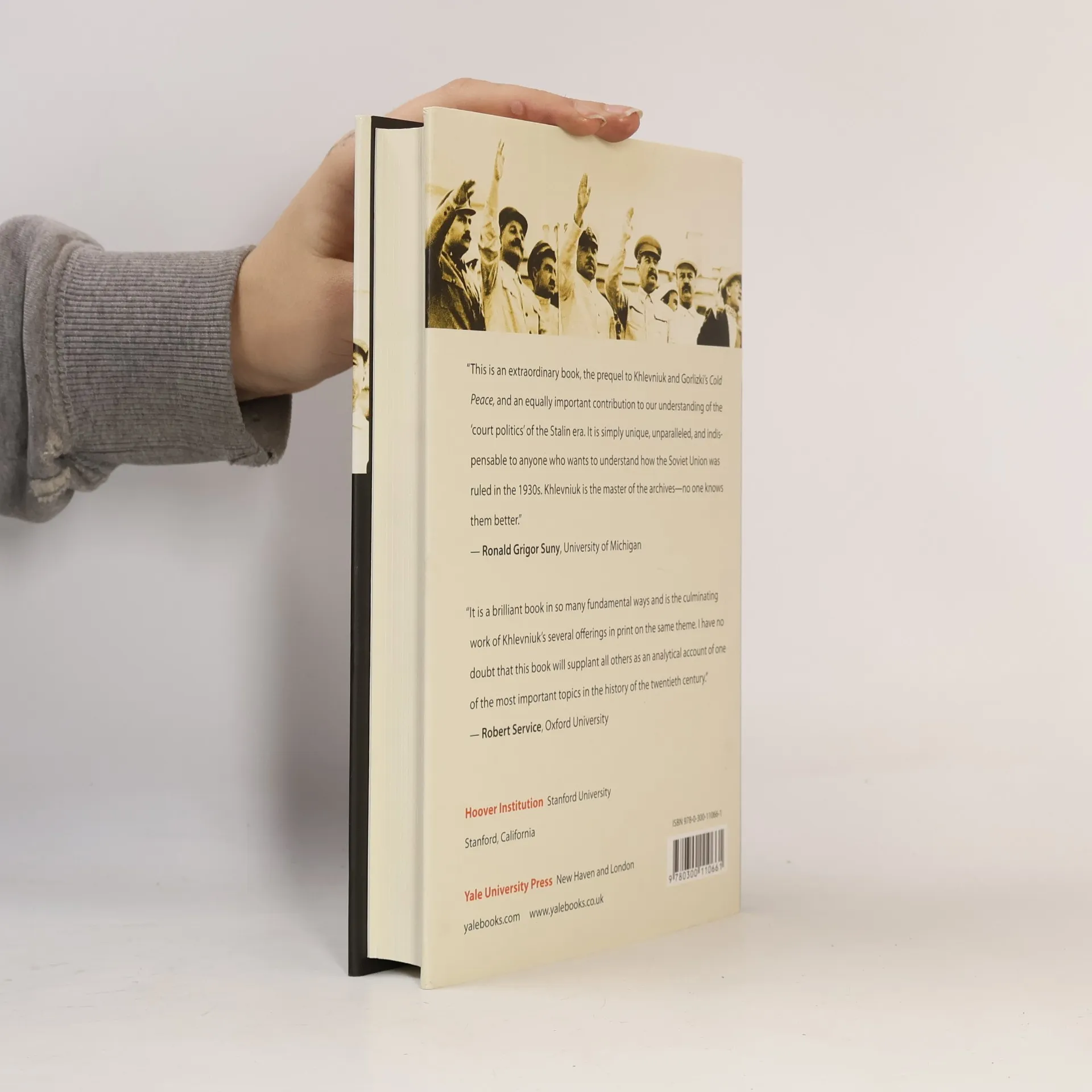
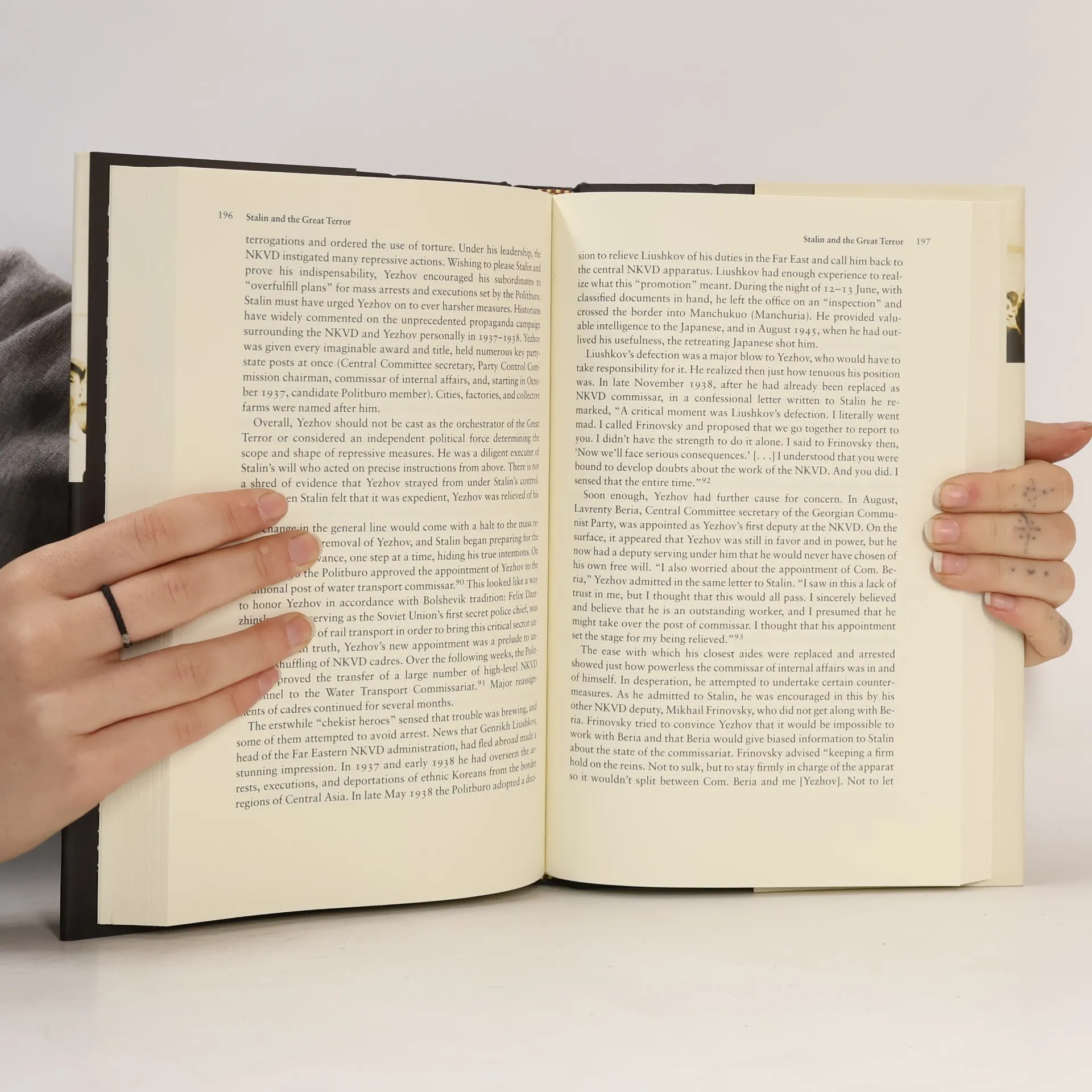
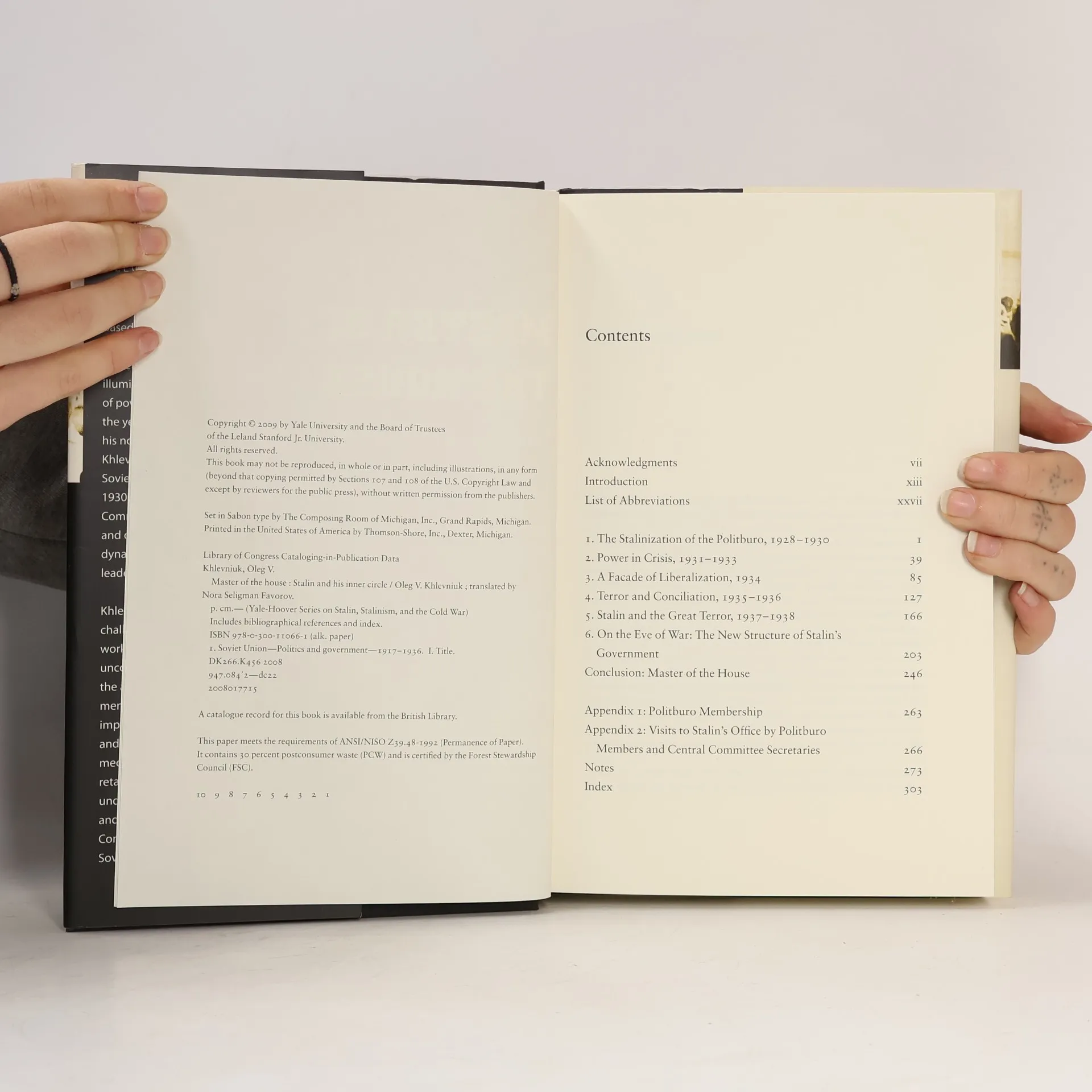
Based on meticulous research in previously unavailable documents in the Soviet archives, this compelling book illuminates the secret inner mechanisms of power in the Soviet Union during the years when Stalin established his notorious dictatorship. Oleg V. Khlevniuk focuses on the top organ in Soviet Russia’s political hierarchy of the 1930s—the Political Bureau of the Central Committee of the Communist Party—and on the political and interpersonal dynamics that weakened its collective leadership and enabled Stalin’s rise.Khlevniuk’s unparalleled research challenges existing theories of the workings of the Politburo and uncovers many new findings regarding the nature of alliances among Politburo members, Sergei Kirov’s murder, the implementation of the Great Terror, and much more. The author analyzes Stalin’s mechanisms of generating and retaining power and presents a new understanding, unmatched in texture and depth, of the highest tiers of the Communist Party in a crucial era of Soviet history.
Zakup książki
Master of the House, Oleg V. Khlevniuk, Nora Seligman Favorov
- Język

- Rok wydania
- 2009
- Oprawa
- (twarda),
- Stan książki
- Dobry
- Cena
- 44,69 zł
Metody płatności
Nikt jeszcze nie ocenił.
- Tytuł
- Master of the House
- Podtytuł
- Stalin and His Inner Circle
- Język
- angielski
- Wydawca
- Yale University Press
- Rok wydania
- 2009
- Oprawa
- twarda
- Liczba stron
- 344
- ISBN10
- 0300110669
- ISBN13
- 9780300110661
- Seria
- Opis
- Based on meticulous research in previously unavailable documents in the Soviet archives, this compelling book illuminates the secret inner mechanisms of power in the Soviet Union during the years when Stalin established his notorious dictatorship. Oleg V. Khlevniuk focuses on the top organ in Soviet Russia’s political hierarchy of the 1930s—the Political Bureau of the Central Committee of the Communist Party—and on the political and interpersonal dynamics that weakened its collective leadership and enabled Stalin’s rise.Khlevniuk’s unparalleled research challenges existing theories of the workings of the Politburo and uncovers many new findings regarding the nature of alliances among Politburo members, Sergei Kirov’s murder, the implementation of the Great Terror, and much more. The author analyzes Stalin’s mechanisms of generating and retaining power and presents a new understanding, unmatched in texture and depth, of the highest tiers of the Communist Party in a crucial era of Soviet history.