

Więcej o książce
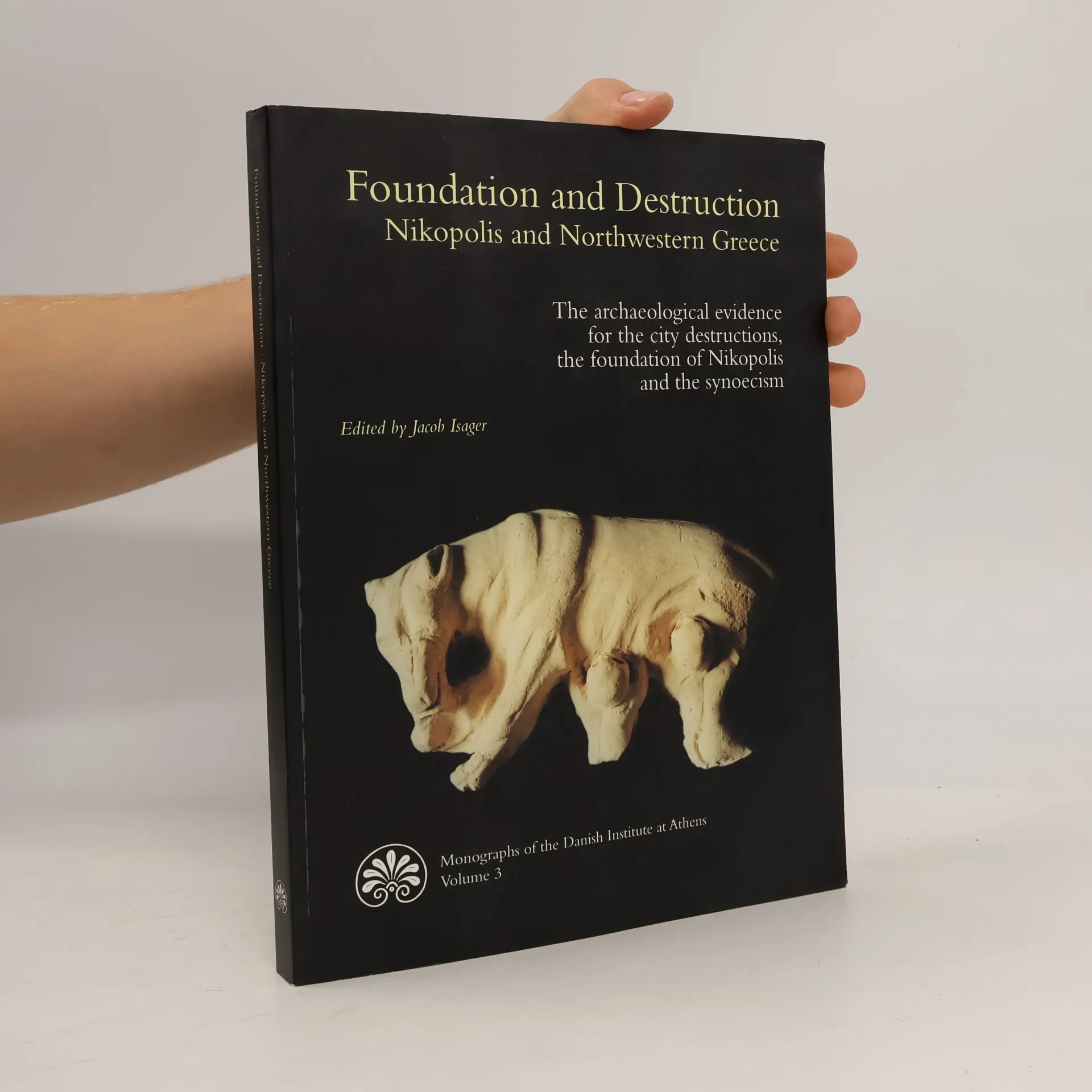
Octavian founded Nikopolis in 31 BC to commemorate his naval defeat of Antony and Cleopatra at Actium. He then compelled the inhabitants of neighbouring cities to relocate and populate his `City of Victory'. These papers focus on recent excavations, in Nikopolis and in the surrounding regions, to examine the impact of this forced relocation. The evidence indicates that the neighbouring settlements were much less deserted than had been assumed and a rereading of Strabo, the principal contemporary source, supports this. Other papers examine the Actian Tropaeum, the most important construction in Nikopolis which celebrated Actium, settlement patterns, epigraphy, pottery surveys and the distribution of cults.
Zakup książki
Monographs of the Danish Institute at Athens - 3: Foundation and Destruction Nikopolis and Northwestern Greece, Jacob Isager
- Język

- Rok wydania
- 2001
- Oprawa
- (miękka),
- Stan książki
- Dobry
- Cena
- 64,99 zł
Metody płatności
Nikt jeszcze nie ocenił.
- Tytuł
- Monographs of the Danish Institute at Athens - 3: Foundation and Destruction Nikopolis and Northwestern Greece
- Język
- angielski
- Autorzy
- Jacob Isager
- Wydawca
- Aarhus University Press
- Rok wydania
- 2001
- Oprawa
- miękka
- Liczba stron
- 277
- ISBN10
- 8772887346
- ISBN13
- 9788772887340
- Seria
- Opis
- Octavian founded Nikopolis in 31 BC to commemorate his naval defeat of Antony and Cleopatra at Actium. He then compelled the inhabitants of neighbouring cities to relocate and populate his `City of Victory'. These papers focus on recent excavations, in Nikopolis and in the surrounding regions, to examine the impact of this forced relocation. The evidence indicates that the neighbouring settlements were much less deserted than had been assumed and a rereading of Strabo, the principal contemporary source, supports this. Other papers examine the Actian Tropaeum, the most important construction in Nikopolis which celebrated Actium, settlement patterns, epigraphy, pottery surveys and the distribution of cults.