


Parametry
- 304 strony
- 11 godzin czytania
Więcej o książce
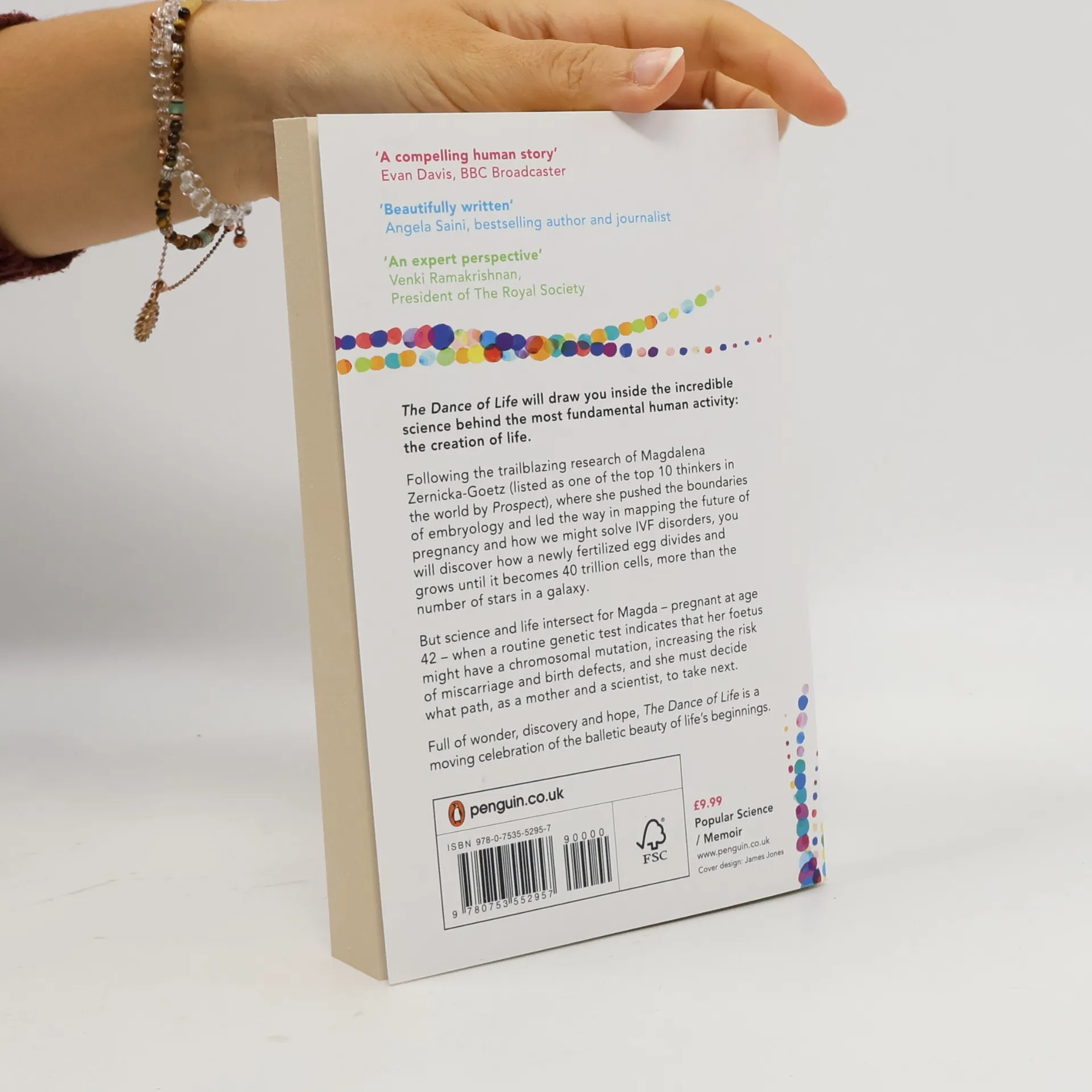
How does life begin? What drives a newly fertilized egg to divide and grow into 40 trillion cells? How do these cells know how to form a human body? Magdalena Zernicka-Goetz faced a personal challenge when a genetic test during her pregnancy revealed abnormalities in her baby's cells, raising concerns about miscarriage and birth defects. However, she later gave birth to a healthy boy and her research on mouse embryos confirmed her hypothesis: embryos possess a remarkable ability to correct abnormal cells early in development. This exploration reveals the astonishing world of life at its inception, highlighting the profound moments that shape our humanity. As a professor at Cambridge, Magda has significantly advanced the understanding of early life, doubling the survival time of human embryos in the lab and creating the first artificial embryo-like structures from stem cells. Her findings illuminate how early life is programmed to repair and organize itself, offering hope for the future of pregnancy, potential solutions for IVF disorders, and insights into preventing miscarriages. This journey is a moving celebration of the intricate beauty of life's beginnings.
Zakup książki
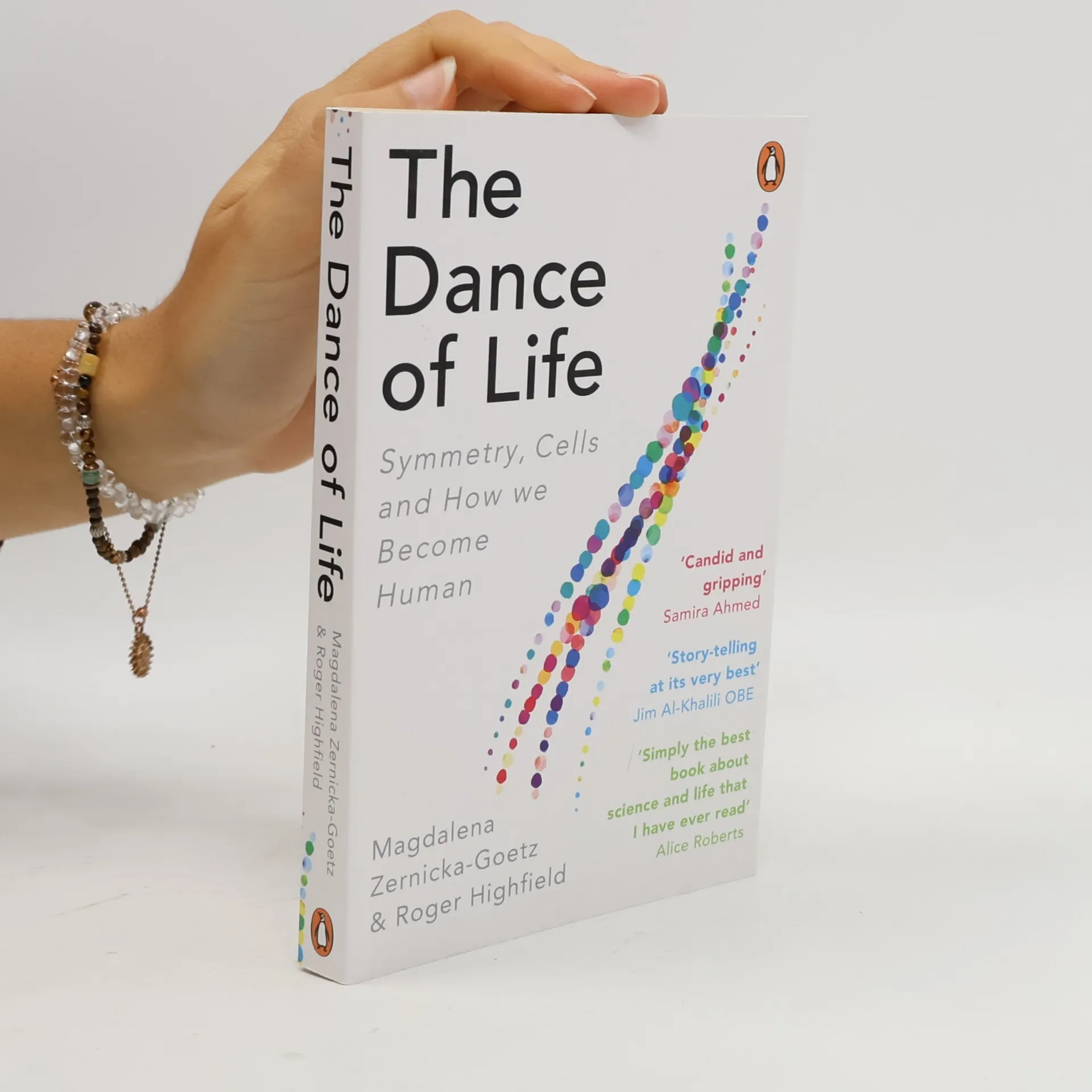
The Dance of Life, Magdalena Zernicka-Goetz, Roger Highfield
- Język

- Rok wydania
- 2021
- Oprawa
- (miękka),
- Stan książki
- Bardzo dobry
- Cena
- 64,79 zł
Metody płatności
Nikt jeszcze nie ocenił.
- Tytuł
- The Dance of Life
- Język
- angielski
- Wydawca
- Random House UK Ltd
- Rok wydania
- 2021
- Oprawa
- miękka
- Liczba stron
- 304
- ISBN10
- 0753552957
- ISBN13
- 9780753552957
- Seria
- Kategorie
- Tagi
- Zdrowie & Medycyna, Nauki przyrodnicze, Poradniki, Nauka, Zdrowie, Tematyka medyczna, Edukacja & Szkolnictwo, Rodzicielstwo, Ewolucja
- Opis
- How does life begin? What drives a newly fertilized egg to divide and grow into 40 trillion cells? How do these cells know how to form a human body? Magdalena Zernicka-Goetz faced a personal challenge when a genetic test during her pregnancy revealed abnormalities in her baby's cells, raising concerns about miscarriage and birth defects. However, she later gave birth to a healthy boy and her research on mouse embryos confirmed her hypothesis: embryos possess a remarkable ability to correct abnormal cells early in development. This exploration reveals the astonishing world of life at its inception, highlighting the profound moments that shape our humanity. As a professor at Cambridge, Magda has significantly advanced the understanding of early life, doubling the survival time of human embryos in the lab and creating the first artificial embryo-like structures from stem cells. Her findings illuminate how early life is programmed to repair and organize itself, offering hope for the future of pregnancy, potential solutions for IVF disorders, and insights into preventing miscarriages. This journey is a moving celebration of the intricate beauty of life's beginnings.