

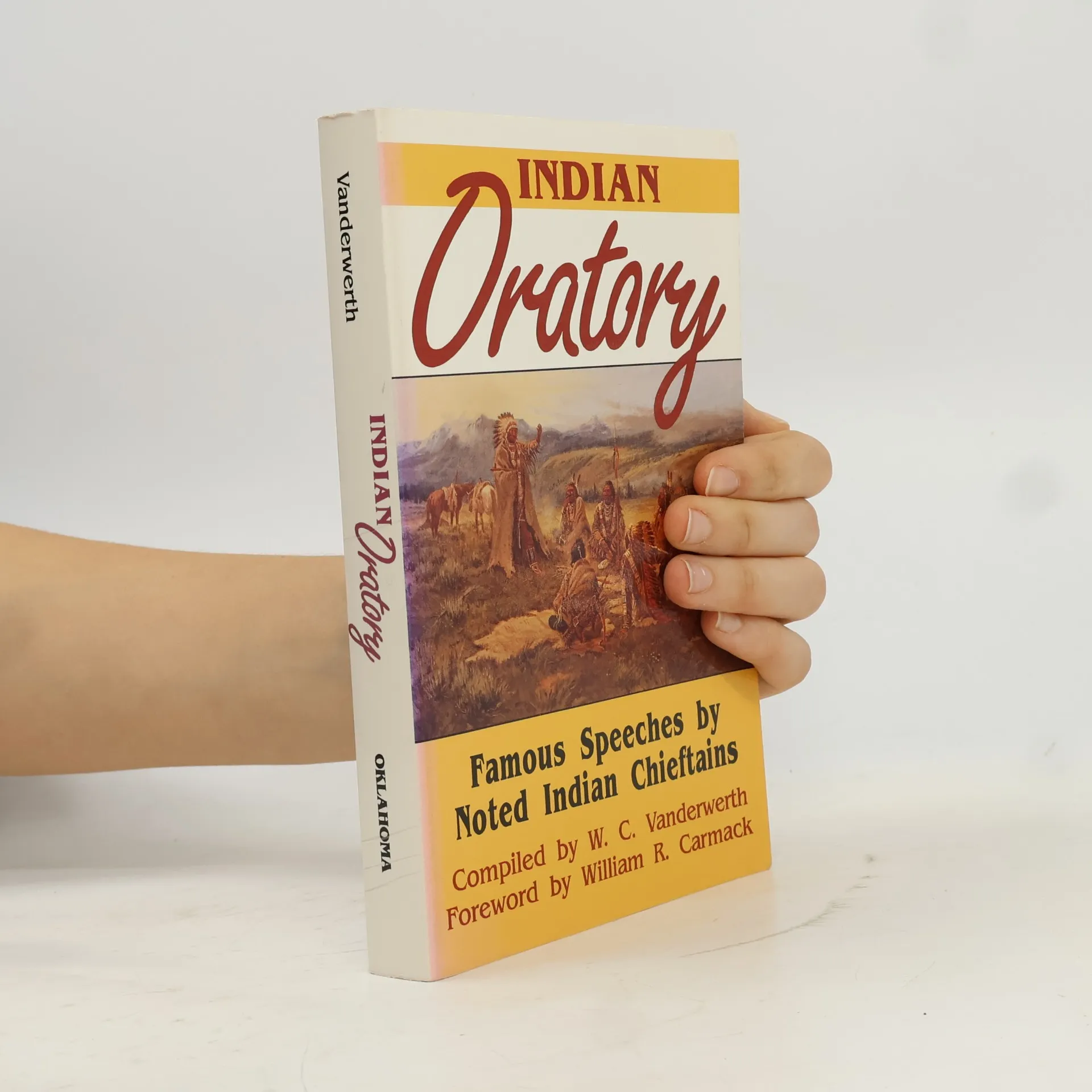



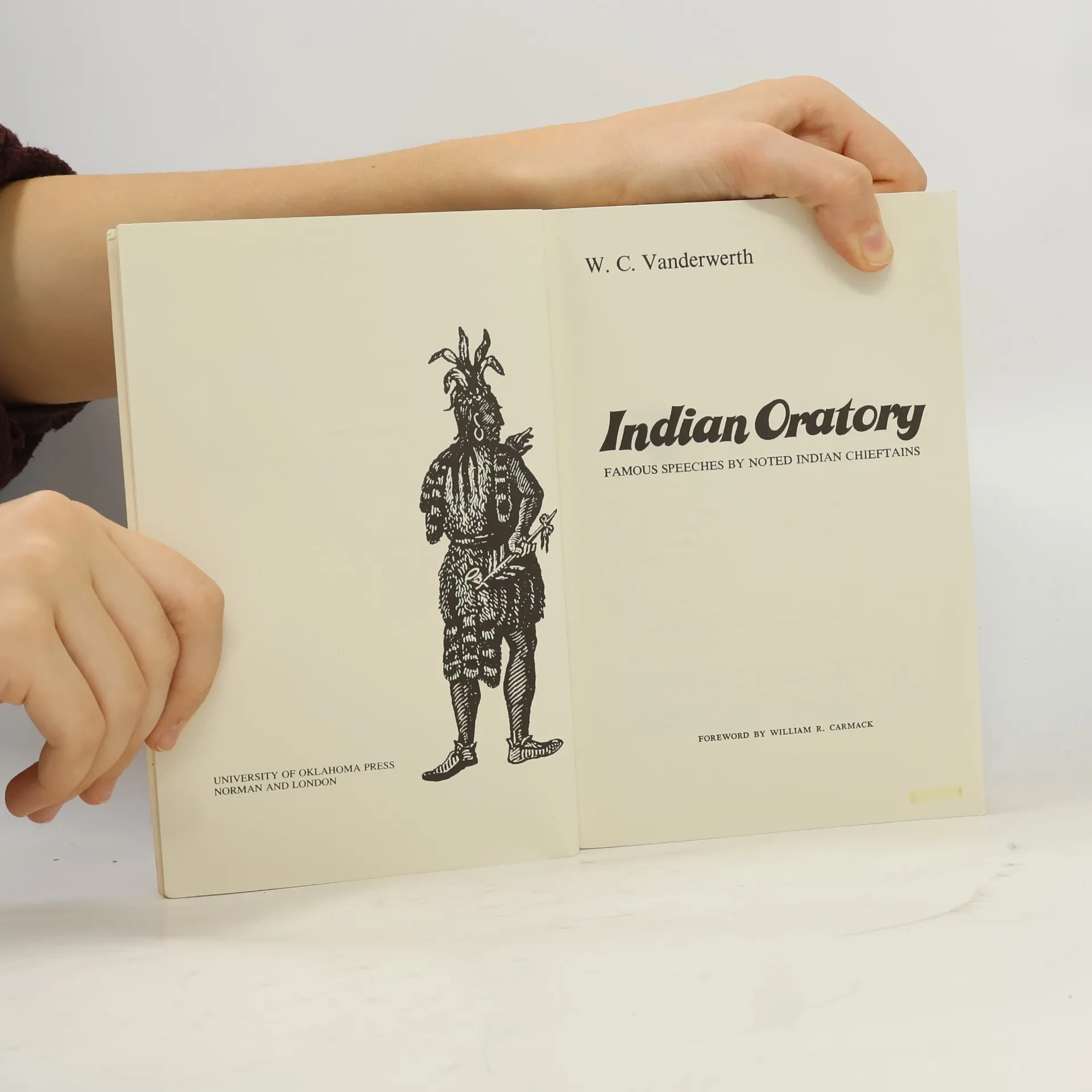
Civilization of the American Indian - 110: Indian Oratory
Famous Speeches by Noted Indian Chiefs
Więcej o książce
This collection of notable speeches by early leaders of twenty-two Indian tribes enriches our understanding of the original Americans and their perspectives on the historical changes they faced. Although little written record exists of their oratory, public address was vital to tribal life, with council fires serving as venues for settling affairs without written documentation. Young men learned by listening to speeches, observing delivery, and weighing arguments. Early white settlers who lived among the tribes transcribed some council meetings, while other speeches were translated during treaty councils with U.S. government delegates. This book reconstructs the contemporary thoughts of prominent tribal leaders from the 1750s to a speech by Quanah Parker in 1910, including several orations from the notable Medicine Lodge Council of 1867. Each orator is accompanied by a short biography detailing the context of their speeches, the meeting locations, and visual representations of the speakers. The chosen representatives were skilled orators, deeply aware of their roles and adept in the Indian oral traditions. Their eloquent speeches, often infused with wit and sarcasm, reflected their understanding of the complex issues at hand as they negotiated for the survival of their traditional way of life.
Zakup książki
Civilization of the American Indian - 110: Indian Oratory, W. C. Vanderwerth, William R. Carmack
- Język

- Rok wydania
- 1971
- Oprawa
- (miękka),
- Stan książki
- Uszkodzony
- Cena
- 123,99 zł
Metody płatności
Nikt jeszcze nie ocenił.
- Tytuł
- Civilization of the American Indian - 110: Indian Oratory
- Podtytuł
- Famous Speeches by Noted Indian Chiefs
- Język
- angielski
- Autorzy
- W. C. Vanderwerth, William R. Carmack
- Wydawca
- University of Oklahoma Press
- Rok wydania
- 1971
- Oprawa
- miękka
- Liczba stron
- 310
- ISBN10
- 0806115750
- ISBN13
- 9780806115757
- Seria
- Kategorie
- Opis
- This collection of notable speeches by early leaders of twenty-two Indian tribes enriches our understanding of the original Americans and their perspectives on the historical changes they faced. Although little written record exists of their oratory, public address was vital to tribal life, with council fires serving as venues for settling affairs without written documentation. Young men learned by listening to speeches, observing delivery, and weighing arguments. Early white settlers who lived among the tribes transcribed some council meetings, while other speeches were translated during treaty councils with U.S. government delegates. This book reconstructs the contemporary thoughts of prominent tribal leaders from the 1750s to a speech by Quanah Parker in 1910, including several orations from the notable Medicine Lodge Council of 1867. Each orator is accompanied by a short biography detailing the context of their speeches, the meeting locations, and visual representations of the speakers. The chosen representatives were skilled orators, deeply aware of their roles and adept in the Indian oral traditions. Their eloquent speeches, often infused with wit and sarcasm, reflected their understanding of the complex issues at hand as they negotiated for the survival of their traditional way of life.