

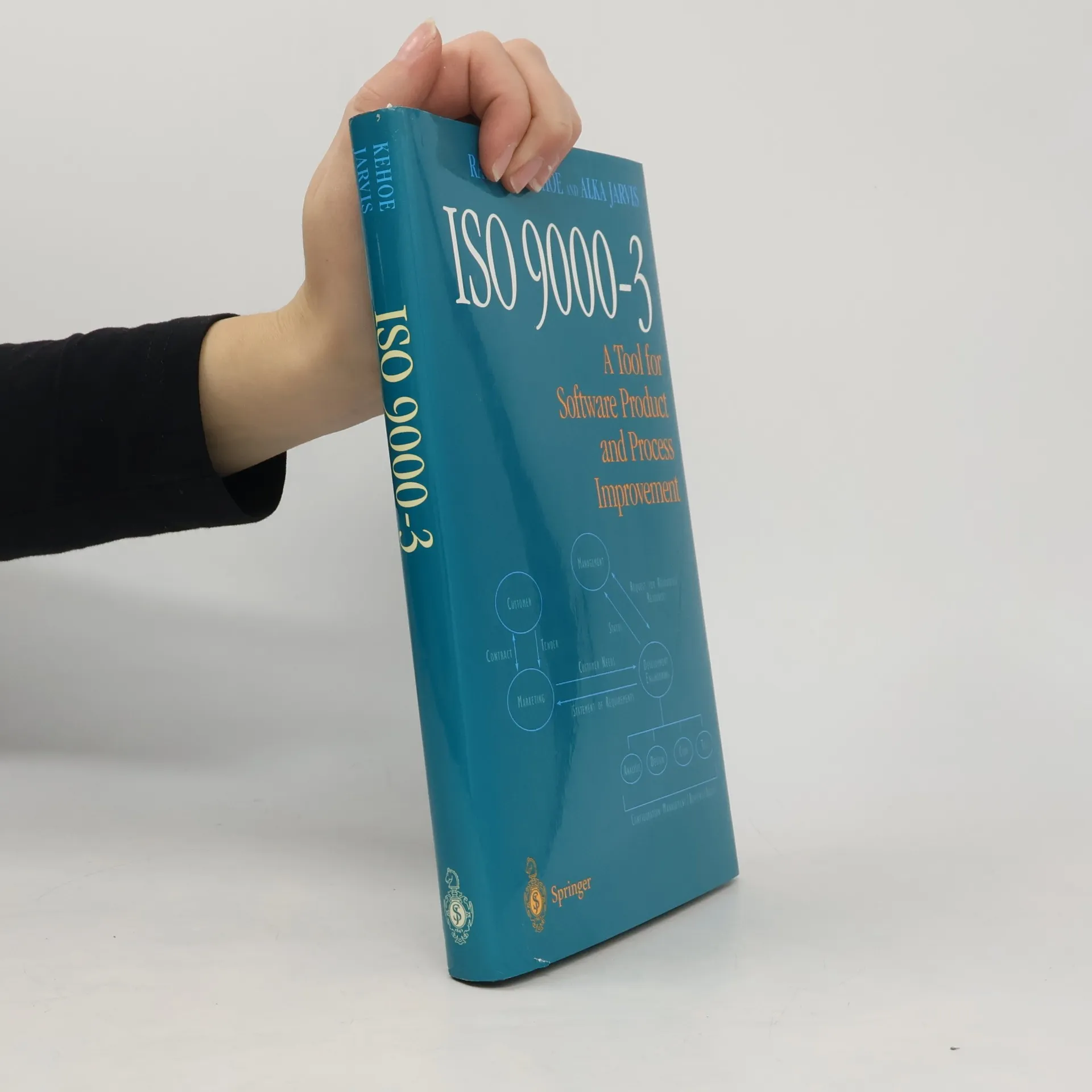




ISO 9000-3
Autorzy
Parametry
- 229 stron
- 9 godzin czytania
Więcej o książce
The purpose of this book is to help readers understand the ISO 9000-3 guideline and its application in software specification, development, testing, and maintenance. It emphasizes that the core practices of software engineering align closely with the ISO guideline. The goal is for readers to utilize the information not just for passing certification audits but also as a tool to foster a well-managed engineering environment that produces reliable, well-engineered products consistently. Targeted at senior software engineers, software managers, and non-software managers within software organizations, the book aims to assist in creating an effective engineering environment. Additionally, it is valuable for individuals outside the software organization responsible for specifying software products and preparing their organizations for ownership of developed products. Those involved in selecting or auditing software companies to evaluate their capability in engineering and maintaining software products will also find the content beneficial. The book consists of twenty-four chapters organized into four sections, with the first four chapters establishing the foundational concepts that lead into the detailed discussions of the guideline in subsequent chapters.
Zakup książki
ISO 9000-3, Alka Jarvis, Raymond Kehoe
- Język
- Rok wydania
- 1996
- Oprawa
- (twarda),
- Stan książki
- Uszkodzony
- Cena
- 26,99 zł
Metody płatności
Nikt jeszcze nie ocenił.
- Tytuł
- ISO 9000-3
- Autorzy
- Alka Jarvis, Raymond Kehoe
- Wydawca
- Springer
- Rok wydania
- 1996
- Oprawa
- twarda
- Liczba stron
- 229
- ISBN10
- 0387945687
- ISBN13
- 9780387945682
- Seria
- Kategorie
- Tagi
- Biznes, Przywództwo, Oprogramowanie, Rozwój
- Opis
- The purpose of this book is to help readers understand the ISO 9000-3 guideline and its application in software specification, development, testing, and maintenance. It emphasizes that the core practices of software engineering align closely with the ISO guideline. The goal is for readers to utilize the information not just for passing certification audits but also as a tool to foster a well-managed engineering environment that produces reliable, well-engineered products consistently. Targeted at senior software engineers, software managers, and non-software managers within software organizations, the book aims to assist in creating an effective engineering environment. Additionally, it is valuable for individuals outside the software organization responsible for specifying software products and preparing their organizations for ownership of developed products. Those involved in selecting or auditing software companies to evaluate their capability in engineering and maintaining software products will also find the content beneficial. The book consists of twenty-four chapters organized into four sections, with the first four chapters establishing the foundational concepts that lead into the detailed discussions of the guideline in subsequent chapters.