

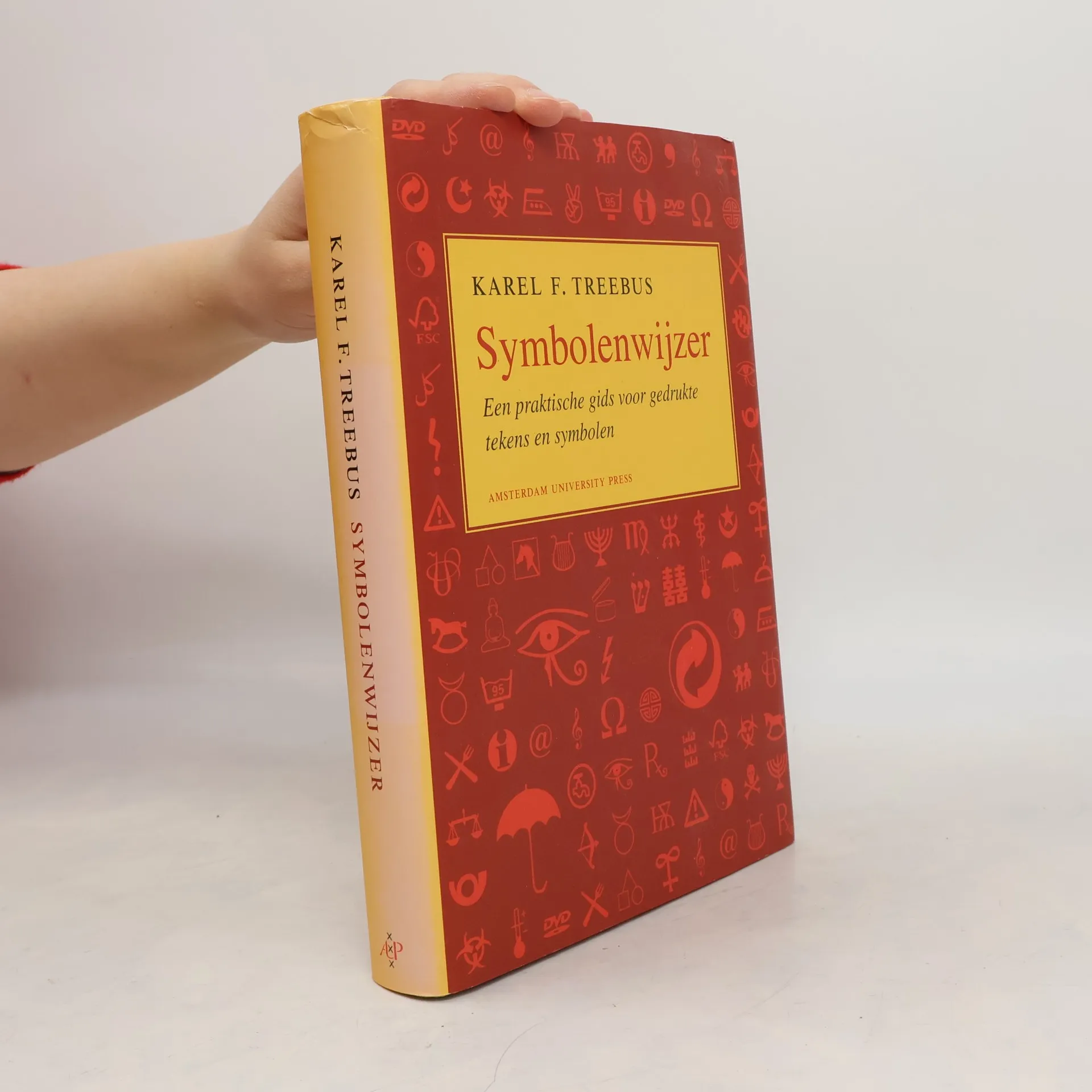
Symbolenwijzer
Een praktische gids voor gedrukte tekens en symbolen
Autorzy
Parametry
- 458 stron
- 17 godzin czytania
Więcej o książce
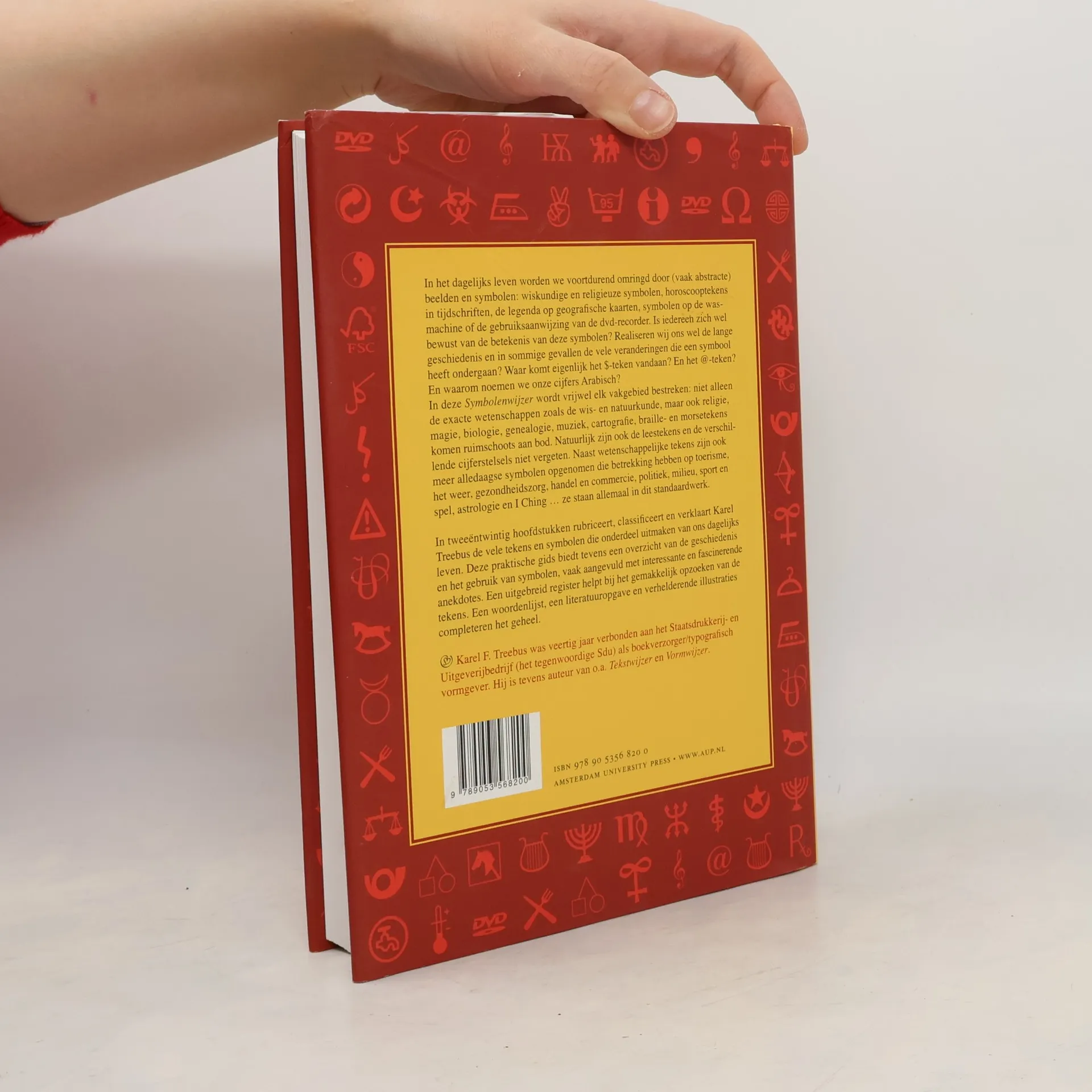
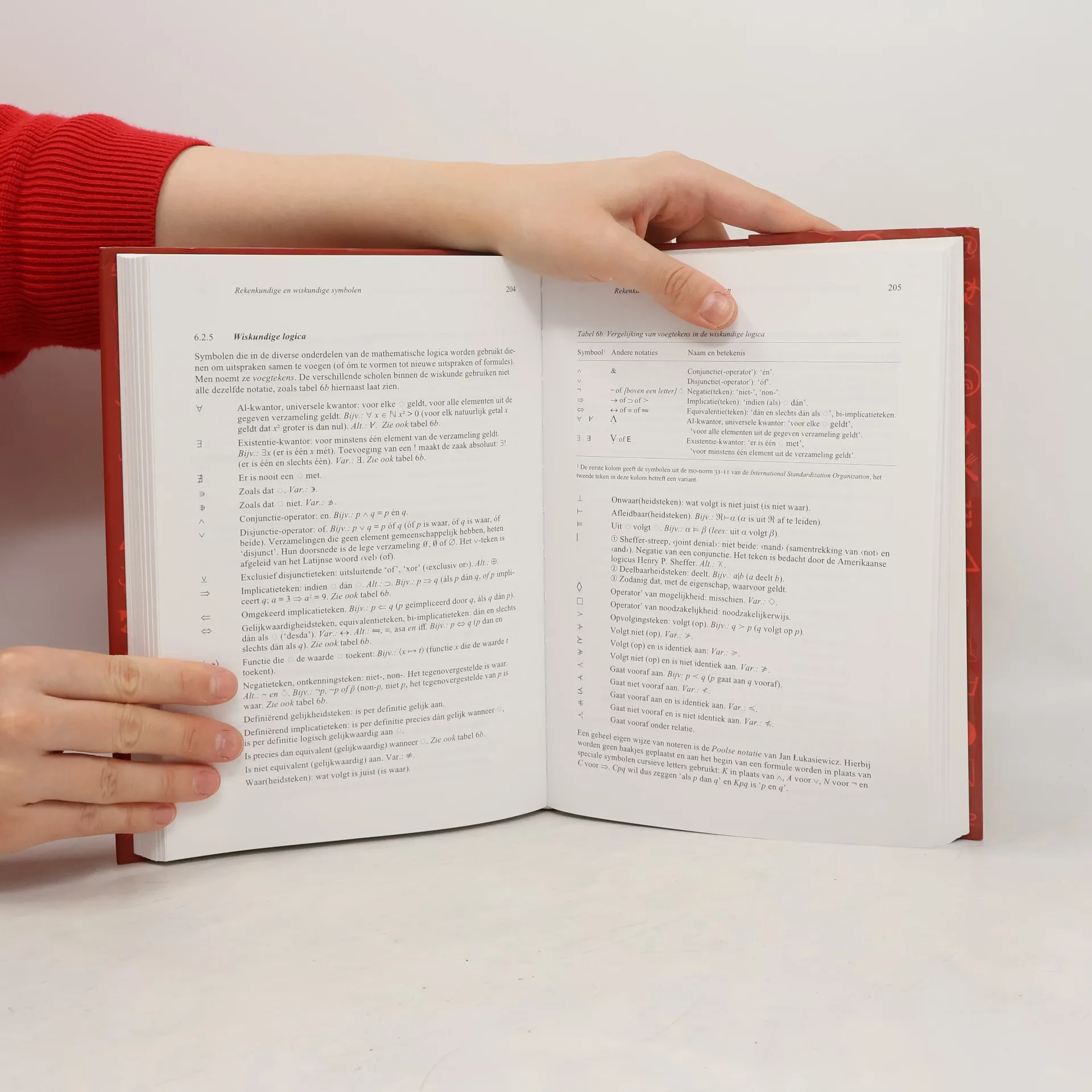
We are perpetually surrounded by (mostly abstract) signs and symbols: mathematical symbols, religious symbols, horoscope signs in popular magazines, signs in area maps, symbols in our washing machine or video recorder manualin our camping guide or in the weather reports on television, smileys...the list goes on and on. Everyone encounters these symbols but is everyone aware of their meaning? Do we realise its long history and sometimes the many changes that a symbol has undergone? Where does the dollar sign come from? And the @ sign? And why do we call our numerals Arabic? This practical guide is helpful in answering these and many other questions, often presenting us with interesting and fascinating anecdotes. In twenty chapters, Karel Treebus rubricates, explains, classifies and clarifies signs and symbols that are innate to various parts of our daily lives and the society we live in. Significantly, Treebus also incorporated in his guide modern day signs and symbols like the ubiquitous emoticons (emotion icons) of the online world. He does this without judgement, as a certain symbol, which is an absolute truth for one, can have no value for another.
Zakup książki
Symbolenwijzer, Karel F. Treebus
- Język

- Rok wydania
- 2007
- Oprawa
- (twarda),
- Stan książki
- Dobry
- Cena
- 53,99 zł
Metody płatności
Nikt jeszcze nie ocenił.
- Tytuł
- Symbolenwijzer
- Podtytuł
- Een praktische gids voor gedrukte tekens en symbolen
- Język
- holenderski
- Autorzy
- Karel F. Treebus
- Wydawca
- Amsterdam University Press
- Rok wydania
- 2007
- Oprawa
- twarda
- Liczba stron
- 458
- ISBN10
- 9053568204
- ISBN13
- 9789053568200
- Seria
- Tagi
- Tematy historyczne, Edukacja & Szkolnictwo, Kultura & Społeczeństwo, Lingwistyka, Historia społeczna
- Opis
- We are perpetually surrounded by (mostly abstract) signs and symbols: mathematical symbols, religious symbols, horoscope signs in popular magazines, signs in area maps, symbols in our washing machine or video recorder manualin our camping guide or in the weather reports on television, smileys...the list goes on and on. Everyone encounters these symbols but is everyone aware of their meaning? Do we realise its long history and sometimes the many changes that a symbol has undergone? Where does the dollar sign come from? And the @ sign? And why do we call our numerals Arabic? This practical guide is helpful in answering these and many other questions, often presenting us with interesting and fascinating anecdotes. In twenty chapters, Karel Treebus rubricates, explains, classifies and clarifies signs and symbols that are innate to various parts of our daily lives and the society we live in. Significantly, Treebus also incorporated in his guide modern day signs and symbols like the ubiquitous emoticons (emotion icons) of the online world. He does this without judgement, as a certain symbol, which is an absolute truth for one, can have no value for another.