

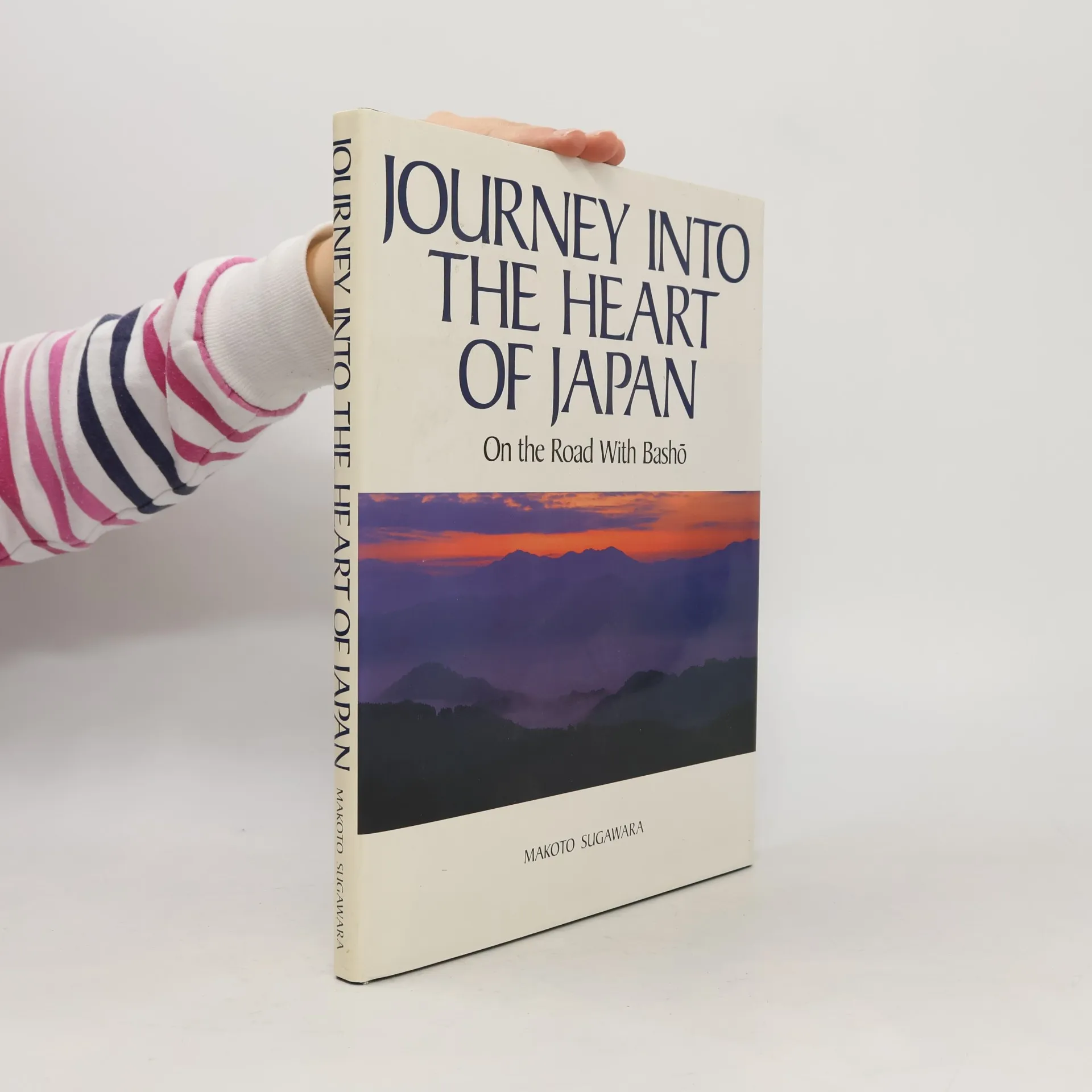
Journey Into the Heart of Japan
On the Road with Bashō
Autorzy
Więcej o książce
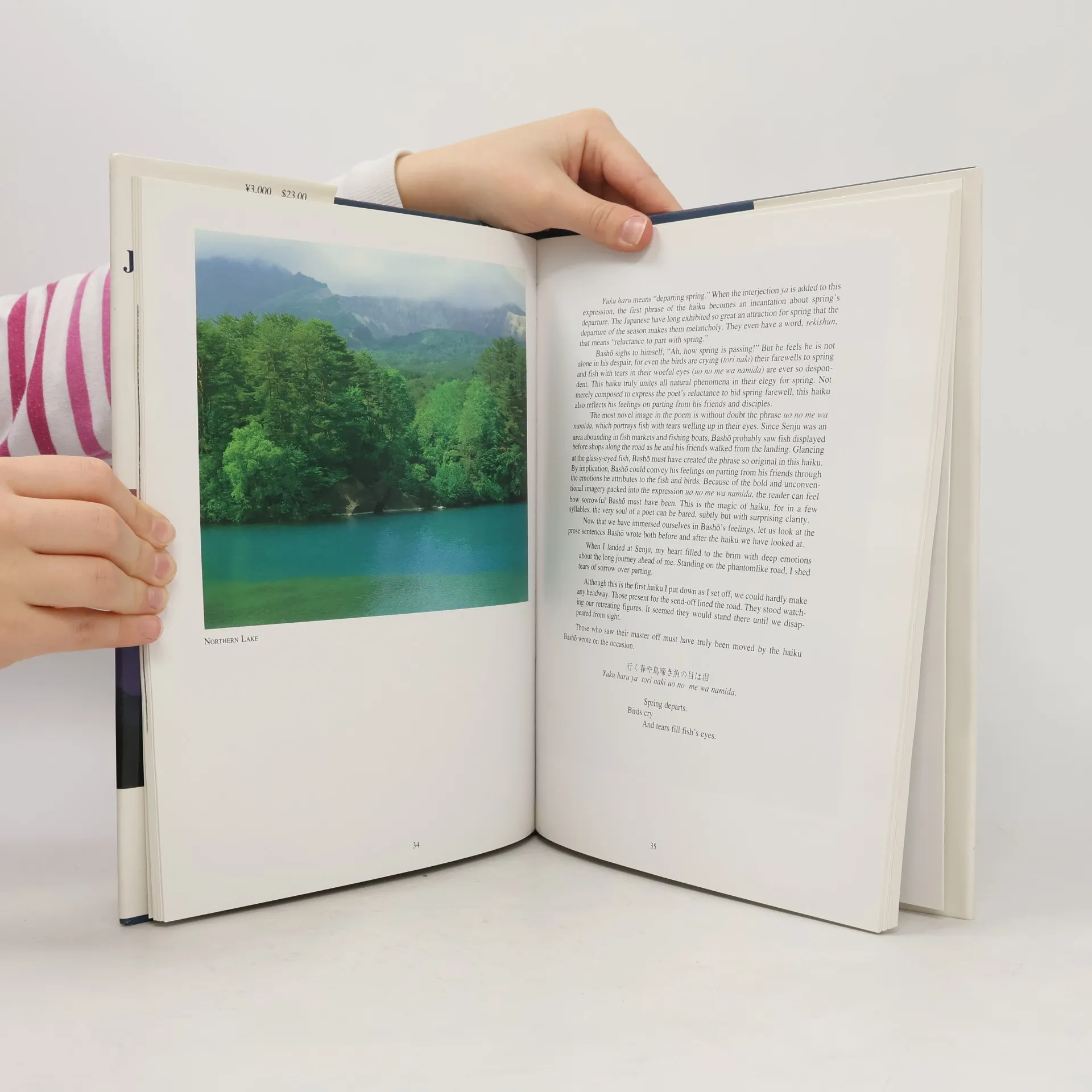
Matsuo Basho was the supreme master of the haiku. He went up to Edo, the shogun's capital, a young man determined to succeed as a poet. He won acclaim at haiku gatherings, only to withdraw to a hermitage in reaction to the vulgarization of the haiku by the Danrin school. His withdrawal was a flight toward the realm of "wabi" - simplicity and quiet. Later his hermitage was razed in a conflagration. The feeling that he was without a home became linked in his mind with the Buddhist idea of the transitoriness of life. He began to travel. He tramped a perpetual journey, distilling the complexities of reality into pithy images that became the trademark of his school. Author Makoto Sugawara recounts the life of Basho the poet through detailed and perceptive analysis of the best of his haiku.
Zakup książki
Journey Into the Heart of Japan, Makoto Sugawara
- Język

- Rok wydania
- 1991
- Oprawa
- (twarda),
- Stan książki
- Dobry
- Cena
- 26,99 zł
Metody płatności
Nikt jeszcze nie ocenił.
- Tytuł
- Journey Into the Heart of Japan
- Podtytuł
- On the Road with Bashō
- Język
- angielski
- Autorzy
- Makoto Sugawara
- Wydawca
- Dummy Book Co
- Rok wydania
- 1991
- Oprawa
- twarda
- Liczba stron
- 300
- ISBN10
- 4915645096
- ISBN13
- 9784915645099
- Seria
- Kategorie
- Tagi
- Opis
- Matsuo Basho was the supreme master of the haiku. He went up to Edo, the shogun's capital, a young man determined to succeed as a poet. He won acclaim at haiku gatherings, only to withdraw to a hermitage in reaction to the vulgarization of the haiku by the Danrin school. His withdrawal was a flight toward the realm of "wabi" - simplicity and quiet. Later his hermitage was razed in a conflagration. The feeling that he was without a home became linked in his mind with the Buddhist idea of the transitoriness of life. He began to travel. He tramped a perpetual journey, distilling the complexities of reality into pithy images that became the trademark of his school. Author Makoto Sugawara recounts the life of Basho the poet through detailed and perceptive analysis of the best of his haiku.