

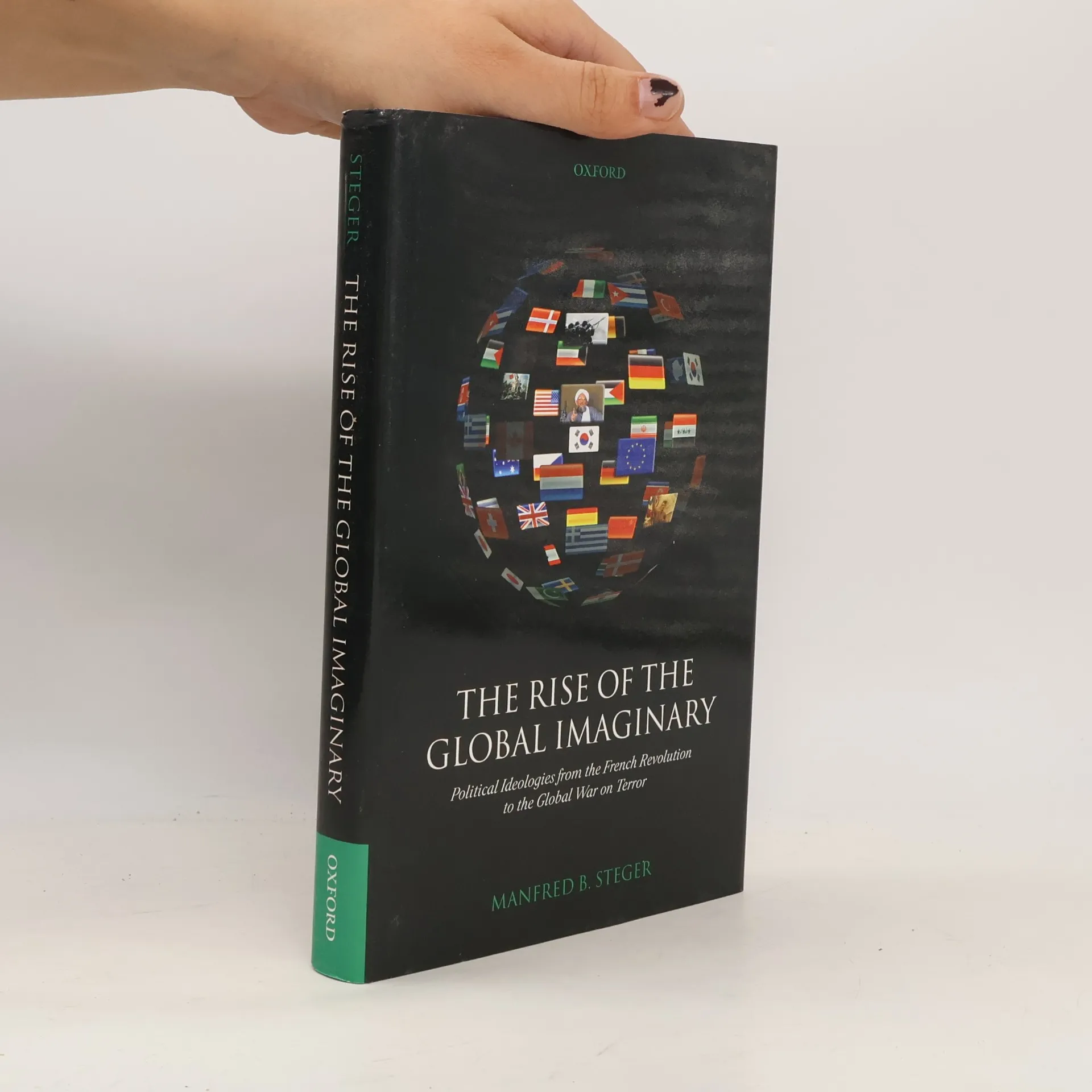
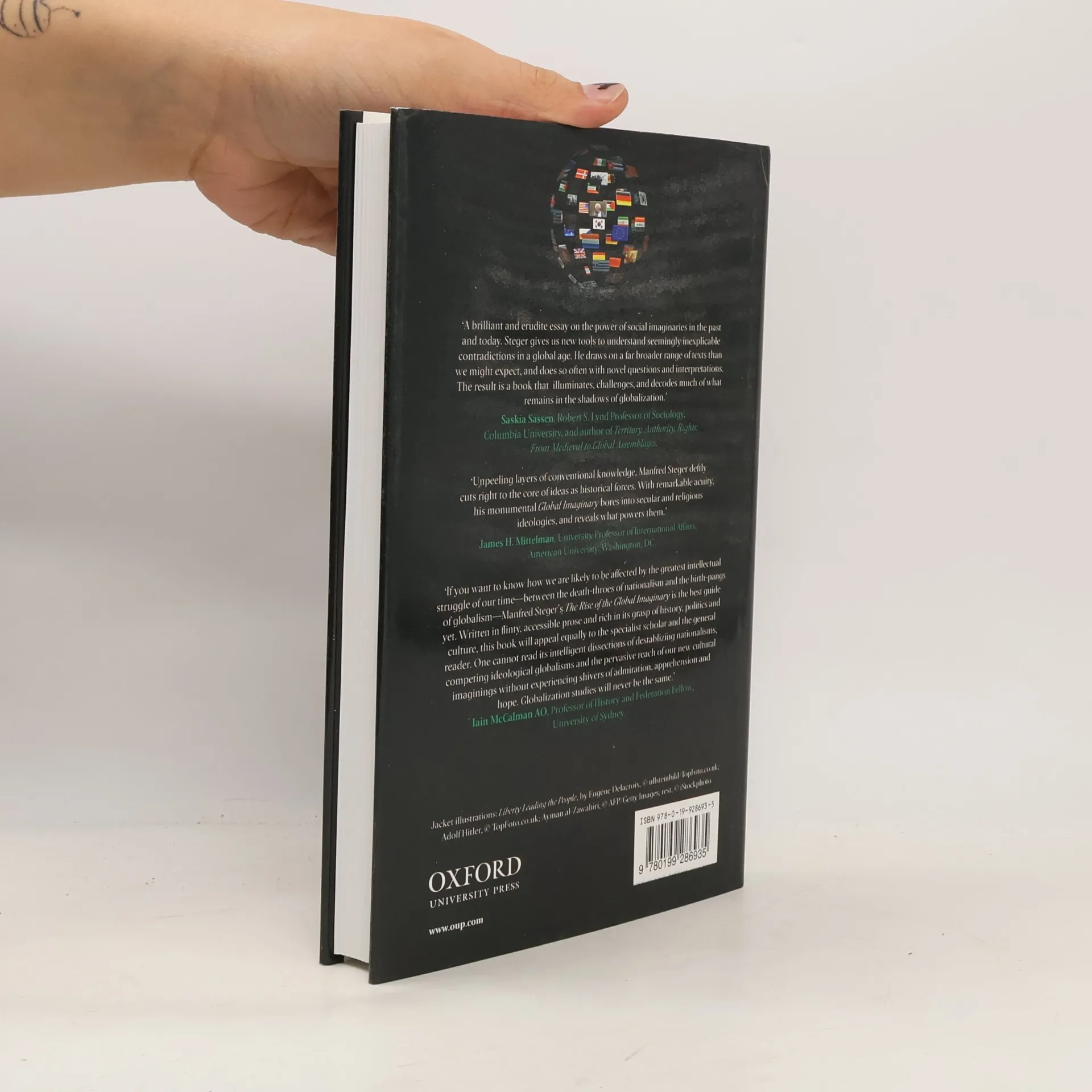

The Rise of the Global Imaginary
Political Ideologies from the French Revolution to the Global War on Terror
Autorzy
Parametry
- 318 stron
- 12 godzin czytania
Więcej o książce
Neoliberalism. Neoconservatism. Postmarxism. Postmodernism. Is there really something genuinely new about today's "isms?" Have we truly moved past our traditional ideological landscape?Combining political history, philosophical interpretation, and good old-fashioned story-telling, The Rise of the Global Political Ideologies from the French Revolution to the Global War on Terror traces ideology's remarkable journey from Count Destutt de Tracy's Enlightenment-era "science of ideas" to President George W. Bush's "imperial globalism." Rejecting futile attempts to "update" modern political belief systems by adorning them with prefixes, author Manfred Steger offers a highly original explanation for their novelty--their increasing ability to articulate deep-seated understandings of community in global rather than national terms. This growing awareness of globality fuels the visions of social elites who reside in the privileged spaces of our global cities. It erupts in the hopes and demands of migrants who traverse national boundaries in search of their piece of the global promise. Stoked by cross-cultural encounters, technological change, and scientific innovation, the rising global imaginary has destabilized the grand political ideologies codified during the national age.The national is slowly losing its grip on people's minds, but the global has not yet ascended to the commanding heights once occupied by its predecessor. However, the first rays of the rising global imaginary have provided enough light to capture the contours of a profoundly altered ideological landscape. Pointing in this direction, The Rise of the Global Imaginary ends with a timely interpretation of the apparent convergence of ideology and religion in the dawning global age--a broad phenomenon that extends beyond the obvious cases of Christian fundamentalism and Islamic jihadism.
Zakup książki
The Rise of the Global Imaginary, Manfred B. Steger
- Język

- Rok wydania
- 2008
- Oprawa
- (twarda),
- Stan książki
- Bardzo dobry
- Cena
- 34,19 zł
Metody płatności
Nikt jeszcze nie ocenił.
- Tytuł
- The Rise of the Global Imaginary
- Podtytuł
- Political Ideologies from the French Revolution to the Global War on Terror
- Język
- angielski
- Autorzy
- Manfred B. Steger
- Wydawca
- Oxford University Press
- Rok wydania
- 2008
- Oprawa
- twarda
- Liczba stron
- 318
- ISBN10
- 0199286930
- ISBN13
- 9780199286935
- Seria
- Kategorie
- Tagi
- Tematy historyczne, Tematyka filozoficzna, Polityka, Teorie polityczne, Historia społeczna, Globalizacja, Ideologia
- Opis
- Neoliberalism. Neoconservatism. Postmarxism. Postmodernism. Is there really something genuinely new about today's "isms?" Have we truly moved past our traditional ideological landscape?Combining political history, philosophical interpretation, and good old-fashioned story-telling, The Rise of the Global Political Ideologies from the French Revolution to the Global War on Terror traces ideology's remarkable journey from Count Destutt de Tracy's Enlightenment-era "science of ideas" to President George W. Bush's "imperial globalism." Rejecting futile attempts to "update" modern political belief systems by adorning them with prefixes, author Manfred Steger offers a highly original explanation for their novelty--their increasing ability to articulate deep-seated understandings of community in global rather than national terms. This growing awareness of globality fuels the visions of social elites who reside in the privileged spaces of our global cities. It erupts in the hopes and demands of migrants who traverse national boundaries in search of their piece of the global promise. Stoked by cross-cultural encounters, technological change, and scientific innovation, the rising global imaginary has destabilized the grand political ideologies codified during the national age.The national is slowly losing its grip on people's minds, but the global has not yet ascended to the commanding heights once occupied by its predecessor. However, the first rays of the rising global imaginary have provided enough light to capture the contours of a profoundly altered ideological landscape. Pointing in this direction, The Rise of the Global Imaginary ends with a timely interpretation of the apparent convergence of ideology and religion in the dawning global age--a broad phenomenon that extends beyond the obvious cases of Christian fundamentalism and Islamic jihadism.