

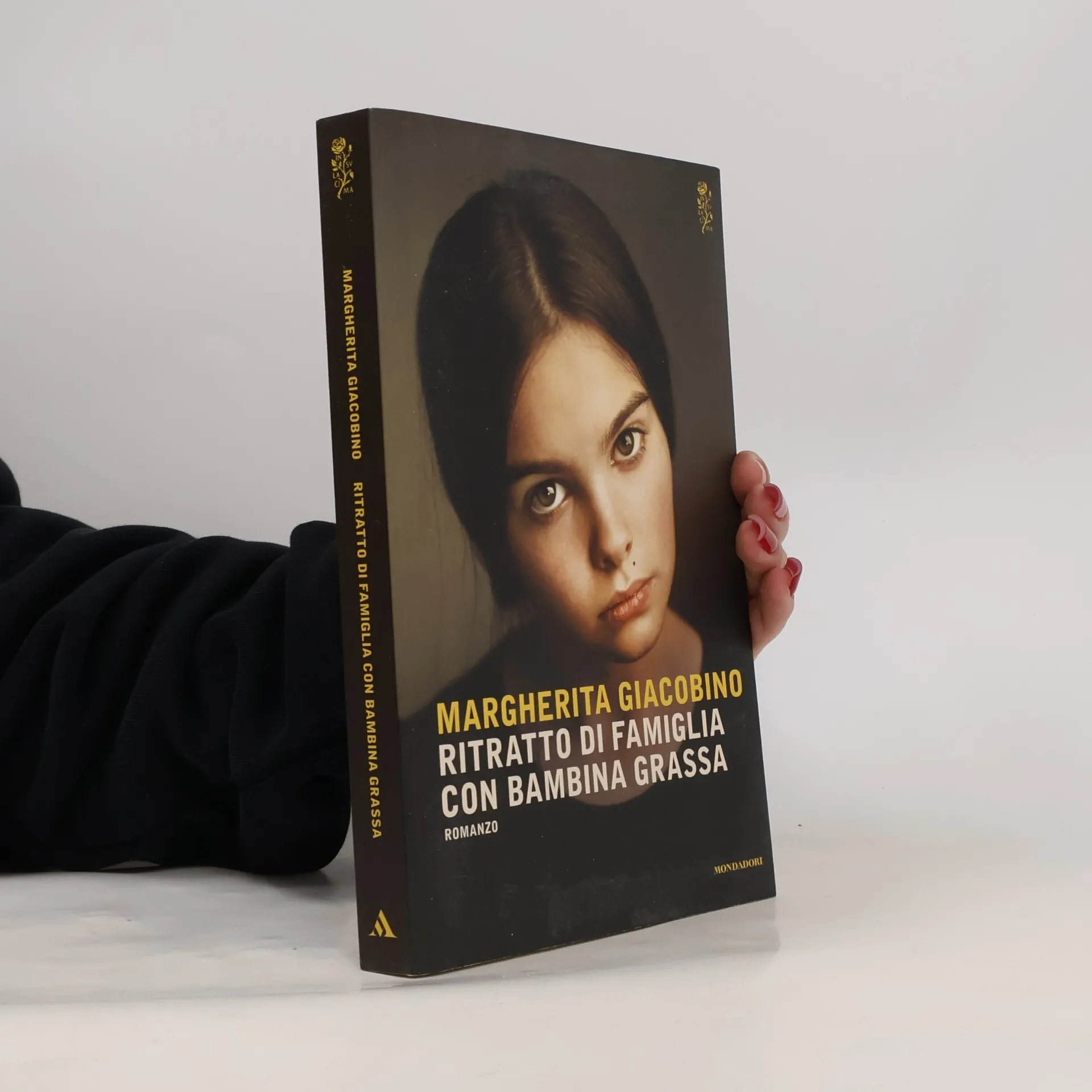
Ritratto di famiglia con bambina grassa
Autorzy
Więcej o książce
Portrait of a Family with a Fat Daughter tells the story of four generations of a peasant family living outside Turin between the late nineteenth century and the boom years of the 1950s, as they clamber out of grinding rural poverty into the sixties world of frozen fish and fridges. The author's grandmother emigrates to California and returns to Italy semi-paralysed after a mishap as she is giving birth. When her father dies the author's eight-year-old mother returns to Italy, to be brought up by a family she does not know, to become Italian again and ultimately to marry a captivating 'man-boy' whose fecklessness is grippingly described, as is his time in a German prison camp in World War 11. She runs a small shop which gradually expands, lifting the family out of the working class; her daughter, Margherita, always a conscientious student, reared by this extended matriarchal family, becomes the writer of this book.
Zakup książki
Ritratto di famiglia con bambina grassa, Margherita Giacobino
- Język

- Rok wydania
- 2015
- Oprawa
- (miękka),
- Stan książki
- Bardzo dobry
- Cena
- 97,79 zł
Metody płatności
Nikt jeszcze nie ocenił.
- Tytuł
- Ritratto di famiglia con bambina grassa
- Język
- włoski
- Autorzy
- Margherita Giacobino
- Wydawca
- Mondadori
- Rok wydania
- 2015
- Oprawa
- miękka
- Liczba stron
- 257
- ISBN10
- 8804650273
- ISBN13
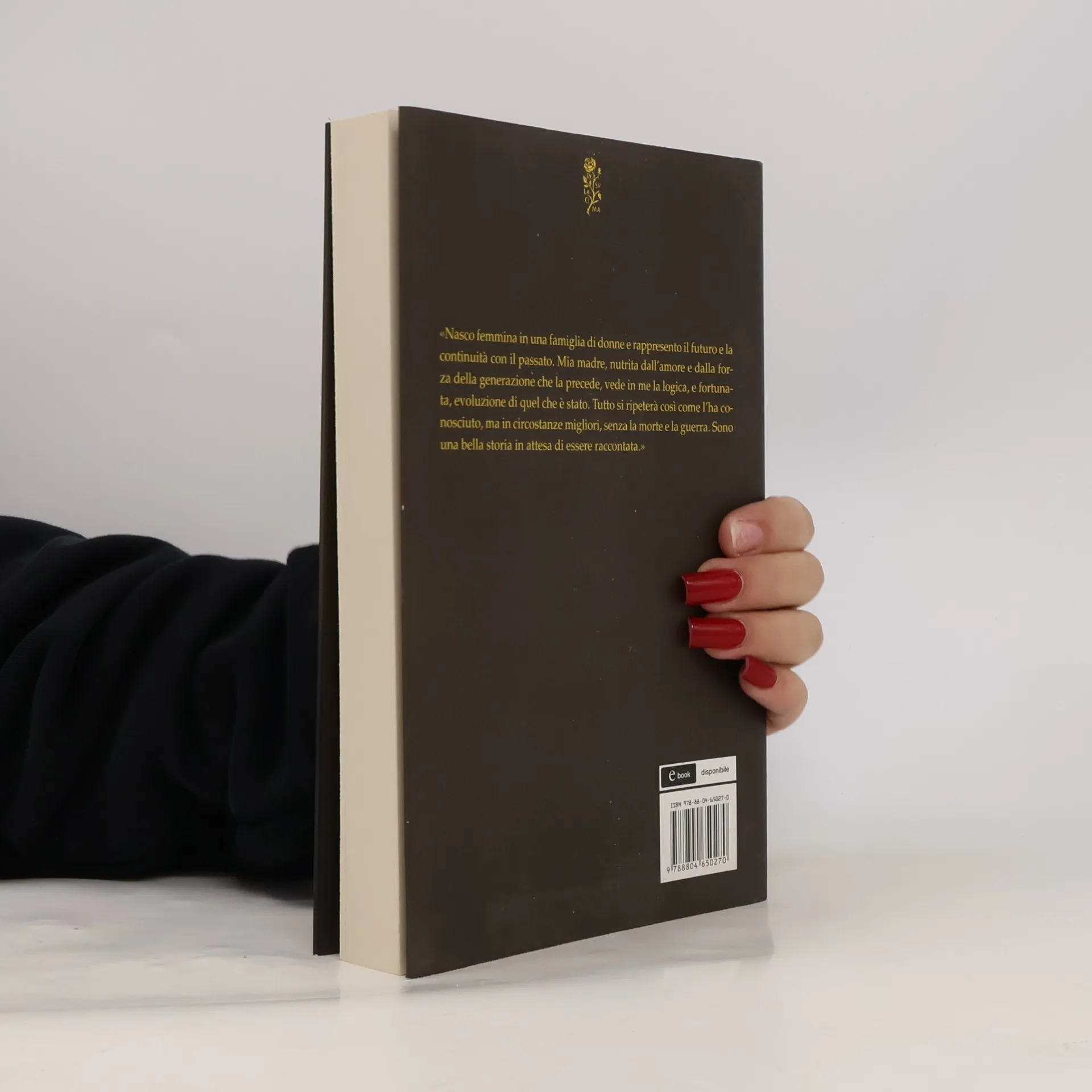
- 9788804650270
- Seria
- Kategorie
- Opis
- Portrait of a Family with a Fat Daughter tells the story of four generations of a peasant family living outside Turin between the late nineteenth century and the boom years of the 1950s, as they clamber out of grinding rural poverty into the sixties world of frozen fish and fridges. The author's grandmother emigrates to California and returns to Italy semi-paralysed after a mishap as she is giving birth. When her father dies the author's eight-year-old mother returns to Italy, to be brought up by a family she does not know, to become Italian again and ultimately to marry a captivating 'man-boy' whose fecklessness is grippingly described, as is his time in a German prison camp in World War 11. She runs a small shop which gradually expands, lifting the family out of the working class; her daughter, Margherita, always a conscientious student, reared by this extended matriarchal family, becomes the writer of this book.