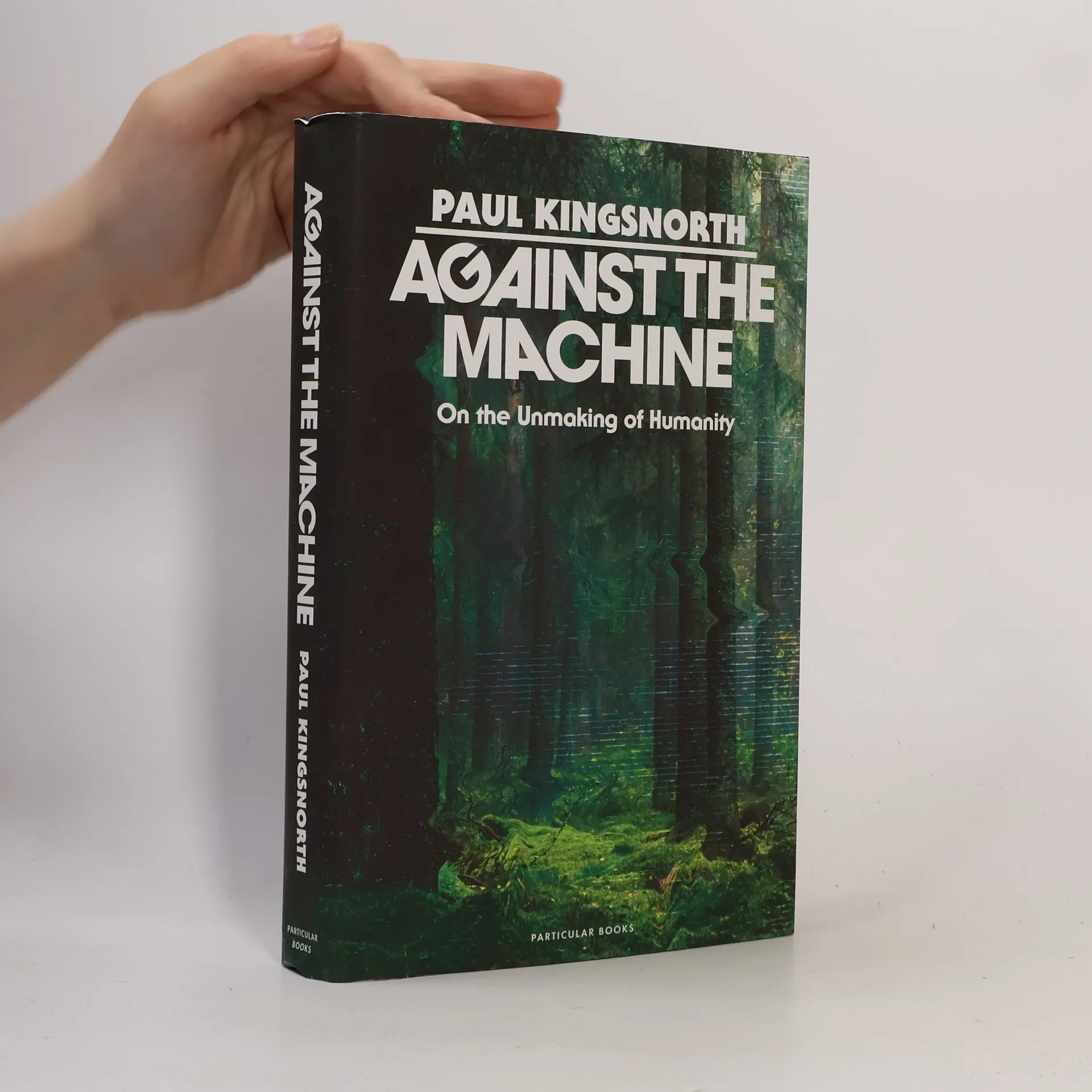
Paul Kingsnorth Kolejność książek (chronologicznie)
1 stycznia 1972




Alexandria
- 416 stron
- 15 godzin czytania
'Like Robert Macfarlane re-written by Cormac McCarthy.' Telegraph'Beckett doing Beowulf.' London Review of Books One thousand years from now, the sole inhabitants of a small island - a group no larger than an extended family - are living in a post-civilised world.
Wyznania otrzeźwiałego ekologa
- 304 strony
- 11 godzin czytania
Autor był niegdyś żarliwym ekologiem. Tymczasem teraz, jak twierdzi, ekologów można spotkać na konferencjach i rautach organizowanych przez wielkie korporacje, piejących hymny ku czci „zrównoważonego rozwoju” i „etycznej konsumpcji”. „Kapitalizm wchłonął Zielonych tak samo jak czyni to z wieloma innymi, które kwestionują jego dominację: radykalne wyzwanie dla machiny ludzkiej przekształciło się w kolejną okazję do zrobienia zakupów”. Kingsnorth przekonuje, że świat jaki znamy zmierza ku końcowi, podczas gdy my chcemy żyć tak jak do tej pory, łudząc się, że wystarczy jedynie odejść od paliw kopalnych czy wspierać „ekorozwój”. Część z nas wybiera drogę zaprzeczania i woli udawać, że tak naprawdę nic się nie dzieje. Zamiast wiary w zbawczą moc technologii, która miałaby nas uchronić od katastrofy otrzymujemy „mroczną ekologię”, a także wezwanie do zrewidowania naszych poglądów na temat równowagi pomiędzy tym, co ludzkie i pozaludzkie.
BEAST
- 168 stron
- 6 godzin czytania
Originally published: London: Faber & Faber, 2016.
The Wake
- 365 stron
- 13 godzin czytania
After his sons are killed at the Battle of Hastings and his family and farm are destroyed by the Norman invaders, Buccmaster leads a group of fighters on a quest of revenge.
Offers a call to arms for those who would identify themselves as "English" against the forces of globalisation. This book reminds us that the quintessentially English institutions may soon cease to exist.
"It could turn out to be the biggest political movement of the twenty-first century: a global coalition of millions, united in resisting an out-of-control global economy, and already building alternatives to it. It emerged in Mexico in 1994, when the Zapatista rebels rose up in defiance of the North American Free Trade Agreement. The West first noticed it in Seattle in 1999, when the WTO was stopped in its tracks by 50,000 protesters. Since then, it has flowered all over the world." "But what exactly is it? To find out, Paul Kingsnorth travelled across five continents to visit some of the movement's epicentres. Along the way, he found a new political idea. Not socialism, not capitalism, not any 'ism' at all, it is united in what it opposes, and deliberately diverse in what it wants instead - a politics of 'one no, many yeses'. This movement may yet change the world. This book tells its story."--BOOK JACKET