



Bookbot

Philip Boehm

    Dziś wolałabym siebie nie spotkać
    The German Comedy
    Hanemann
    Letters to Milena
    A woman in Berlin
    • A woman in Berlin

      • 311 stron
      • 11 godzin czytania

      Between April 20th and June 22nd of 1945 the anonymous author of A Woman in Berlin wrote about life within the falling city as it was sacked by the Russian Army. Fending off the boredom and deprivation of hiding, the author records her experiences, observations and meditations in this stark and vivid diary. Accounts of the bombing, the rapes, the rationing of food and the overwhelming terror of death are rendered in the dispassionate, though determinedly optimistic prose of a woman fighting for survival amidst the horror and inhumanity of war. This diary was first published in America in 1954 in an English translation and in Britain in 1955. A German language edition was published five years later in Geneva and was met with tremendous controversy. In 2003, over forty years later, it was republished in Germany to critical acclaim - and more controversy. This diary has been unavailable since the 1960s and is now newly translated into English. A Woman in Berlin is an astonishing and deeply affecting account.

      A woman in Berlin
      4,3
    • Kafka first made the aquaintance of Milena Jesenska in 1920 when she was translating his early short prose into Czech, and their relationship quickly developed into a deep attachment. Such was his feeliing for her that Kafka showed her his diaries and, in doing so, laid bare his heart and his conscience. Milena, for her part, was passionate and intrepid, cool and intelligent in her decisions but reckless when her emotions were involved. Kafka once described her as living her life 'so intensely down to such depths'. If she did suffer through him, it was part of her great appetite for life. However while at times Milena's 'genius for living' gave Kafka new life, it ultimately exhausted him, and their relationship was to last little over two years. Kafka died in 1944 at the hands of the Nazis - these letters are a moving record of their relationship.

      Letters to Milena
      3,9
    • Hanemann

      • 251 stron
      • 9 godzin czytania

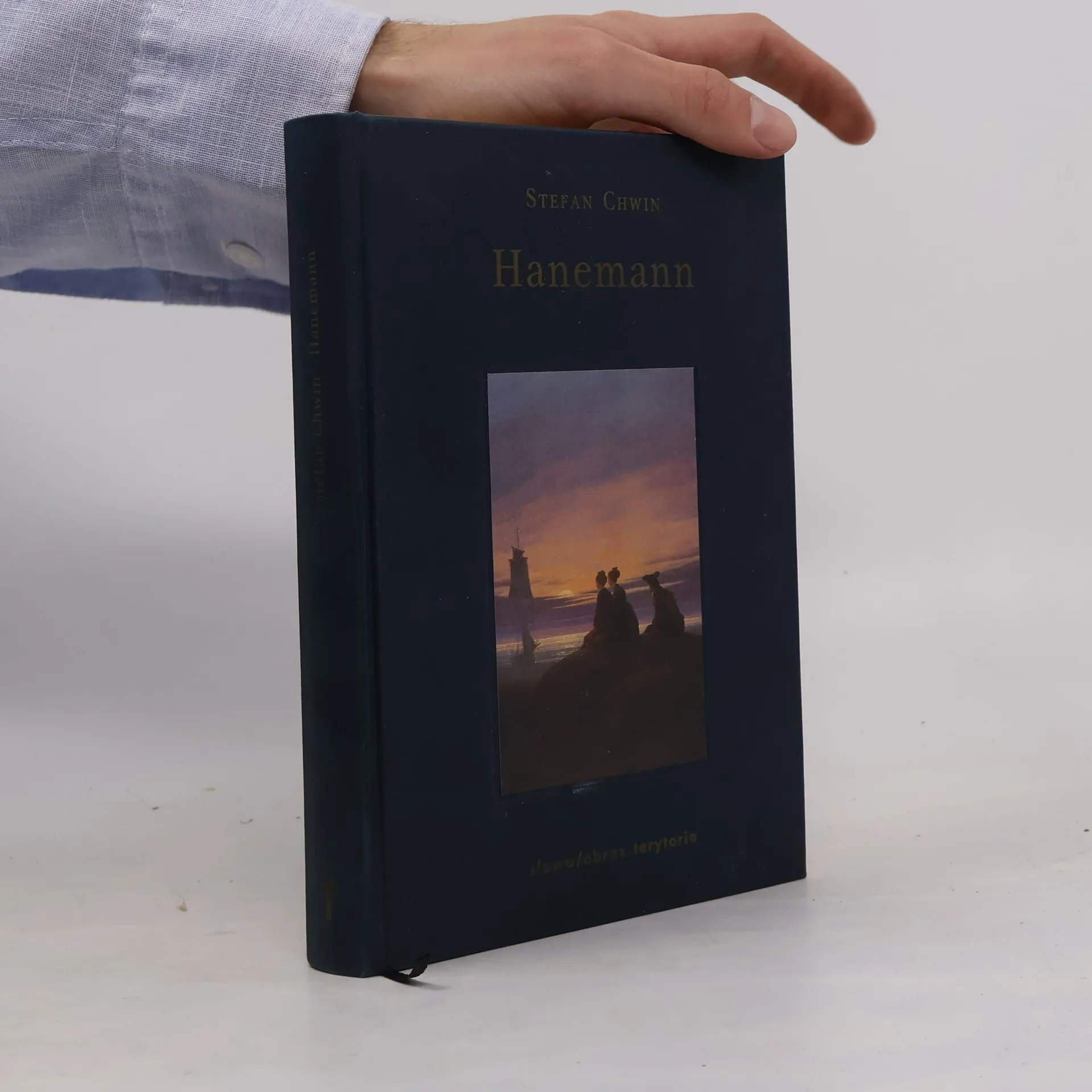
      W Gdańsku, mieście z tysiącletnią historią, zawsze blisko stykały się i często przenikały różne kultury, języki i religie. Chwin odhaluje przede wszystkim stosunkowo niedawną przeszłość i ślady, które pozostawili niemieccy mieszkańcy Wolnego Miasta Gdańska. O jednym z nich, będącym fikcyjną postacią literacką, pisze w swoim najlepiej przyjętym powieści Hanemann. W tym wielowarstwowym dziele autor opowiada historię gdańskiego profesora anatomii, który po śmierci swojej życiowej miłości popada w głęboką depresję, staje się „żywą martwą osobą" bez chęci do życia, instynktu samozachowawczego i odwagi, jednocześnie jednak nie jest w stanie popełnić samobójstwa. Jest świadkiem wielu dramatycznych wydarzeń, w tym zniszczenia Gdańska na końcu drugiej wojny światowej i przejęcia miasta przez polską administrację. Całe to wydarzenie obserwuje bez zainteresowania, jakby go to nie dotyczyło. Z letargii wyrywa go młoda kobieta, która przybyła do miasta ze wschodu byłego przedwojennego Polski. Jest takim samym rozbitkiem, a jej próba samobójcza, której Hanemann zapobiegł, jest przełomowym momentem w jego życiu.

      Hanemann
      3,8
    • The German Comedy

      Scenes of Life After the Wall

      • 211 stron
      • 8 godzin czytania

      A tour of Germany after reunification provides anecdotes of the West German people, an East German baker, Bavarian yodelers, Stalinist functionaries, and Western capitalists

      The German Comedy
      3,7
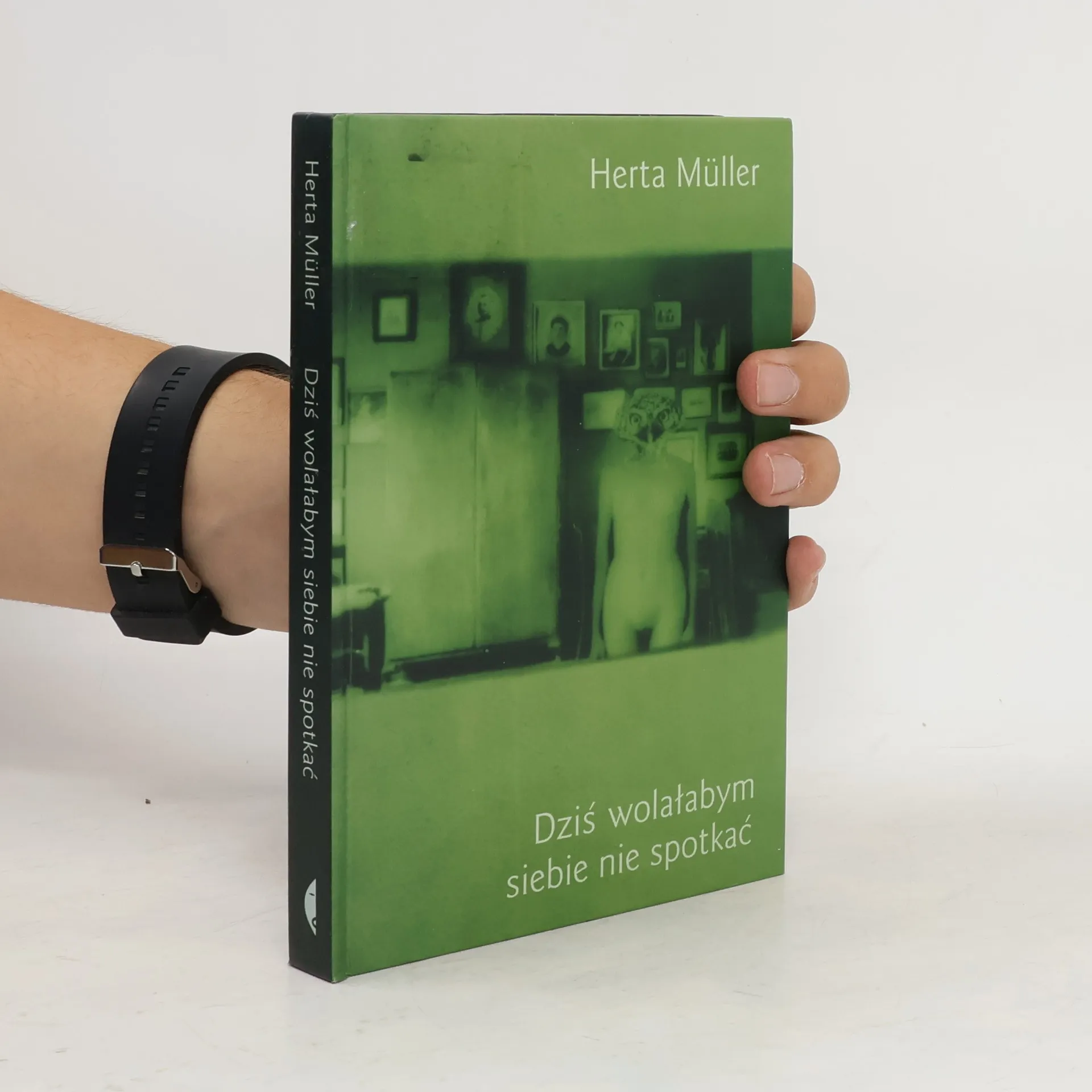
    • „Jestem wezwana.“ Młoda kobieta w wielkim mieście w Rumunii w drodze na przesłuchanie w tajnej służbie. Tę podróż tramwajem odbywała już wiele razy, jednak tym razem, z przeczuciem, spakowała ręcznik, pastę do zębów i szczoteczkę. W trakcie jazdy wspomina swoje życie: dzieciństwo na prowincji, półerotyczną tęsknotę za ojcem, deportację dziadków, sporadyczne szczęście z Paulem, mimo że jego picie staje się ciężarem dla ich miłości. Na zewnątrz: sztywne godziny, przystanki, wsiadający i wysiadający pasażerowie, mijające ulice. To wszystko ma odwracać uwagę, ale wciąż prowadzi do: „Jestem wezwana.” Jednak tego dnia kierowca nie zatrzymuje się na przystanku, na którym powinna wysiąść, i po raz pierwszy postanawia nie iść na przesłuchanie.

      Dziś wolałabym siebie nie spotkać
      3,4