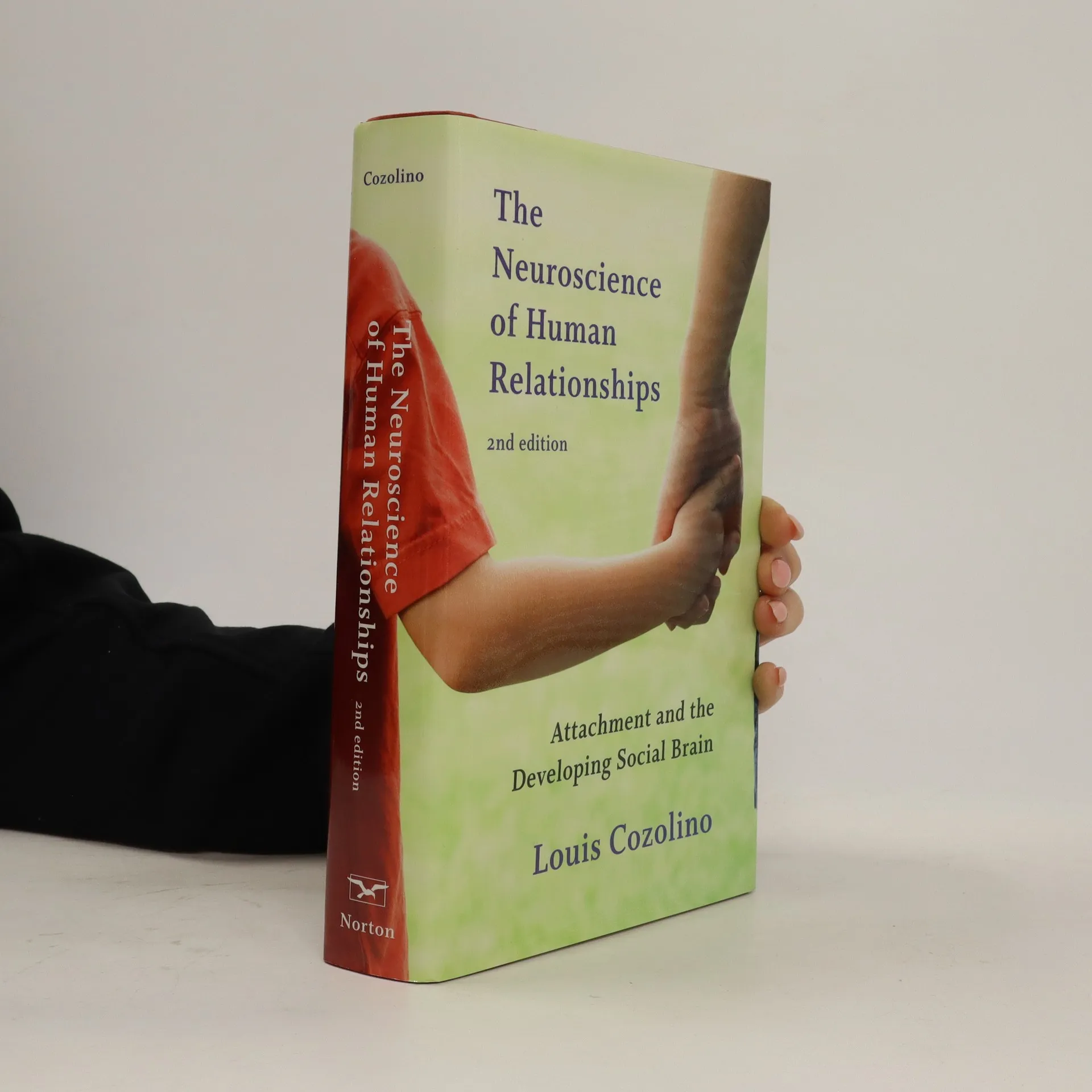
An exploration of human relationships as understood through basic concepts of interpersonal neurobiology, this revised edition reflects the wealth of social neuroscience research just out, including how mirror neurons, the polyvagal theory, and epigenetics affect the architecture and development of brain systems and, in turn, how we interact with others.
"Louis Cozolino provides a look inside the mind and heart of an experienced therapist as he reflects upon the early stages of his career. In addition, The Making of a Therapist contains the practical advice, common-sense wisdom, and self-disclosure that practicing professionals have found to be most helpful during their own training."--BOOK JACKET.
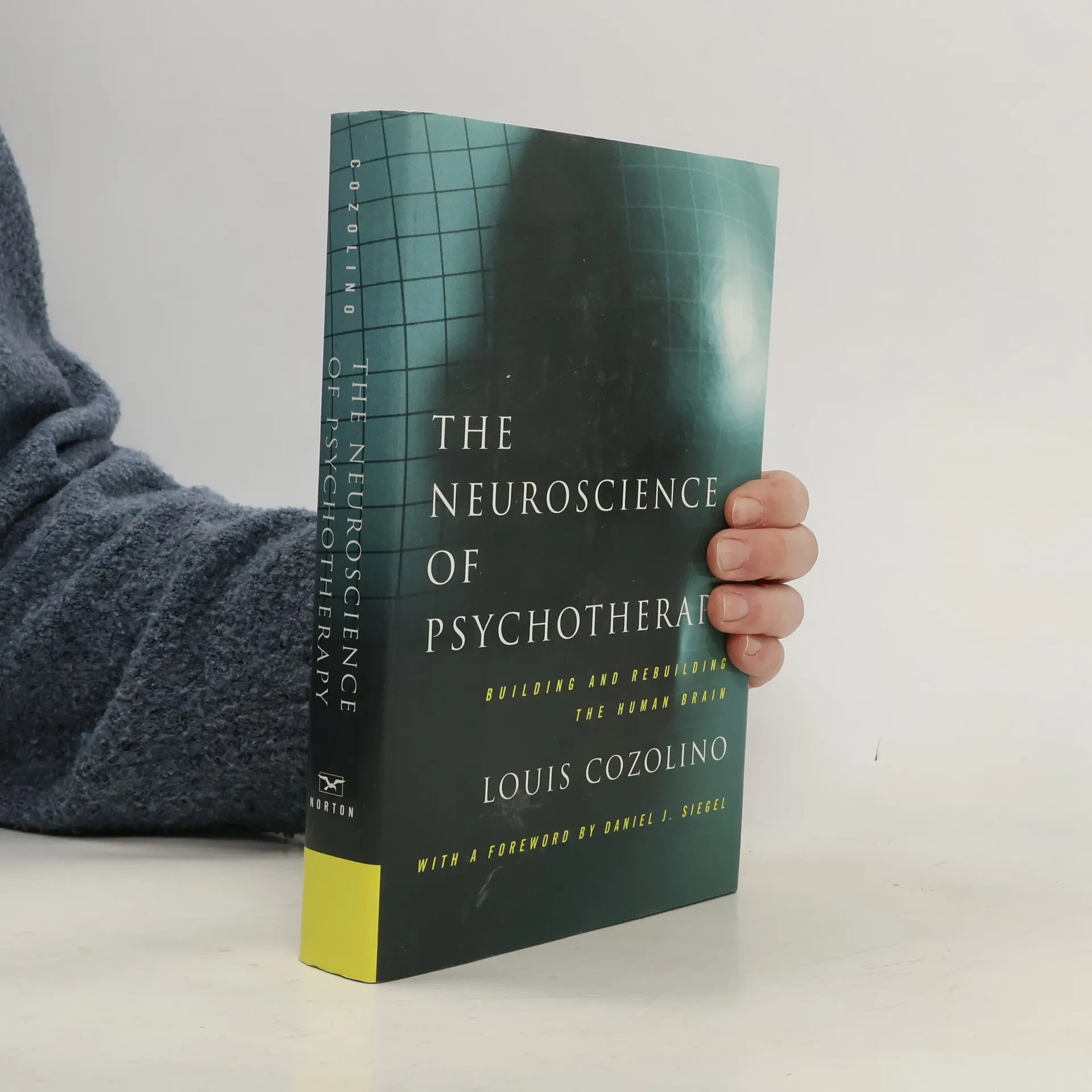
For psychotherapists and others interested in the relationship between the brain and behaviour. This text discusses different forms of psychotherapy that are now being supported by findings in neuroscience to be successful in the degree to which they enhance plasticity in relevant neural circuits.
Recent advancements in brain imaging have shown that the brain is continuously shaped by experience. Many psychotherapies, originally developed without scientific insight, are now backed by neuroscientific findings, highlighting the importance of understanding neuroscience for effective psychotherapy. Louis Cozolino's work provides an accessible synthesis of how brain architecture relates to human problems, passions, and aspirations. It argues that the success of all psychotherapeutic approaches, from psychoanalysis to behavioral methods, hinges on their ability to foster change in relevant neural circuits. The book begins with an overview of neuroscience and psychotherapy, exploring the brain's structure, from basic neuronal components to complex memory and language systems. It discusses the development of both healthy and unhealthy brains, addressing common issues like anxiety, trauma, and codependency from scientific and clinical perspectives. The science of the brain is connected to everyday experiences and clinical practice, making it relevant for psychotherapists and those interested in the brain-behavior relationship. This updated edition incorporates significant neuroscientific developments since the first edition, making it essential reading for practitioners in the field.
Was braucht es, um erfolgreich therapeutisch zu arbeiten? In klaren Worten und erfrischend direkt gewährt Louis Cozolino einzigartige Einblicke in den Geist und das Herz eines erfolgreichen Therapeuten. Er thematisiert wesentliche Fragen der täglichen Praxis und scheut sich nicht vor den Fallstricken, die das Leben für Therapeuten bereithält. Muss ich selbst vollständig gesund sein, um andere heilen zu können? Was tun, wenn ich mit einem Problem konfrontiert werde, das ich nicht bewältigen kann? Wie gehe ich mit Schwierigkeiten um, meinem Klienten zuzuhören? Was ist zu tun, wenn ein Klient mir Angst einflößt? Cozolino behandelt komplexe Themen wie Gegenübertragung und Selbstachtung und zeigt auf, wie Therapeuten vermeiden können, zu Helfern zu werden. Mit Empathie und einem feinen Sinn für Humor offenbart er die Dimensionen der Selbst-Bewusstheit als Schlüssel erfolgreicher therapeutischer Praxis. Obwohl emotionale Reife und innere Zentriertheit des Therapeuten entscheidend für den Therapieerfolg sind, finden diese Qualitäten in der Ausbildung oft nicht den nötigen Platz. Cozolinos Werk begegnet diesem Trend und geht auf die zentralen Herausforderungen ein, denen sich Therapeuten in ihrer Arbeit mit Klienten stellen müssen.