Kishore Mahbubani Kolejność książek (chronologicznie)
24 października 1948



The Asian 21st Century
- 280 stron
- 10 godzin czytania
Kishore Mahbubani's essays delve into the complexities of Western and Asian relations amid growing global interdependence and heightened geopolitical rivalry. The book examines the unique challenges and dilemmas each region faces, offering insights into their interactions and the broader implications for international dynamics. Through thoughtful analysis, Mahbubani encourages readers to consider the future of global cooperation and competition in a rapidly changing world.

Has China Won?
- 312 stron
- 11 godzin czytania
A leading global public intellectual explains how, while America became arrogant and distracted, a three-thousand-year-old civilization is well on the way to becoming the number one power in the world.
Kishore Mahbubani might well be the most intelligent, friendly and doggedly persistent critic of the West. In this brief book, he delivers some of his trademark analysis and pungent observations. We should all think of it as the cold shower that is urgently needed to revive the West Fareed Zakaria, author of 'The Post-American World'
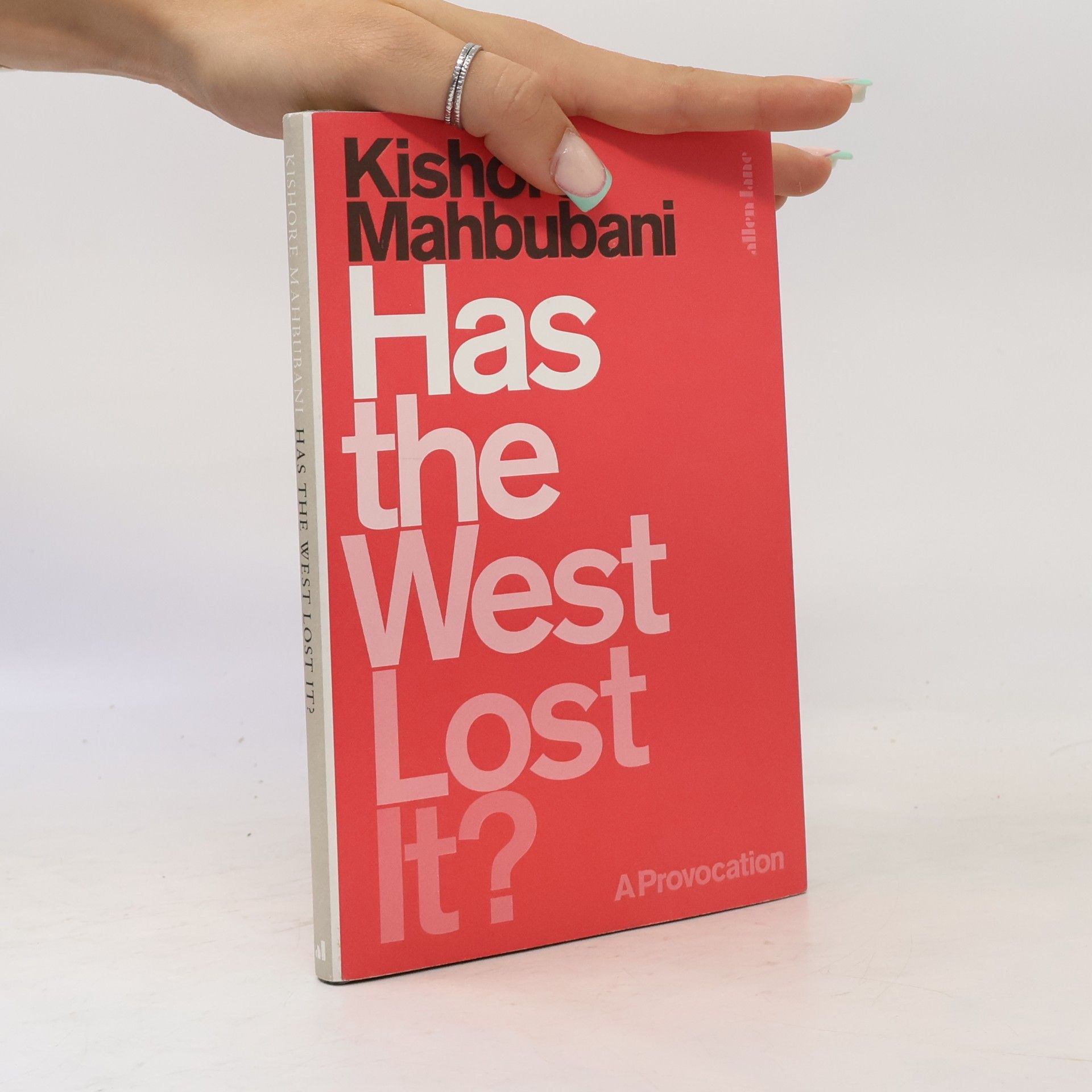
The ASEAN Miracle
- 264 strony
- 10 godzin czytania
The Association of Southeast Asian Nations is a miracle. Why? In an era of growing cultural pessimism, many thoughtful individuals believe that different civilisations cannot live together in peace. The ten countries of ASEAN provide a thriving counter-example of civilizational co-existence. Here 625m people live together in peace. This miracle was delivered by ASEAN.

An influential policy thinker and "muse of the Asian Century" ("Foreign Policy") illuminates the contours of our new global civilization, and shows why power must shift to reflect the new reality.

Ullstein Sachbuch: Impulse 2010
Gedanken zu Politik, Kultur und Wissenschaft
- 223 strony
- 8 godzin czytania

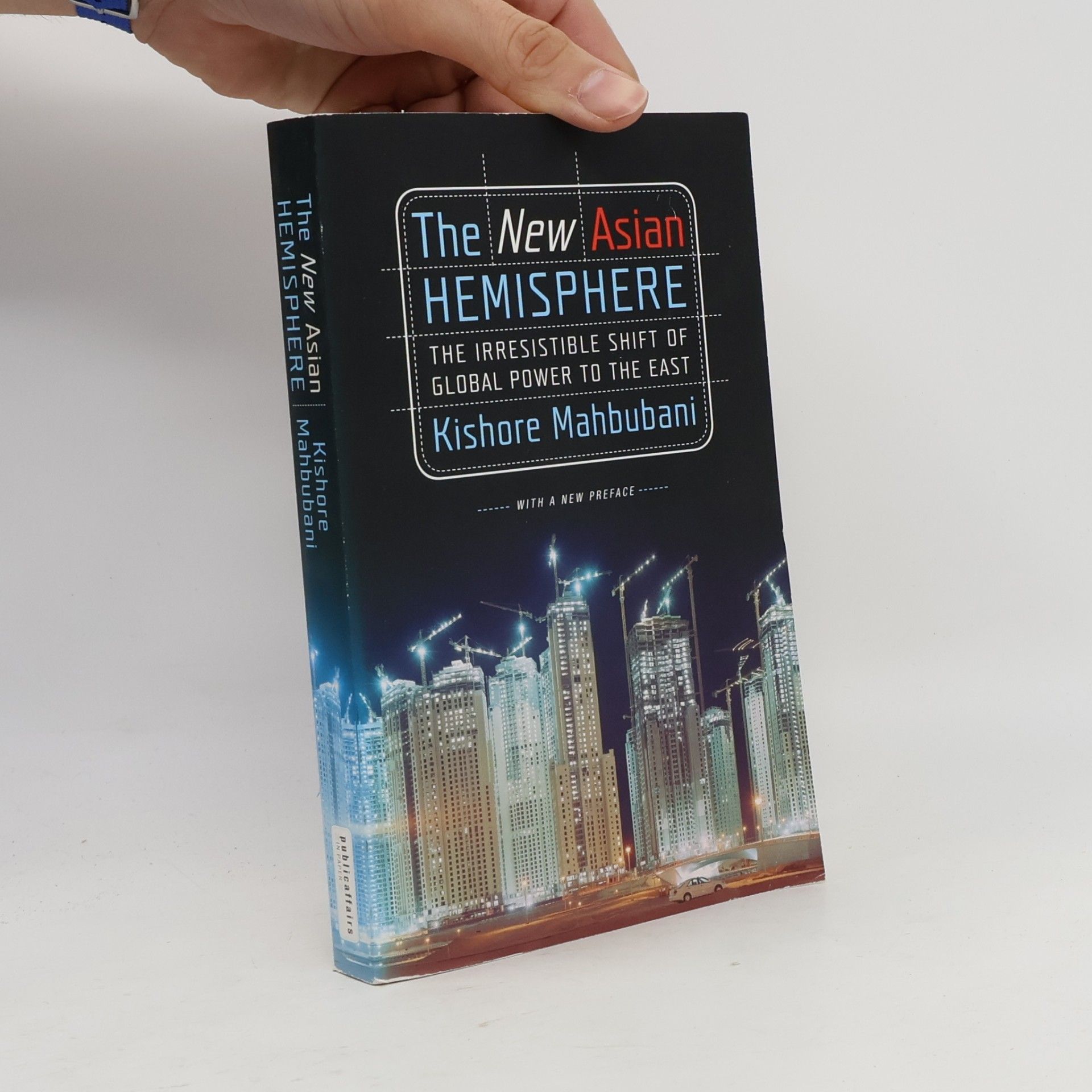
The New Asian Hemisphere
The Irresistible Shift of Global Power to the East
- 336 stron
- 12 godzin czytania
Tells what may be on the agenda as Western domination ends and the Asian renaissance impacts world politics, markets and history.
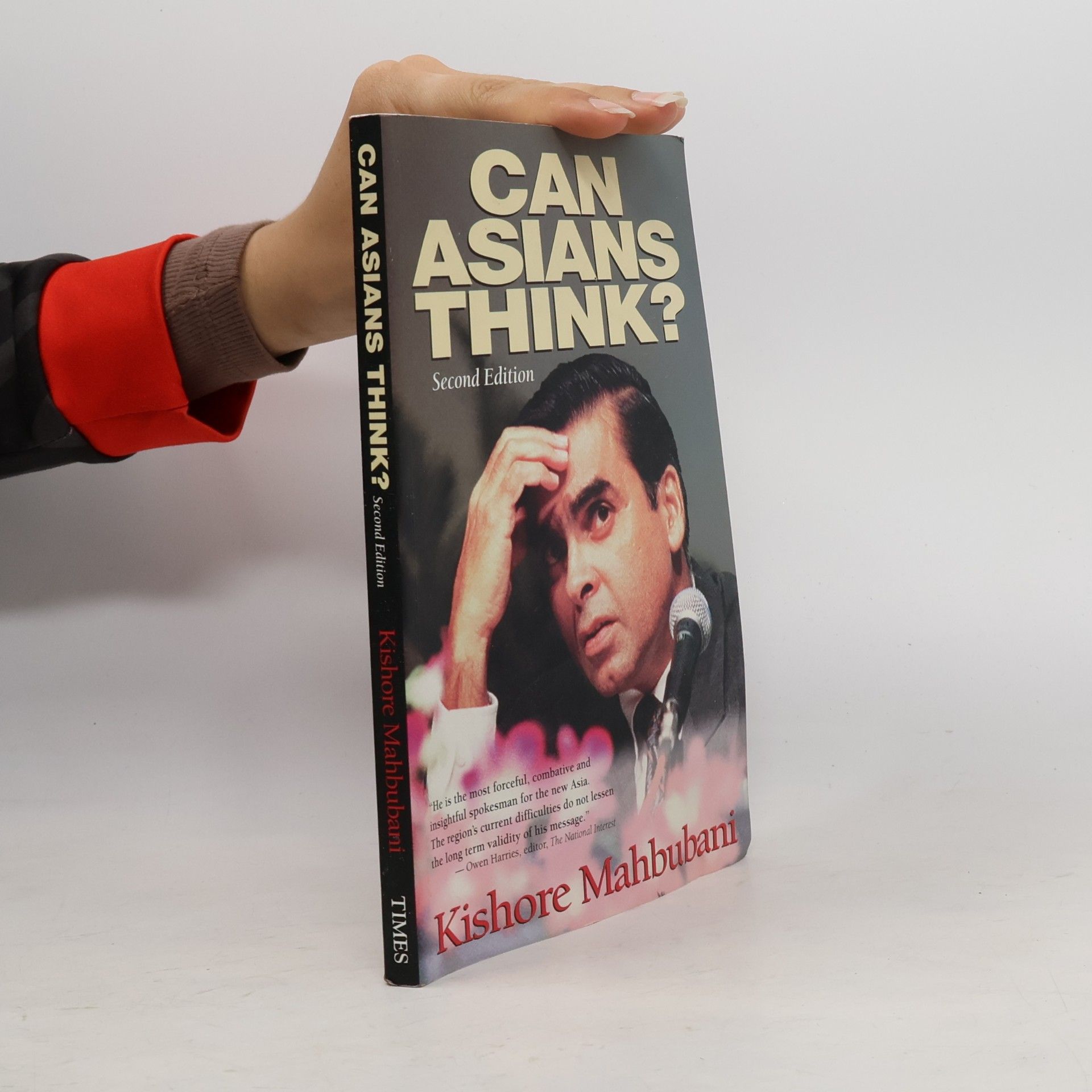
Contrary to the prevailing view in the West that the 500-year dominance of Western civilization points to it being the only universal civilization, Can Asians Think? argues that other civilizations may yet make equal contributions to the development and growth of mankind. Mahbubani continues to illuminate his central arguments with new essays.