Bookbot

Peter Nisbet

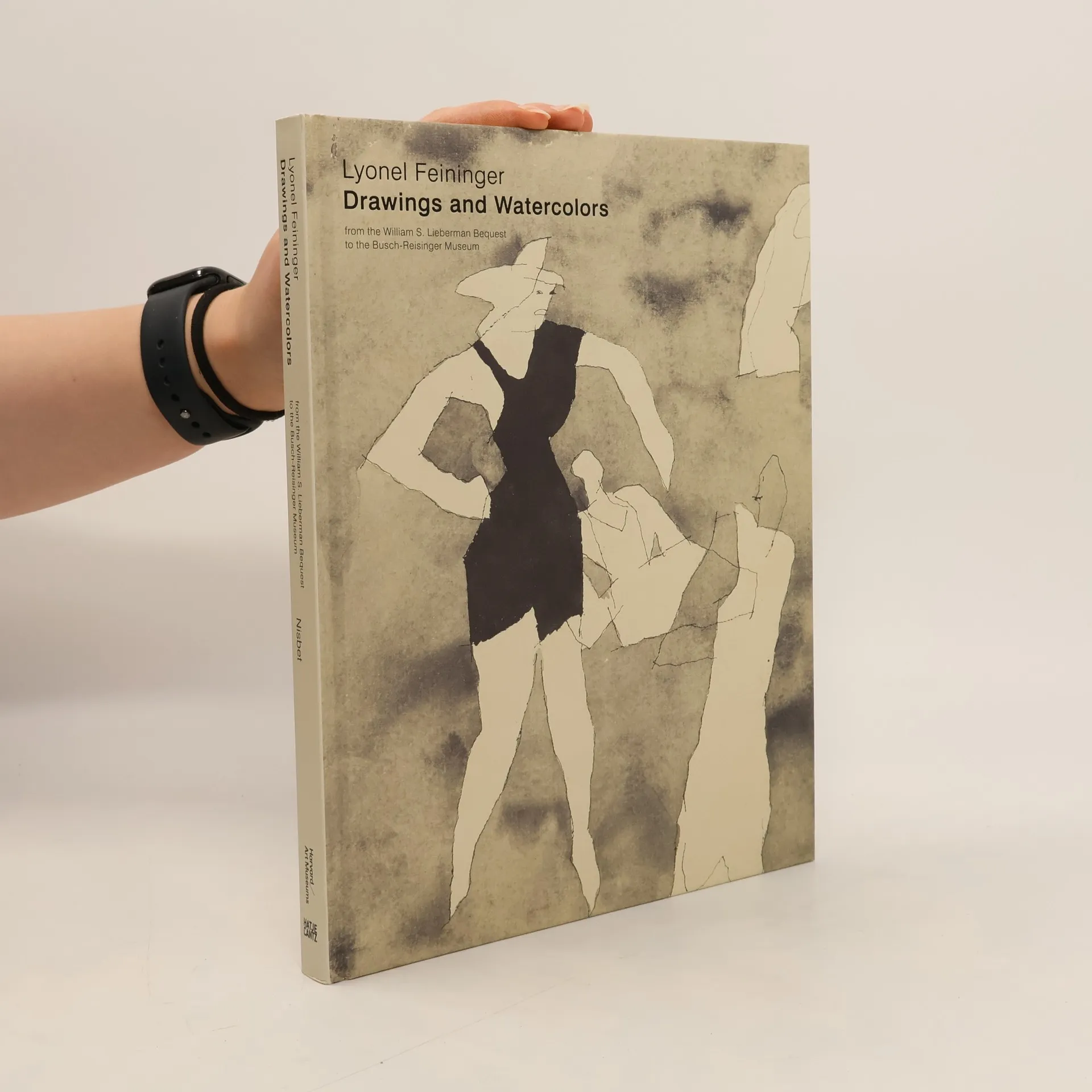
    Lyonel Feininger, Zeichnungen und Aquarelle
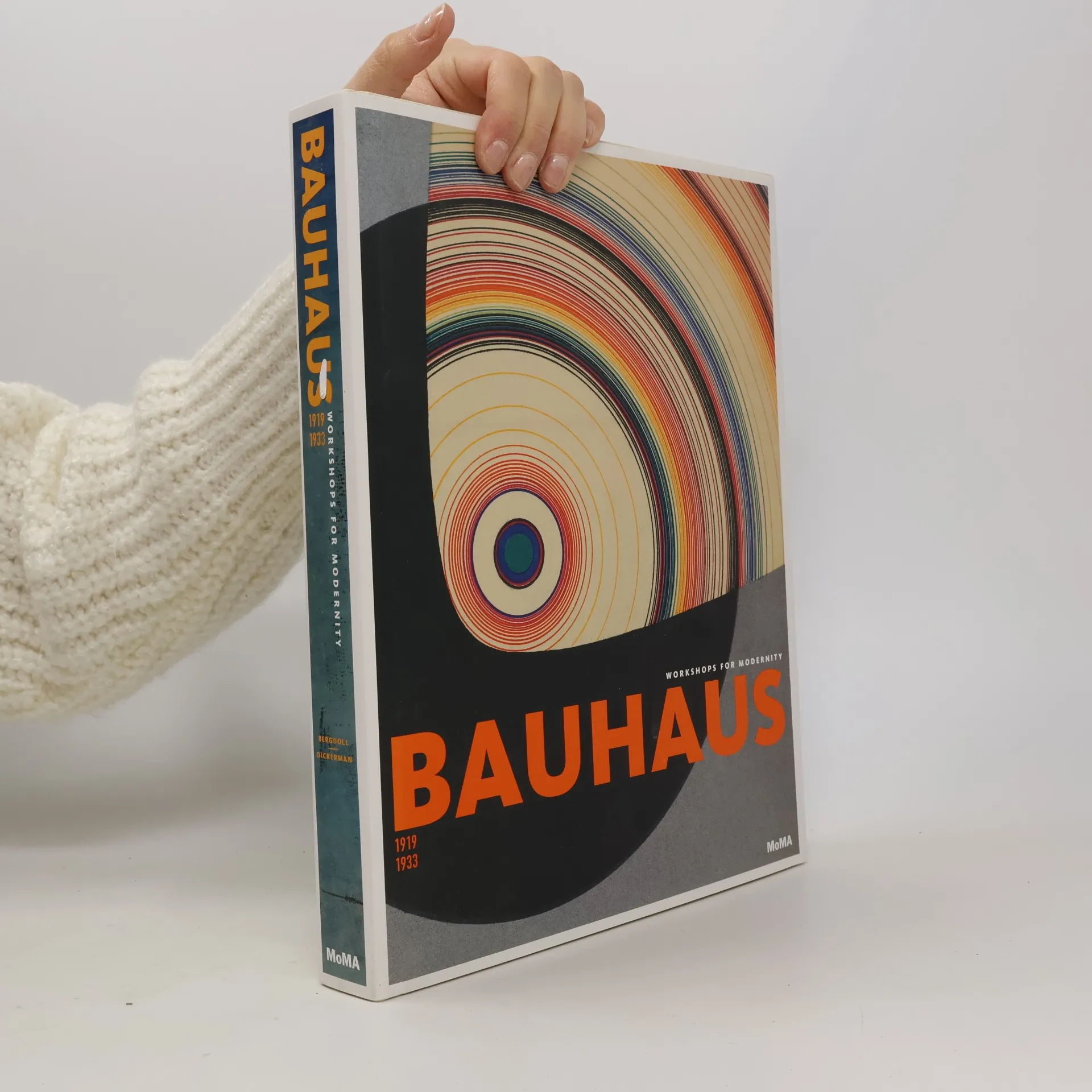
    Bauhaus 1919-1933
    Lyonel Feininger, drawings and watercolors
    • Das Busch-Reisinger Museum in Cambridge, Massachusetts, Teil der Harvard Art Museums, erhielt kürzlich im Rahmen einer Schenkung mehr als 400 Zeichnungen und Aquarelle des deutsch-amerikanischen Künstlers Lyonel Feininger (1871-1956). Aus dem Nachlass des Kurators und Sammlers William S. Lieberman stammend, ergänzen sie den bedeutenden Bestand an Arbeiten des Künstlers in diesem Museum, das zugleich Sitz des Lyonel Feininger Archivs ist. Wie Peter Nisbet in seinem Essay aufzeigt, war Lieberman beim Ankauf offensichtlich besonders empfänglich dafür, auf welche Weise viele von Lyonel Feiningers Zeichnungen intime Einblicke in seine persönliche und kreative Entwicklung gewähren und so den Rezeptionsrahmen der größeren, 'öffentlichen' Gemälde erweitern. Nisbet gewährt Einblick in die Rezeption Feiningers in den Vereinigten Staaten nach dessen Rückkehr aus Deutschland 1937 und eröffnet in den einzelnen Werkbeschreibungen Wege zu einer fruchtbareren Bewertung seines OEuvre. (Englische Ausgabe ISBN 978-3-7757-2787-7) Ausstellung: Kupferstichkabinett, Staatliche Museen zu Berlin 26.2.-15.3.2011 Pinakothek der Moderne, München 2.6.-17.7.2011 Harvard Art Museums, Cambridge Massachusetts 30.3.-2.6.2012

      Lyonel Feininger, Zeichnungen und Aquarelle2011
    • The German-American artist, photographer, illustrator and teacher Lyonel Feininger (1871-1956) was one of the modernist era's true world citizens, allied with the Berlin Secession, Die Brücke, the Blaue Reiter and the Bauhaus. The Busch-Reisinger Museum, home to the Lyonel Feininger Archive, recently received a bequest of more than 400 Feininger drawings and watercolors from the estate of curator and collector William S. Lieberman, most of which have never before been published. Lieberman appears to have made a point of acquiring Feininger's more intimate and personal works (as opposed to, say, the murals for which he is so well known), and such works constitute the bulk of this volume. Essayist Peter Nisbet provides entries on individual works, offers perspective on Feininger's reception in the United States in the decades after his return from Germany in 1937 and suggests directions for an overdue reassessment of his oeuvre.

      Lyonel Feininger, drawings and watercolors2011
      4,2
    • Bauhaus 1919-1933

      Workshops for Modernity

      • 328 stron
      • 12 godzin czytania

      The Bauhaus, the school of art and design founded in Germany in 1919 and shut down by the Nazis in 1933, brought together artists, architects and designers--among them Anni and Josef Albers, Herbert Bayer, Marcel Breuer, Lyonel Feininger, Walter Gropius, Johannes Itten, Vasily Kandinsky, Paul Klee, László Moholy-Nagy, Lilly Reich, Oskar Schlemmer, Gunta Stölzl--in an extraordinary conversation on the nature of art in the industrial age. Aiming to rethink the form of modern life, the Bauhaus became the site of a dazzling array of experiments in the visual arts that have profoundly shaped the world today. Bauhaus 1919-1933: Workshops for Modernity , published to accompany a major multimedia exhibition, is The Museum of Modern Art's first comprehensive treatment of the subject since its famous Bauhaus exhibition of 1938, and offers a new generational perspective on the twentieth century's most influential experiment in artistic education. Organized in collaboration with the three major Bauhaus collections in Germany (the Bauhaus-Archiv Berlin, the Stiftung Bauhaus Dessau and the Klassic Stiftung Weimar), Bauhaus 1919-1933 examines the extraordinarily broad spectrum of the school's products, including industrial design, furniture, architecture, graphics, photography, textiles, ceramics, theater and costume design, painting and sculpture. Many of the objects discussed and illustrated here have rarely if ever been seen or published outside Germany. Featuring approximately 400 color plates, richly complemented by documentary images, Bauhaus 1919-1933 includes two overarching essays by the exhibition's curators, Barry Bergdoll and Leah Dickerman, that present new perspectives on the Bauhaus. Shorter essays by more than 20 leading scholars apply contemporary viewpoints to 30 key Bauhaus objects, and an illustrated narrative chronology provides a dynamic glimpse of the Bauhaus' lived history.

      Bauhaus 1919-19332009