Nauka jest wspaniała.Opowiada nam o nieskończonym kosmosie, mikroskopijnych organizmach, ludzkim ciele i dziejach naszej planety. Zawsze zajmowała się sensem świata i okiełznaniem jego potęgi. Mężczyźni i kobiety - począwszy od starożytnych greckich filozof�w, przez Einsteina i Watsona z Crickiem, po wsp�łczesnych naukowc�w wspomaganych przez komputery - zastanawiali się, badali, eksperymentowali, obliczali, a czasami dokonywali tak wstrząsających odkryć, że ludzie zaczynali rozumieć świat - albo siebie samych - w całkiem nowy spos�b.Ta ciekawa książka opowiada pasjonującą przygodę - historię nauki. Zabiera czytelnik�w do gwiazd oglądanych przez teleskop, gdy Słońce zastąpiło Ziemię w centrum wszechświata.
William Bynum Książki
1 stycznia 1943

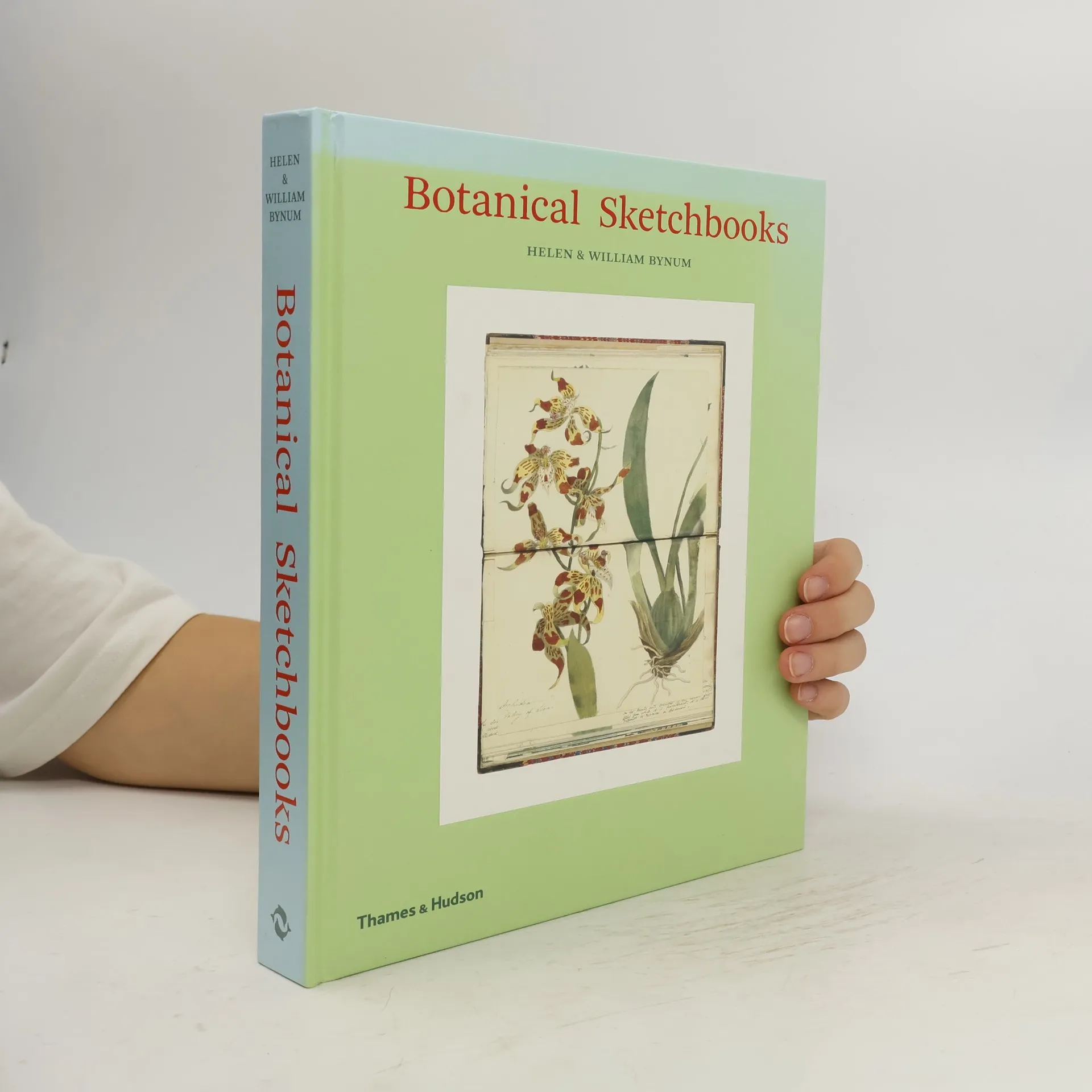
Botanical Sketchbook
- 296 stron
- 11 godzin czytania
Illuminates a range of intriguing characters, from many different countries and cultures, including Germany, France, Italy, America, Australia, Japan and China.
Great Discoveries in Medicine
- 304 strony
- 11 godzin czytania
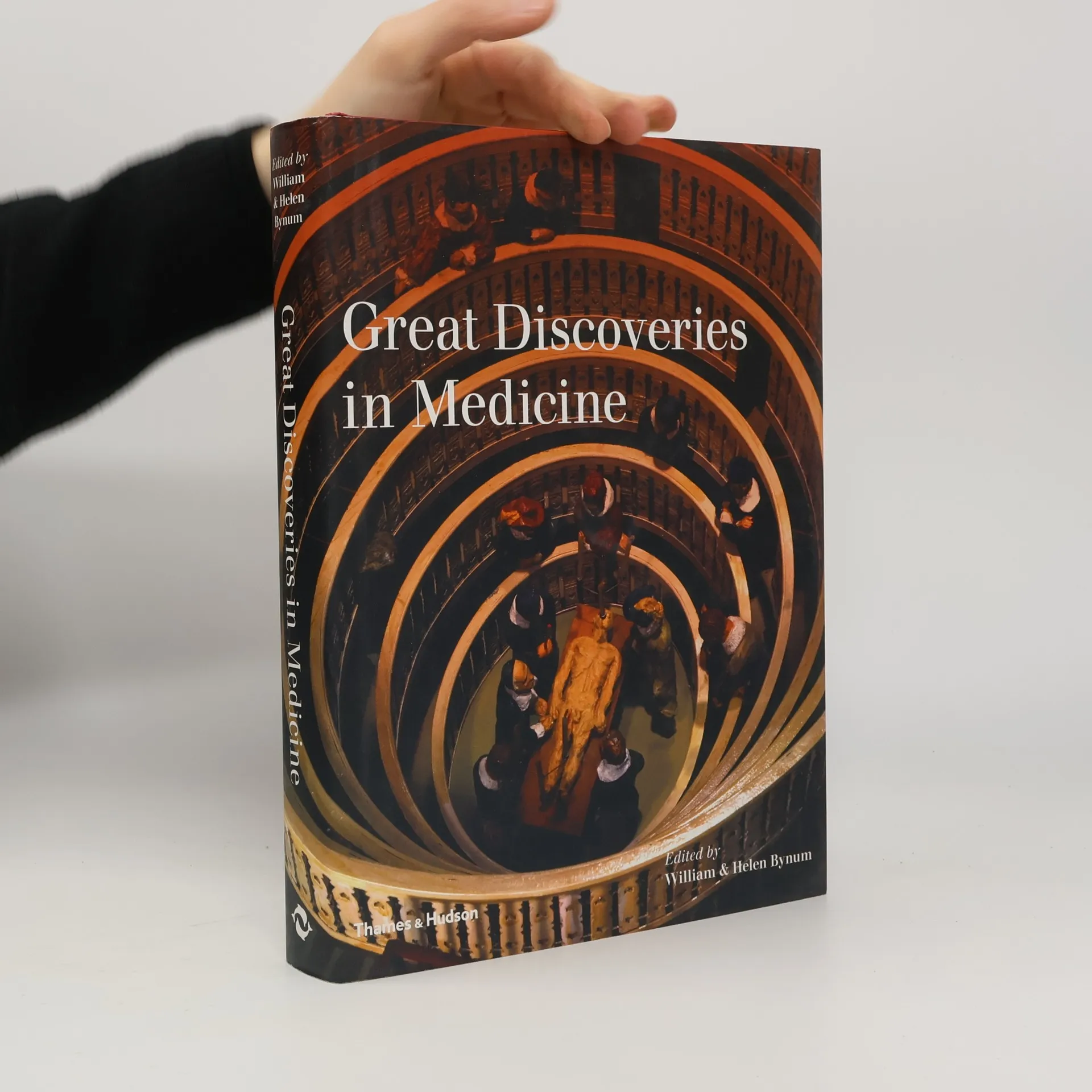
Provides an account of the evolution of medical knowledge and practice from ancient Egypt, India and China to todays technology, from letting blood to keyhole surgery, from the theory of humours to the genetic revolution.
Oxford Paperback Reference: Oxford Dictionary of Scientific Quotations
- 736 stron
- 26 godzin czytania
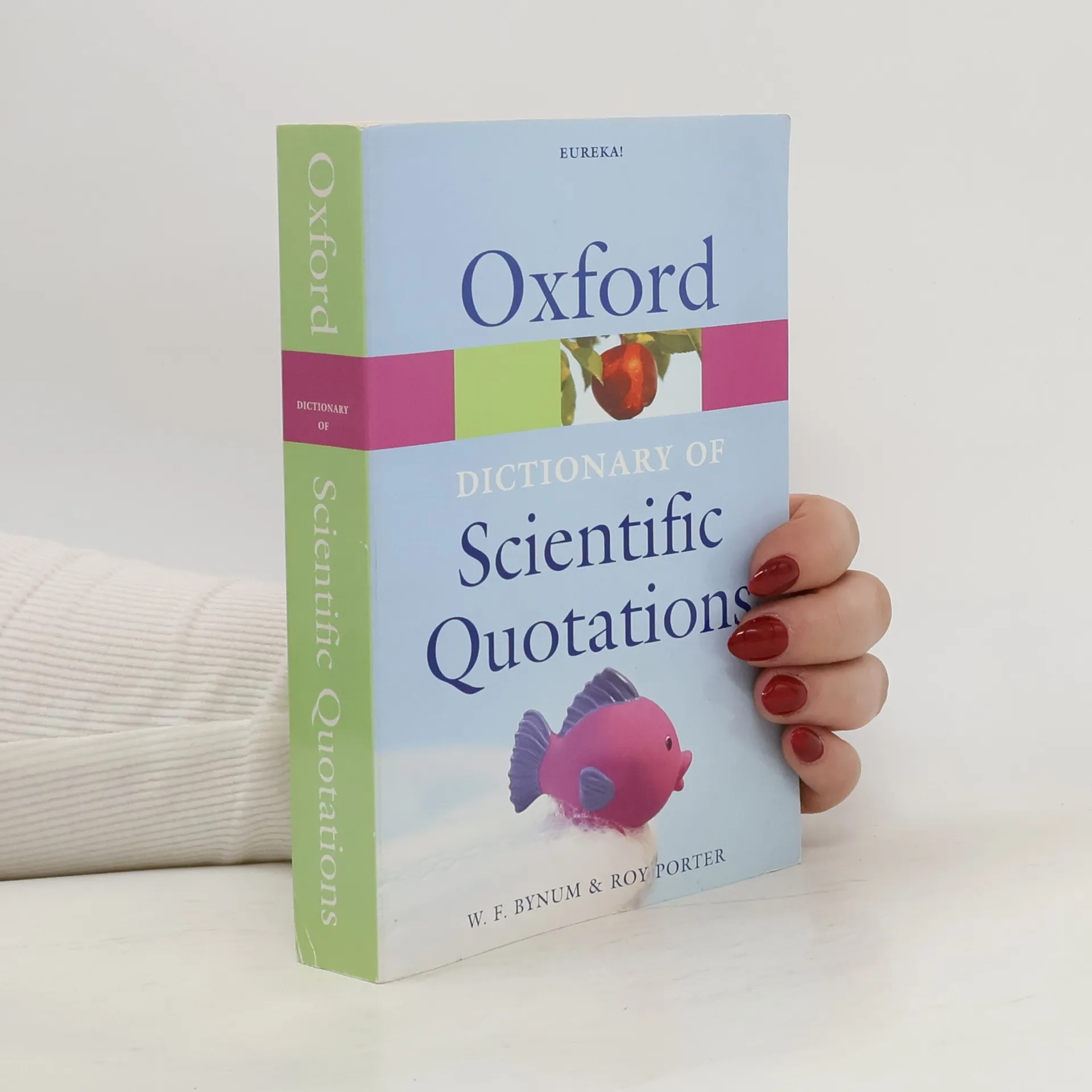
The original words announcing great scientific discoveries, from the first 'Eureka!' to the cloning of Dolly the sheep, can all be found in this fascinating addition to the world-famous Oxford Quotations series. An essential reference tool, put together over fifteen years with the assistanceof a distinguished team of specialist advisers, it includes full author descriptions, exact sources, and a word-finding index for easy reference. Scholarly but accessible, it also presents the human face of science, as scientists reflect on achievements and failures in their own lives and those ofothers. For example, you've probably already hear Darwin's own thoughts on natural selection, but how about his assessment of the pros and cons of marriage?From Archimedes to Einstein and beyond, the Oxford Dictionary of Scientific Quotations charts the progress of the great ideas of science. It is an engaging and surprising read for all lovers of science, history, or wit.
This Very Short Introduction explores the history of Western medicine, examining the key turning points, discoveries, and controversies in its rich history from classical times to the present.
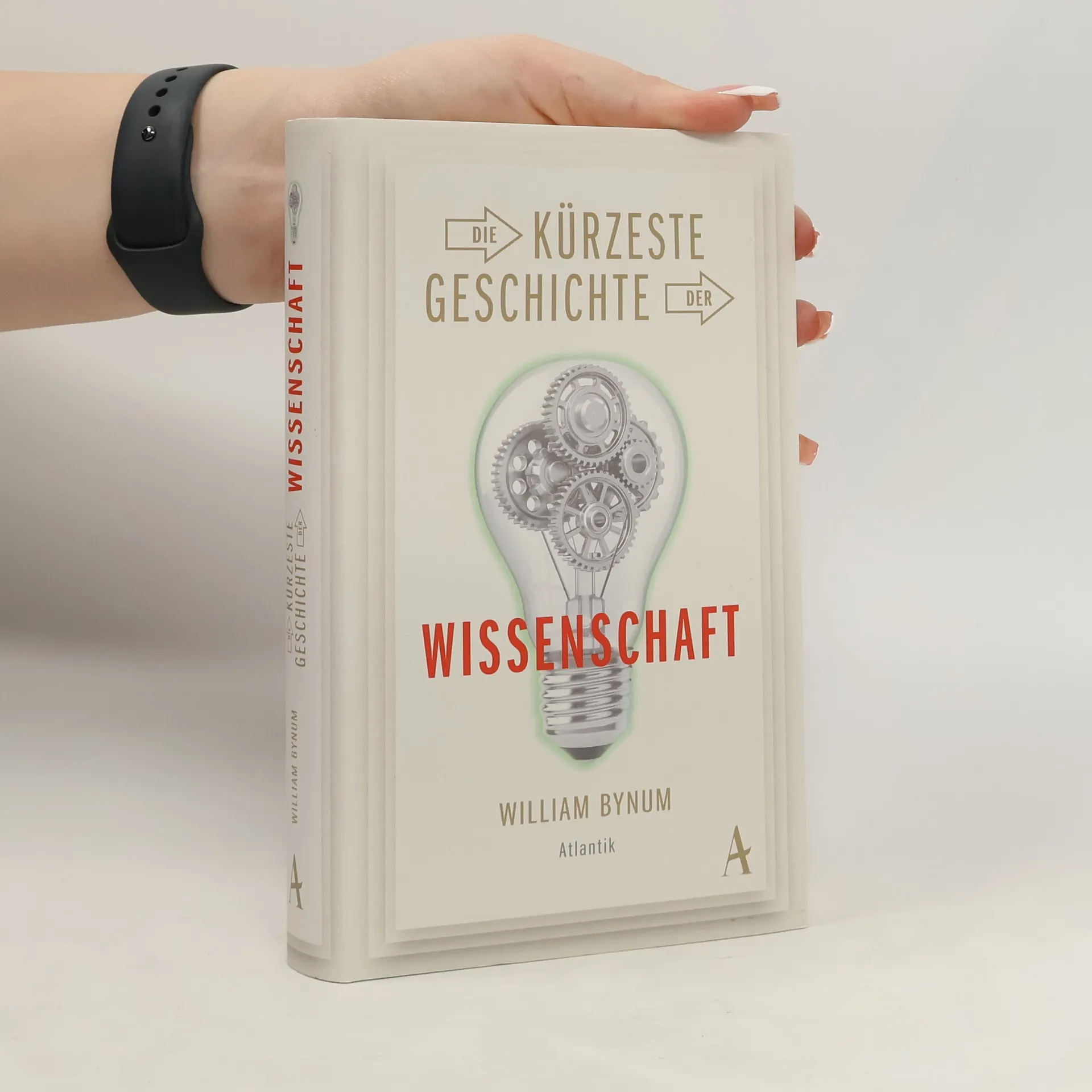
Von den alten Babyloniern zum World Wide WebWer fand heraus, dass der Mittelpunkt der Erde nicht gleichzeitig der Mittelpunkt des Universums ist? Wie kommt es, dass ein Pfeil umso weiter fliegt, je stärker man den Bogen spannt? Welche Kräfte walten bei einem Gewitter? Seit Tausenden von Jahren suchen die Menschen nach Erklärungen für das, was sie um sich herum wahrnehmen. In vierzig Kapiteln erzählt William Bynum anschaulich, spannend und anekdotenreich vom Abenteuer Wissenschaft.
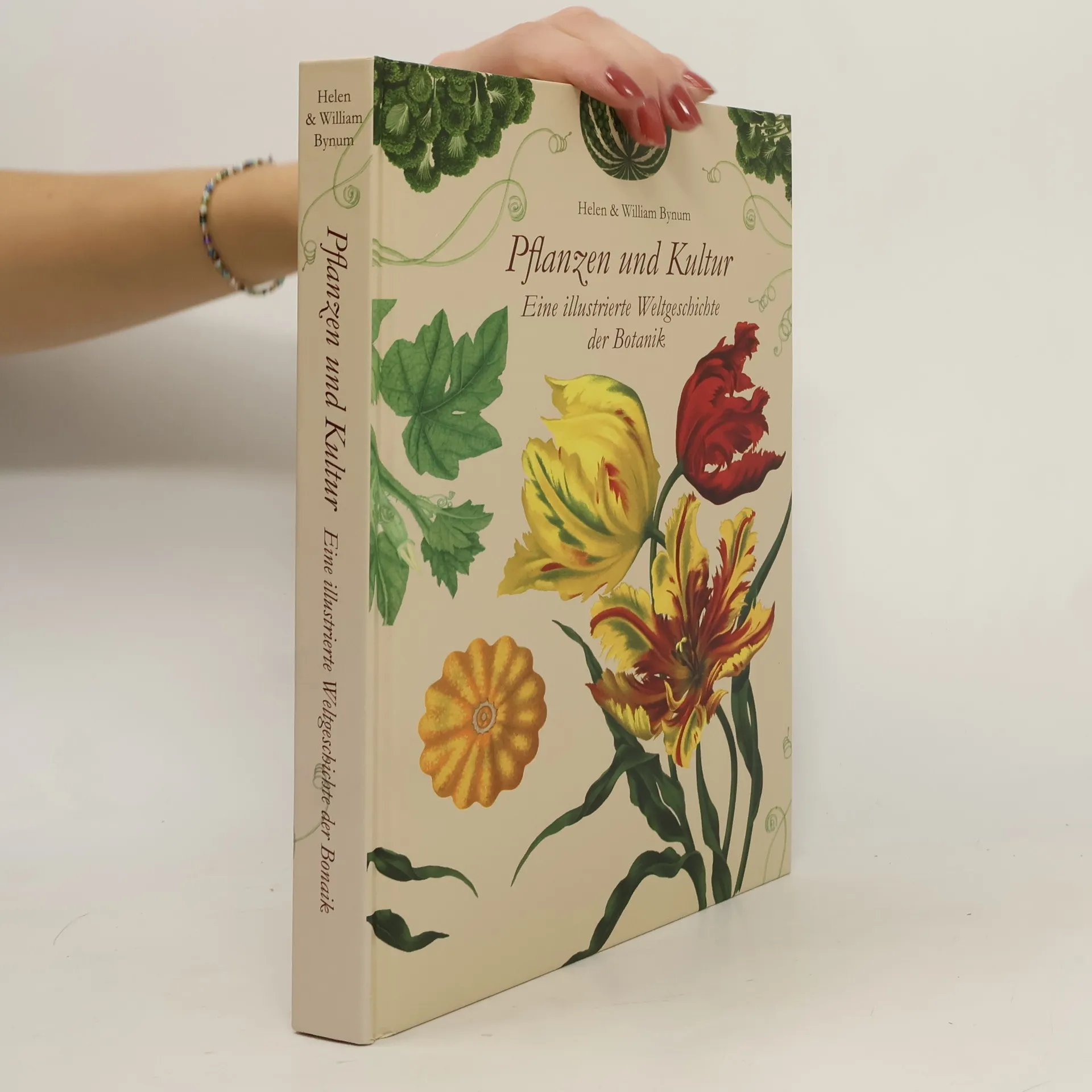
Dieses Buch, geschmückt mit 205 Bildern, darunter 174 farbige, ist eine Hommage an die Schönheit, Vielfalt und Bedeutung bemerkenswerter Pflanzen, die unsere Welt geprägt haben. Seit Tausenden von Jahren nutzen wir Pflanzen für unsere Bedürfnisse in Ernährung, Unterkunft, Bekleidung, Transport und Heilung. Obwohl wir heute den Komfort moderner petrochemischer Produkte genießen, sind wir nach wie vor in gleichem Maße auf Pflanzen angewiesen. Pflanzen bilden die Grundlage unserer Nahrungskette, und trotz aller Kreativität konnten wir dies nicht ändern. In einer zunehmend urbanisierten Welt ist es von großer Bedeutung, dass Pflanzen als grüne Lunge für Großstädte fungieren und den Stadtbewohnern Trost und Ruhe bieten. Die schnell schrumpfenden und zunehmend rar werdenden wilden Naturflächen sind heute wertvoller denn je. Dieses Buch behandelt die Welt der Pflanzen und ihre vielfältigen Mitglieder, die unseren Übergang von der Jäger- und Sammlergesellschaft zur Landwirtschaft begleitet haben.