

Dramatyczna historia dezinformacji śledzi ewolucję zorganizowanego oszustwa od okresu międzywojennego do dzisiejszych farm trolli internetowych. W erze zdominowanej przez dezinformację agencje wywiadowcze intensywnie inwestują w hakowanie, wycieki i fałszowanie danych, podważając zaufanie do faktów i fundamentów liberalnej demokracji. Thomas Rid, ekspert w dziedzinie technologii i bezpieczeństwa narodowego, jako jeden z pierwszych zwrócił uwagę na plany rosyjskiego wywiadu wojskowego mające na celu zakłócenie procesu demokratycznego przed wyborami w 2016 roku. Narracja współczesnej dezinformacji rozpoczęła się w czasie konfliktu między komunizmem a kapitalizmem po rewolucji rosyjskiej, kształtując zimną wojnę. Rid odkrywa szokujące tajemnice wywiadowcze, korzystając z materiałów w ponad dziesięciu językach oraz wywiadów z agentami. Opisuje barwną historię zorganizowanego kłamstwa, przedstawiając znaczące operacje, w tym nieudany plan białych Rosjan oraz fikcyjne imperium wydawnicze wspierane przez CIA. Dodatkowo bada wzrost wycieków i wykorzystanie kultury internetowej przez szpiegów na długo przed WikiLeaks. Książka dostarcza wglądu w wybory w 2016 roku, szczególnie w rolę kontrowersyjnej farmy trolli, prowadząc czytelników przez złożony krajobraz oszustwa i dostarczając narzędzi do rozróżniania prawdy.
Thomas Rid Książki



A sweeping exploration of man's relationship with machines, and the inventions and myths that shape our world. As lives offline and online merge even more, it is easy to forget how we got here. Rise of the Machinesreclaims the spectacular story of cybernetics, a control theory of man-and-machine and one of the twentieth century's pivotal ideas. Springing from the febrile mind of mathematician Norbert Wiener amid the devastation of World War II, the cybernetic vision underpinned a host of seductive myths of cyborgs, cyberculture, and cyberspace. Wiener's scheme slowly transformed computers from machines of assured destruction to engines of brilliant utopias. Cybernetics, in turn, triggered blissful cults and martial gizmos, The Whole Earth Catalog, and the U.S. Air Force's foray into virtual space. It continues to fuel anarchists and cyberwarriors today. Drawing on unpublished sources including interviews with hippies, anarchists, sleuths, and spies, Rise of the Machinesoffers an unparalleled perspective into our anxious embrace of technology.
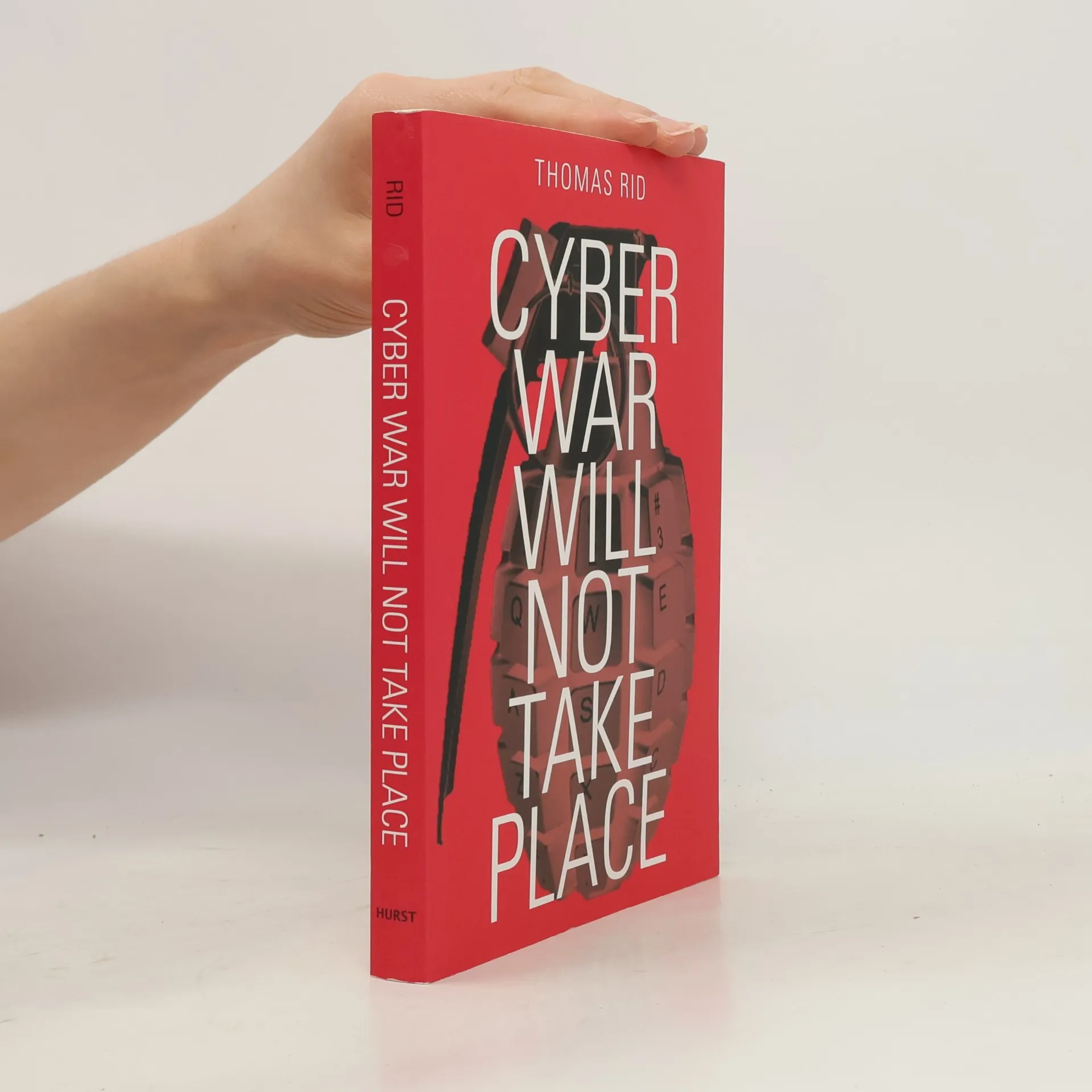
Cyber War Will Not Take Place
- 256 stron
- 9 godzin czytania
"Cyber war is coming," announced a land-mark RAND report in 1993. In 2005, the U.S. Air Force boasted it would now fly, fight, and win in cyberspace, the "fifth domain" of warfare. This book takes stock, twenty years on: is cyber war really coming? Has war indeed entered the fifth domain? Cyber War Will Not Take Place cuts through the hype and takes a fresh look at cyber security. Thomas Rid argues that the focus on war and winning distracts from the real challenge of cyberspace: non-violent confrontation that may rival or even replace violence in surprising ways. The threat consists of three different vectors: espionage, sabotage, and subversion. The author traces the most significant hacks and attacks, exploring the full spectrum of case studies from the shadowy world of computer espionage and weaponised code. With a mix of technical detail and rigorous political analysis, the book explores some key questions: What are cyber weapons? How have they changed the meaning of violence? How likely and how dangerous is crowd-sourced subversive activity? Why has there never been a lethal cyber attack against a country's critical infrastructure? How serious is the threat of "pure" cyber espionage, of exfiltrating data without infiltrating humans first? And who is most vulnerable: which countries, industries, individuals?