Revised and updated to a full colour, easy-to-navigate layout, and a companion
website this new edition is part of the best-selling series that brings the
principles and practice of the acclaimed Mathematics Recovery Programme to
whole-class teaching.
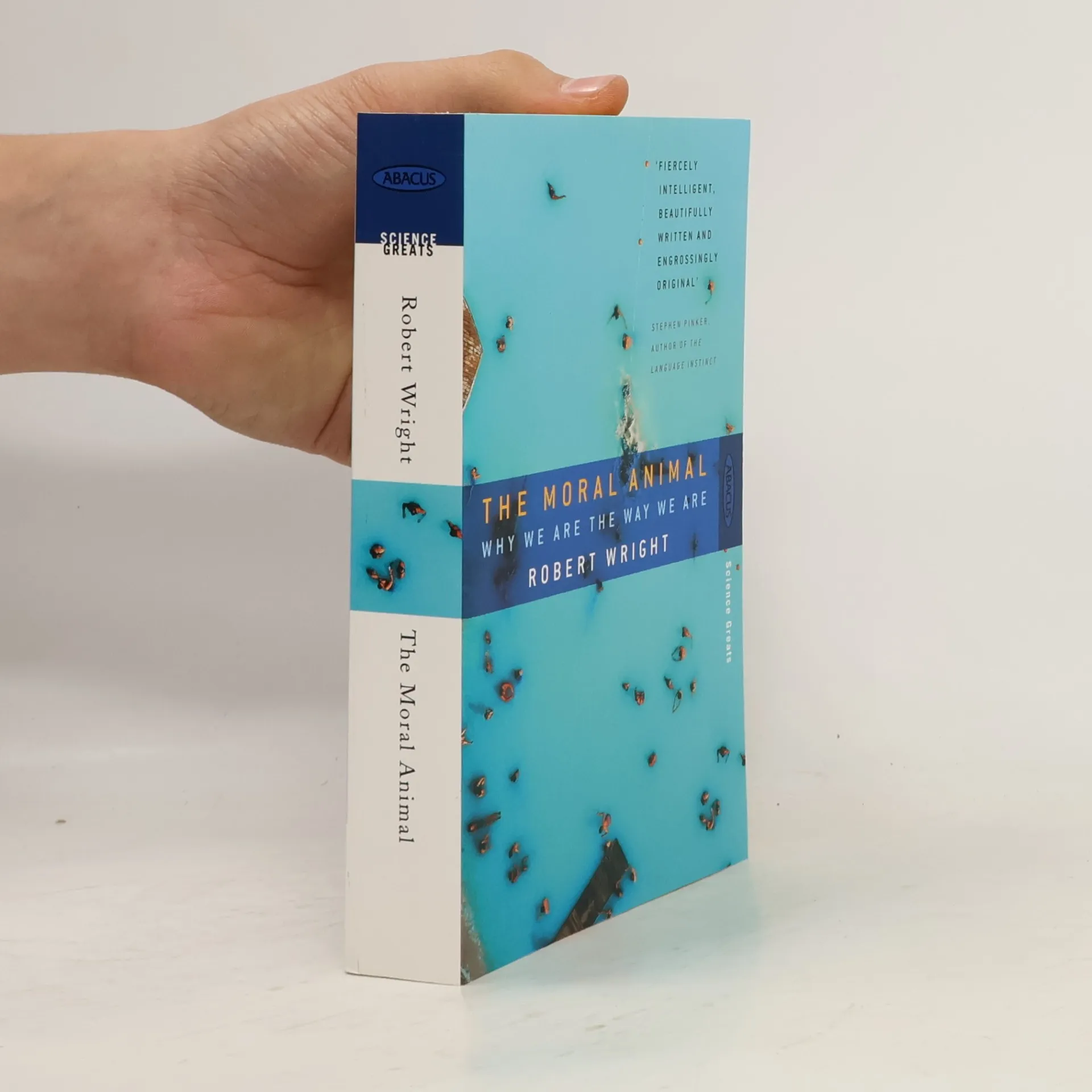
THE MORAL ANIMAL examines the significance of this extraordinary shift in our perception of morality and what it means to be human. Taking the life of Charles Darwin as his context, Robert Wright brilliantly demonstrates how Darwin's ideas have stood the test of time, drawing startling conclusions about the structure of some of our most basic preoccupations. Why do we commit adultery, express suicidal tendencies and have the capacity for self-deception? Wright not only provides the answers to such fundamental moral questions from the perspective of evolutionary psychology but challenges us to see ourselves anew through the clarifying lens of this fledgling and exciting science.
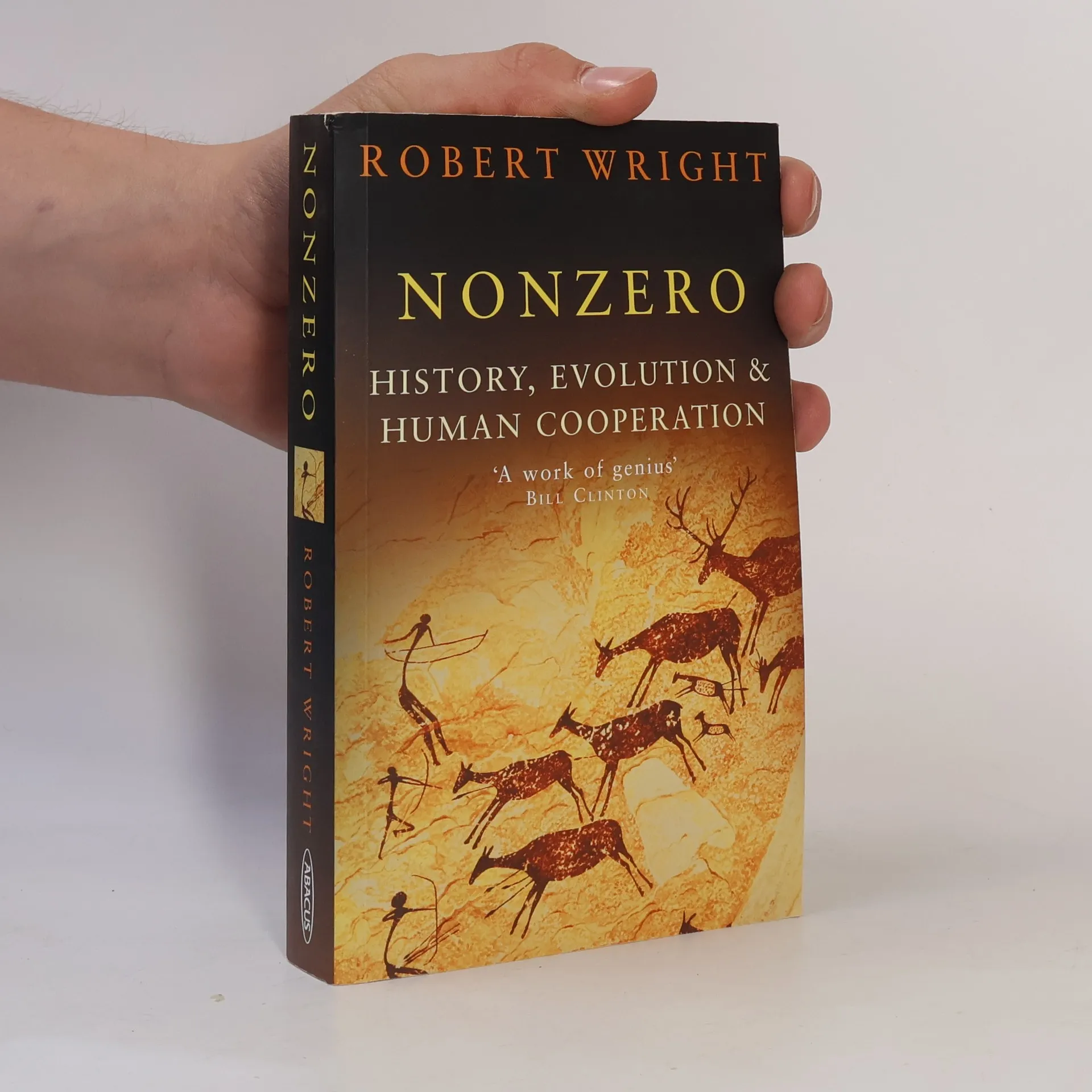
In this sweeping narrative that takes us from the Stone Age to the Information Age, Robert Wright unveils an astonishing discovery: there is a hidden pattern that the great monotheistic faiths have followed as they have evolved. Through the prisms of archaeology, theology, and evolutionary psychology, Wright's findings overturn basic assumptions about Judaism, Christianity, and Islam, and are sure to cause controversy. He explains why spirituality has a role today, and why science, contrary to conventional wisdom, affirms the validity of the religious quest. And this previously unrecognized evolutionary logic points not toward continued religious extremism, but future harmony. Nearly a decade in the making, The Evolution of God is a breathtaking re-examination of the past, and a visionary look forward.
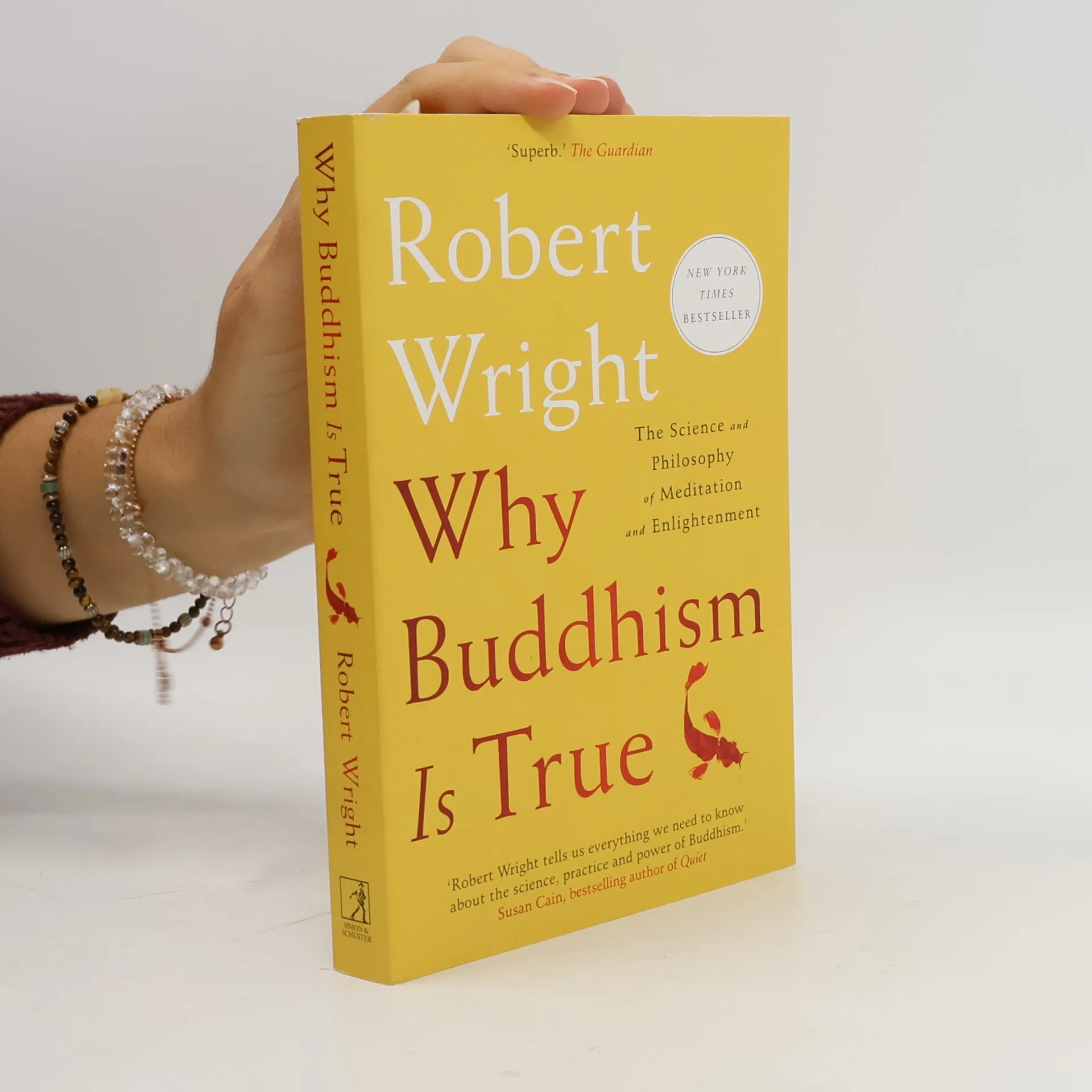
The Science and Philosophy of Meditation and Enlightenment
At the heart of Buddhism is a simple claim: The reason we suffer and the reason we make other people suffer is that we don't see the world clearly. At the heart of Buddhist meditative practice is a radical promise: We can learn to see the world, including ourselves, more clearly, and so gain a deep and morally valid happiness. In this pathbreaking book, Robert Wright shows how taking this promise seriously can change your life-how it can loosen the grip of anxiety, regret, and hatred, and how it can deepen your appreciation of beauty and of other people. He also shows why this transformation works. Drawing on the latest in neuroscience and psychology, and armed with an acute understanding of human evolution, Wright explains why the path toward truth and the path toward happiness are one and the same.
The narrative explores the author's transition from a military and civil service career to a creative life as an artist. After retiring in 2006 and 2008, respectively, the author dedicated four years to painting murals and fulfilling various artistic commissions, highlighting a journey of self-discovery and reinvention through art.
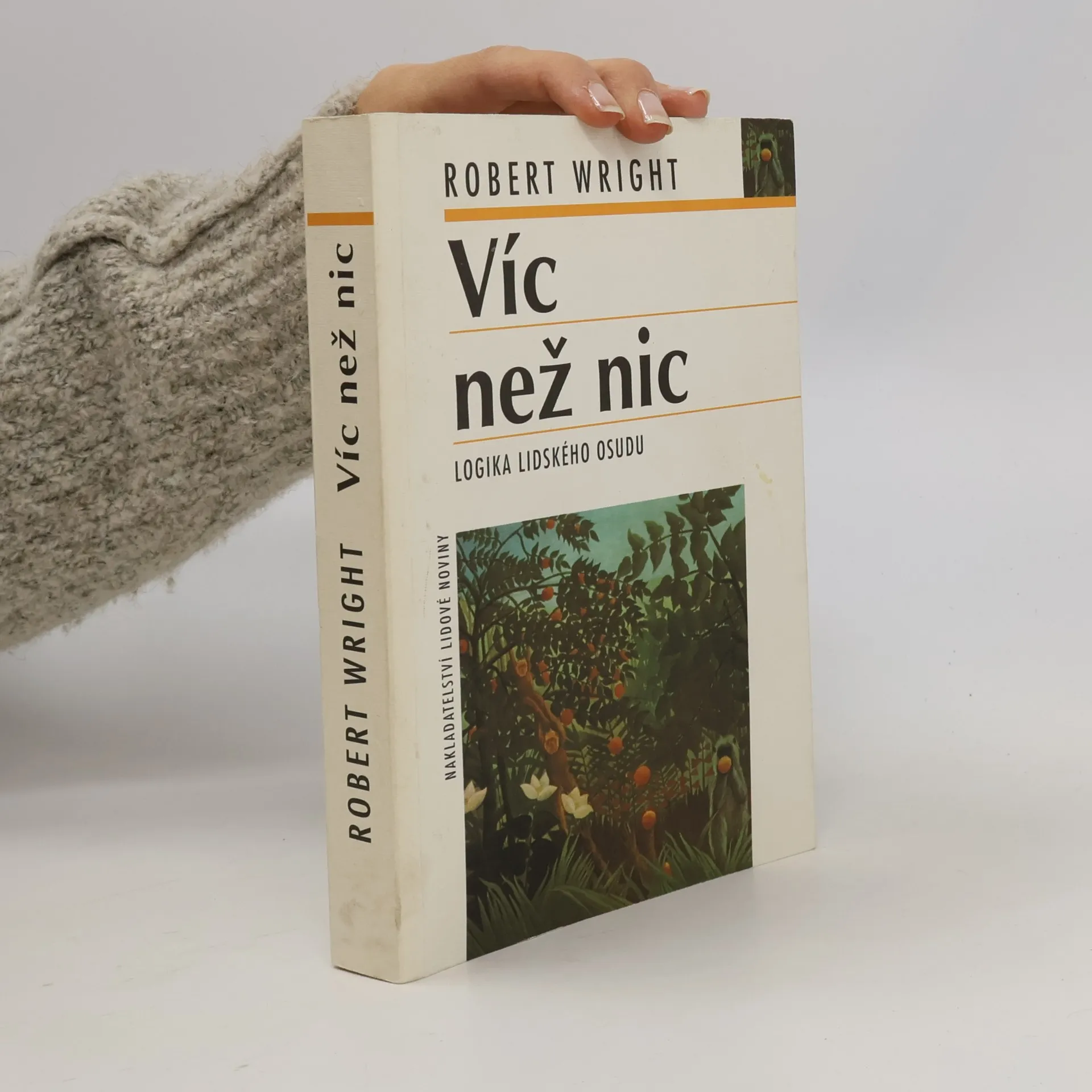
Logika lidského osudu.
Na začátku své knihy Víc než nic si Robert Wright dává za úkol „vymezit běh historie života od prvotní zárodečné hmoty až po World Wide Web.“ V široce pojatém a nesmírně zajímavém vyprávění se autorovi daří přesvědčivým způsobem zpochybnit obvykle zastávaný názor, že evoluce a dějiny lidstva nemají žádný cíl. Obratným využitím teorie her, popisu her s „nulovým“ a „nenulovým“ součtem, odhalí sílu stojící za obecným směrem vývoje života, sílu, která biologickou evolucí vytvořila složité, rozumné živočichy a následně prostřednictvím kulturní evoluce vedla lidský druh ke stále rozsáhlejší a složitější stavbě společnosti. Autor tvrdí, že přísně vědecké zhodnocení tří miliardy let trvající historie lidstva může dát dnešku nový duchovní rozměr, a dokonce nabídnout politické rady do budoucna. Víc než nic změní naše myšlení o výhledech lidského rodu.