Asad
- 552 strony
- 20 godzin czytania
Explains the kaleidoscopic nature of Middle Eastern diplomacy.



Explains the kaleidoscopic nature of Middle Eastern diplomacy.
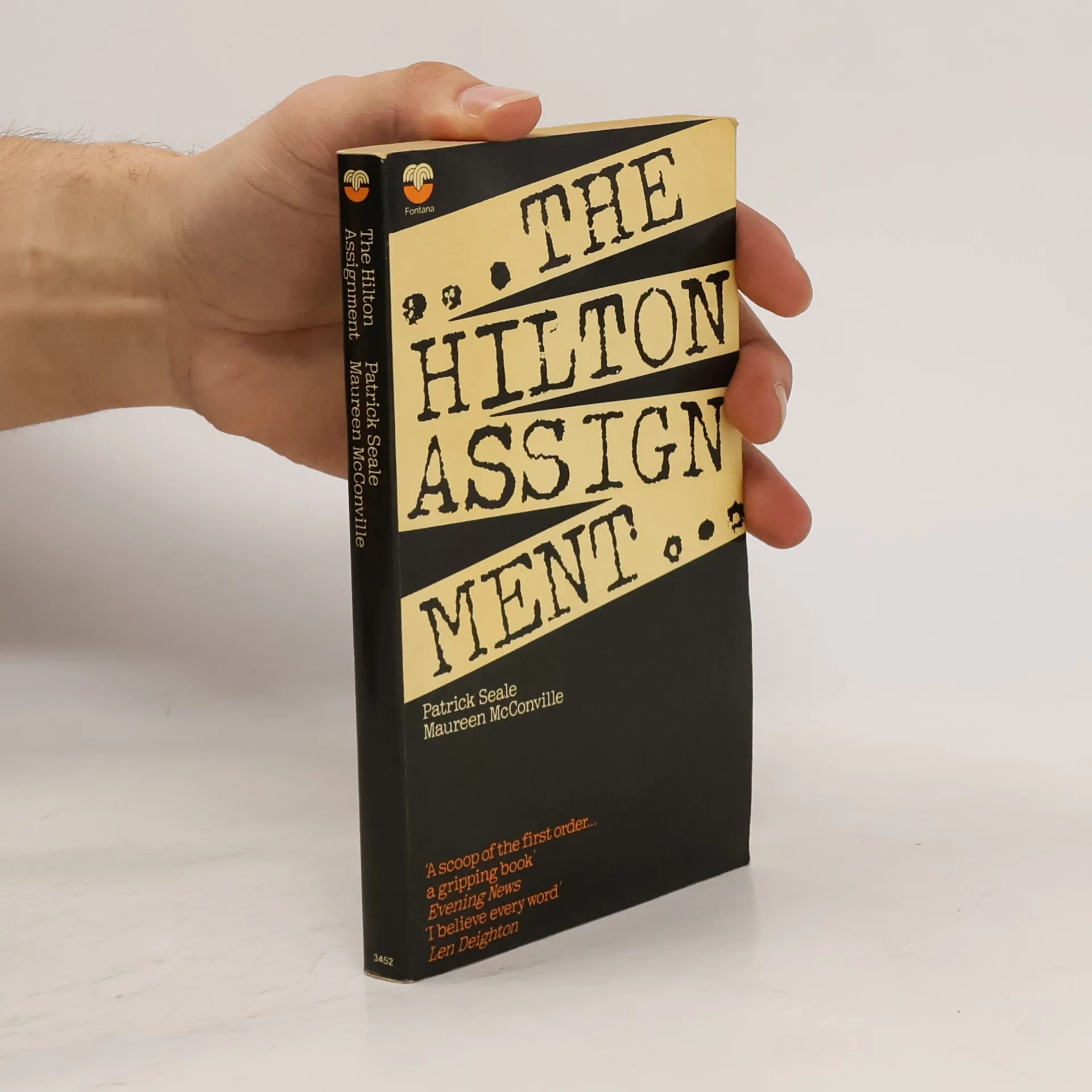
Chronicles the inside story of the world's most ruthless terrorist and his international network, which includes links with Iraq, Libya, Syria, as well as with a number of European intelligence agencies. 75,000 first printing.
Hilton Assignment [Dec 31, 1973] Seale, Patrick and McConville, Maureen …
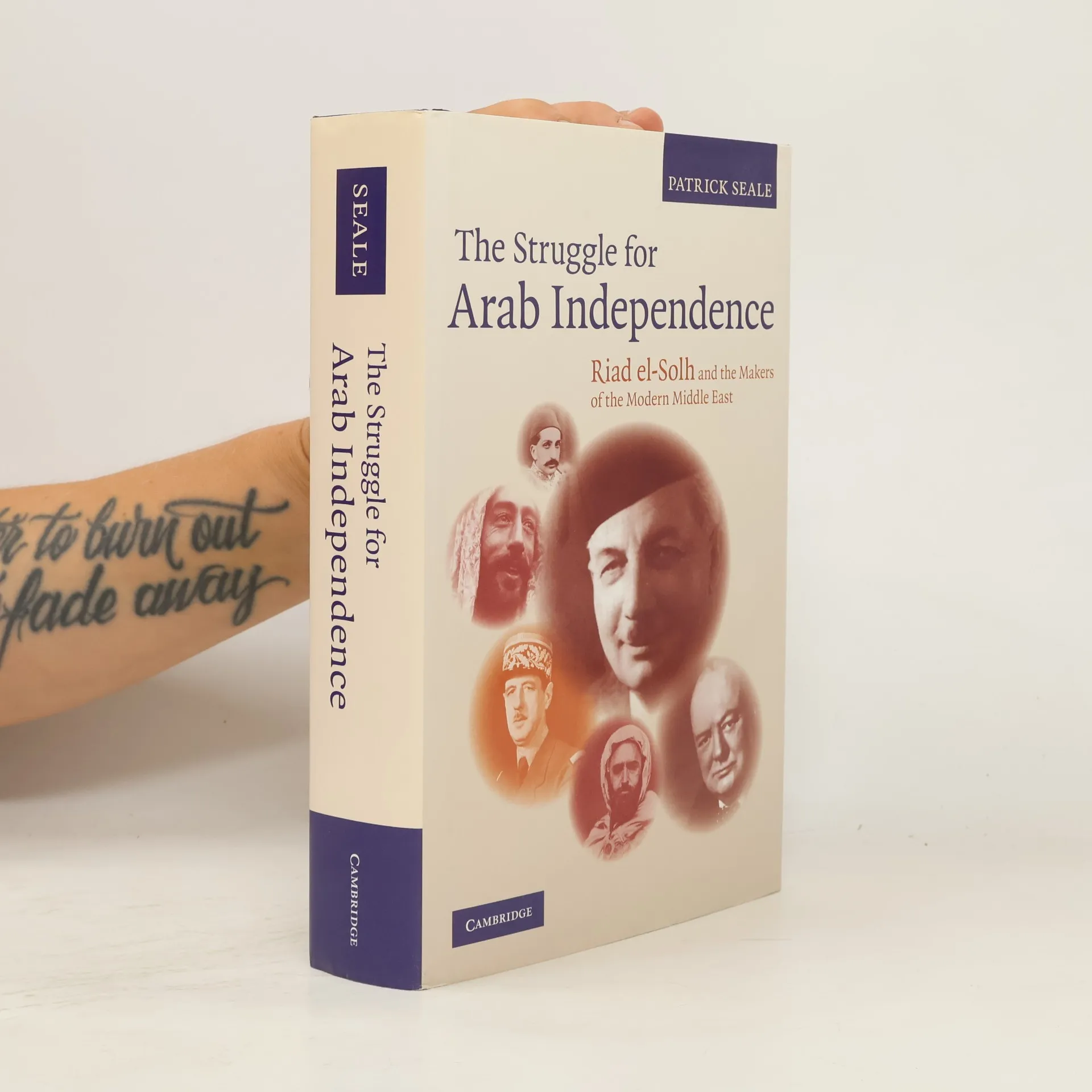
Riad el-Solh and the Makers of the Modern Middle East
The Middle East, as we know it today, was shaped in the violent and tumultuous years of the first half of the 20th century. The roots of many of the conflicts and crises which afflict the region today can be traced back to this period of wars, high drama and the cavalier re-drawing of maps. Patrick Seale, a leading historian of the region, tells the story of the making of the modern Middle East through the life of Riad el-Solh, a Lebanese politician who grew into the outstanding Arab statesman of his time. Based on British and French archives, and on numerous interviews, the book pieces together the history of the Arab struggle for independence through the lives of those most directly involved. It is an invaluable resource for students and researchers, and of compelling interest to anyone who wants to know more about the Middle East.
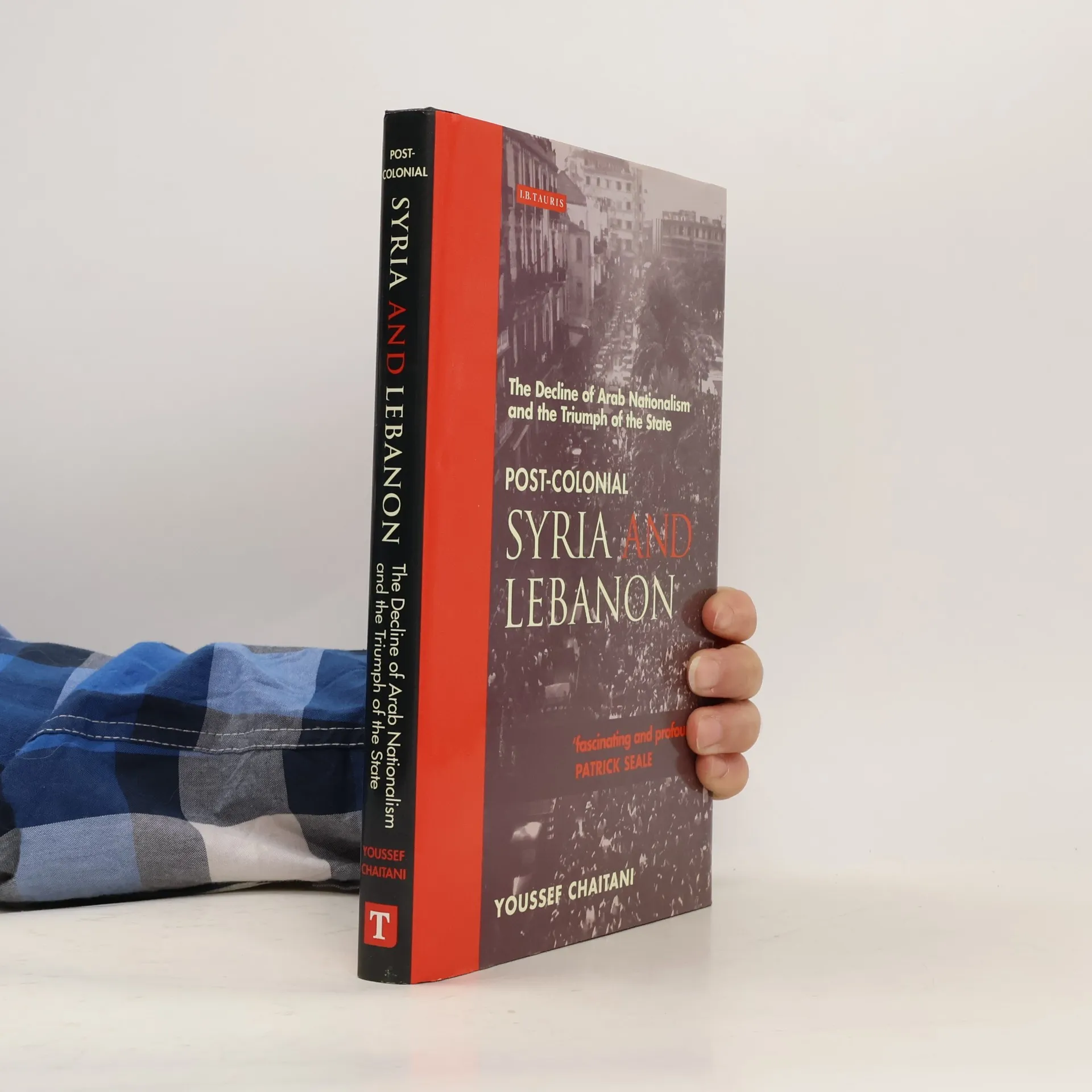
The Decline of Arab Nationalism and the Triumph of the State
The complex relationship between Syria and Lebanon is the political fulcrum of the Middle East, and has dominated headlines since the withdrawal of French colonial forces from the Levant in 1943. One of the great paradoxes of this relationship is how two such very different political systems emerged in what many Syrian and Lebanese people see as one society. At the time of independence, it was assumed that only the divide-and-rule strategies of foreign powers kept the Arab peoples artificially separated. In this major new book, Youssef Chaitani examines how, despite the prevalence of Arab nationalism and the regression of imperial interference, Syria and Lebanon became more divided, rather than more integrated in the post-independence period. Drawing on untapped sources from the archives of Western foreign offices and the local press, Chaitani uncovers the strategies and motivations of both countries' elites during this period, and produces conclusions which have major implications for our understanding of Arab nationalism, as well as the complexities of the Syrian-Lebanese relationship.
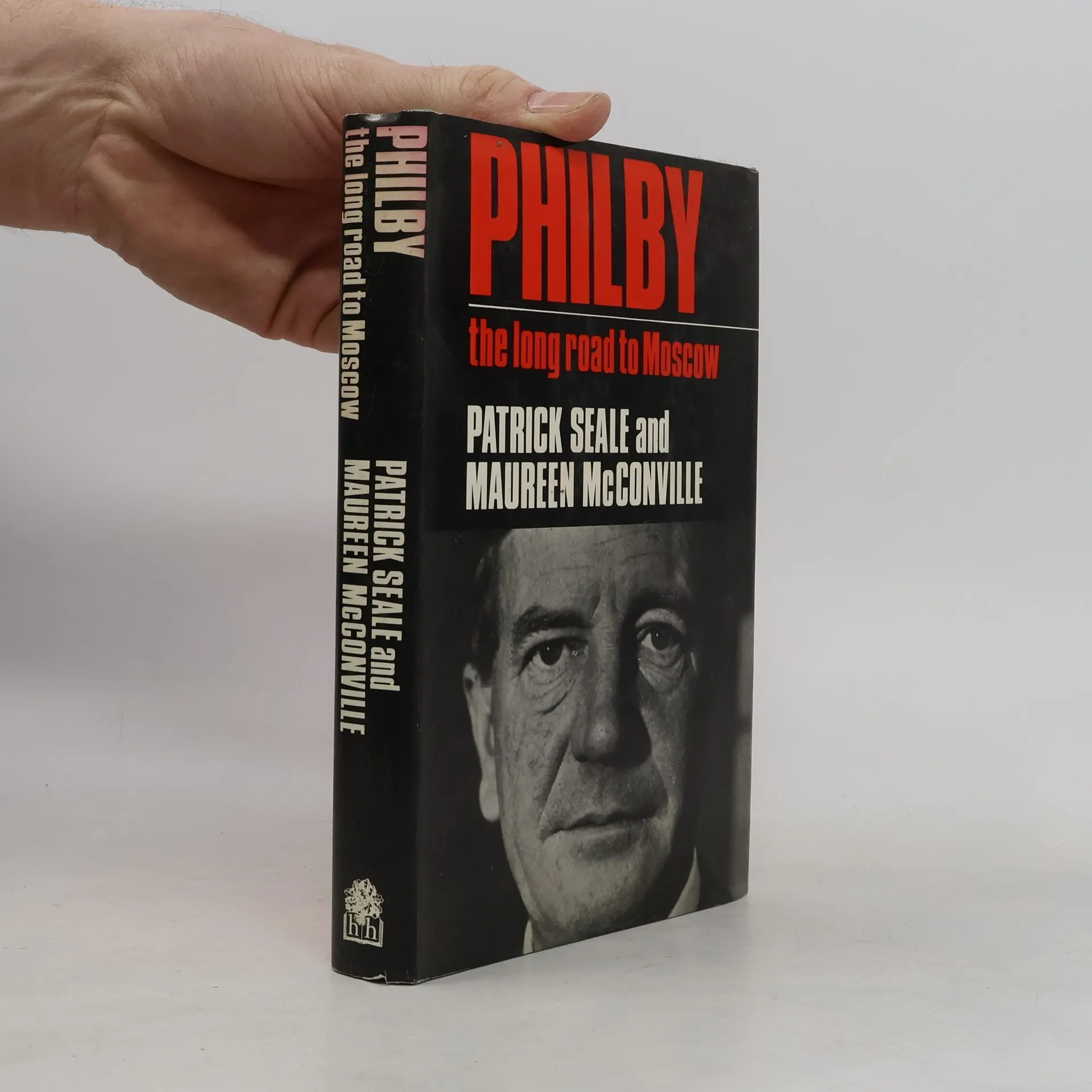
Kim Philby's theft of America's atomic secrets made his name synonymous with treason. It made monkeys out of his own people--twice. He penetrated the heart of England's secret service, lived a double life for three decades, and then escaped in the nick of time to comfortable retirement in Moscow--a favorite son who lived in a way calculated to destroy his family; a viper whose deadly cunning kept him in the trusting arms of his country. This book examines the political background of Philby's story, the moral dilemmas he faced, the whole milieu of espionage that blunts morality and restricts political choice. The authors suggest that Kim Philby was essentially an ordinary man caught up in an extraordinary situation; that once he embarked--with the most generous of motives--on a career as a Soviet spy, he found himself entrapped and finally destroyed by this twentieth-century paradox.