

Bookbot

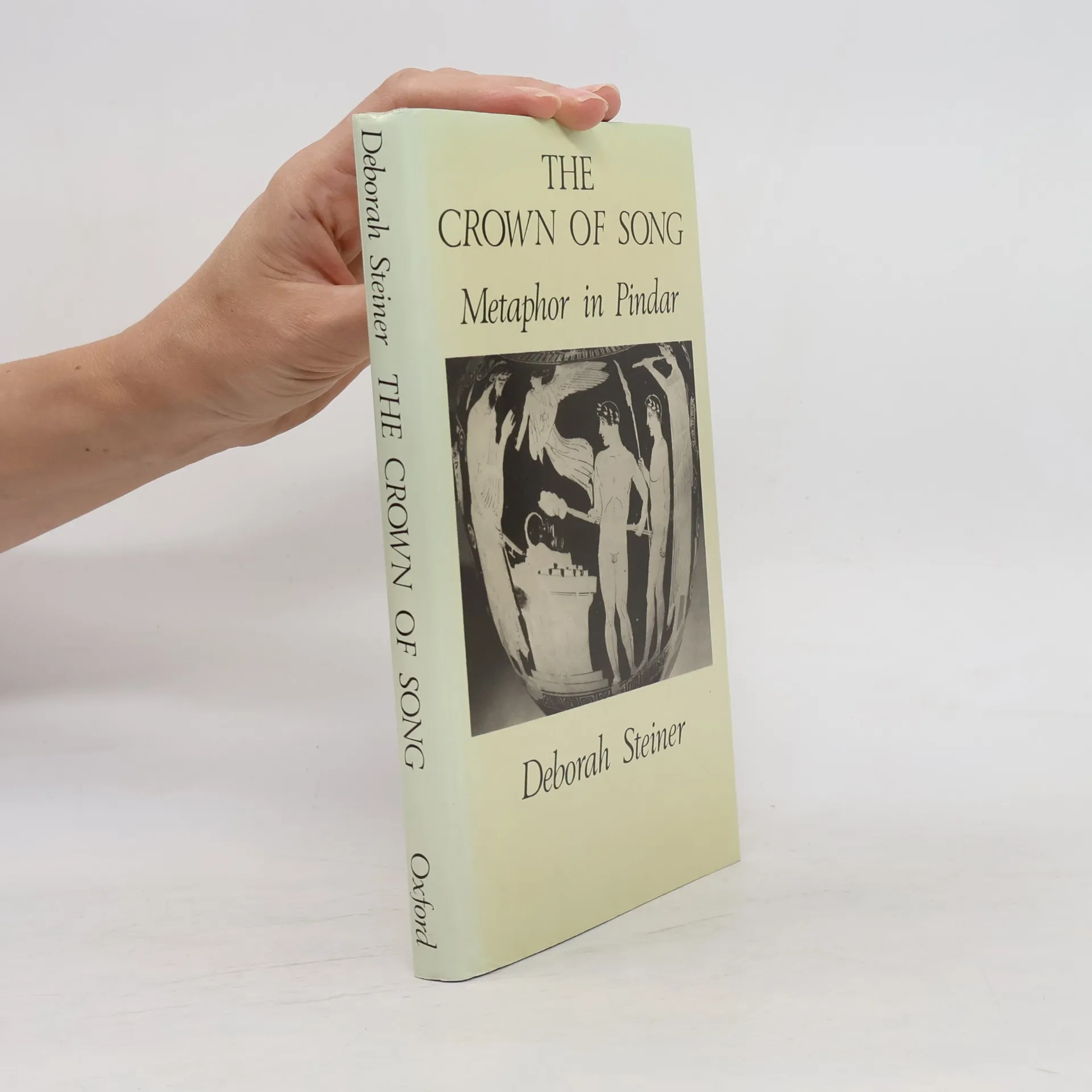
Deborah Steiner

    Versteh dein Kleinkind
    Crown of Song
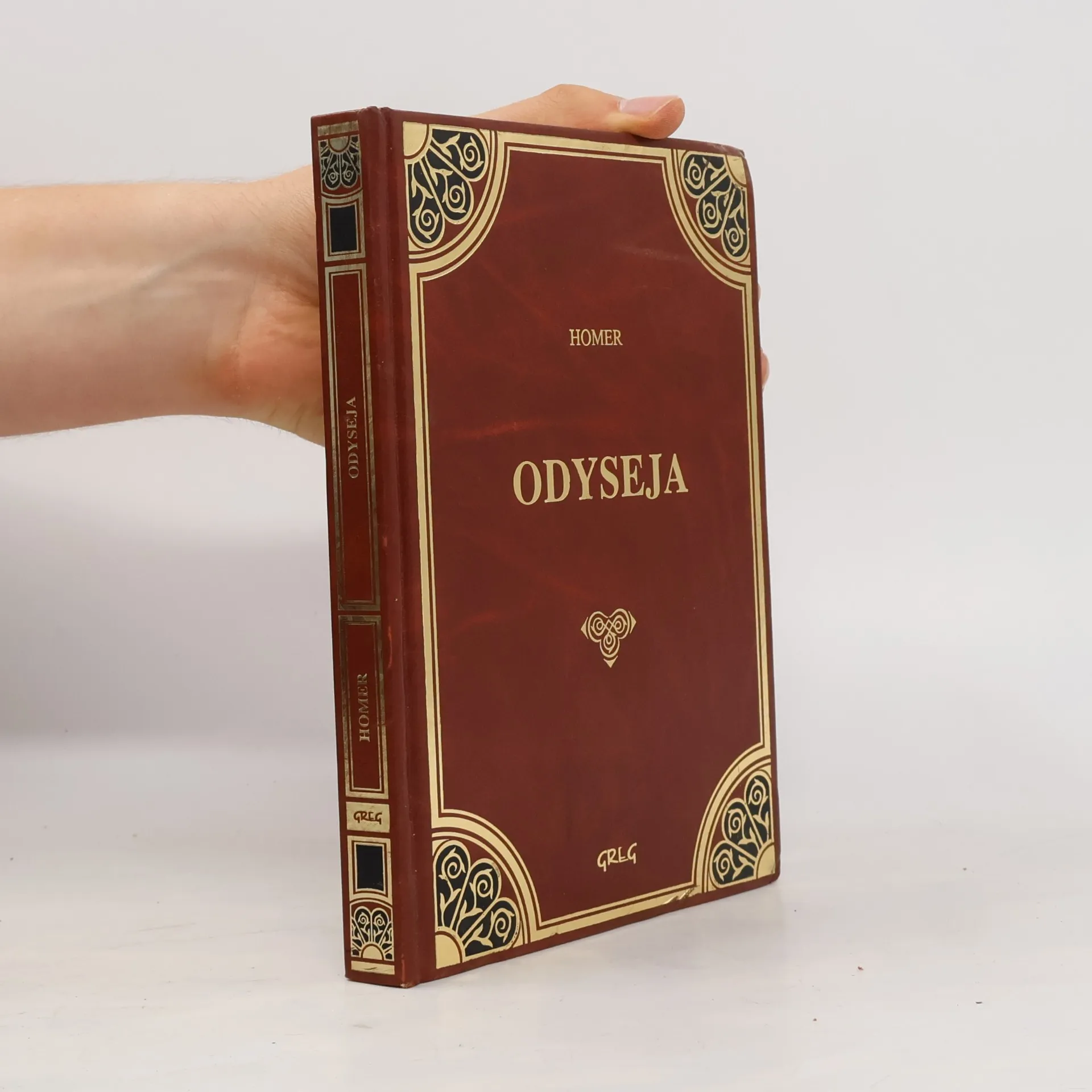
    Odyseja
    • Odyseja

      • 318 stron
      • 12 godzin czytania

      Epos grecki, oparty na antycznej ustnej tradycji epickiej, śpiewany przez Homera wierszem (tzw. heksametrem). Składa się z 24 pieśni. Pierwsze poświęcone są wędrówce Telemacha, syna Odyseusza, ojcu z kolei poświęcone są pozostałe księgi. Odyseja zaczyna się po zakończeniu dziesięcioletniej wojny trojańskiej. Odyseusz przez lata nie wraca z wojny do domu. Jego syn, 20-letni Telemach, dzieli dom z matką Penelopą. W ich siedzibie przebywa też 108 natarczywych zalotników, ubiegających się o rękę Penelopy i mających nadzieje na tron. Opiekunka Odyseusza, Atena, o jego przeznaczeniu rozmawia z najważniejszym z bogów - Zeusem - w momencie gdy Posejdona (boga niechętnego Odyseuszowi) nie ma na Olimpie. Atena przekonuje Telemacha, by szukał wieści o swym ojcu. Późniejsze pieśni to historia Odyseusza. W swojej powrotnej wędrówce trafia on kolejno na wyspę cyklopa Polifema, wyspę syren, wyspę zamieszkaną przez nimfę Kalipso. Przez cały ten czas Penelopa trzyma zalotników z dala od siebie. Obiecała, że wybierze jednego z nich, gdy skończy tkać sukno pogrzebowe dla Jednakże każdej nocy rozpruwa pracę z poprzedniego dnia W połowie III w. p.n.e. poemat został przetłumaczony na łacinę przez Lucjusza Liwiusza Andronika. Był to pierwszy przekład w literaturze europejskiej.

      Odyseja2007
      4,0
    • Crown of Song

      Metaphor in Pindar

      • 180 stron
      • 7 godzin czytania

      Pindar (c. 518-438 B.C.), one of ancient Greece's most famous lyric poets, is perhaps best known for his victory (epinicean) odes, written to honor the winners at various sets of games, such as the Olympiad. In Crown of Song , Deborah Steiner's study of these odes, she writes "If Pindar isremote from us in genre, his style strikes the reader as vivid and immediate. And in my reading of the epinicean odes, it is the poet's use of metaphor that accounts for the dynamic quality of his verse." Steiner begins her analysis by exploring both ancient and modern theories of metaphor, andthen turns to specific imagery employed by the poet--plant life, athletics, minerals and numerous others--as a way of understanding how these metaphoric complexes function in the poet's praise of the victor, his assertion of his own place as perpetuator of the victor's immortal fame, and in hisvision of human achievement and glory in the context of mortal life and immortal gods. Written in a lively, readable style, Crown of Song opens up the sometimes difficult verse of this celebrated ancient poet to modern readers.

      Crown of Song1986