Bookbot

Orhan Pamuk

    7 czerwca 1952
    Orhan Pamuk
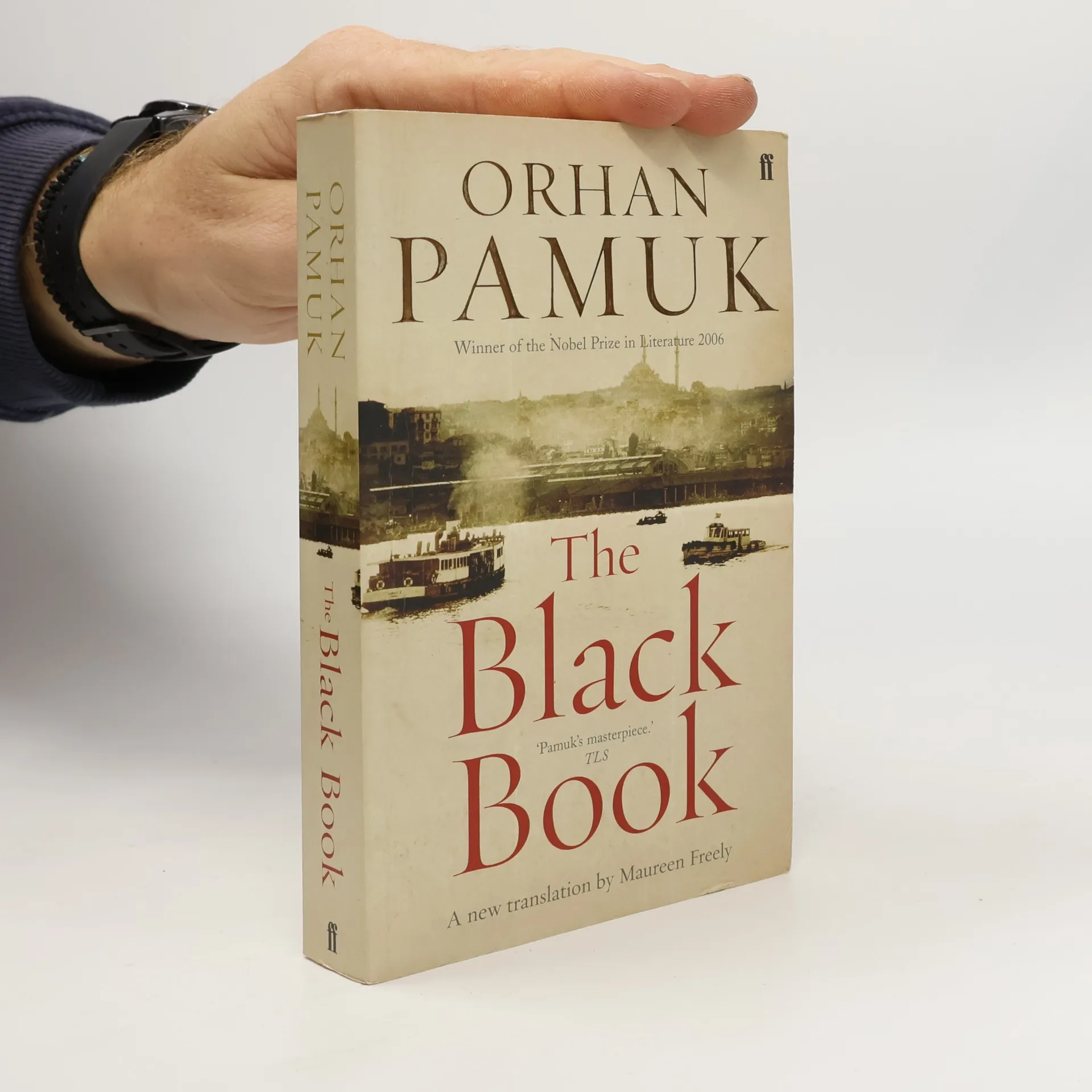
    The black book
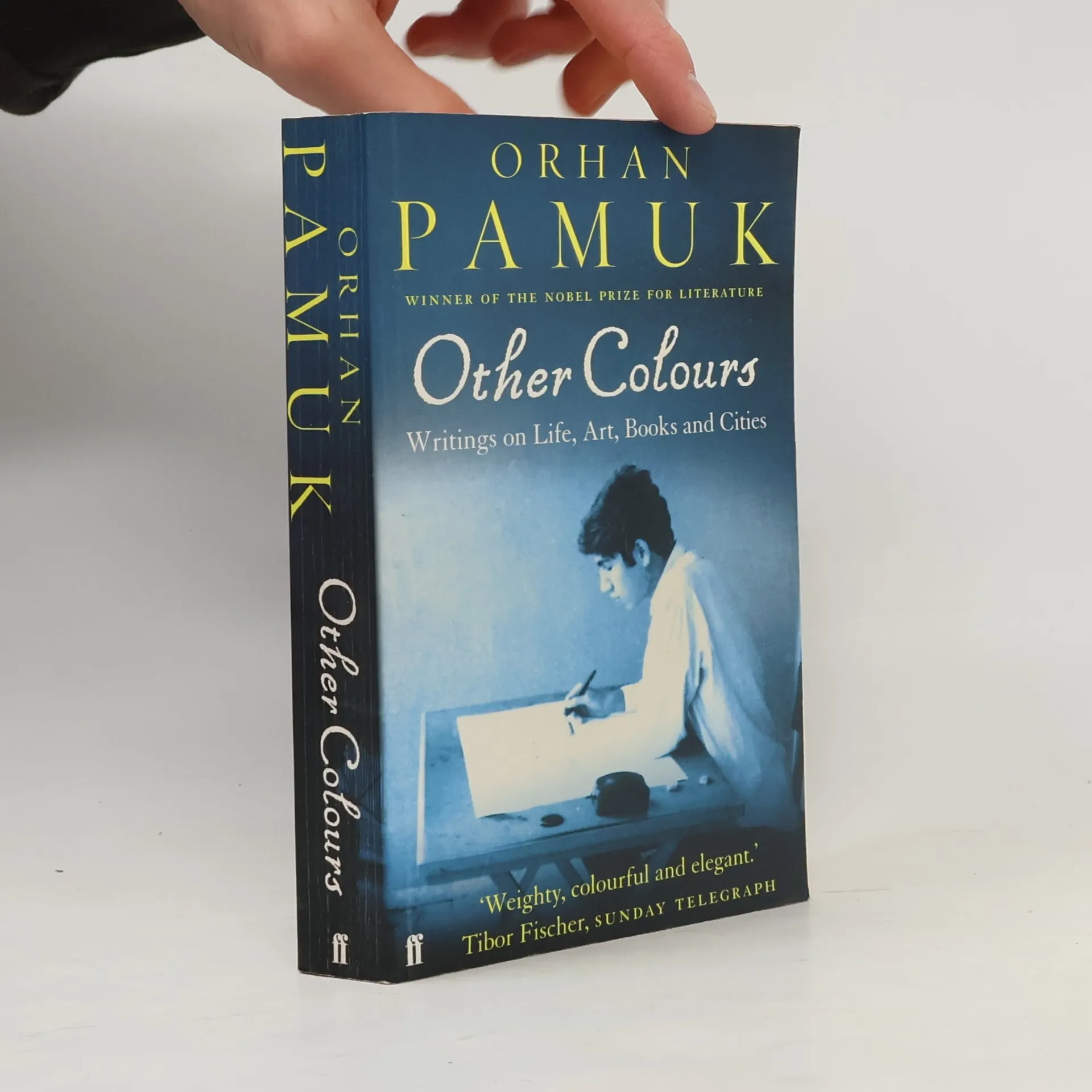
    Other Colours
    Nazywam się Czerwień
    Stambuł
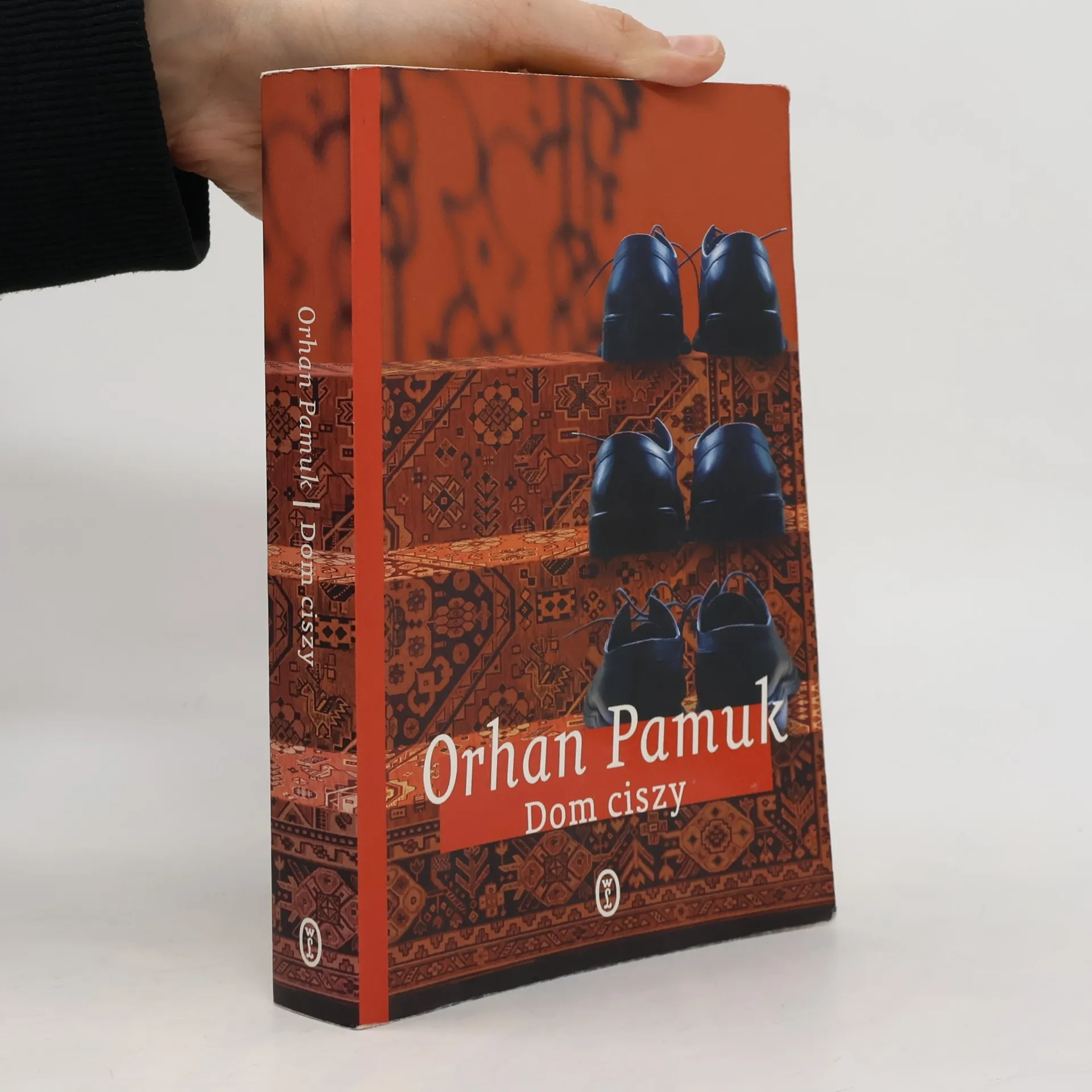
    Dom ciszy
    Dziwna myśl w mej głowie
    • Dziwna myśl w mej głowie

      opowieść o życiu, przygodach, marzeniach i przyjaciołach sprzedawcy buzy Mevluta Karataşa oraz obrazu stambulskiego życia w latach 1969-2012, przedstawiony z punktu widzenia wielu osób : powieść

      • 700 stron
      • 25 godzin czytania

      Uliczny handlarz, wędrujący zimowymi wieczorami po zaniedbanych ulicach Stambułu, to rzadkość. Mevlut Karataş, jeden z ostatnich, woła "Buzaaaa!" i sprzedaje jogurt, pilaw, a nocą nosi dzbany tradycyjnego tureckiego napoju. Buza, dziedzictwo przodków, przypomina ludziom o dawnych czasach, a Mevlut nie wyobraża sobie życia bez niej, żartów z klientami i Stambułu, który zna jak własną kieszeń. Długie wędrówki sprawiają mu radość, ale nie zapewniają bytu rodzinie, którą kocha ponad wszystko – ma dwie córeczki i żonę Rayihę, którą poślubił przez pomyłkę. To historia wielopokoleniowej rodziny, która przybyła do Stambułu z biednej wsi, a jednocześnie kronika życia w mieście nad Bosforem w latach 1969–2012. Obserwując Mevluta, jego rodzinę i zmiany w Stambule na przestrzeni kilku dziesięcioleci, jesteśmy świadkami fascynujących przemian metropolii. Śledzimy pucze, zamachy bombowe, korupcję, przemiany obyczajowe oraz marzenia i lęki stambulczyków. W miejscu dawnych gecekondu wyrastają wieżowce, a stare kamienice zastępują szerokie aleje. Miasto umiera i odradza się, a jego mieszkańcy dzielą się opowieściami o miłości, małżeństwach, rodzinach, przyjaźni i marzeniach o lepszym życiu.

      Dziwna myśl w mej głowie
      4,2
    • Dom ciszy

      • 408 stron
      • 15 godzin czytania

      Dzieje jednej rodziny na tle burzliwej dwudziestowiecznej historii Turcji. Latem na początku lat osiemdziesiątych troje wnuków odwiedza dziewięćdziesięcioletnią babkę, która mieszka w starym rozsypującym się domu na prowincji. Dom, pełen dziwnej ciszy, kryje wiele rodzinnych sekretów, mających swój początek kilkadziesiąt lat wcześniej, kiedy Fatma przybyła do małego miasteczka ze Stambułu ze swoim mężem. Zafascynowany zachodnią kulturą lekarz-ateista marzył, że pisana przez niego i ostatecznie nigdy nieukończona wielotomowa encyklopedia, zbierająca całość ludzkiej nauki i doświadczenia, oświeci zabobonne umysły tureckiego ludu...

      Dom ciszy
      4,0
    • Stambuł

      Wspomnienia i miasto

      • 477 stron
      • 17 godzin czytania

      Przesycony melancholią przewodnik po jednym z najpiękniejszych miast na świecie, a zarazem wspaniała autobiograficzna opowieść o pisarzu i jego rodzinie.

      Stambuł
      3,8
    • Nazywam się Czerwień

      • 592 strony
      • 21 godzin czytania

      W szesnastowiecznym Stambule grupa najwyśmienitszych artystów ma zrealizować zlecenie sułtana: stworzyć utrzymaną w nowoczesnym zachodnim stylu księgę upamiętniającą jego wielkość i chwałę. Księgę mają zdobić barwne miniatury. Ale sztuka figuratywna jest zakazana w religii muzułmańskiej. Zlecenie i jego wykonawcy są zatem w poważnym niebezpieczeństwie. Należy utrzymać je jak najdłużej utrzymać w tajemnicy. Jeden z zatrudnionych mistrzów zostaje zamordowany...

      Nazywam się Czerwień
      3,7
    • Other Colours

      Writings on Life, Art, Books and Cities

      • 433 strony
      • 16 godzin czytania

      In the three decades that Nobel prize-winning author Orhan Pamuk has devoted himself to writing fiction, he has also produced scores of witty, moving, and provocative essays and articles. He engages the work of Nabokov, Kundera, Rushdie, and Vargas Llosa, among others, and he discusses his own books and writing process. We also learn how he lives, as he recounts his successful struggle to quit smoking, describes his relationship with his daughter, and reflects on the controversy he has attracted in recent years. Here is a thoughtful compilation of a brilliant novelist's best nonfiction, offering different perspectives on his lifelong obsessions with loneliness, contentment, and the books and cities that have shaped his experience.

      Other Colours
      4,0
    • The black book

      • 466 stron
      • 17 godzin czytania

      Tells the story of Galip, an Istanbul lawyer whose wife has vanished. Playing the part of private investigator, he soon finds himself descending deeper and deeper into an extraordinary mystery.

      The black book
      3,9
    • Memories of Distant Mountains

      Illustrated Notebooks, 2009-2022

      • 384 strony
      • 14 godzin czytania

      Orhan Pamuk's reflections span fourteen years, blending his daily thoughts with personal illustrations. This collection reveals his journeys, family influences, and the intricacies of his bond with Turkey, offering insights into the inspirations behind his novels. Alongside his writings, vibrant paintings showcase the landscapes that fuel his creativity. This volume serves as a captivating exploration of Pamuk's inner world, inviting readers to engage with the art, culture, and political nuances that have influenced his literary voice.

      Memories of Distant Mountains
      3,8
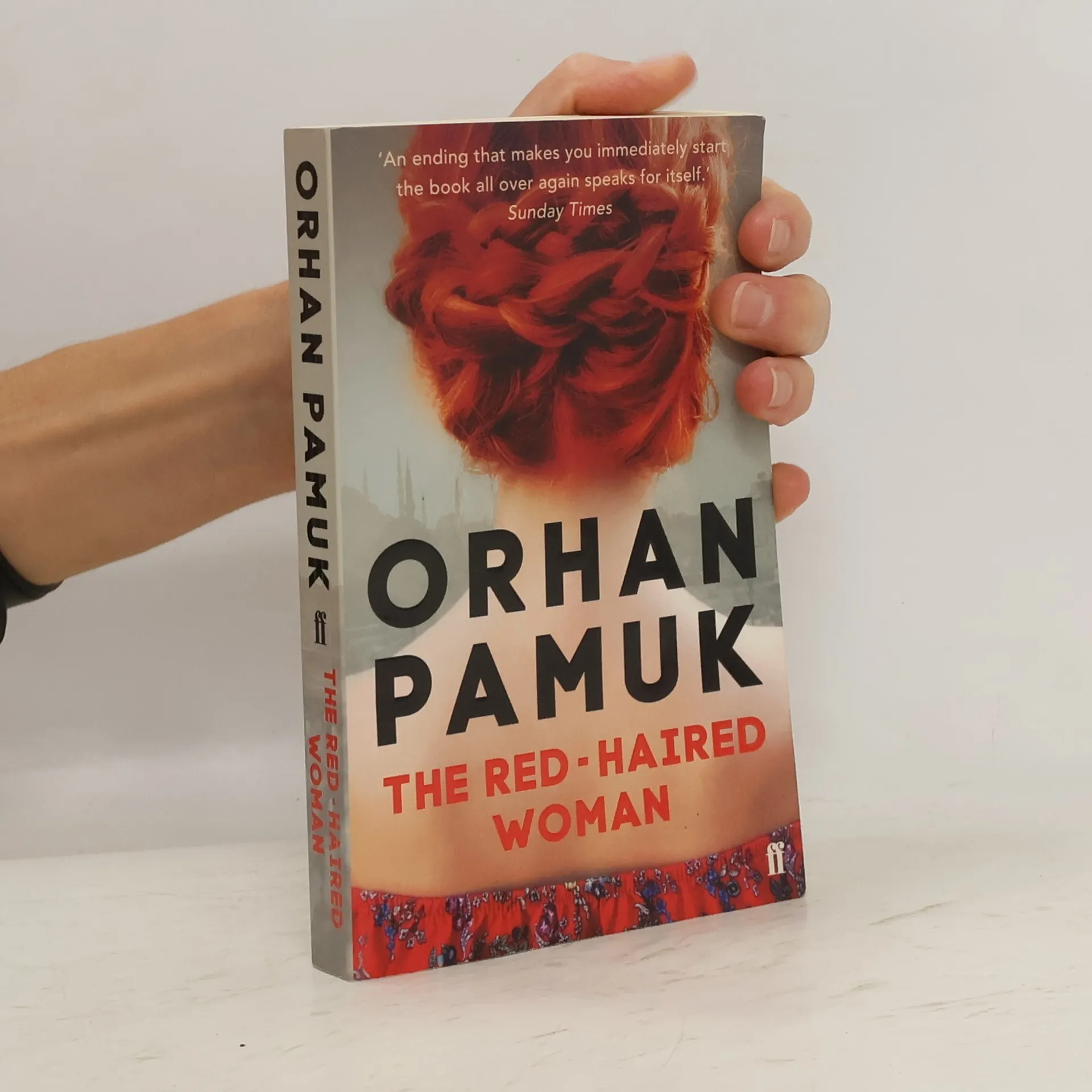
    • On the outskirts of a town thirty miles from Istanbul, a master well-digger and his young apprentice are hired to find water on a barren plain. As they struggle in the summer heat, excavating metre by metre, the two will develop a father-son bond that neither has known before. But in the nearby town, where they spend their evenings, the boy will find an irresistible diversion. The Red-Haired Woman, an alluring member of a travelling theatre group, catches his eye, and she seems as fascinated by him as he is by her. But in his distraction a horrible accident occurs, and he will spend his life unaware of the outcome, or who the Red-Haired Woman was, until many years later.

      The red-haired woman
      3,8
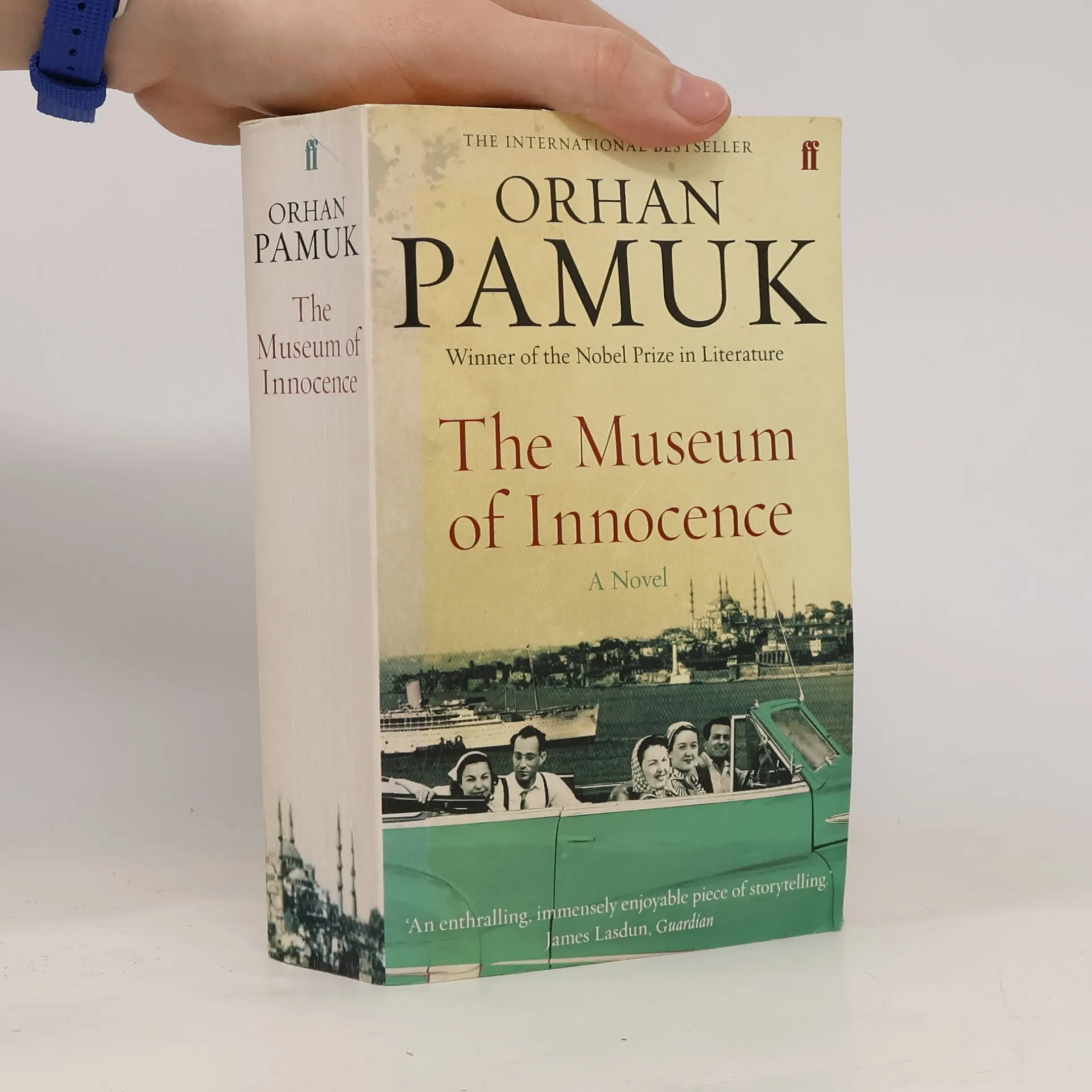
    • The Museum of Innocence

      • 752 strony
      • 27 godzin czytania

      The Museum of Innocence - set in Istanbul between 1975 and today - tells the story of Kemal, the son of one of Istanbul's richest families, and of his obsessive love for a poor and distant relation, the beautiful Fusun, who is a shop-girl in a small boutique. In his romantic pursuit of Füsun over the next eight years, Kemal compulsively amasses a collection of objects that chronicles his lovelorn progress-a museum that is both a map of a society and of his heart. The novel depicts a panoramic view of life in Istanbul as it chronicles this long, obsessive love affair; and Pamuk beautifully captures the identity crisis experienced by Istanbul's upper classes that find themselves caught between traditional and westernised ways of being. Orhan Pamuk's first novel since winning the Nobel Prize is a stirring love story and exploration of the nature of romance. Pamuk built The Museum of Innocence in the house in which his hero's fictional family lived, to display Kemal's strange collection of objects associated with Fusun and their relationship. The house opened to the public in 2012 in the Beyoglu district of Istanbul. 'Pamuk has created a work concerning romantic love worthy to stand in the company of Lolita, Madame Bovary and Anna Karenina.' --Financial Times

      The Museum of Innocence
      3,8
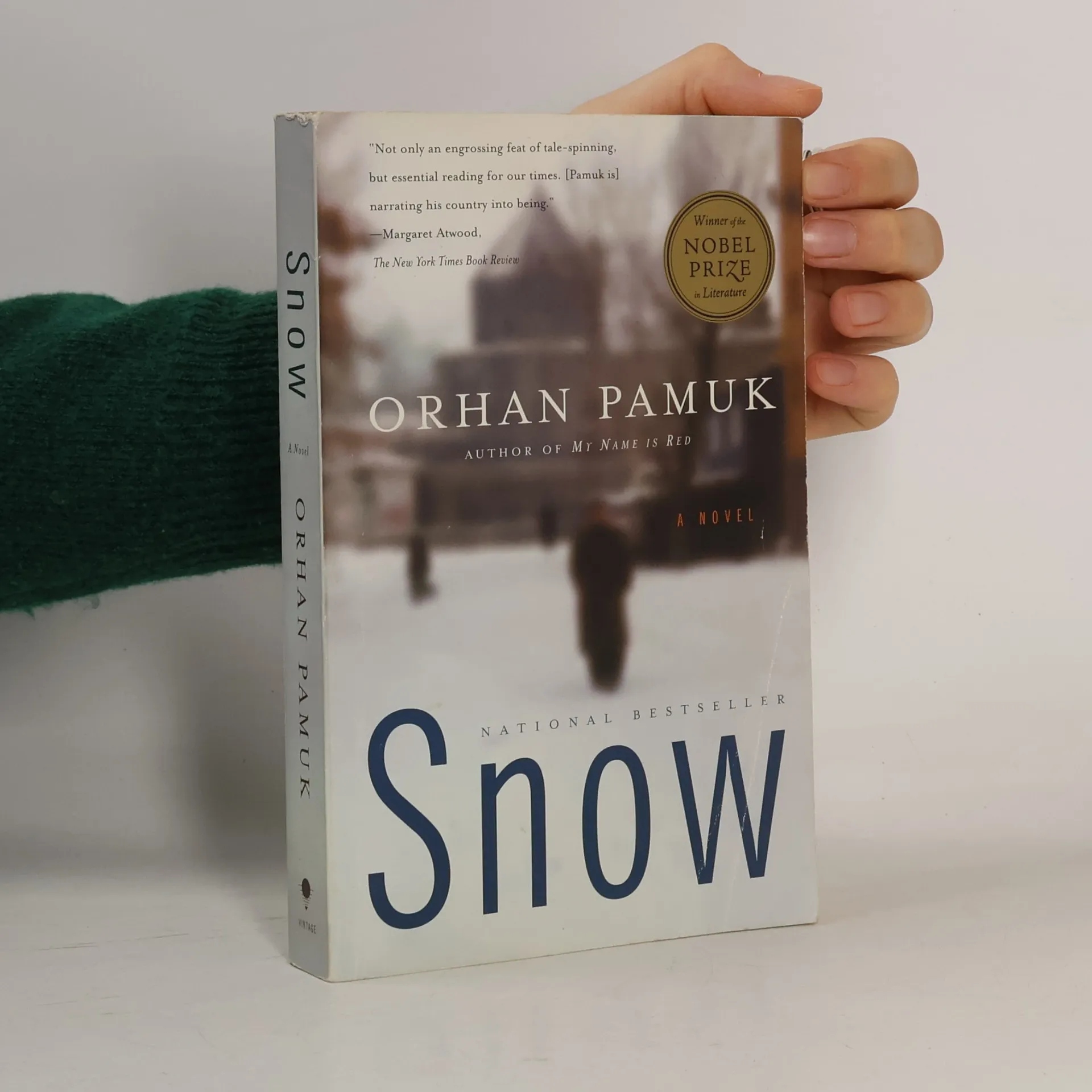
    • NATIONAL BESTSELLER • Touching, slyly comic, and humming with cerebral suspense—a masterful novel of "political intrigue and philosophy, romance and noir" (Vogue) and the lethal chemistry between secular doubt and Islamic fanaticism from the Nobel Prize winner. An exiled poet named Ka returns to Turkey and travels to the forlorn city of Kars. His ostensible purpose is to report on a wave of suicides among religious girls forbidden to wear their head-scarves. But Ka is also drawn by his memories of the radiant Ipek, now recently divorced. Amid blanketing snowfall and universal suspicion, Ka finds himself pursued by figures ranging from Ipek’s ex-husband to a charismatic terrorist. A lost gift returns with ecstatic suddenness. A theatrical evening climaxes in a massacre. And finding god may be the prelude to losing everything else.

      Snow
      3,6
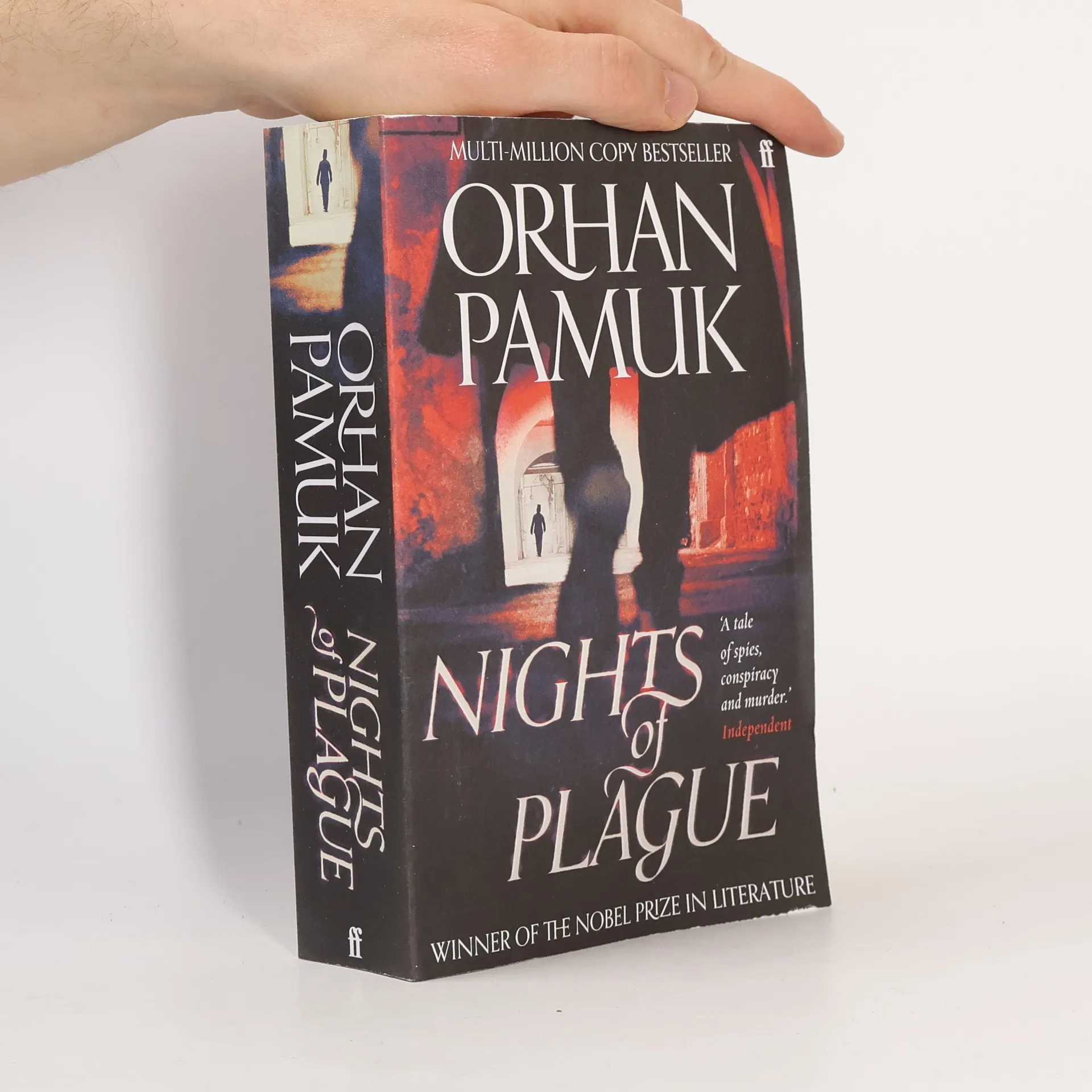
    • A new novel by a Nobel Prize-winning author blends detective elements with a historical epic, set against the backdrop of a fictional island in the Ottoman Empire during April 1900. On Mingeria, located in the eastern Mediterranean, tensions run high between the Muslim and Orthodox Greek populations. The arrival of a plague—possibly brought by returning Muslim pilgrims or merchant ships—ignites chaos. To combat the outbreak, Sultan Abdul Hamid II dispatches his top quarantine expert, an Orthodox Christian. However, resistance from some Muslims, including followers of a prominent religious leader, undermines the quarantine efforts, leading to the expert's murder. As the plague spreads, the sultan sends a second doctor, this time a Muslim, and enforces strict measures. Yet, local governance failures and public defiance result in the quarantine's collapse, causing the death toll to rise. With the threat of the plague reaching Istanbul, the sultan succumbs to international pressure, allowing a blockade of the island. Left to fend for themselves, the people of Mingeria must confront the epidemic. This gripping tale, rich in historical detail and suspense, resonates with contemporary themes despite its setting over a century ago.

      Nights of Plague
      3,6
    • The New Life

      • 304 strony
      • 11 godzin czytania

      'I read a book one day, and my whole life was changed.' So begins The New Life, Orhan Pamuk's fabulous road novel about a young student who yearns for the life promised by a dangerously magical book. He falls in love, abandons his studies, turns his back on home and family, and embarks on restless bus trips through the provinces, in pursuit of an elusive vision. This is a wondrous odyssey, laying bare the rage of an arid heartland. In coffee houses with black-and-white TV sets, on buses where passengers ride watching B-movies on flickering screens, in wrecks along the highway, in paranoid fictions with spies as punctual as watches, the magic of Pamuk's creation comes alive.

      The New Life
      3,6
    • The White Castle

      • 161 stron
      • 6 godzin czytania

      "The White Castle" is a captivating historical fiction novel by a Turkish writer, exploring identity and East-West relations. Set in the 17th century, it follows an Italian scholar captured and held by his double, Hoja, who learns Western knowledge from him. Their relationship raises profound questions about identity and connection.

      The White Castle
      3,6
    • Die Unschuld der Dinge

      Das Museum der Unschuld in Istanbul

      • 264 strony
      • 10 godzin czytania

      Im Frühjahr 2012 wurde es endlich eröffnet - Orhan Pamuks „Museum der Unschuld“. Ausgehend von seinem großen Liebesroman gleichen Titels, in dem Gegenstände aus der Alltagskultur der Türkei eine prominente Rolle spielen, wird Pamuks Sammlung nun dauerhaft in der Istanbuler Altstadt ausgestellt. Seine einzigartigen Objekte beschreibt Pamuk in diesem Buch: Durch alte Postkarten und Filmplakate, Hunderte von hinreißenden Fotografien und skurrile Gegenstände lässt der Literaturnobelpreisträger 2006 das geliebte Istanbul seiner Jugend aufleben, das in der brummenden Metropole von heute aufgegangen ist. Alle, die in die aufregende Stadt am Bosporus reisen, sollten dieses Vademecum dabeihaben: Schöner und hingebungsvoller kann eine Stadt nicht gezeigt werden.

      Die Unschuld der Dinge
      4,3
    • Dževdet i sinovi

      • 693 strony
      • 25 godzin czytania

      Dževdet i sinovi je priča o tri generacije jedne bogate istanbulske porodice s Nišantaša - od pada Osmanskog carstva 1908. godine do zbivanja neposredno pred vojni puč 1971. godine. Gospodin Dževdet je vlasnik malog dućana, u svoje vrijeme prvi i jedini trgovac musliman u Istanbulu, a najveća želja mu je da zasnuje savremenu i modernu porodicu po zapadnim standardima. Želju pokušava ostvariti napustivši svoju porodicu koja gaji tradicionalne manire i potiče iz provincije, a njegova priča i priča njegovih sinova i unuka je istovremeno i priča o modernizaciji u Republici Turskoj. Roman oslikava tradicionalni porodični ambijent, ali i život u novom apartmanu, velike porodoce koje se evropeiziraju, ljetovanja, izlaske na Bejoglu, odlazak u kupovinu, nedjeljno poslijepodne u kojem se sluša radio, previranja i kolebanja, oduševljavanje turskim nacionalnim pokretom na jednoj strani, prihvatanje ljevičarskih stavova na drugoj, ali i lažni sjaj nekadašnjih begovskih porodica... Sinovi gospodina Dževdeta su različiti: dok stariji sin Osman želi naslijediti i unaprijediti očev posao i živjeti tipičnim buržujskim životom, mlađi Refik se koleba rastrzan između svog stvarnog života i revolucionarnih ideja kojima se zanosi... Ahmet, unuk gospodina Dževdeta, slikar, predstavnik je nove generacije, pobornik ljevičarskih ideja.

      Dževdet i sinovi
      4,2
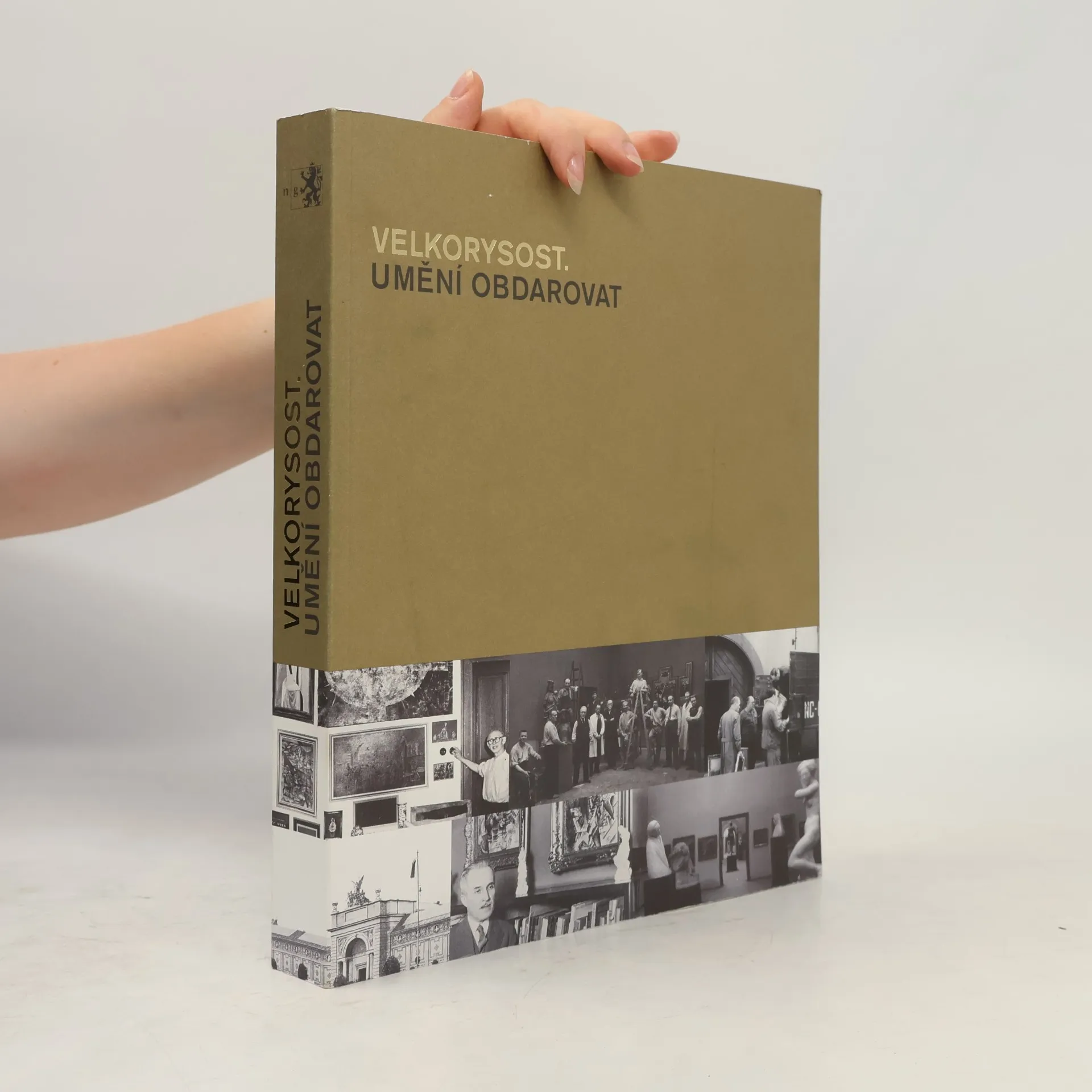
    • Publikace, jež vyšla k 220. výročí založení Společnosti vlasteneckých přátel umění, předchůdkyně Národní galerie v Praze, je souborem esejů představujících jakousi autobiografii Národní galerie v Praze, jejíž existence je mimo jiné založená na aktu velkorysých gest dávání a sdílení. Eseje vzdávají hold otcům zakladatelům, jednotlivým donátorům a institucím, umělcům a sběratelům, kteří galerijním sbírkám poskytli ničím nepodmíněný dar či dočasnou výpůjčku, provedli směnu nebo galerijním sbírkám – od starých mistrů přes grafiku a kresbu, umění Asie a Afriky až po umění 19. století a moderní a současné umění včetně architektury – a návštěvníkům prospěli jakýmkoli jiným způsobem. Kniha zahrnuje také texty věnované historii sběratelství a formativní roli štědrosti a velkorysosti v procesu vzniku sbírkových institucí. Komplexní obrázek dokreslují výňatky z filozofických, literárních a básnických děl, které problematiku velkorysosti zasazují do širších ideových souvislostí.

      Velkorysost. Umění obdarovat
      3,0
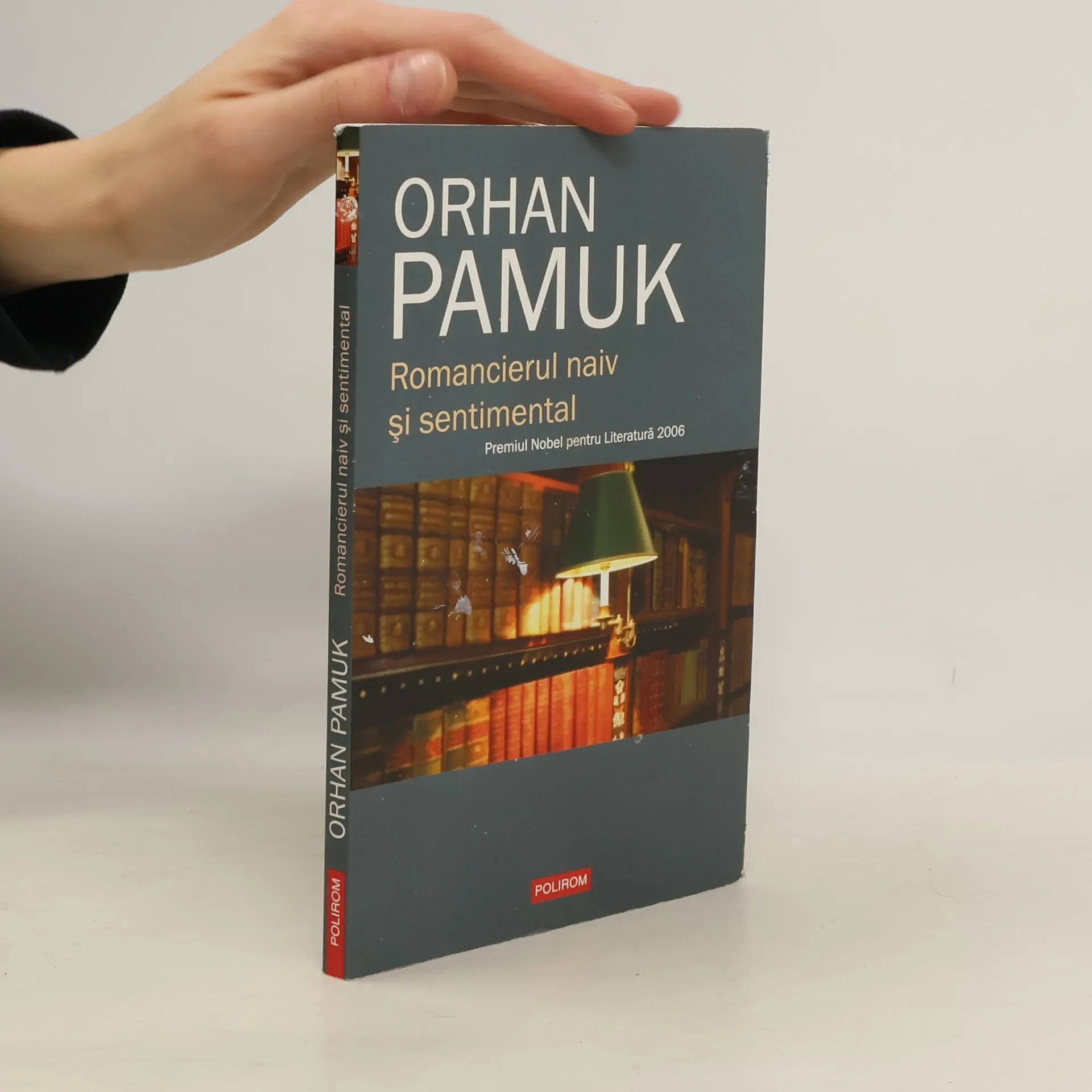
    • Romancierul naiv şi sentimental

      • 184 strony
      • 7 godzin czytania

      Ce se intimpla cu noi, si in noi, cind citim un roman? Cum se naste acel „efect de lectura a romanului”, atit de diferit de ceea ce simti cind privesti un tablou sau citesti o poezie? In aceasta colectie de eseuri despre literatura si despre el insusi, Orhan Pamuk ne arata cum se alcatuiesc cele doua lumi – a scrisului si a cititului – si cum ajung ele sa se uneasca. „La sfirsitul lecturii, aflam mai multe despre Pamuk insusi decit despre cum scrie Pamuk. Aflam ca e genial, ca nu inceteaza sa se priveasca mereu de aproape, ca nu-l intereseaza o teorie coerenta a romanului, ci o stare a scrisului si a cititului.” (Financial Times) „Oricine se crede romancier ar trebui sa citeasca eseurile lui Pamuk – pentru ca trebuie sa invatam de la aceia care chiar se pricep.” (The Telegraph)

      Romancierul naiv şi sentimental
      4,1
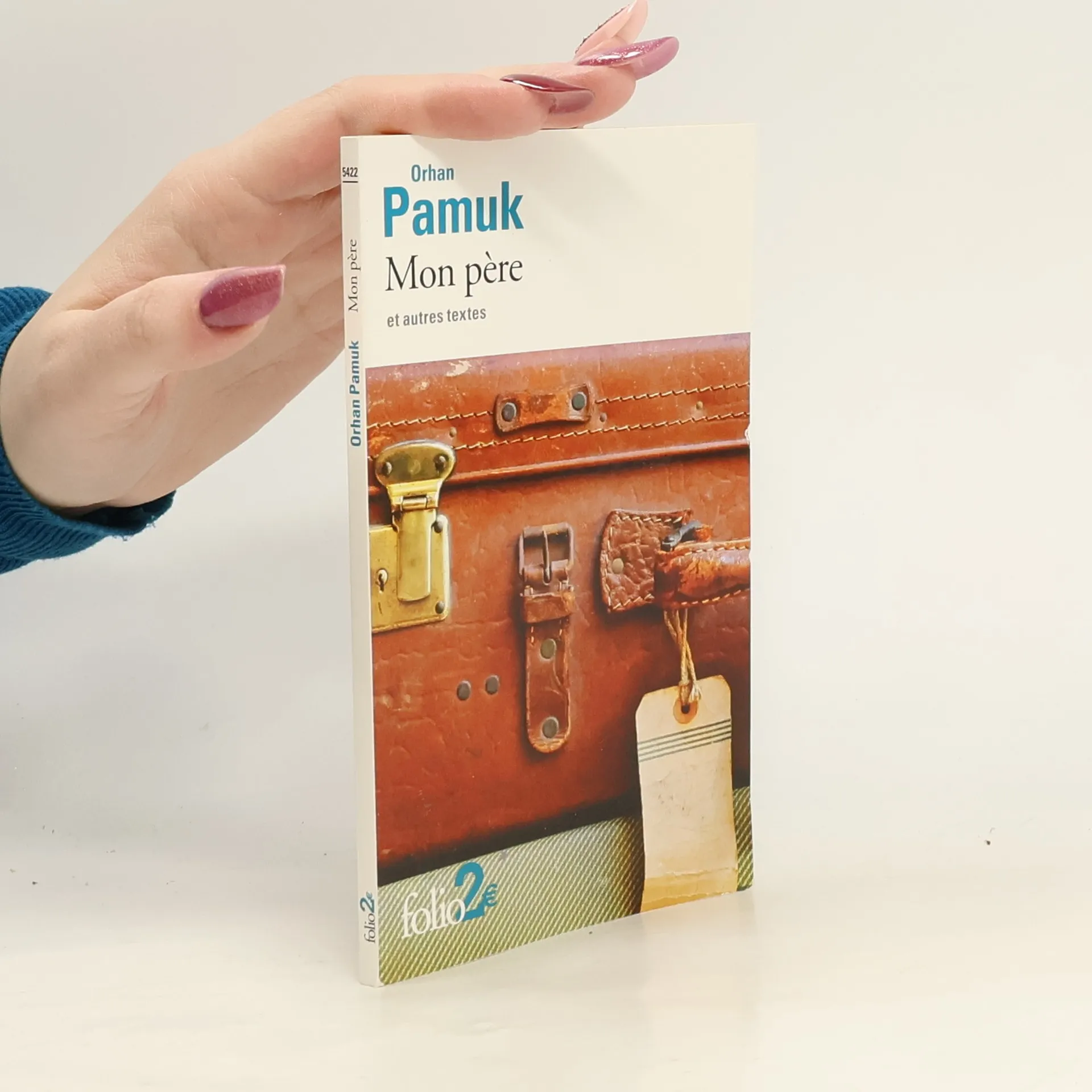
    • "J'aimais qu'il m'emmène au cinéma, j'aimais l'entendre parler à un tiers du film que nous avions vu ; j'aimais sa façon de se moquer des imbéciles, des gens creux et teigneux, comme j'aimais l'entendre parler d'une nouvelle variété de fruit, d'une ville qu'il avait visitée, d'un livre ou des dernières nouvelles, mais je voulais surtout qu'il me cajole et m'aime encore plus." Le grand écrivain turc Orhan Pamuk, Prix Nobel de littérature 2006, évoque dans une langue vibrante d'émotion la place de son père dans sa destinée d'homme et d'écrivain.

      Mon père et autres textes
      4,0
    • Manzaradan parçalar

      Hayat, sokaklar, edebiyat

      • 563 strony
      • 20 godzin czytania

      Orhan Pamuk bu yeni kitabında, çocukluğundan başlayarak hayatından, yaşadıklarından bütün içtenliğiyle söz ediyor. Yazarın babasının ölümü, siyasi dertleri, futbol oynarken ya da romanlarını yazarken hissettikleri, tıpkı annesinin sigara böreği yapışı, yaz gecesi bir sivrisineğin hareketleri ve Boğaz gemileri hakkındaki gözlemleri gibi büyük bir manzaranın parçası olarak dikkatle işleniyor. Pamuk İstanbul’dan, Adalar’dan, New York’tan, Venedik ya da Kalküta’dan söz ederken yaptığı gibi, kendi suçluluk duygularından, rüyalarından, eski berberlerden ya da çocukluğunda sokaklarda atıştırdığı şeylerden de bütün dikkatiyle hikâyeler çıkarıyor. Konu ister Binbir Gece Masalları, ister Dostoyevski’nin romanları, ister eski ressamlar, ister Selimiye Camii olsun, Pamuk gözlemlerini, duygularını sıralarken akılda sevdiğimiz bir hikâyecinin tanıdık ve unutulmaz sesi kalıyor. Tıraş olmaktan asansöre binmeye, dünyayı çocuk gibi seyretmekten deprem endişelerimize, trafik ve dinden eski yangınlar ve yıkımlara uzanan bu kitap, Orhan Pamuk’un gözünden bakıldığında dünyanın ne kadar ilginç ve yeni olabileceğini bir kere daha kanıtlıyor.

      Manzaradan parçalar
      4,0
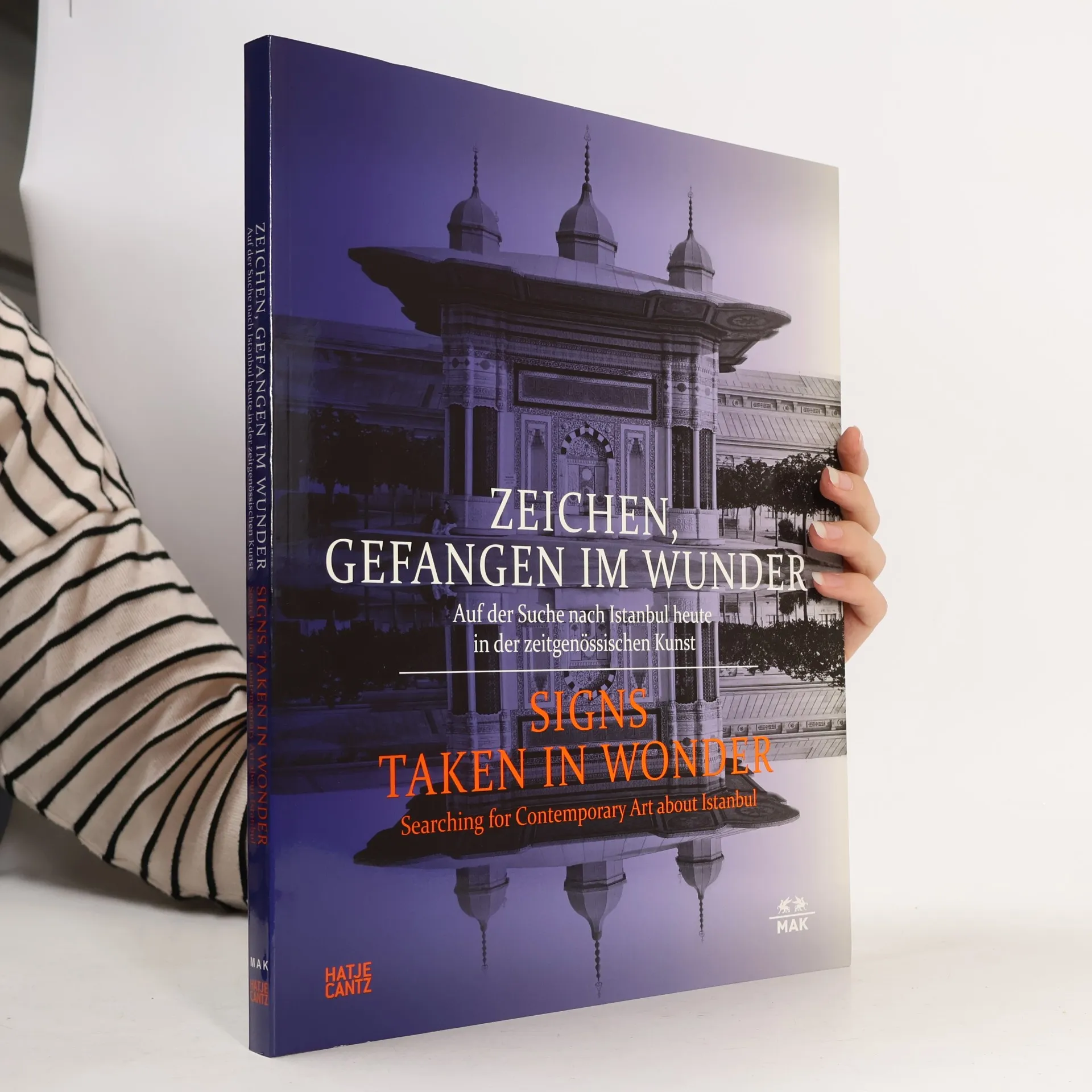
    • Zeichen, gefangen im Wunder / Signs Taken in Wonder

      Auf der Suche nach Istanbul heute in der zeitgenössischen Kunst / Searching for Contemporary Art about Istanbul

      • 168 stron
      • 6 godzin czytania

      Der Band kreist um den Augenblick des Wunders und des Erstaunens während der Entdeckung einer Stadt, ihrer Kunst und Kultur. Im Zentrum der Betrachtung stehen dabei Aspekte der Narration in der aktuellen zeitgenössischen künstlerischen Produktion Istanbuls und zwar in Literatur wie bildender Kunst. Die angebotenen Essays und Kunstwerke reflektieren die kulturelle Verortung der Stadt innerhalb der internationalen Gegenwartskunst und nähern sich den großen Themenkomplexen Innenschau, Weltkonstruktion und Wahrnehmung von den unterschiedlichsten Positionen aus. Künstler und Künstlerinnen aus drei Generationen skizzieren anhand zahlreicher Einzelprojekte persönliche und visionäre Erzählungen, die ihre weitreichenden äußeren und inneren Wandlungsprozesse dokumentieren. Die präsentierten Künstler (Auswahl): Hamra Abbas, Murat Akagündüz, Yesim Akdeniz, Eylem Aladogan, Meriç Algün Ringborg , Hüseyin Bahri Alptekin, Halil Altindere, Kutlug Ataman, CANAN, Asli Çavusoglu, Cengiz Çekil, Banu Çennetoglu, Mutlu Çerkez, Antonio Costantino, Canan Dagdelen, Lukas Duwenhögger, Erdem Ergaz, Cevdet Erek, Murat Gök, Nilbar Güres, Sibel Horada, Emre Hüner, Aki Nagasaka, Marcel Odenbach, Ahmet Ögüt, Füsun Onur, Mario Rizzi, Nasra Simmes, Günes Terkol, Erdem Tasdelen, Cengiz Tekin, Irem Tok, Uygur Yilmaz Ausstellung: MAK, Wien 23.1.–21.4.2013

      Zeichen, gefangen im Wunder / Signs Taken in Wonder
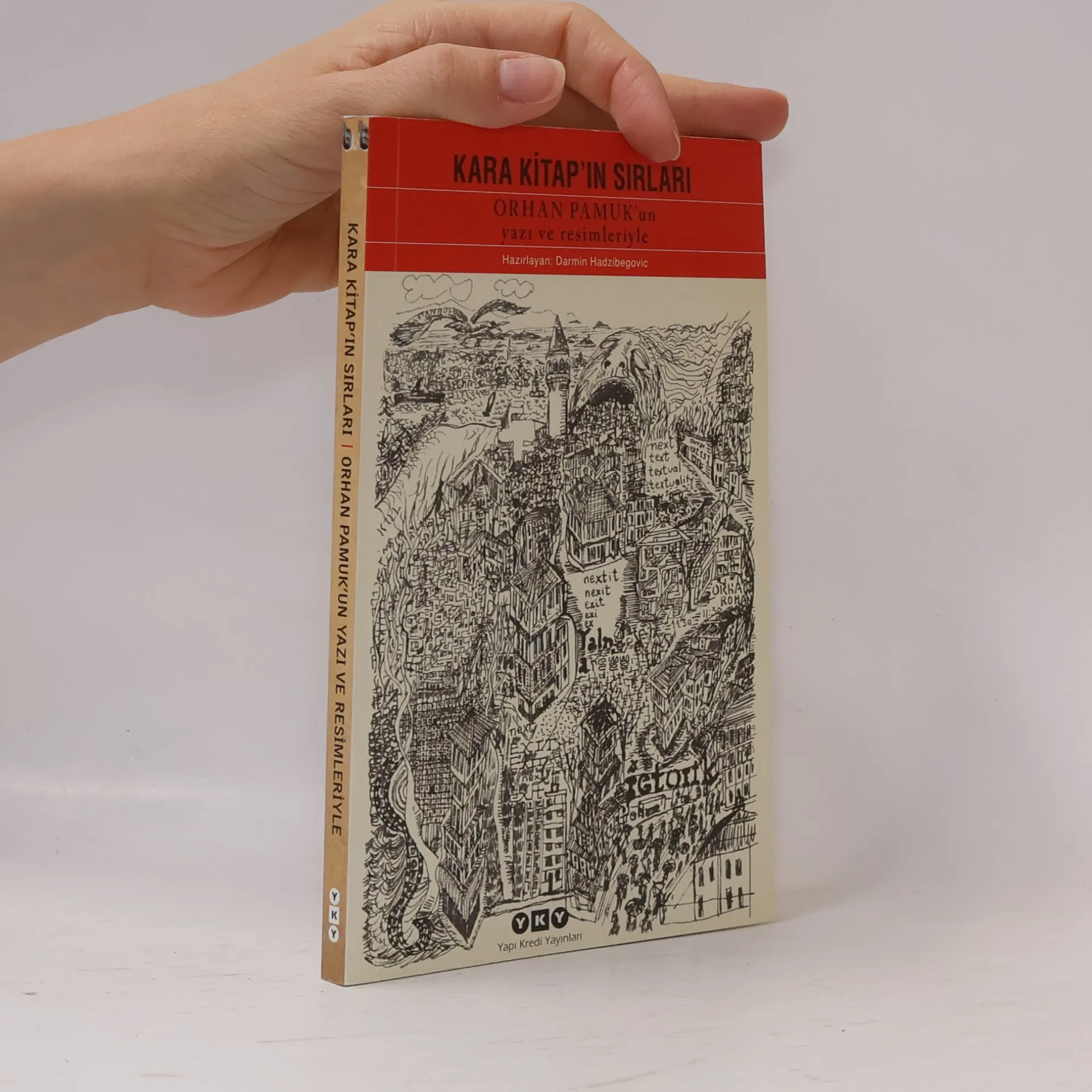
    • Kara Kitap'ın Sırları

      • 128 stron
      • 5 godzin czytania

      "Hayatının romanını yazacaksın." Türk Edebiyatı'nın en tuhaf, en değişik ve en özgün eserlerinden biri olan Kara Kitap'ı yazmaya hazırlanırken, böyle seslenmişti kendisine defterlerinde Orhan Pamuk; tarih, Eylül 1985'ti... Peki 1990'da yayınlanan bu "ele gelmez" metnin ne kadarı yazarın yaşamından, ne kadarı hayal gücünden, ne kadarı başka düşüncelerden ve etkilerden oluşuyordu? Kara Kitap'ın Sırları, okuyucuyu bu labirentlerle örülü "mutfağına" götürüyor: Pamuk'un atölyesinde ağırlanan okur, romanın otobiyografik ve etki kaynaklarını yakından tanıyor, yazarın "romancılık sırları"na ortak oluyor.

      Kara Kitap'ın Sırları
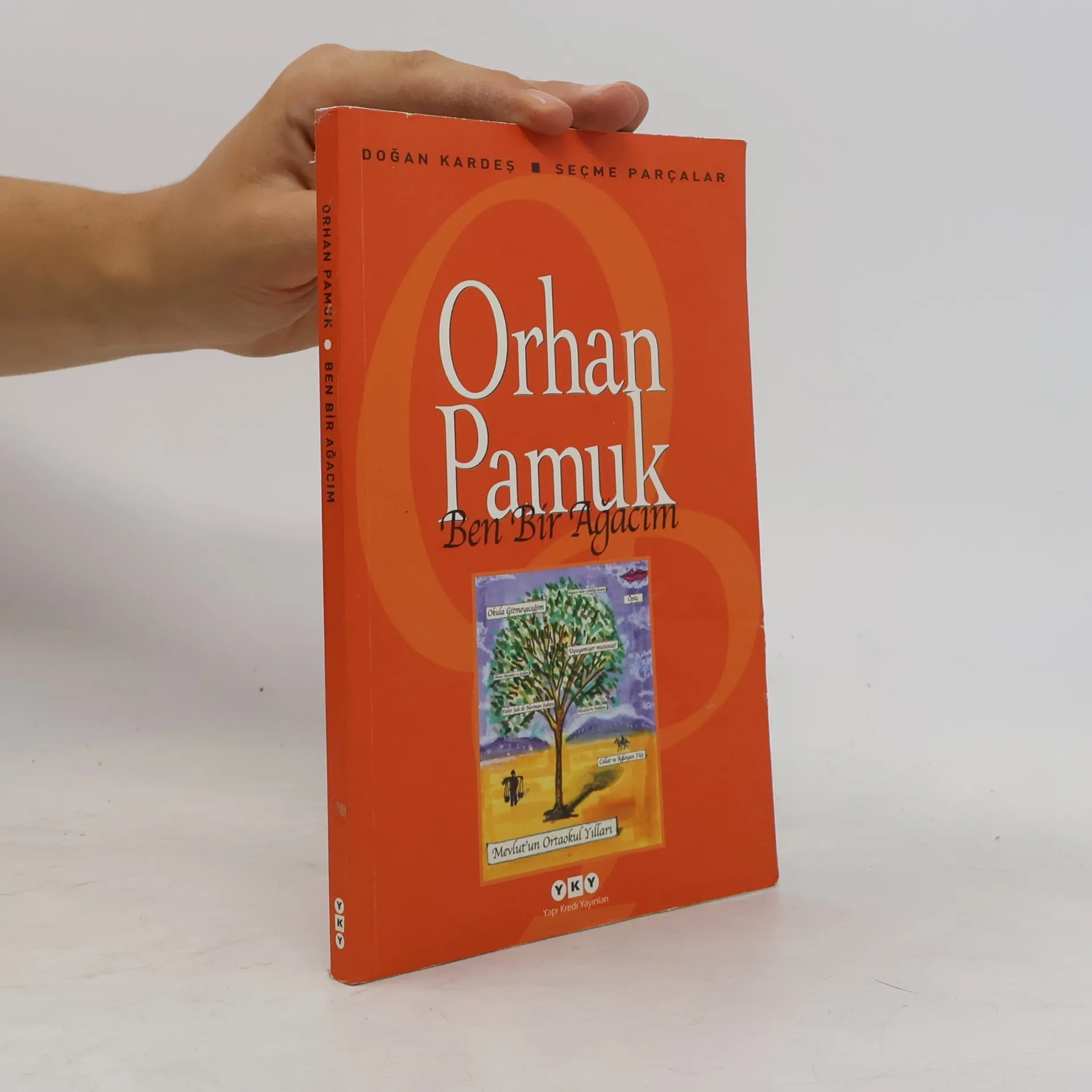
    • Ben Bir Ağacım

      • 128 stron
      • 5 godzin czytania

      Herkes için Orhan Pamuk "Bu kitapta, şimdiye kadar yazdığım sayfalardan, en kolay anlaşılabilir ve en güçlü olanları seçmeye çalıştım." Çocukluk ve okul hikâyeleri ve tarihten sayfalar Orhan Pamuk, diğer kitaplarından bu parçaları kitaba alırken metinlere dokundu, eski yazılarını değiştirdi, cümleler, paragraflar ekledi, başlıklar koydu. Pamuk'un kırk yıllık yazarlık hayatının en güzel sayfalarından yapılan bu seçme hem onun yeni ve genç okurlarının, hem de yazarın eski takipçilerinin ilgisini çekecek. "Kitabın kalbinde, hakkında hayaller kurmaktan hoşlandığım iki konu var: Tarihin esrarlı yüzü ve çocukluk ve öğrencilik yıllarının hatıraları. Romanlarımda ve düzyazılarımda bu iki kaynağa hep geri döndüm. Her seferinde de iki konunun kafamda iç içe geçtiğini hissettim. Yani: Tarihin çocuksu yanı ile çocukluğun tarihsel yanı." Hiç yayımlanmamış bir hikâye Ben Bir Ağacım'da Pamuk, Osmanlı zamanının bir celladını, bir padişahın kıskançlığını anlatıyor, bir ağacı, bir resmi konuşturuyor ve kendi çocukluk, gençlik ve okul hatıralarını hikâye ediyor. Pamuk'un yeni romanı Kafamda Bir Tuhaflık'ın kahramanı Mevlut Karataş'ın ortaokul yıllarının hikâyesiyle...

      Ben Bir Ağacım
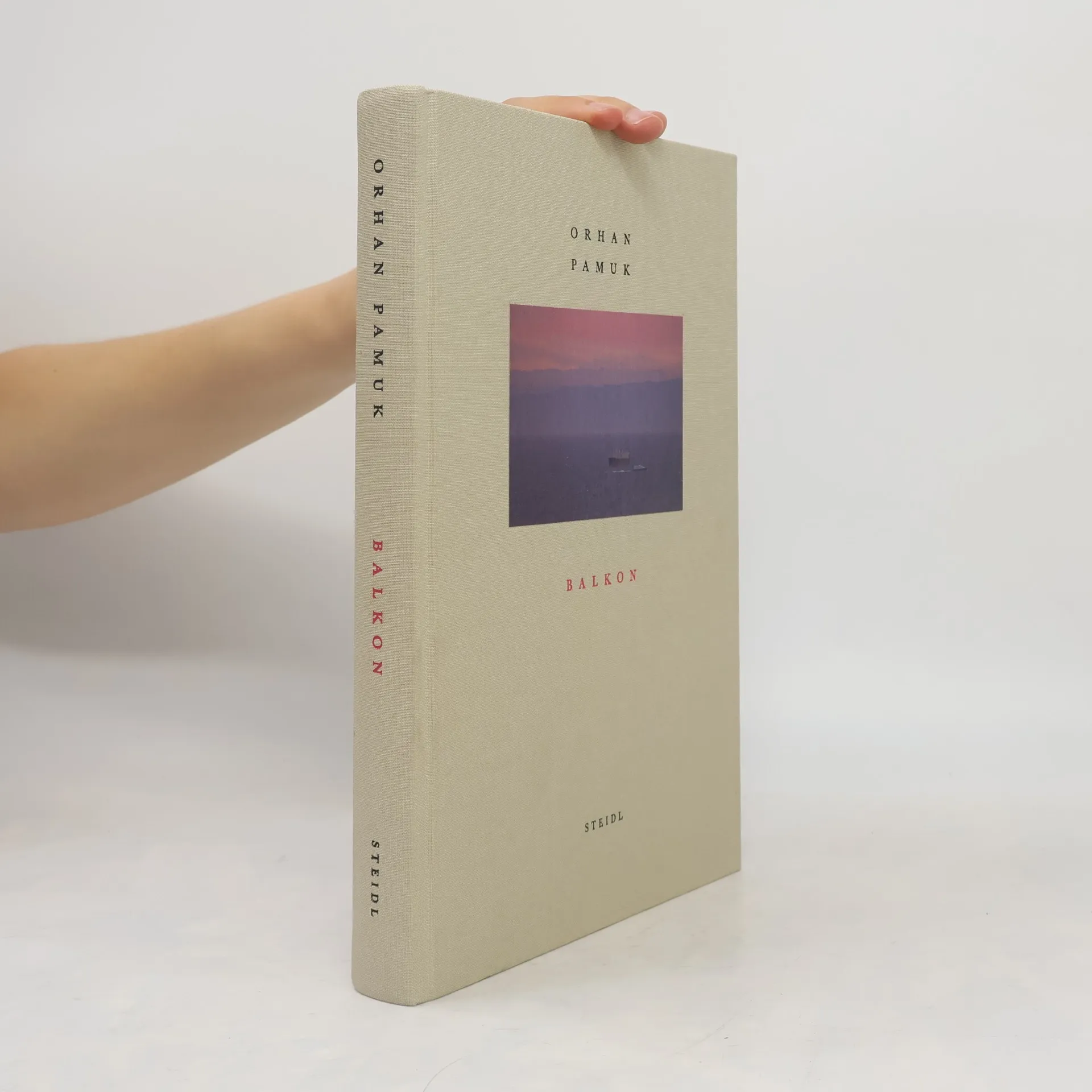
    • Balkon

      • 200 stron
      • 7 godzin czytania

      Orhan Pamuk, der Literaturnobelpreisträger, ist nicht nur ein Romanautor, sondern auch ein leidenschaftlicher Fotograf. Schon in seiner Jugend hielt er mit großer Hingabe die Schönheit seiner Heimatstadt Istanbul fest, insbesondere den Blick auf den Bosporus und die unterschiedlichen Stadtteile. In den Wintermonaten 2016/17 kehrte Pamuk zur Fotografie zurück und schuf dabei 8.500 Farbfotografien von seinem Balkon in Cihangir. Oft verließ er seinen Schreibtisch nur, um den Bewegungen der Boote und den Veränderungen der Landschaft zu folgen. Diese fotografischen Arbeiten entstanden aus dem Bedürfnis heraus, flüchtige Momente festzuhalten. Mit jeder aufgenommenen Szene stellte sich eine melancholische Stimmung ein, die ihn mit Fragen konfrontierte: Warum mache ich diese Bilder? Wie verknüpfen sich Sehen und Fotografieren? Was fasziniert uns an der Darstellung von Landschaften in Fotografie und Natur? In seiner einführenden Reflexion bietet Pamuk einen tiefsinnigen und intimen Einblick in seine Gedanken und die Kunst des Fotografierens. Die Sammlung präsentiert 486 dieser eindrucksvollen Landschafts- und Seelenbilder, die die einzigartige Perspektive des Nobelpreisträgers widerspiegeln.

      Balkon