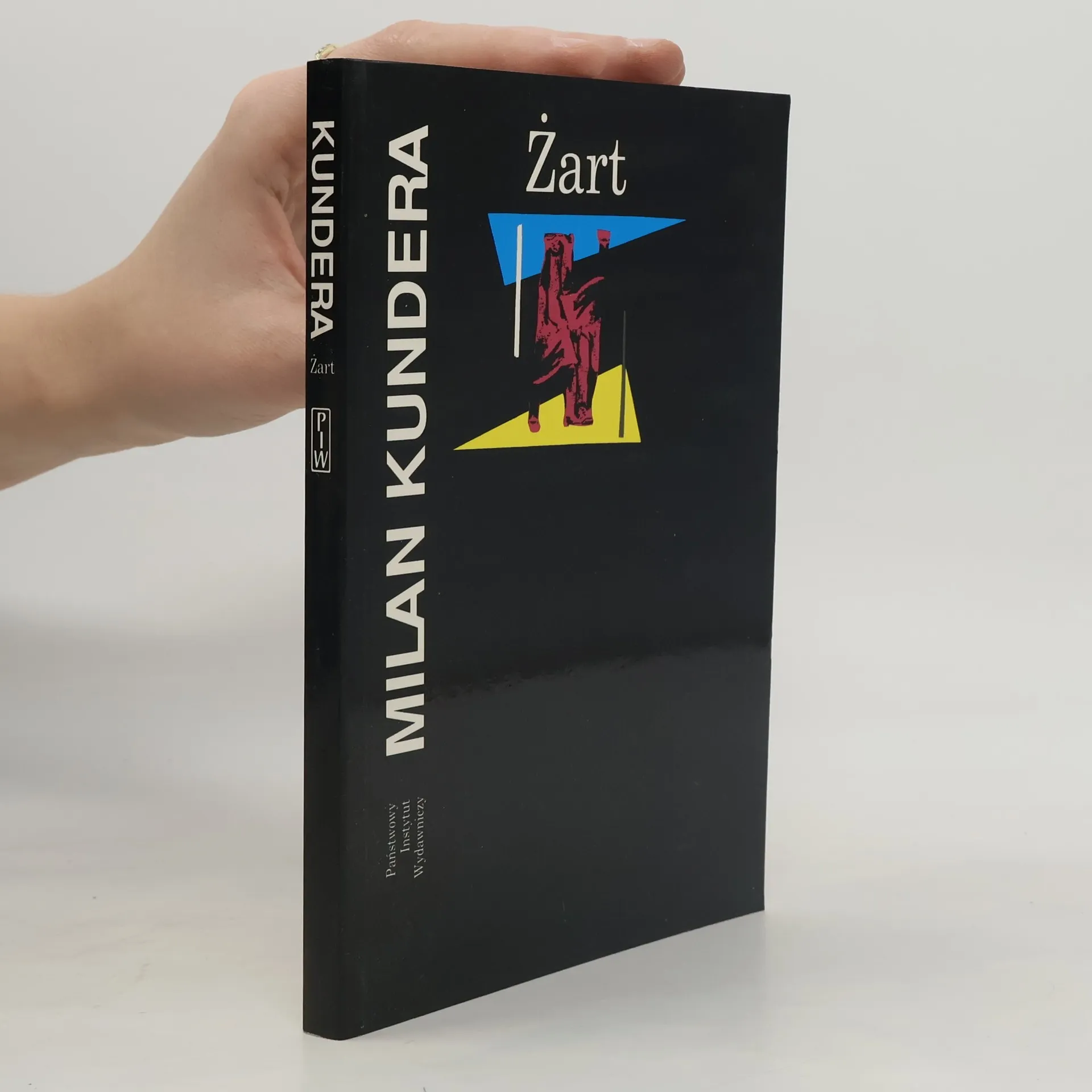
„Żart” to pierwszy powieść Milana Kundery, opublikowana w 1967 roku. Głównym bohaterem jest Ludvík Jahn, który wczesnych latach pięćdziesiątych był zapalonym komunistą. Został jednak wydalony z uniwersytetu i partii za żartobliwą pocztówkę wysłaną koleżance Markétě na szkoleniu socjalistycznym. Po dziesięciu latach pragnie zemścić się na byłym koledze Zemánku, który w kluczowym momencie go zdradził, planując uwieść jego żonę Helenę. Odkrywa jednak, że Zemánkowie już się rozstali. Większość tekstu to retrospektywne opowiadanie, w którym Ludvík wraca do rodzinnego miasta, aby zrealizować swoją zemstę, a powody jego działań oraz wcześniejsze życie są wyjaśniane w kolejnych rozdziałach. Choć powieść komentuje polityczną atmosferę lat pięćdziesiątych i sześćdziesiątych, autor skupia się głównie na relacjach i miłościach Ludvíka. Zawiera także fragmenty poświęcone morawskiej muzyce ludowej.
Michael Henry Heim Książki

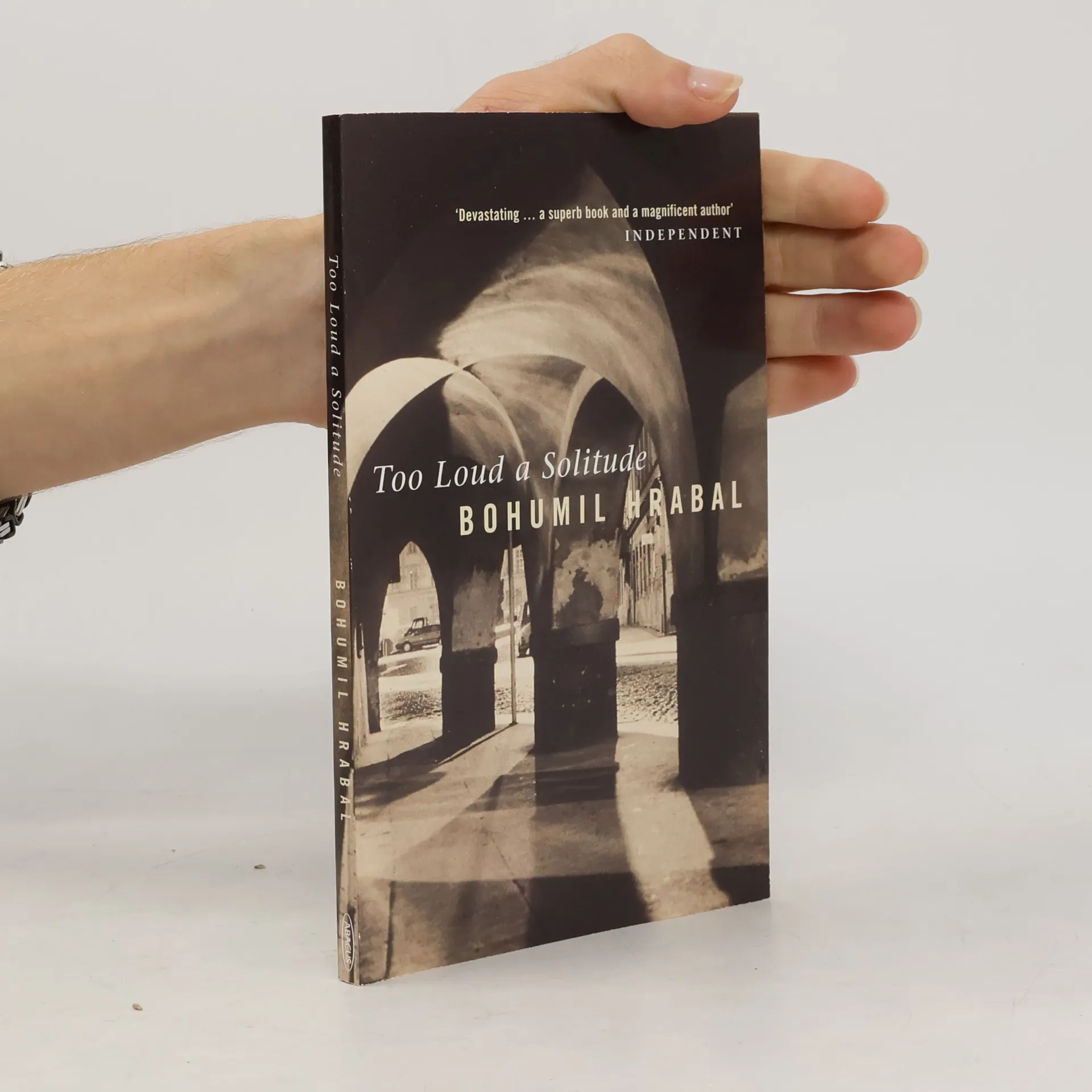
Too Loud a Solitude
- 112 stron
- 4 godziny czytania
TOO LOUD A SOLITUDE is a tender and funny story of Hant'a - a man who has lived in a Czech police state - for 35 years, working as compactor of wastepaper and books. In the process of compacting, he has acquired an education so unwitting he can't quite tell which of his thoughts are his own and which come from his books. He has rescued many from jaws of hydraulic press and now his house is filled to the rooftops. Destroyer of the written word, he is also its perpetuator. But when a new automatic press makes his job redundant there's only one thing he can do - go down with his ship. This is an eccentric romp celebrating the indestructability- against censorship, political opression etc - of the written word.
The Encyclopaedia of the Dead
- 208 stron
- 8 godzin czytania
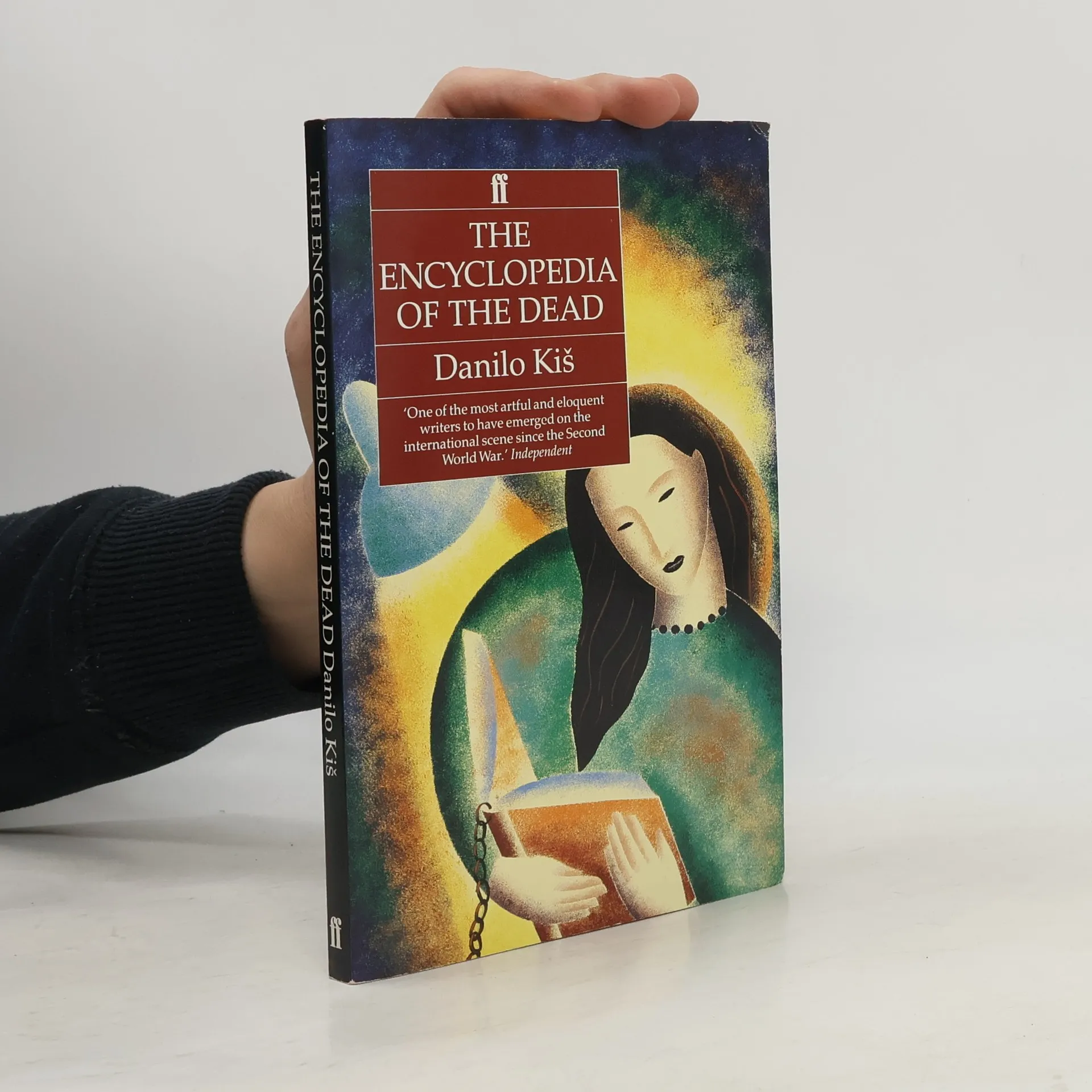
An entrancing collection of short stories from a renowned 20th century European writer, now part of Penguin Modern Classics, features a counter-prophet striving to prove his power, a girl witnessing her family's grim fate through a gypsy's mirror, and the unexpected uprising following a prostitute's death. These narratives explore themes of love and death, truth and lies, myth and reality, spanning various epochs and settings. The author masterfully blends fact with fiction, and horror with comedy in this final work, published in Serbo-Croatian in 1983. Recognized as one of the great European writers of the post-war era, his writing is described as compulsively readable, with a unique blend of fantasy and reality reminiscent of Pirandello and Borges, yet distinctly original. His intense and exotic mysteries suggest unspeakable secrets that remain elusive. Born in the Kingdom of Yugoslavia in 1935, the author experienced a turbulent childhood during World War II, which claimed several family members. He later studied literature at the University of Belgrade, where he spent most of his life, producing novels, short stories, and poetry, and receiving the prestigious NIN Award for his novel Pešcanik before his death in Paris in 1989.
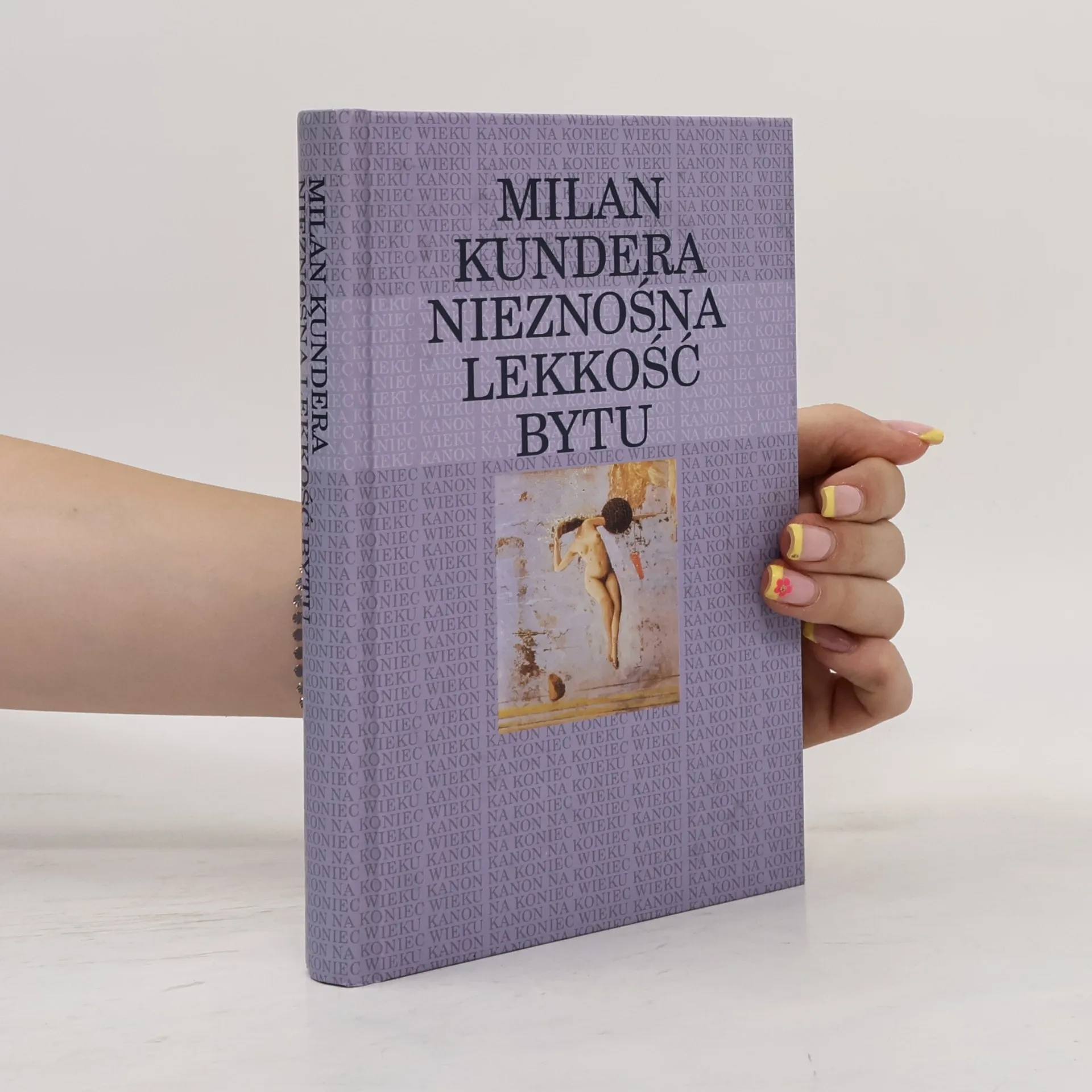
Pierwsza publikacja w 1984 roku, ta powieść jest najważniejszym dziełem Milana Kundery, łączącym jego kluczowe tematy. Fabuła koncentruje się na losach kilku postaci (i psa), które odkrywają, że jedynym, co im pozostaje, jest tytułowa lekkość. Kundera bada przypadek jako siłę kształtującą ludzkie życie. Miłość, wybory życiowe, a także relacje z innymi ludźmi są determinowane przez przypadek. W kontekście totalitaryzmu, przypadek staje się jeszcze bardziej paradoksalny, gdyż reżim stara się go wyeliminować, narzucając sztuczne ograniczenia. Biografie postaci wirują pomiędzy prawdą a fikcją. Styl powieści jest lekki i pozornie chaotyczny, wypełniony ogólnymi stwierdzeniami, które można uznać za nieważne. Kiedy Milan przekazał mi rękopis, jego treść poruszyła mnie głęboko, przypominając o moich doświadczeniach z Pragi w 1968 roku oraz o polskim Sierpniu. Uważałam, że powieść zawiera cenne doświadczenia dla polskiego czytelnika, więc poprosiłam Kunderę o zgodę na tłumaczenie. Z entuzjazmem się zgodził i dokładnie przeczytał przekład, mimo że nie znał polskiego. Kundera, urodzony w 1929 roku, jest jednym z najbardziej znanych czeskich pisarzy, uczestnikiem Praskiej Wiosny, który w 1975 roku emigrował do Francji.
Praga magiczna
- 656 stron
- 23 godziny czytania
Ta niezwykła książka to pełen blasku, teatralny miks historii, podróżopisarstwa, fikcyjnego szkicu, krytyki artystycznej i literackiej oraz eseju osobistego. Angelo Ripellino wykracza poza turystyczny stereotyp Pragi, wydobywając z niej tajemnicę, ambiwalencję, mrok, letarg i ukrytą fascynację miastem nad Wełtawą. Wykorzystuje melodramat i opowieści o duchach, a także historie z zaczarowanej drogi i ryzykownego baru, aby ukazać czar Bohemii w wspaniałym połączeniu faktu i fikcji. Książka otwiera się na ulicach Starego Miasta, gdzie wciąż krążą Kafka i Hašek. W drugiej części przenosimy się do XVII wieku, z jego akcentem na okultyzm. Podczas podróży zwiedzamy praskie burdele, teatry, getto, laboratoria alchemików i kawiarnie, towarzysząc Rudolfowi II, Apollinaire'owi i czeskim dadaistom. Efektem tej wyimaginowanej wycieczki jest głębsza wiedza o mieście, której nie dostarczy żaden zwykły przewodnik, oraz ekscytujące wprowadzenie do czeskiej kultury.
Contemporary Czech
- 271 stron
- 10 godzin czytania
Developed by Professor Michael Heim (UCLA), the text contains grammar, extensive model sentences, and exercises (Part 1) and a series of review lessons (Part 2). Vocabulary and sentences are recorded along with a selection of exercises. Czech-English, English-Czech glossaries are provided. This intermediate course is particularly helpful for those who have a command of Russian. text. Product no. AFCZ10D
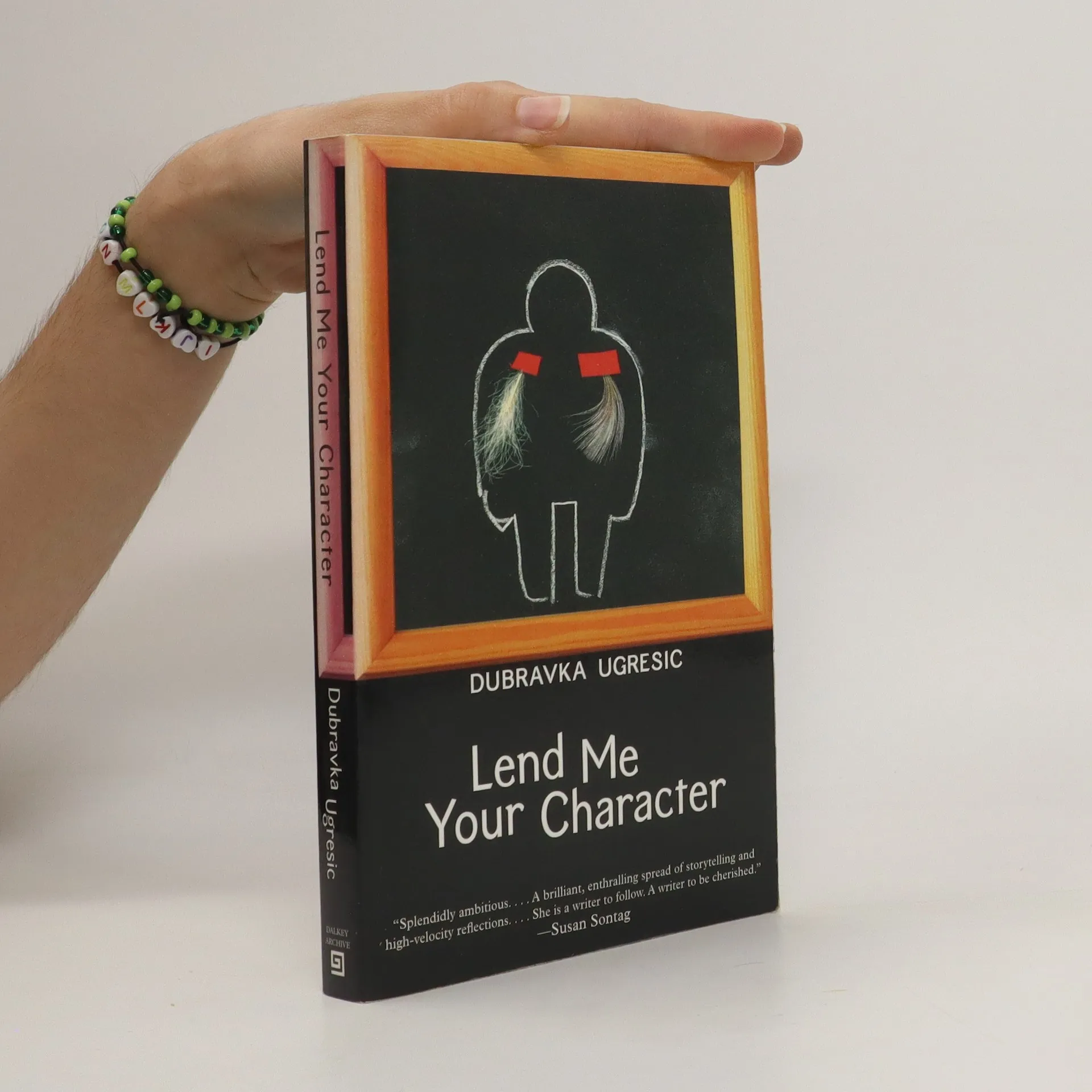
The pieces collected in Lend Me Your Character—the novella "Steffie Cvek in the Jaws of Life" and a collection of short stories entitled Life Is a Fairy Tale— solidify Dubravka Ugresic's reputation as one of Eastern Europe's most playful and inventive writers. From the story of Steffie Cvek, a harassed and vulnerable typist whose life is shaped entirely by clichés as she searches relentlessly for an elusive romantic love in a narrative punctuated by threadbare advice from women's magazines and constructed like a sewing pattern, to "The Kharms Case," one of Ugresic's funniest stories ever about the strained relationship between a persistent translator and an unresponsive publisher, the pieces in this collection are always smart and endlessly entertaining.
Księga śmiechu i zapomnienia
- 230 stron
- 9 godzin czytania
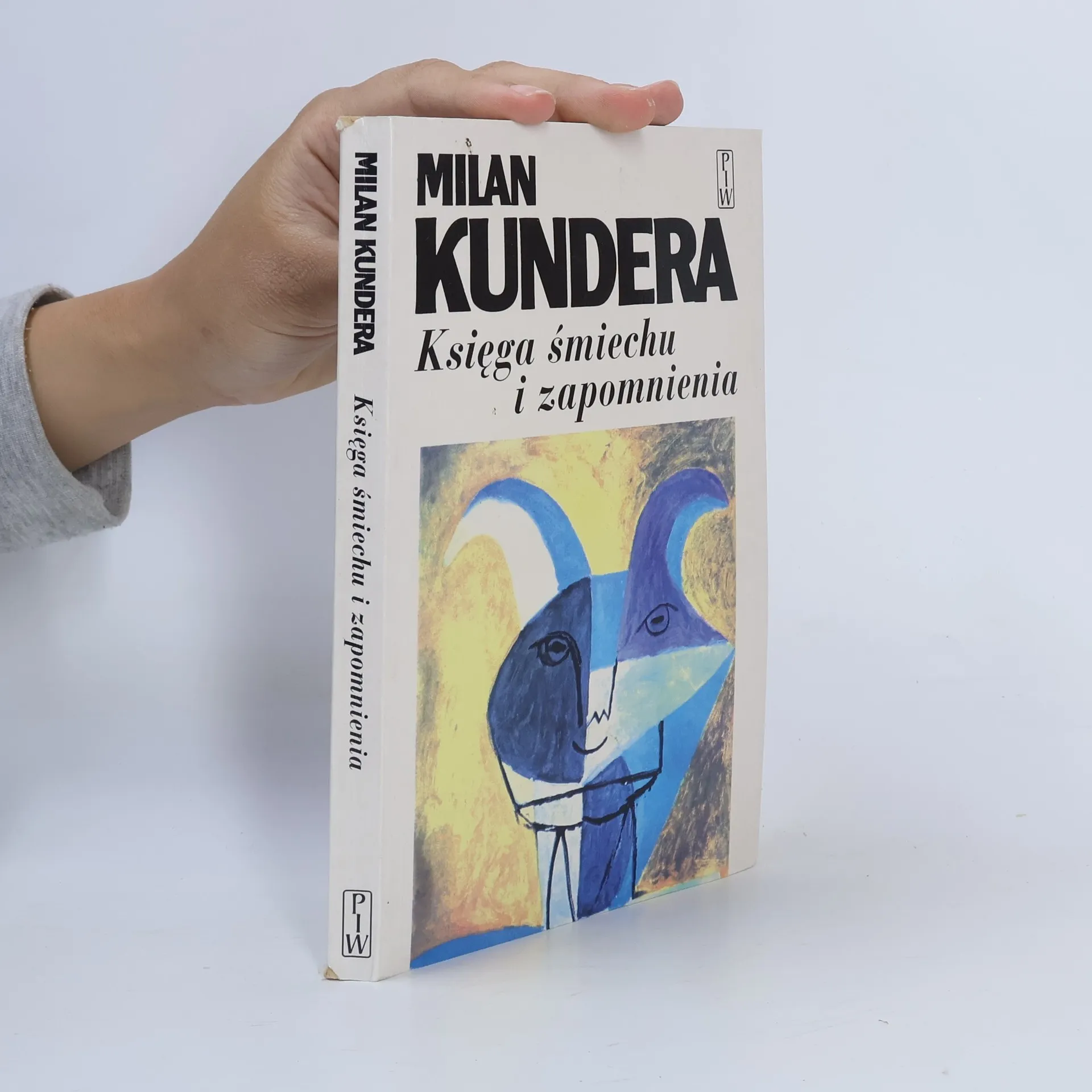
In one of the finer modern ironies of the life-imitates-art sort, the country that Kundera seemed to be writing about when he talked about Czechoslovakia is, thanks to the latest political redefinitions, no longer precisely there. This kind of disappearance and reappearance is, partly, what Kundera explores in The Book of Laughter and Forgetting . In this polymorphous work -- now a novel, now autobiography, now a philosophical treatise -- Kundera discusses life, music, sex, philosophy, literature and politics in ways that are rarely politically correct, never classifiable but always original, entertaining and definitely brilliant.
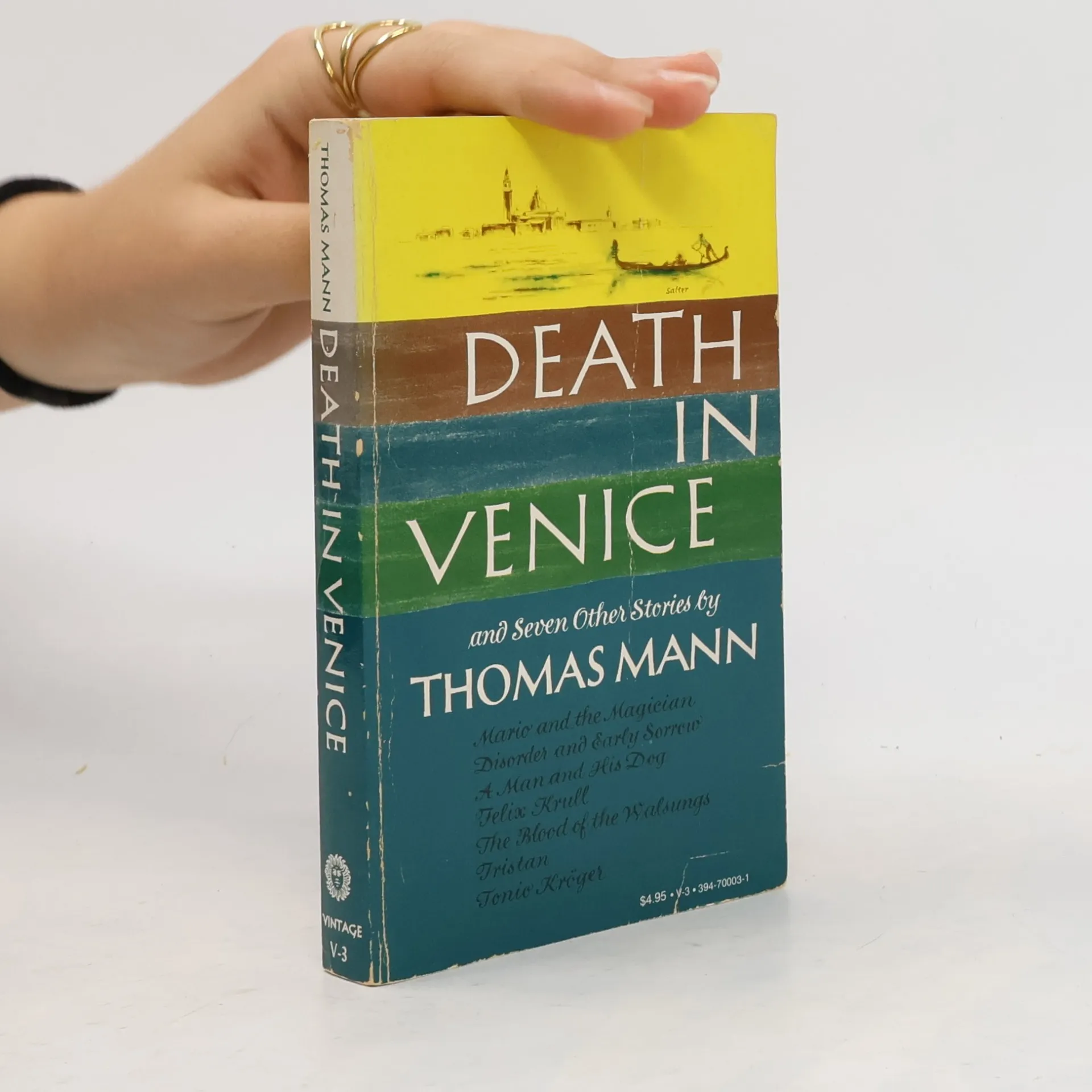
Death in Venice tells how Gustave von Aschenbach, a writer utterly absorbed in his work, arrives in Venice as a result of a 'youthfully ardent thirst for distant scenes,' and meets there a young boy by whose beauty he becomes obsessed. His pitiful pursuit of the object of his abnormal affection and its inevitable and pathetic climax is told here with the particular skill the author has for this shorter form of fiction. (blurb) Em A Morte em Veneza, Thomas Mann apresenta uma escrita complexa e profunda, onde quase cada parágrafo pode ter várias leituras. Em contraponto, o enredo é praticamente inexistente: um homem de meia-idade viaja até Veneza, apaixona-se platonicamente por um jovem rapaz polaco extremamente atraente e morre sem sequer ter trocado uma palavra com ele.
Dancing lessons for the advanced in age
- 112 stron
- 4 godziny czytania
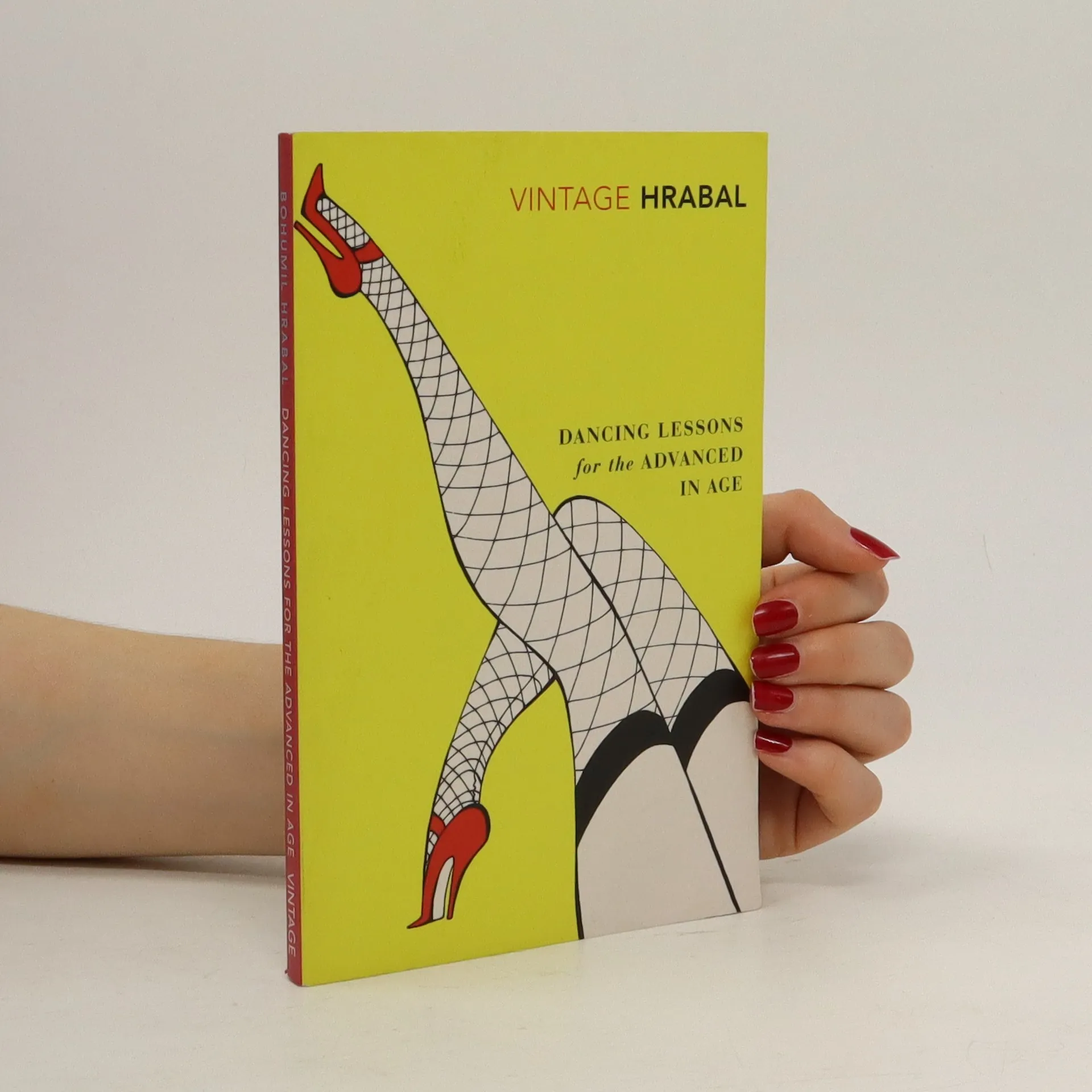
This ebullient, gallivanting novel encapsulates the world vision of the Czech Republic's best-loved author in one tumbling, breathtaking sentence. Saints and sinners, emperors and embezzlers, barmaids and balalaikas all play their part in the bawdy reminiscences of Hrabal's cobbler as he charms an audience of young beauties.
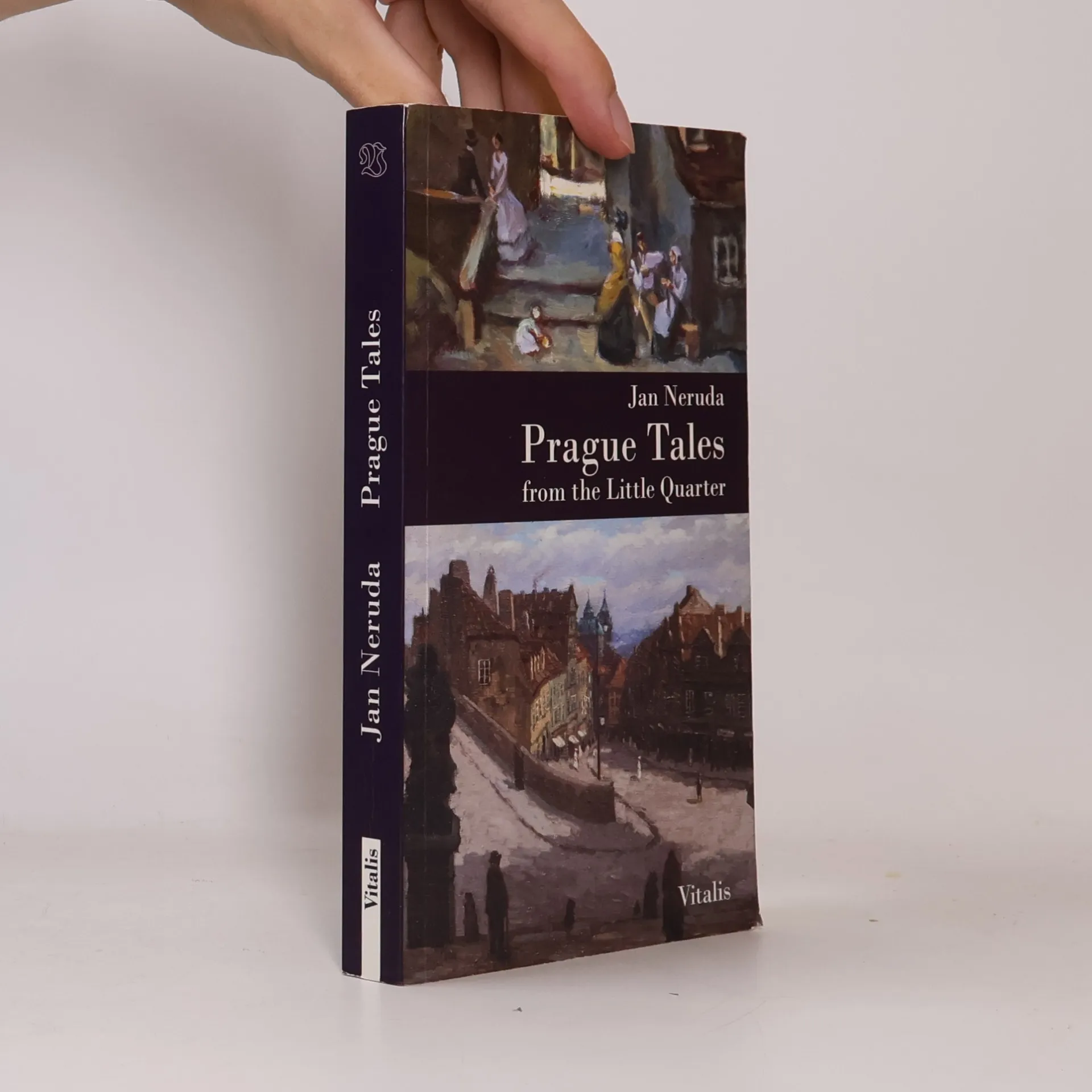
Jan Nerudas erstmals 1878 veröffentlichte Erzählungen führen den Leser ins verträumte Prag des 19. Jahrhunderts. Zwischen den verwinkelten Gassen, stolzen Adelspalästen und prächtigen Kirchen der Kleinseite lebten und strebten jene originellen Gestalten, denen Neruda in den Kleinseitner Geschichten Unsterblichkeit verlieh, etwa die besorgte Frau Lakmus, der alternde Junggeselle Doktor Loukot, die reizende Otylka oder die unversöhnlichen Kontrahenten Ryšánek und Schlegl. Nerudas großer Klassiker hat bis heute nichts von seinem Reiz verloren und gehört zu den unverzichtbaren Werken der tschechischen Literatur. Prädikat: lesenswert.