Bookbot

Ralph Manheim

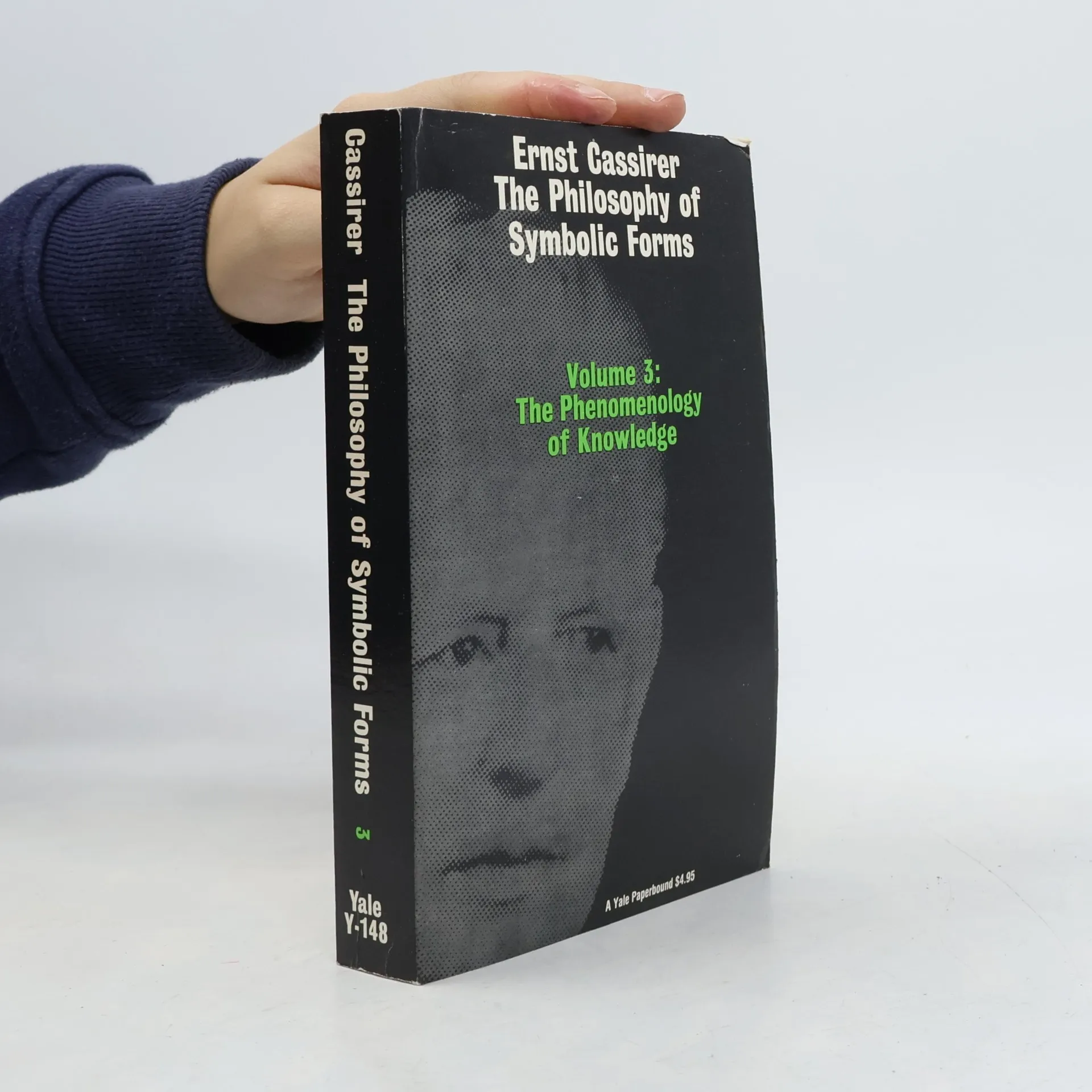
    The Philosophy of Symbolic Forms, Vol 3
    Cienie w raju
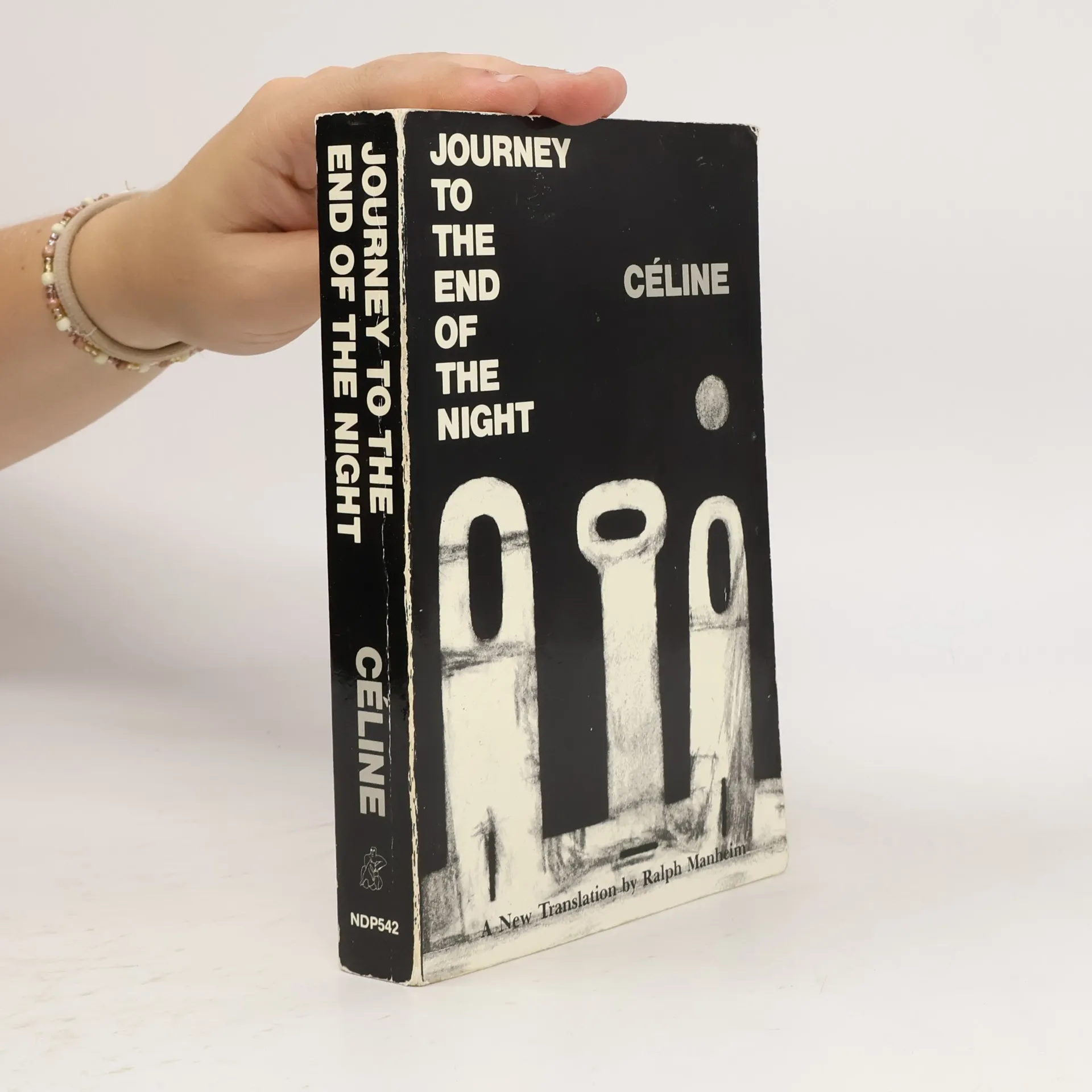
    Journey to the End of the Night
    Death on the Installment Plan
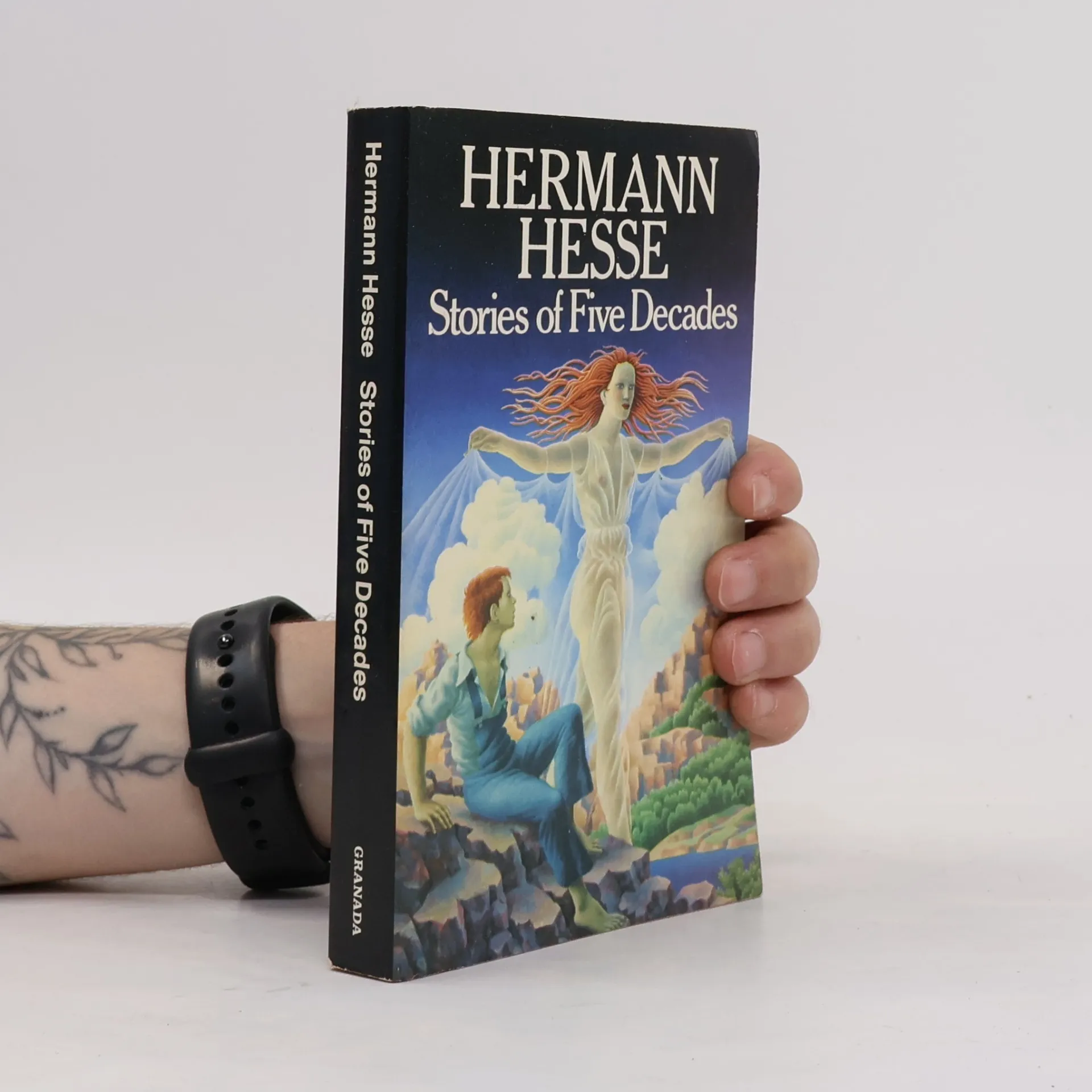
    Stories of Five Decades
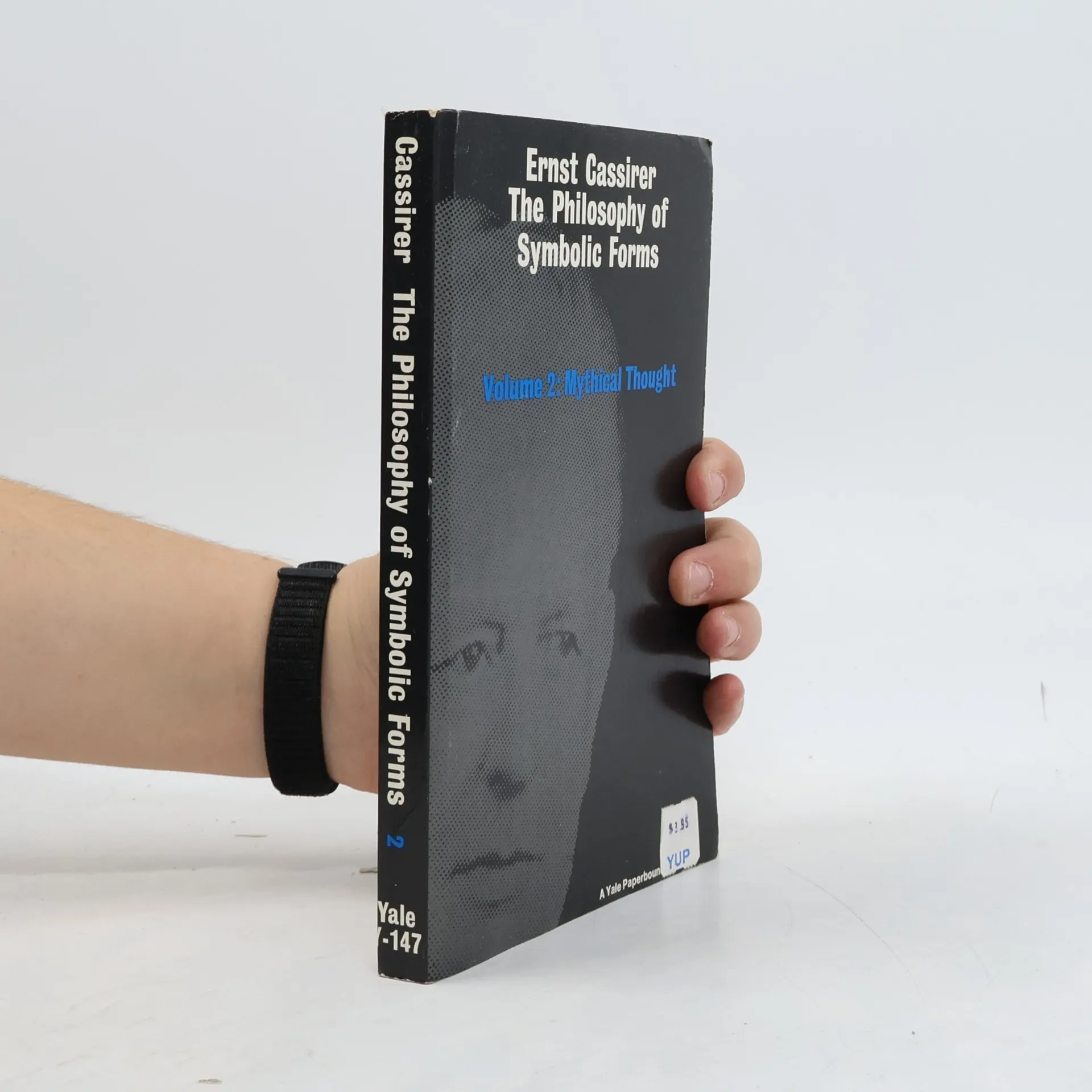
    The Philosophy of Symbolic Forms - 2: Mythical Thought
    • The Symbolic Forms has long been considered the greatest of Cassirer’s works. Into it he poured all the resources of his vast learning about language and myth, religion, art, and science—the various creative symbolizing activities and constructions through which man has expressed himself and given intelligible objective form to this experience.“These three volumes alone (apart from Cassirer’s other papers and books) make an outstanding contribution to epistemology and to the human power of abstraction. It is rather as if ‘The Golden Bough’ had been written in philosophical rather than in historical terms.”—F.I.G. Rawlins, Nature
      The Philosophy of Symbolic Forms - 2: Mythical Thought
      5,0
    • Stories of Five Decades

      • 333 strony
      • 12 godzin czytania

      This unique selection of twenty-three stories - all but three available in English for the first time - offers an unparalleled spectrum of Hermann Hesse's writing from 1899 to 1948. The reader can trace Hesse's development from the aestheticism of his youth through to the realism and surrealism of the next decade to the classicism of his old age. All his stories, as Hesse himself realized, are concerned primarily with his own secret dreams, his own bitter anguish and his own lifelong quest to penetrate the mysteries of man's inner reality. Stories of Five Decades is a rewarding and distinguished display of the full range of Hesse's hypnotically vivid and lyrical story-telling as it blossomed over a lifetime. There could be no better introduction to Hesse than this skilfully selected volume - Financial Times All the stories in this book are a kind of dream journey - Times Literary Supplement A really fascinating collection of short stories...if you enjoy Hesse's strange and beautiful prose which so often opens up unknown avenues for speculation, these will richly satisfy - The Scotsman Cover Illustration: Justin Todd

      Stories of Five Decades
      5,0
    • Death on the Installment Plan is the story of young Ferdinand's first 18 years. His life is one of hatred, of the grinding struggle of small shopkeepers to survive, of childhood sensations and fantasies - lusty, scatological, violent, but also poetic. There is a running battle with his ineffectual insurance clerk of a father, with his mother, who lives and whines around the junkshop she runs for the boys benefit; there is also the superbly funny Meanwell College in England, where the boy went briefly, a Dickensian, nightmare institution. Always there is humiliation, failure, and boredom, at least until he teams up with the "scientist" des Pereires. This inventor, con-man, incorrigible optimist - whose last project is to grow enormous potatoes by electricity - rescues him, if only temporarily; for the reader he is one of the most lovable charlatans in French literature.

      Death on the Installment Plan
      4,3
    • Journey to the End of the Night

      A New Translation by Ralph Manheim

      • 446 stron
      • 16 godzin czytania

      Louis-Ferdinand Celine's revulsion and anger at what he considered the idiocy and hypocrisy of society explodes from nearly every page of this novel. Filled with slang and obscenities and written in raw, colloquial language, Journey to the End of the Night is a literary symphony of violence, cruelty and obscene nihilism. This book shocked most critics when it was first published in France in 1932, but quickly became a success with the reading public in Europe, and later in America where it was first published by New Directions in 1952. The story of the improbable yet convincingly described travels of the petit-bourgeois (and largely autobiographical) antihero, Bardamu, from the trenches of World War I, to the African jungle, to New York and Detroit, and finally to life as a failed doctor in Paris, takes the readers by the scruff and hurtles them toward the novel's inevitable, sad conclusion.

      Journey to the End of the Night
      4,3
    • Cienie w raju

      • 380 stron
      • 14 godzin czytania

      Ci, którzy uciekli przed Hitlerem do Ameryki, próbują znaleźć sobie miejsce i zacząć nowe życie w obcym świecie. Jest wśród nich m.in. doktor Ravic, bohater "Łuku Triumfalnego". Czy to się uda? Czy w modnym kapeluszu, pogryzając hamburgera, popijając wykwintne trunki, można zapomnieć o przebytym koszmarze?

      Cienie w raju
      4,2
    • The Philosophy of Symbolic Forms, Vol 3

      The Phenomenology of Knowledge

      • 528 stron
      • 19 godzin czytania

      The Symbolic Forms has long been considered the greatest of Cassirer’s works. Into it he poured all the resources of his vast learning about language and myth, religion, art, and science―the various creative symbolizing activities and constructions through which man has expressed himself and given intelligible objective form to this experience.“These three volumes alone (apart from Cassirer’s other papers and books) make an outstanding contribution to epistemology and to the human power of abstraction. It is rather as if ‘The Golden Bough’ had been written in philosophical rather than in historical terms.”―F.I.G. Rawlins, Nature

      The Philosophy of Symbolic Forms, Vol 3
      4,0
    • 'The Hourglass' tells the story of the final months of one man's life in the period leading up to his dispatch to a concentration camp. It is considered to be Danilo Kis's masterpiece.

      Hourglass
      4,0
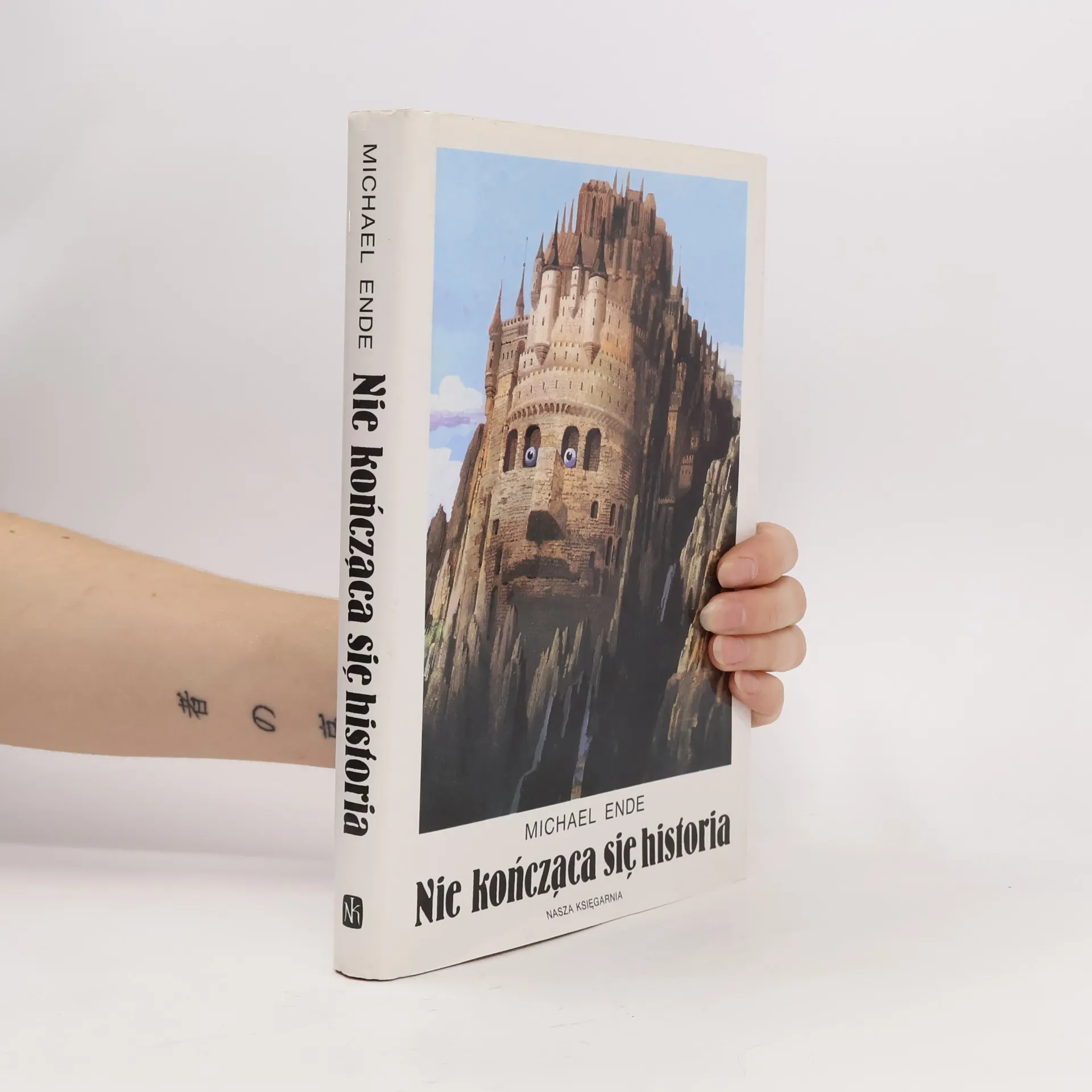
    • Nie kończąca się historia

      • 316 stron
      • 12 godzin czytania

      Bastian Baltazar Buks wchodzi przypadkiem do antykwariatu, gdzie znajduje starą zakurzoną księgę zatytułowaną Nie Kończąca Się Historia. Czytając ją, przenosi się do cudownej krainy fantazji pożeranej przez tajemniczą Nicość. Dzieje się tak, ponieważ ludzie nie wierzą już w marzenia. Ale Bastian przestaje być zwyczajnym chłopcem i staje się bohaterem tej opowieści. To właśnie on może uratować Cesarzową oraz powstrzymać zagładę całej Fantazjany...

      Nie kończąca się historia
      4,2
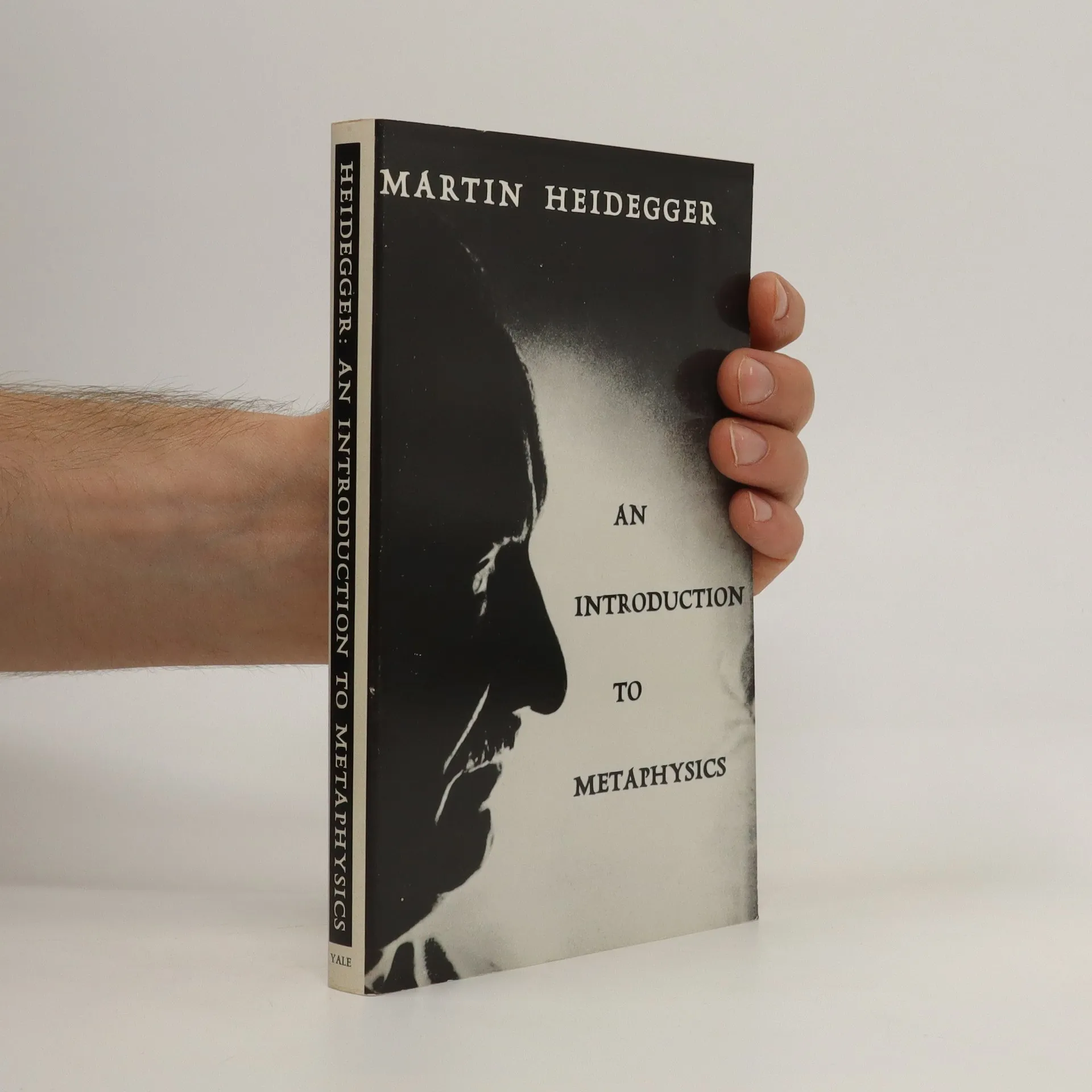
    • The German existentialist delineates his theories concerning the nature, problems, and limitations of man's being

      An Introduction to Metaphysics
      4,0
    • The Life Before Us

      • 192 strony
      • 7 godzin czytania

      Signé Ajar, ce roman reçut le prix Goncourt en 1975. Histoire d'amour d'un petit garçon arabe pour une très vieille femme juive : Momo se débat contre les six étages que Madame Rosa ne veut plus monter et contre la vie parce que " ça ne pardonne pas " et parce qu'il n'est " pas nécessaire d'avoir des raisons pour avoir peur ". Le petit garçon l'aidera à se cacher dans son " trou juif ", elle n'ira pas mourir à l'hôpital et pourra ainsi bénéficier du droit sacré " des peuples à disposer d'eux-mêmes " qui n'est pas respecté par l'Ordre des médecins. Il lui tiendra compagnie jusqu'à ce qu'elle meure et même au-delà de la mort..

      The Life Before Us
      4,1
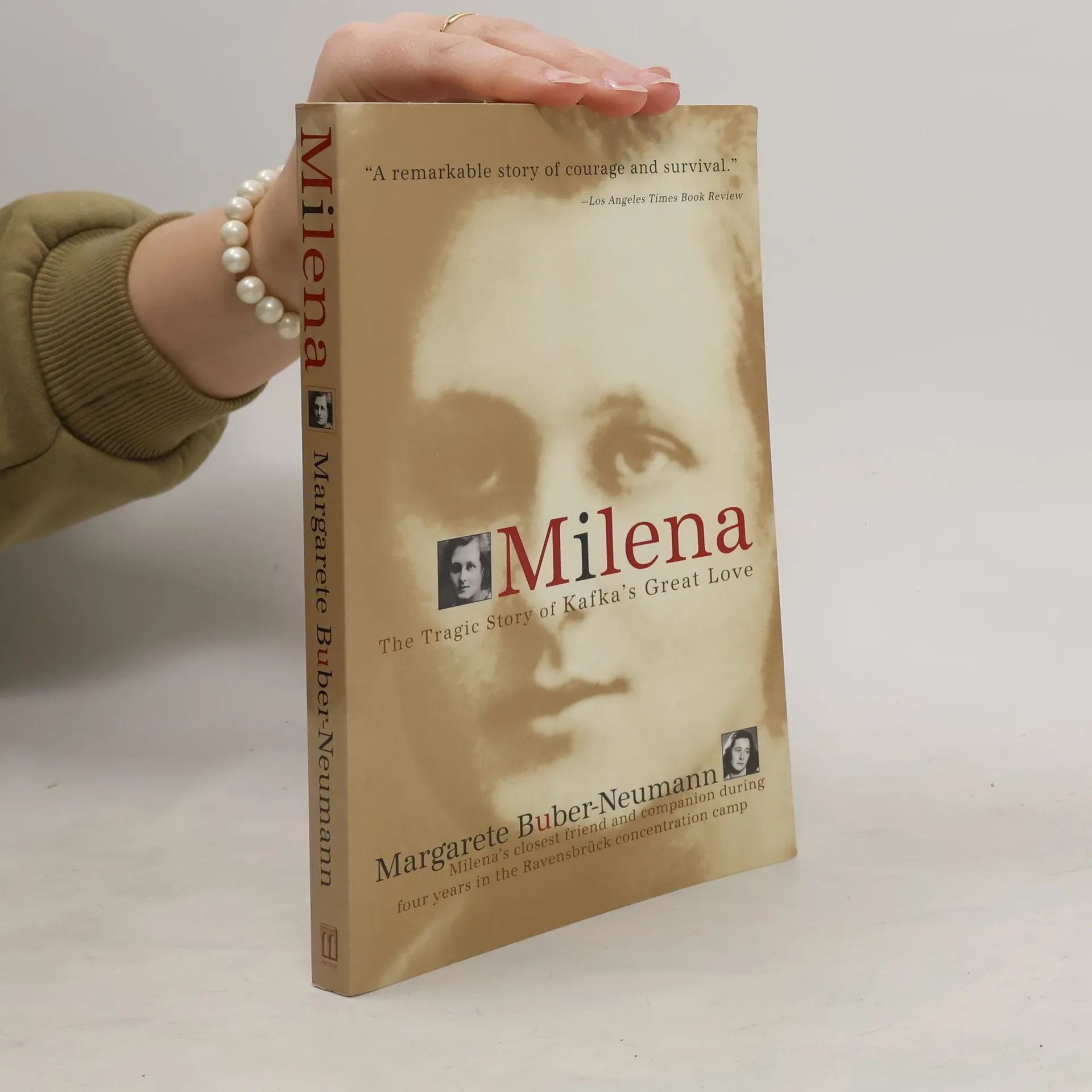
    • Margarete Buber, the journalist daughter of Martin Buber, and Milena Jesenska, the beautiful lover of Kafka, met in Ravensbruck concentration camp in 1940. For four terrible years, the two women formed an extraordinary bond and made a pact that if only one survived, the other would bear witness. Only Margarete lived to remember. This is her story of Milena--of fearless love, sacrifice, and nobility.

      Milena. The Tragic Story of Kafka's Great Love
      4,0
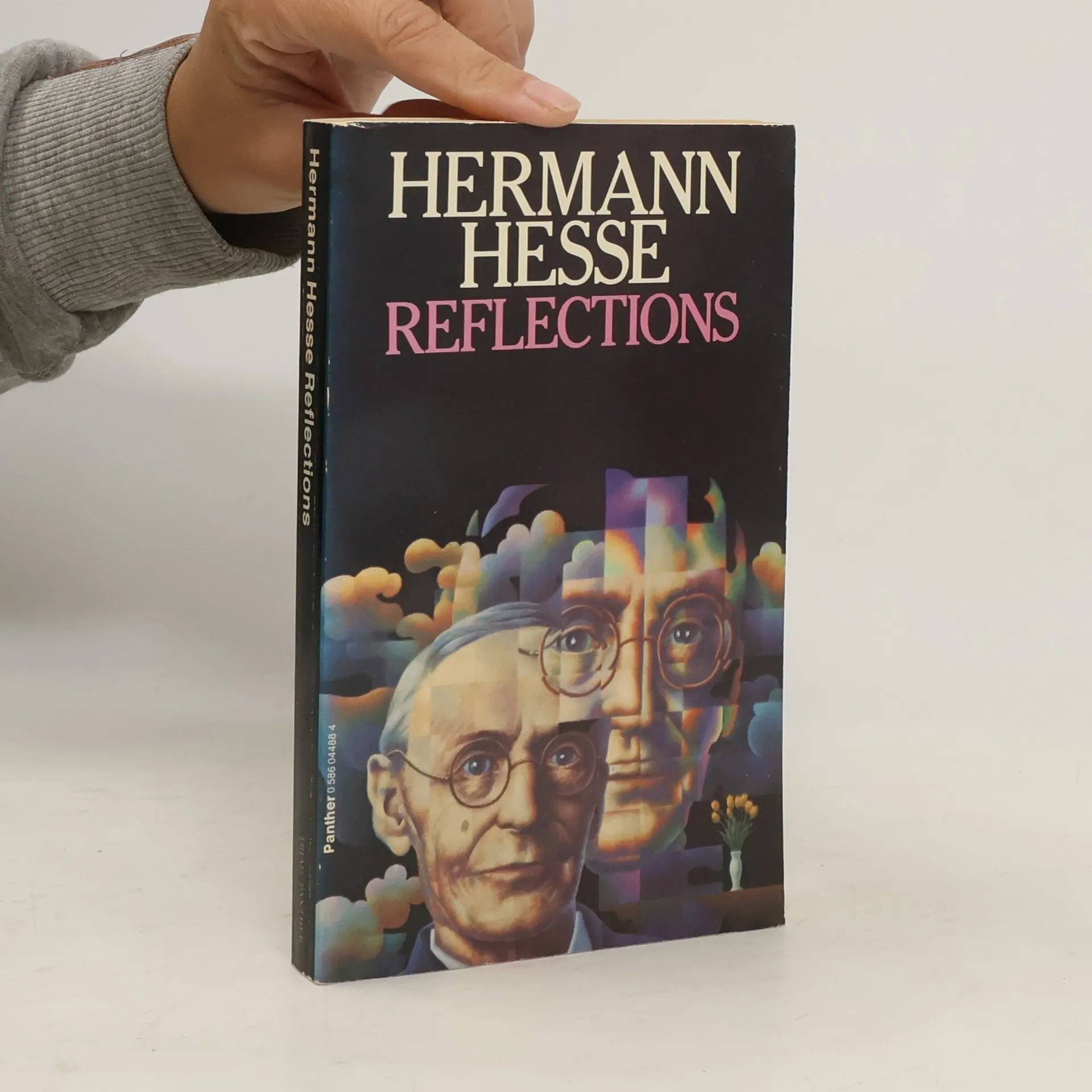
    • Reflections

      • 187 stron
      • 7 godzin czytania

      Hermann Hesse; selected by Volker Michels; translated by Ralph Manheim. Reflections. New Farrar, Straus, Giroux, 1974. 1st American Edition, Hardbound, 8.5 inches tall, 197 pages. Sources. "The aging Hermann Hesse arranged to have privately printed a collection of thirty-nine brief passages culled from his writings, with which to reply to some of the innumerable letters he received. The existence of this book provided encouragement for the present expanded volume, which a first published in Germany in 1971."

      Reflections
      3,9
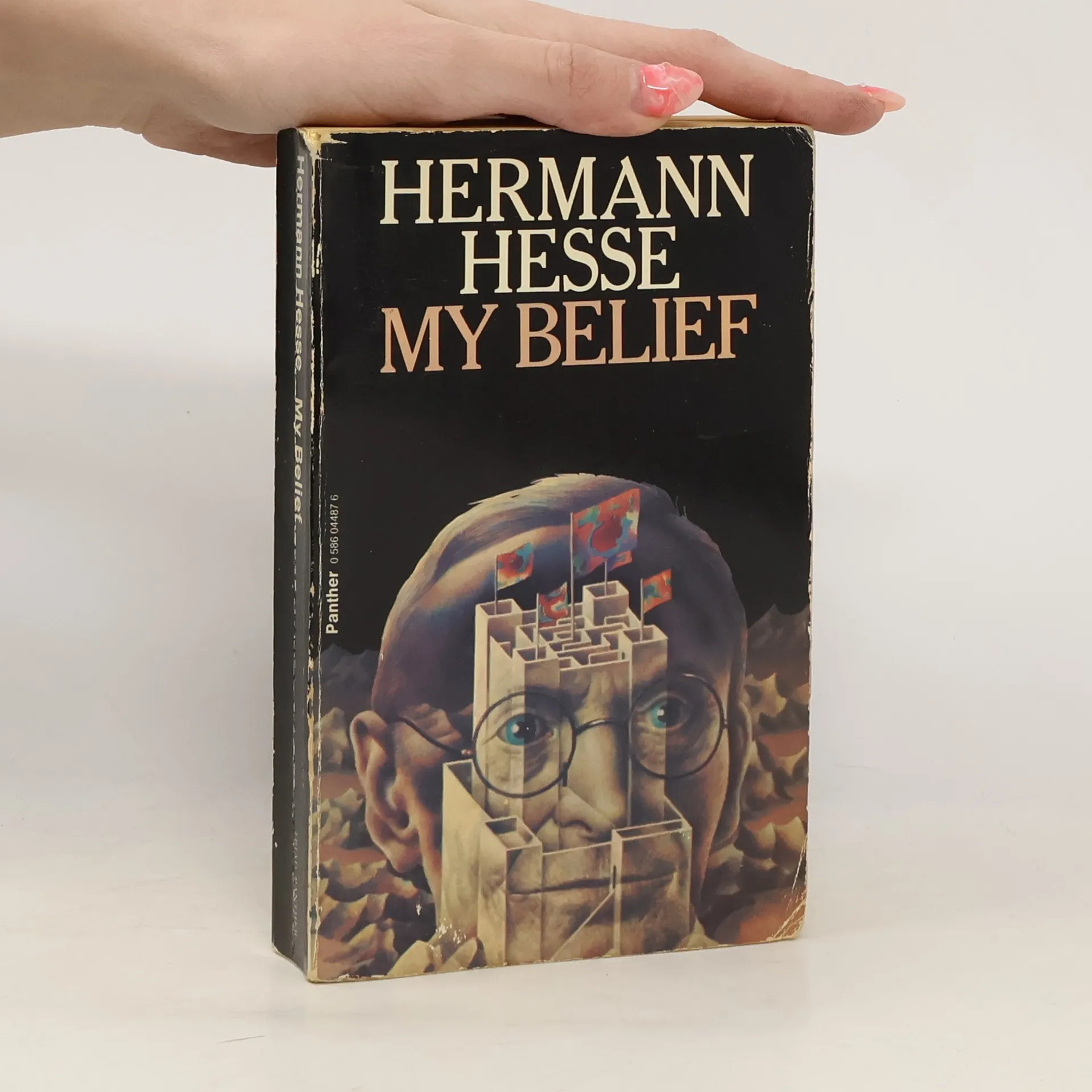
    • My Belief

      • 394 strony
      • 14 godzin czytania

      My Belief: Essays on Life and Art is a collection of essays by Hermann Hesse. The essays, written between 1904 and 1961, were originally published in German, either individually or in various collections between 1951 and 1973. This collection in English was first published in 1976, edited by Theodore Ziolkowski.

      My Belief
      3,9
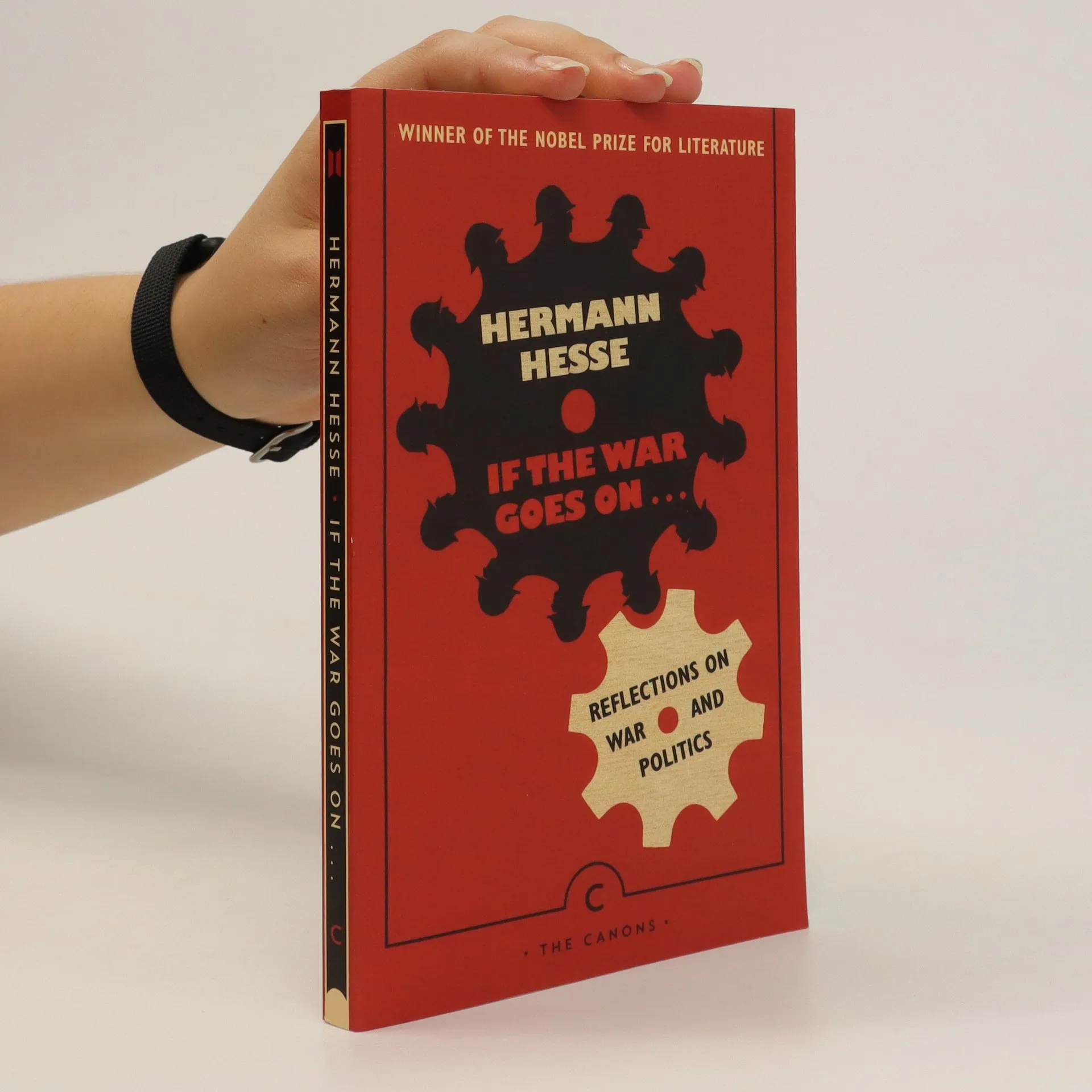
    • If the War Goes On ...

      • 192 strony
      • 7 godzin czytania

      Herman Hesse remained clear-sighted and consistent in his political views and his passionate espousal of pacifism and the bloody absurdity of war from the start of the First World War to the end of his life. He wrote the earliest essay in this book in September 1914, before he cemented his fame with the novels Steppenwolf and Siddhartha, and continued writing a stream of letters, essays and pamphlets throughout the war. In his native Germany his views earned him the labels 'traitor' and 'viper', but after World War II he was moved to reiterate his beliefs in another series of essays and letters.If the War Goes On . . . resonates as strongly today as it did when originally published and begs the question: have our politicians learnt nothing in the last seventy years?

      If the War Goes On ...
      3,7
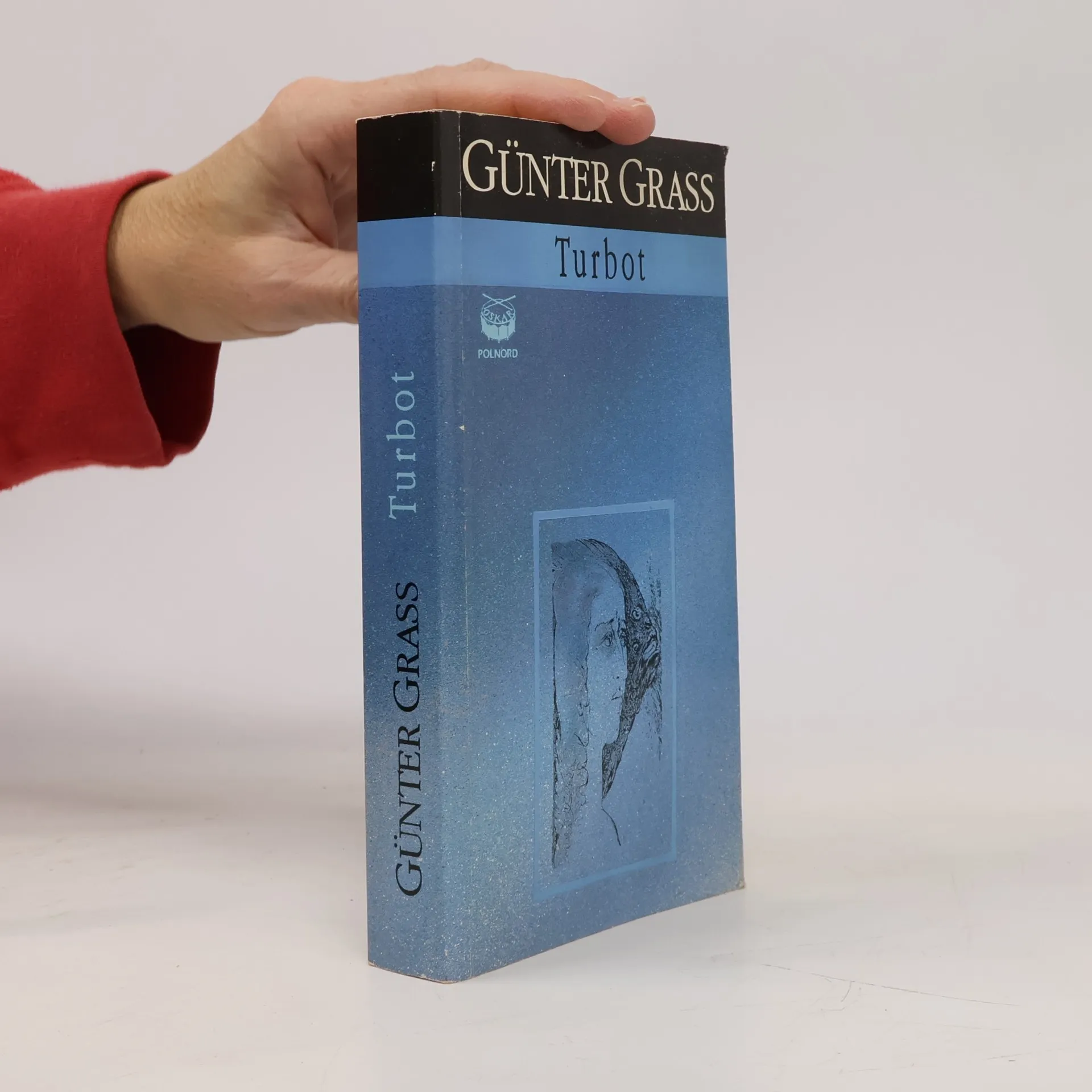
    • Turbot

      • 534 strony
      • 19 godzin czytania

      Op een mooie zomerdag aan het einde van de Jonge Steentijd vist de visser Edek in de Oostzee een bijzondere, sprekende bot. Deze vis, oeroud en alwetend, biedt de visser onsterfelijkheid en leidt hem door de tijd, weg van het Stenen Tijdperk en de heerschappij der vrouwen. Terwijl de mannen de geschiedenis maken, bevindt Edek zich in de schaduw van vrouwen, in hun bedden en keukens. Jaren later, in de jaren zeventig, vertelt hij aan zijn zwangere Ilsebil de lange geschiedenis van negen levens en negen kookvrouwen door de eeuwen heen. De bot wordt opnieuw gevangen, ditmaal door drie vrouwen, en in een Berlijnse bioscoop wordt hij voor een feministisch tribunaal gebracht, aangeklaagd als adviseur van de mannen. De auteur biedt zijn visie op de man-vrouwverhouding, de emancipatie van vrouwen en de rol van mannen in de geschiedenis, waarbij hij stelt dat ons handelen sterk wordt beïnvloed door wat we eten. Traditioneel waren vrouwen verantwoordelijk voor het eten. Door levensverhalen te verweven met tribunaalscènes verbindt hij het heden met een persoonlijke geschiedenis. Dit werk is een aards, Rabelaisiaans epos vol verhalen, gedichten, recepten, en doordachte overpeinzingen.

      Turbot
      3,9
    • Kolejna książka w nowej kolekcji dzieł Hermanna Hessego. Tematem powieści jest dramat małżeński, który był też udziałem samego pisarza, jest to więc książka na poły autobiograficzna. Opublikowana w 1914 roku, dotyczy nie tylko błędnego wyboru, lecz – głównie – kwestii małżeństwa artysty w ogóle, a więc pytania, czy, jak pisał Hesse w liście do ojca, „artysta i myśliciel, człowiek, który nie tylko chce instynktownie żyć, ale też możliwie obiektywnie rozpatrywać i przedstawiać życie – czy ktoś taki w ogóle zdolny jest do małżeństwa”.

      Rosshalde
      3,7
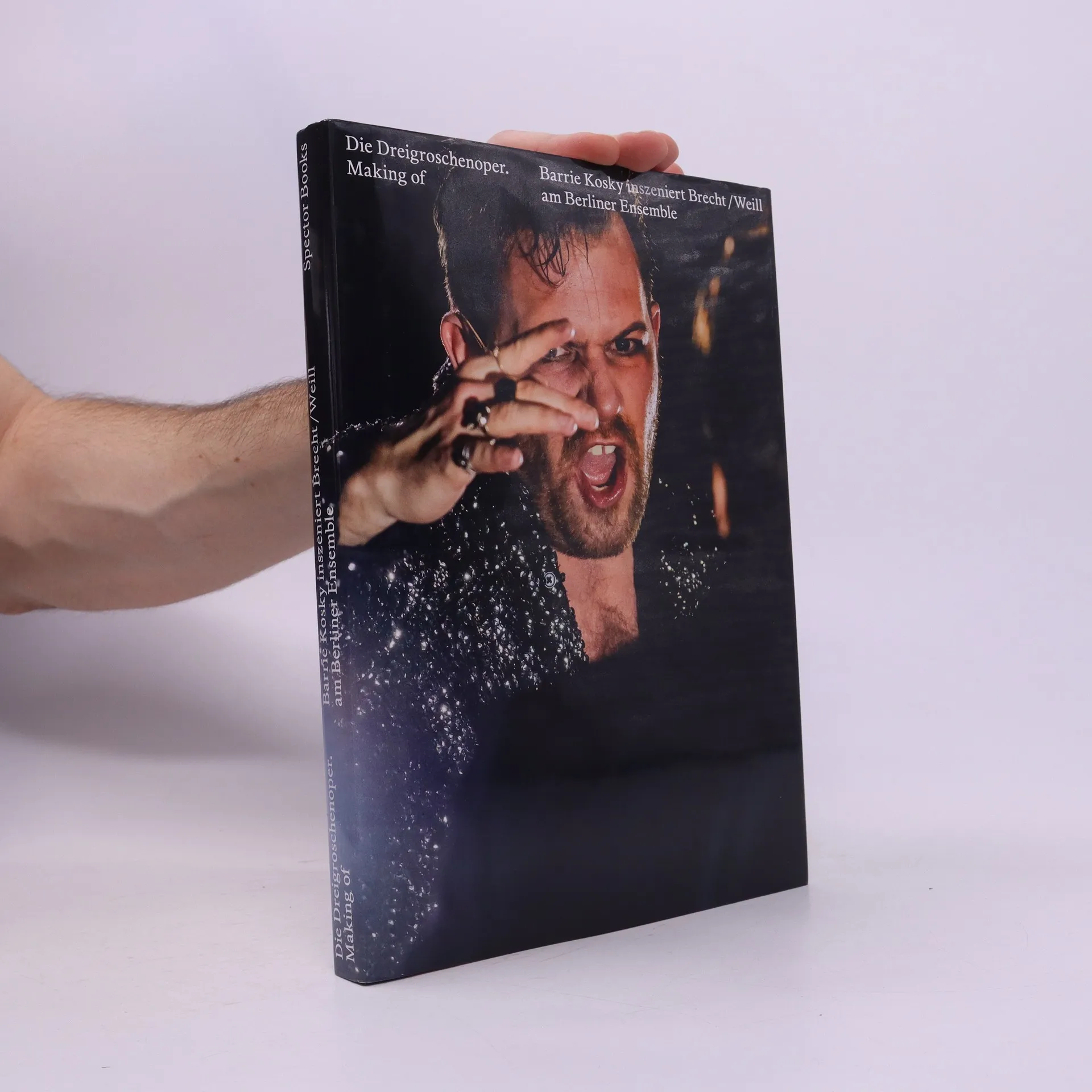
    • One of Bertolt Brecht's best-loved and most performed plays, The Threepenny Opera was first staged in 1928 at the Theater am Schiffbauerdamm, Berlin (now the home of the Berliner Ensemble). Based on the eighteenth-century The Beggar's Opera by John Gay, the play is a satire on the bourgeois society of the Weimar Republic, but set in a mock-Victorian Soho. With Kurt Weill's music, which was one of the earliest and most successful attempts to introduce the jazz idiom into the theatre, it became a popular hit throughout the western world. This new edition is published here in John Willett and Ralph Manhein's classic translation with commentary and notes by Anja Hartl.

      Die Dreigroschenoper
      3,7
    • The Resistible Rise of Arturo Ui

      • 192 strony
      • 7 godzin czytania

      Described by Brecht as a gangster play that would recall certain events familiar to us all, Arturo Ui is a witty and savage satire of the rise of Hitler - recast by Brecht into a small-time Chicago gangster's takeover of the city's greengrocery trade.

      The Resistible Rise of Arturo Ui
      3,6
    • Myth, Religion, and Mother Right

      Selected Writings of J.J. Bachofen

      • 368 stron
      • 13 godzin czytania

      The Swiss thinker J. J. Bachofen is most often connected with his theory of matriarchy, or "mother right," but that concept is only a small part of his contribution to our understanding of cultural history. This book includes an autobiographical essay and selections from An Essay on Ancient Mortuary Symbolism, Mother Right, and The Myth of Tanaquil. ?

      Myth, Religion, and Mother Right
      2,8
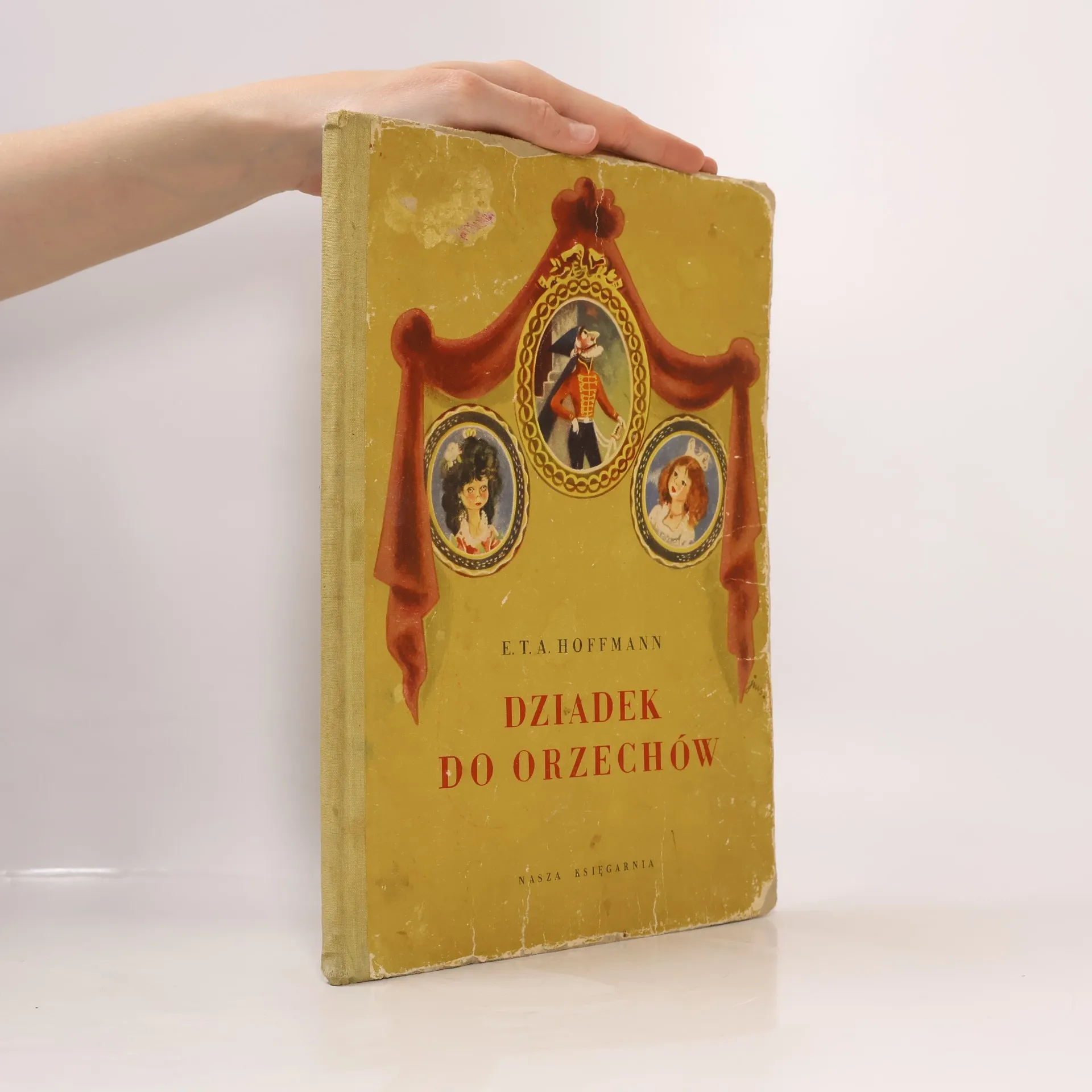
    • Baśń Hoffmanna wzrusza i intryguje tak samo jak niemal 200 lat temu. Opowieść utrzymana w baśniowej, fantastycznej konwencji, opowiada o przygodach małej Klary w świecie, w którym zabawki ożywają, a księciem ich królestwa zostaje tytułowy Dziadek do Orzechów. Gdy siedmioletnia Klara w wigilijny wieczór z radością oglądała upominki, jej uwagę zwrócił niezbyt urodziwy, drewniany Dziadek do Orzechów. Od razu poczuła do niego sympatię, nie przeczuwała jednak, jak fascynujące i niebezpieczne czekają ich przygody. Nie wiedziała, że odbędą podróż przez rękaw wiszącego w szafie futra do magicznego królestwa... Czy razem uda im się zwyciężyć zło i zdjąć tajemniczą klątwę?

      DZIADEK DO ORZECHÓW
      3,5
    • A Childhood

      • 122 strony
      • 5 godzin czytania

      Gevoelens en ervaringen van een Joodse kleuter, die tijdens de Tweede Wereldoorlog met zijn ouders enkele jaren in een concentratiekamp doorbrengt.

      A Childhood
      3,5
    • The Call of the Toad

      • 248 stron
      • 9 godzin czytania

      A German art historian and a Polish art restorer find adventure and love in the cemetery business. Their vision is to offer plots in Gdansk to those Germans who had been exiled after World War II. A New York Times Notable Book of the Year. Line drawings by the Author. Translated by Ralph Manheim. A Helen and Kurt Wolff Book

      The Call of the Toad
      3,2
    • Hitler's Mein Kampf

      • 629 stron
      • 23 godziny czytania

      As a company, we stand firmly against violence and discrimination of any kind. By purchasing this book, the reader confirms that he is aware of these facts and that he will use its contents exclusively for study purposes.

      Hitler's Mein Kampf
      1,9
    • The Freud/Jung Letters

      The Correspondence Between Sigmund Freud and C.G. Jung

      • 692 strony
      • 25 godzin czytania

      s/t: The Correspondence Between Sigmund Freud & C.G. Jung 'The substance of intellectual history at a turning point is in these letters. The impression is of two immensely ambitious, self-willed, often inspired men, who had set themselves apart as innovators, roped together in a long climb into a new world.' -The Observer

      The Freud/Jung Letters
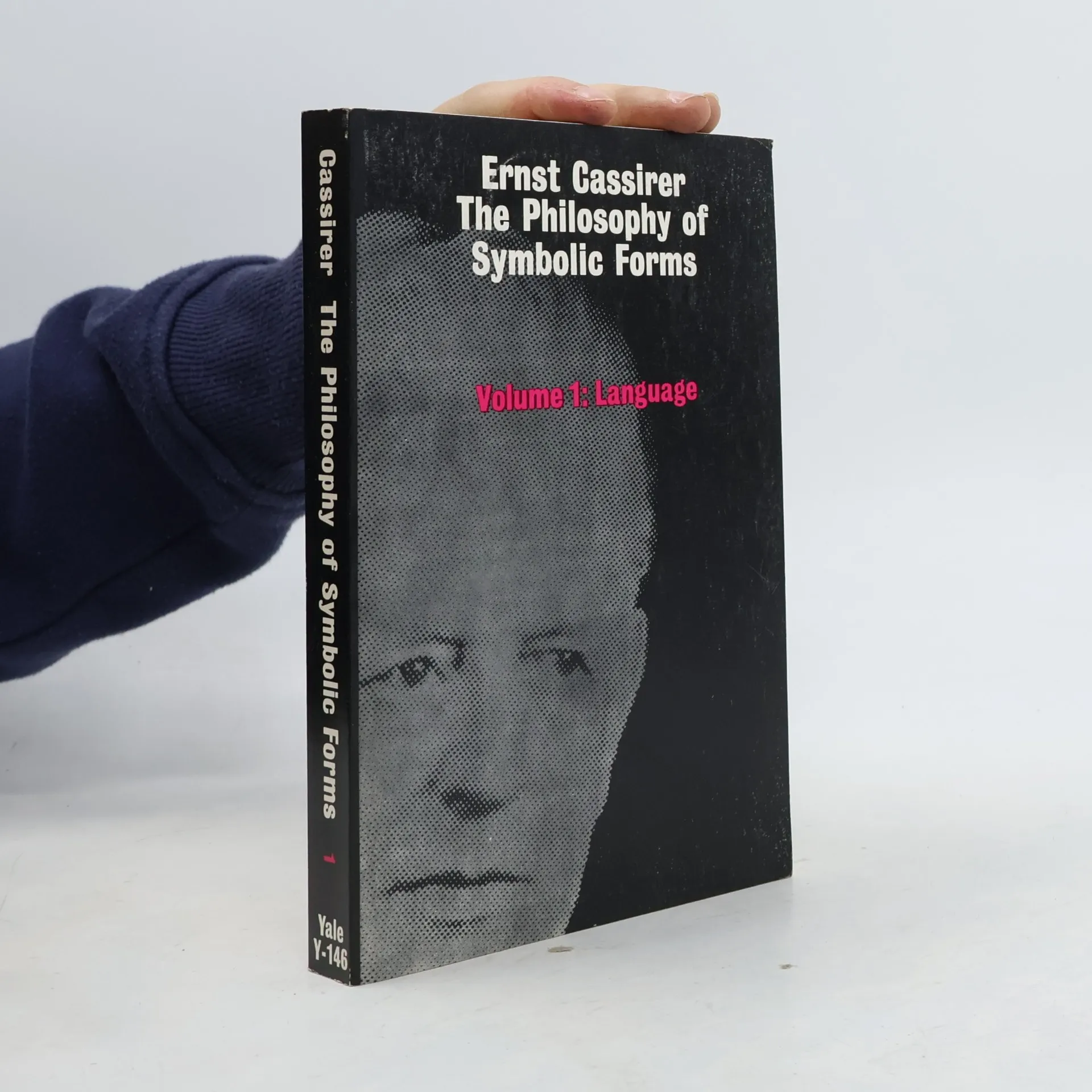
    • The Philosophy of Symbolic Forms, Volume 1

      Language

      • 342 strony
      • 12 godzin czytania

      “An outstanding contribution to epistemology and to the human power of abstraction.”—F.I.G. Rawlins, Nature The Symbolic Forms has long been considered by many who knew it in the original German as the greatest of Ernst Cassirer's works. Into it, he poured all the resources of his vast learning about language and myth, religion, art, and science—the various creative symbolizing activities and constructions through which mankind has expressed itself and given intelligible objective form to the human experience.
      The Philosophy of Symbolic Forms, Volume 1
    • The Führer

      • 624 strony
      • 22 godziny czytania

      Journalist Konrad Heiden was one of the first to hear the young Adolf Hitler's rousing orations and to recognize his political ingenuity and perverse, self-serving ideology. As a staff reporter on the Frankfurter Zeitung Heiden was one of the first writers to take a stand against Naziism, and his is the only contemporary document to give the whole story of Hitler's rise to power from the very beginning to the day in 1934 when the Blood Purge eliminated the last opposition, leaving hom absolute dictator of Germany. As Heiden states: "his path of murder and violence was, in accordance whit Hitler's beliefs, the right path to greatness". This new edition of Heiden's work shows it to be not only a profound and revealing narrative but an important historical document essential to both historian and layman for a greater understanding of the calamitous events that dominated the twentieth century.

      The Führer