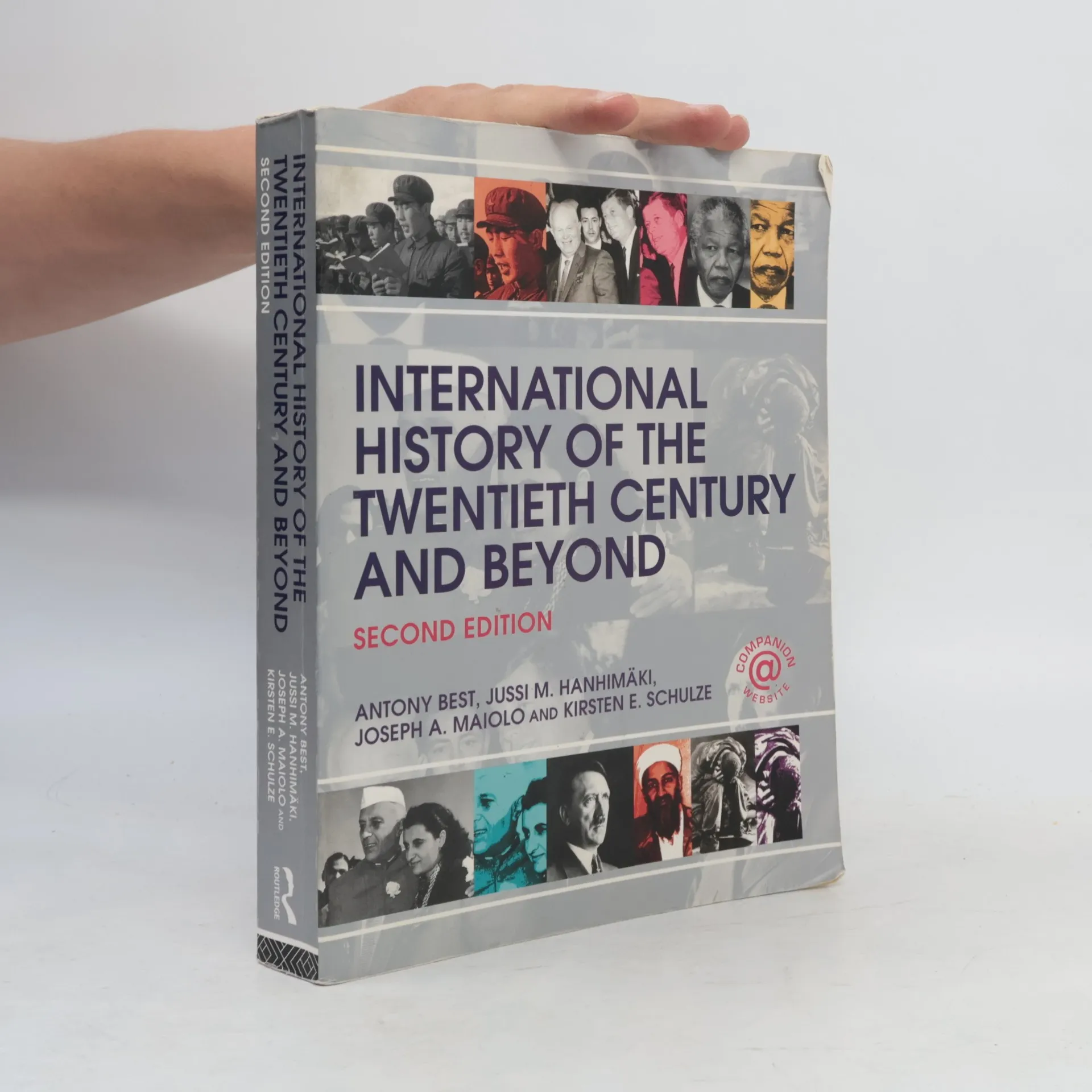


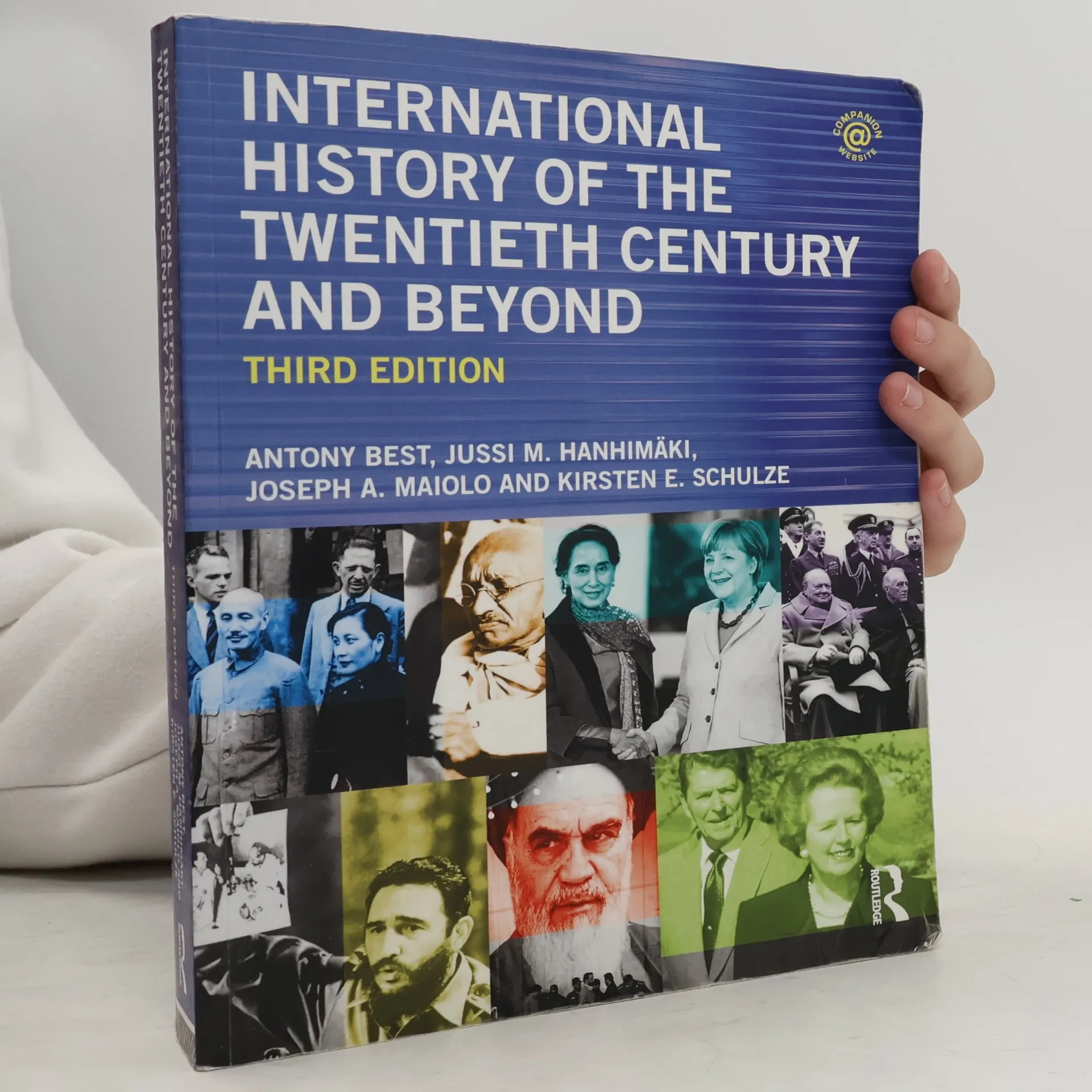
This global history of the twentieth century, crafted by four distinguished historians, offers an authoritative yet accessible exploration suitable for first-year undergraduates and beyond. The authors leverage their thematic and regional expertise to present a cohesive narrative of international relations, addressing events across Europe, Asia, the Middle East, Africa, and the Americas. The focus is on state relations and the ideological, economic, and cultural forces shaping international politics over the past century. The thoroughly updated third edition incorporates the latest research and global developments, featuring a new chapter on the international history of human rights and advocacy organizations, including NGOs. Key updates include new material on the Arab Spring, particularly regarding Libya and Syria, and enhanced discussions on US decline and China's rise. A timeline is provided for context, aiding those new to the subject. Additionally, a revised companion website offers further resources and self-testing materials. The authors are esteemed academics in international history, affiliated with prestigious institutions such as the London School of Economics and King's College London.
Jussi M. Hanhimäki Kolejność książek (chronologicznie)


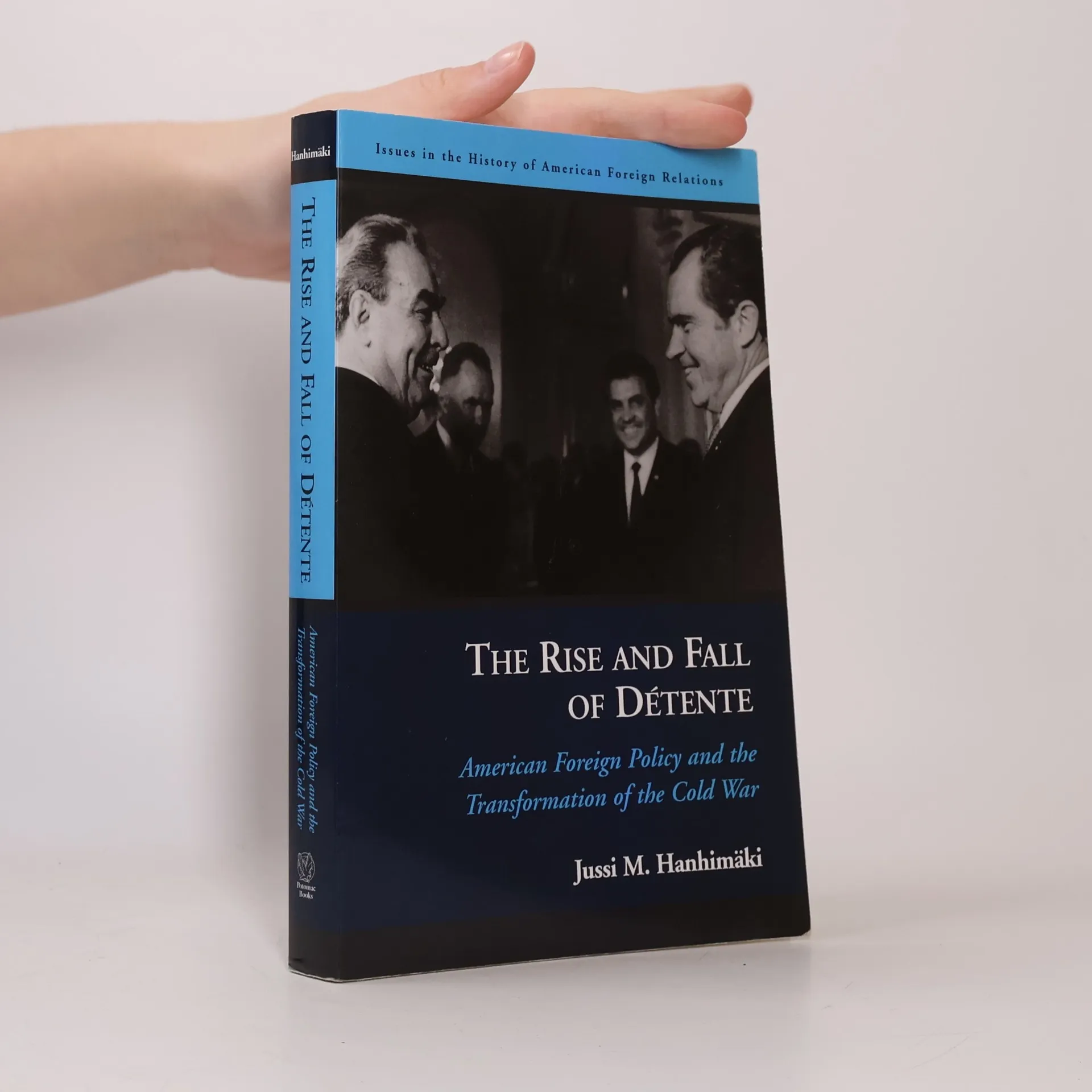
Issues in the History of American Foreign Relations: The Rise and Fall of Détente
American Foreign Policy and the Transformation of the Cold War (Paperback)
- 296 stron
- 11 godzin czytania
Jussi M. Hanhimaki offers students and scholars a survey of the evolution of American foreign policy during a key period in recent history, the era of superpower detente and global transformation in the 1960s and 1970s.
Transatlantic relations since 1945
- 208 stron
- 8 godzin czytania
This text provides a comprehensive account of transatlantic relations in the second half of the 20th century, and up to the present day.
International History of the Twentieth Century and Beyond - Second Edition
- 640 stron
- 23 godziny czytania
This major global history of the twentieth century is written by four prominent international historians for first-year undergraduate level and upward. Using their thematic and regional expertise, the authors cover events in Europe, Asia, the Middle East, Africa and the Americas from the last century and beyond. Among the areas this book covers are: the decline of European hegemony over the international order the diffusion of power to the two superpowers the rise of newly independent states in Asia and Africa the course and consequences of the major global conflicts of the twentieth century. This second edition is thoroughly updated, and includes extended coverage of European integration, the rise of supra-governmental organizations, and the global War on Terror'. A support website provides supplementary exercises, questions and tutor guidance.
The United Nations
- 172 strony
- 7 godzin czytania
A clear, compact, and accessible introduction to the United Nations. In this fully updated edition, Hanhimäki examines the UN's history and future prospects. The book evaluates the UN's successes and failures, aiming to debunk some of the persistent myths that swirl around what is ultimately an indispensable global organization.
This first major reassessment of Kissinger in over a decade paints a subtle, carefully composed portrait of America's most famous and infamous statesman.
The Cold War
- 720 stron
- 26 godzin czytania
Westad has demonstrated that it is possible to tell the vast story of the Cold War in just 600 pages...a clear and well-written summary of a global conflict Gerard Degroot The Times