

The novel in verse that inspired the sensational West End and Off-Broadway play, The Lehman Trilogy is the story of a family and a company that changed the world.
Stefano Massini Książki

The Book of Nonexistent Words
- 272 strony
- 10 godzin czytania
"How many times have words not been enough? How many complex feelings don't have a corresponding noun that properly describes them in the dictionary? How many times has a language left us like an archer without arrows in the labyrinth of our emotions? Award winning author Stefano Massini found himself feeling this way too often. With great surprise, he began to feel that the ancient rules of language were not a flowing palette of colors he could use to paint all things, but instead a limiting force robbing him of the freedom of expression. So, he returned to the wondrous mechanism that has fed our dictionaries from time immemorial. If a word was missing, he created one. Every chapter mentions a new word that comes from a story about a real person, from Louis XIV to an American gangster. The result is a flowing, beautifully-illustrated collection of linguistic origin stories wrought from the mind of an internationally renowned storytelling icon. In doing so, Massini effectively liberates the human capacity for using language creatively, and for embracing storytelling to fine tune our way of being in the world. If the language in the dictionary doesn't feel adequate to deal with reality here and now, he inspires readers to create new words that ring true"--
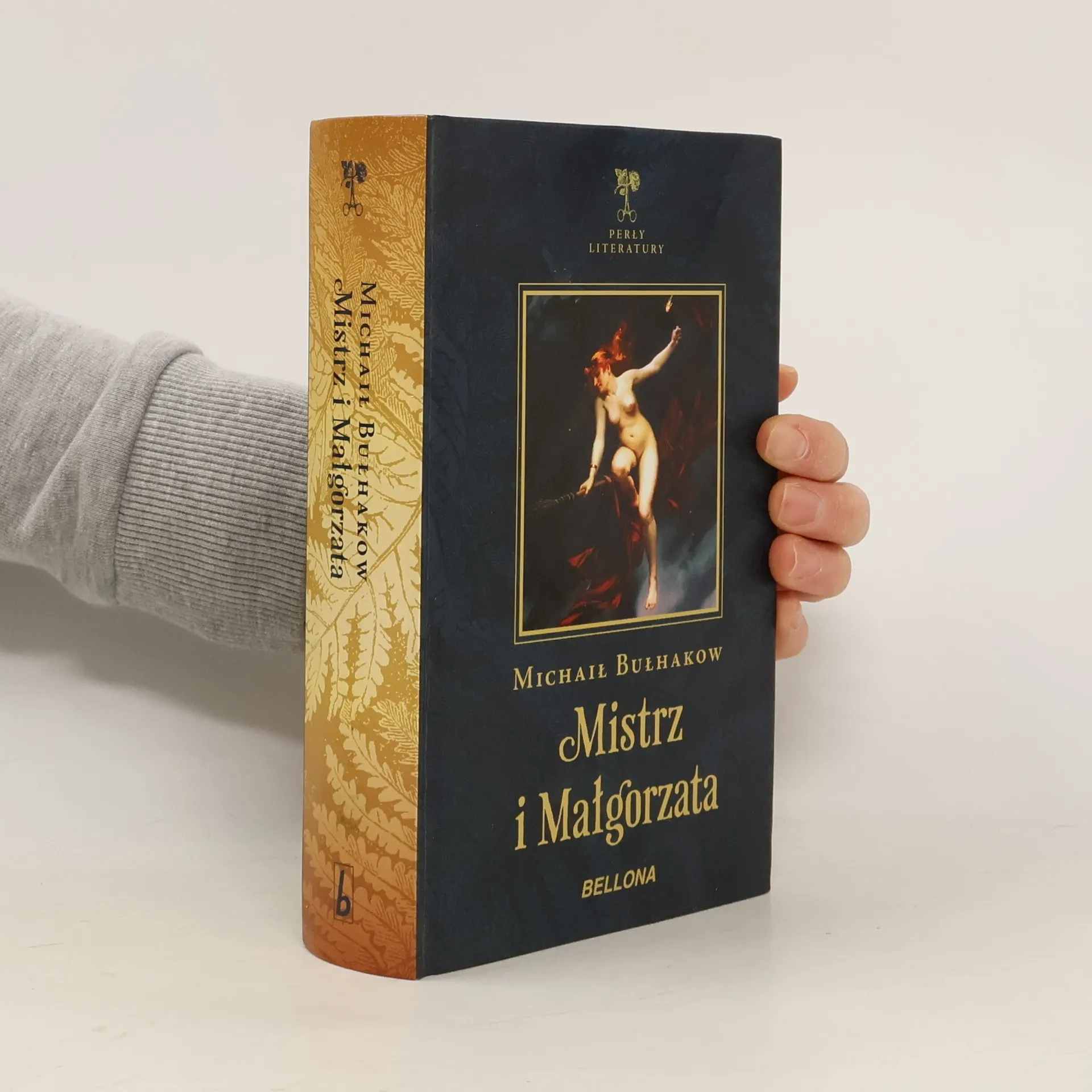
Mistrz i Małgorzata
- 493 strony
- 18 godzin czytania
Mistrz i Małgorzata to fascynujący i ponadczasowy obraz walki dobra i zła. Woland, Behemot, Małgorzata są bohaterami wielobarwnymi, z którymi można się utożsamiać. Powieść bawi, wzrusza, zaskakuje i skłania do refleksji filozoficznych. Bułhakow doskonale splótł historię miłości pisarza, zwanego Mistrzem, i Małgorzaty Nikołajewny z ponurymi i zarazem groteskowymi realiami Rosji z lat trzydziestych XX wieku. Wątek z historią Poncjusza Piłata skazującego na śmierć wędrownego filozofa Jeszuę Ha-Nocri stanowi jednocześnie powieść w powieści. Konwencja, zawierająca elementy absurdu, fantastyczną sferę działań Wolanda była konieczna, aby książka przeszła przez cenzurę panującą w sowieckiej Rosji. Tylko tak Bułhakow mógł ukazać niedorzeczności kraju, w którym tworzył.