AUTUMN CHILLS: Tales of Intrigue from the Queen of Crime
- 304 strony
- 11 godzin czytania
An all-new collection of autumn-themed mysteries from the master of the genre.

3,9



An all-new collection of autumn-themed mysteries from the master of the genre.
„Christie-t karácsonyra! Így hirdette az angol kiadója évtizedeken keresztül Agatha Christie új könyvét. Bizonyára nem csak üzleti fogásról volt szó: maga a krimi királynője akart boldog ünnepeket kívánni az olvasóinak egy új könyvvel minden évben. Mert Christie számára a karácsony különösen fontos volt, ami abból is tudható, hogy több regényében és elbeszélésében is az ünnep szolgáltatja a hátteret az eseményekhez. Az egyikben Hercule Poirot vidéken tölti a karácsonyt, és az ünnep reggelén holttestet talál a hóban, amely aztán eltűnik… A második történet főhőse szintén Poirot, aki majdnem negyven évvel később megint kénytelen egy vidéki kúriában karácsonyozni, és a herceg ellopott rubinját kell megkeresnie. Majd megint csak Poirot következik, és egy gyűlölködő család emlékezetes leírása. A szeretet ünnepén a családfőt holtan találják, és a jelenlevők közül senki sem sajnálja. Végül azért Miss Marple is kap egy emlékezetes karácsonyi szerepet. Egy vidéki szállodában gyilkosság történik az ünnepek alatt, és csak a szelíd, kék szemű vénkisasszony lát át a gonosztevő mesterkedésén. Az írónő karácsonyi krimijeit most először gyűjtöttük össze magyarul is egy kötetben.” (a Kiadó)
Agata Christie dla zapracowanych: zbiór krótkich, kilkustronicowych opowiadań na tematy kryminalne, pisanych przez Christie do czasopism. Z niektórych powstały potem całkiem poważne powieści, chociażby 'Tajemnica gwiazdkowego puddingu'. Czasem pojawiają się w nich starzy znajomi, tacy jak Herkules Poirot, czasem odkrywamy miłosne wątki z zaskakującym, sensacyjnym zakończeniem. Troskliwie zebrane i opatrzone komentarzami przez wydawców opowiadania cieszą oko jak bibeloty na serwantce.

Pasażer statku, z utęsknieniem wyglądający końca podróży przez Pacyfik w 1850 roku; wydziedziczony kompozytor, usiłujący oszustwem zarobić na chleb w Belgii lat międzywojennych; dziennikarka-idealistka w Kalifornii rządzonej przez gubernatora Reagana; wydawca książek, uciekający przed gangsterami, którym jest winien pieniądze; genetycznie modyfikowana usługująca z restauracji, w oczekiwaniu na wykonanie wyroku śmierci; i Zachariasz, chłopak z wysp Pacyfiku, który przygląda się, jak dogasa światło nauki i cywilizacji – narratorzy Atlasu chmur słyszą nawzajem swoje echa poprzez meandry dziejów, co odmienia ich los zarówno w błahym, jak i w doniosłym wymiarze.

Rodziną Leonidesów nic nie mogło wstrząsnąć bardziej niż śmierć seniora rodu, sędziwego Arystydesa. Po pierwsze, nikt tej śmierci się nie spodziewał - staruszek przekroczył wprawdzie osiemdziesiątkę, lecz wciąż był pełen sil i woli życia. Po drugie, zabrakło nagle czujnej opieki, którą przez długie lata roztaczał nad licznymi krewnymi. Po trzecie wreszcie - i najbardziej przerażające - Arystydes nie odszedł w sposób naturalny, lecz został otruty! Zagadkową śmieć próbuje wyjaśnić policja, rozpoczyna się szukanie motywu, w ogarniętym żałobą domu narasta atmosfera nieufności i wzajemnych podejrzeń. W najtrudniejszej sytuacji jest wdowa po zmarłym, młodsza od niego o pół wieku Brenda, oraz zatrudniony w domu Leonidesów jako nauczyciel rówieśnik Brendy, Laurence Brown...
Nikt w St. Mary Mead nie lubi pułkownika Protheroe za jego bezwzględność, wąskie horyzonty i toporne maniery. Nawet pastor, narrator opowieści, stwierdza, że jeśli ktoś pozbawi pułkownika życia, wyświadczy światu przysługę... Nie spodziewa się jednak, jak szybko jego słowa staną się rzeczywistością. Śledztwo w sprawie morderstwa napotyka wiele trudności i kto wie, jak by się skończyło, gdyby nie dociekliwa panna Marple. Agatha Christie z dogłębną przenikliwością portretuje małą społeczność, a jej mistrzowska intryga trzyma w napięciu i zaskakuje.
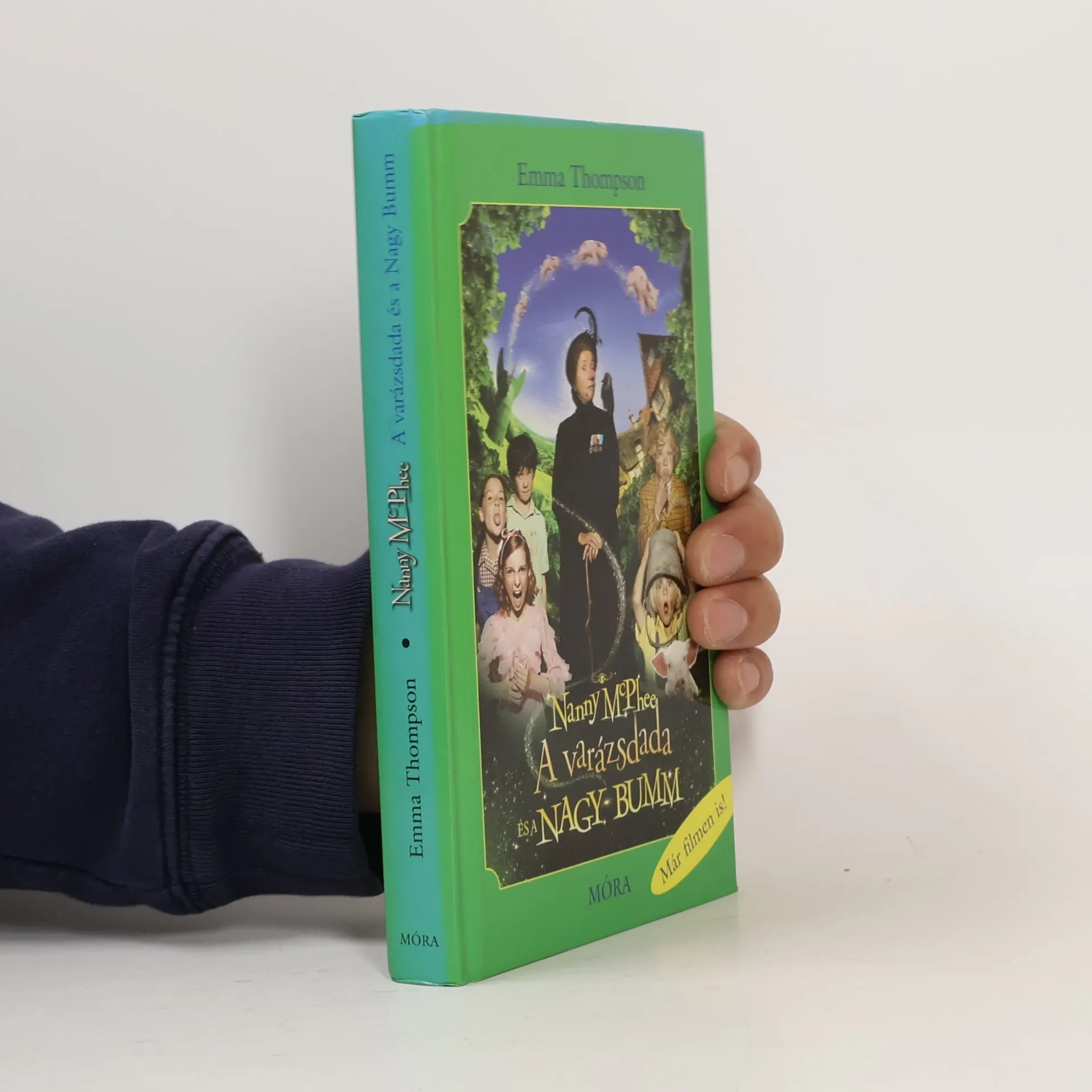
Nanny McPhee embarks on a brand new adventure in this brilliant, funny and captivating novel based on the new Nanny McPhee film. The Green family is trying to survive the war in their house in the country, but unfortunately they are not out of harm's way. A wicked uncle is intent on getting his hands on the family fortune and the children miss their father who is away fighting who knows where, and then their horrible cousins arrive! Life is not easy in the Green household... Thank heavens for Nanny McPhee!
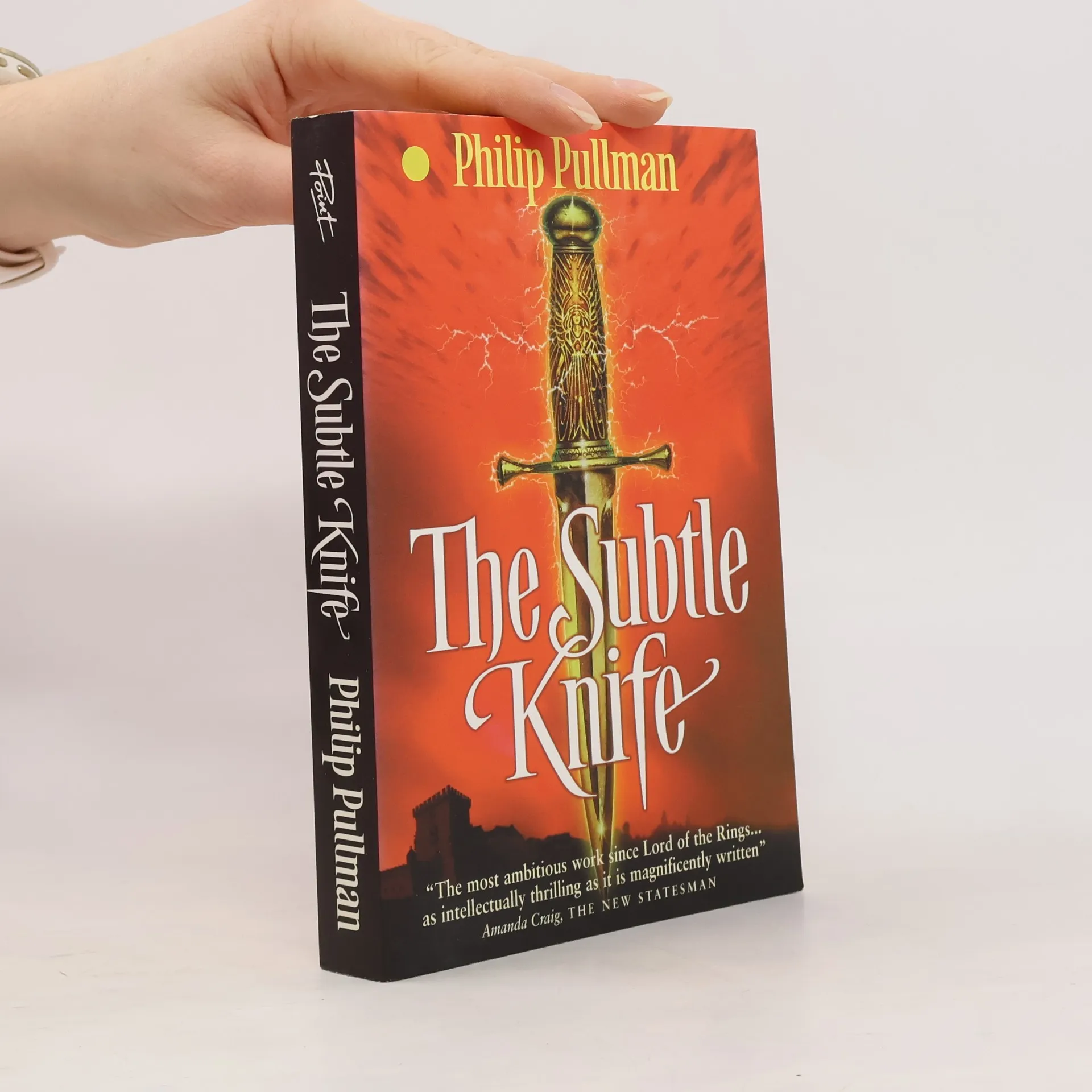
As the boundaries between worlds begin to dissolve, Lyra and her daemon help Will Parry in his search for his father and for a powerful, magical knife.
Set in South Africa under white rule, Doris Lessing's first novel is both a riveting chronicle of human disintegration and a beautifully understated social critique. Mary Turner is a self-confident, independent young woman who becomes the depressed, frustrated wife of an ineffectual, unsuccessful farmer. Little by little the ennui of years on the farm work their slow poison, and Mary's despair progresses until the fateful arrival of an enigmatic and virile black servant, Moses. Locked in anguish, Mary and Moses - master and slave - are trapped in a web of mounting attraction and repulsion. Their psychic tension explodes in an electrifying scene that ends this disturbing tale of racial strife in colonial South Africa. The Grass Is Singing blends Lessing's imaginative vision with her own vividly remembered early childhood to recreate the quiet horror of a woman's struggle against a ruthless fate. Author Biography: Doris Lessing was born to British parents in Persia in 1919 and moved with her family to Southern Rhodesia when she was five years old. She went to England in 1949 and has lived there ever since. She is the author of more than thirty books - novels, short stories, reportage, poems, and plays - and is considered among the most important writers of the postwar era. Her most recent works include two volumes of autobiography, Under My Skin and Walking in the Shade, and a novel, Mara and Dann .

Inspektor Neele od początku był pewien, że nagła śmierć właściciela Domku pod Cisami, pana Fortesque, nie była przypadkowa. Denat zmarł wprawdzie w szpitalu, nie mogło być jednak wątpliwości, iż wcześniej został otruty. Potwierdza to sekcja zwłok, wykazując ponadto, że jako trucizny użyto toksyny występującej w… jagodach cisa! Krąg osób podejrzanych wydaje się wąski, mimo to śledztwo rozwija się opornie – o dowody niełatwo, krewni z arystokratyczną powściągliwością wtajemniczają detektywa w swoje sprawy, za to możliwych motywów zbrodni i mylnych tropów nie brakuje. Czy jednym z nich jest znaleziona w kieszeni ofiary garść żyta?

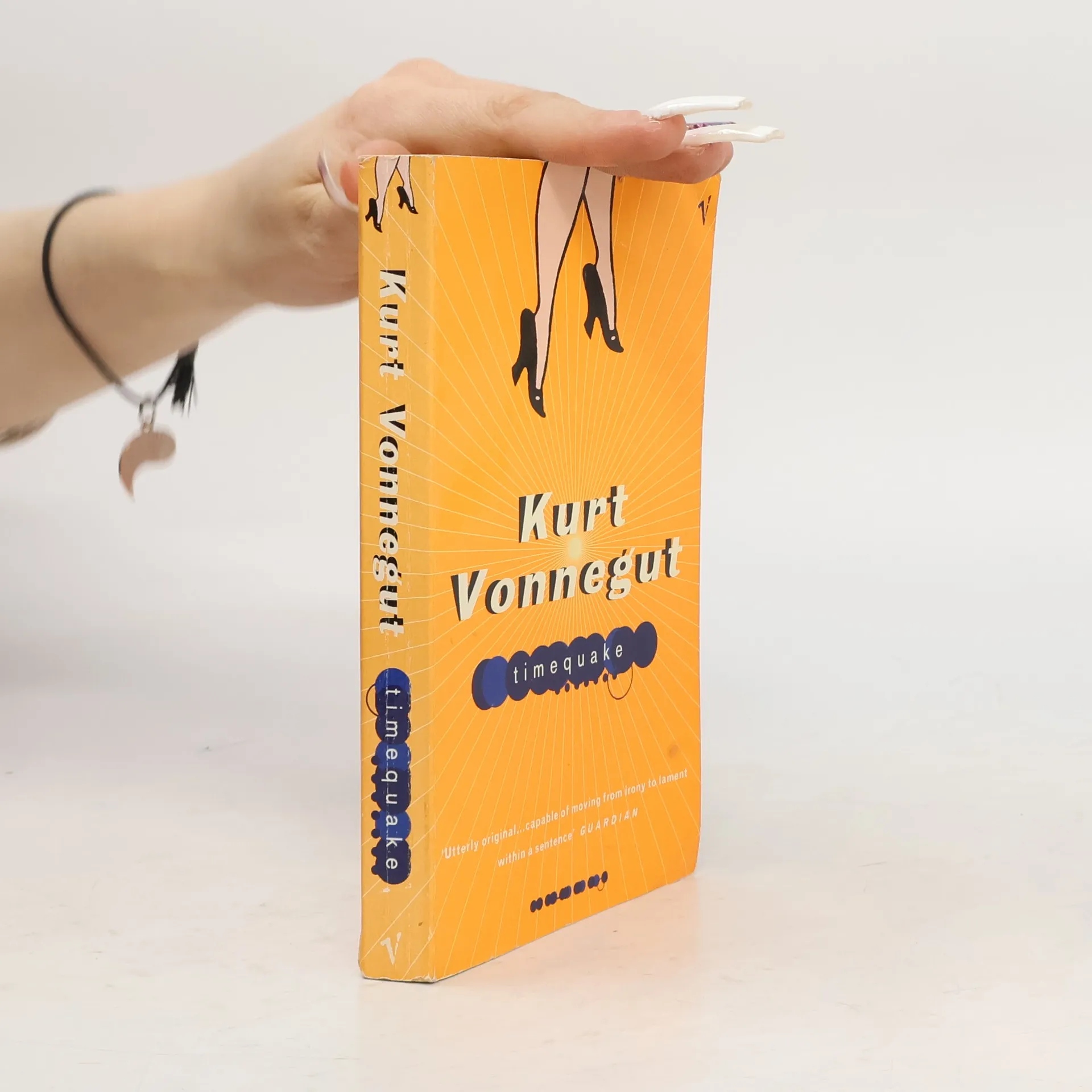
According to Vonnegut's alter ego, science-fiction writer Kilgore Trout, a global timequake will occur in New York City on 13 February 2001. It is a moment when the universe suffers a crisis of consience. Should it expand or make a great big bang? It decides to back up a decade to 1991, making everyone in the world ten years of deja vu and a total loss of free will - not to mention reliving every nanosecond of one of the tawdriest and most hollow decades. In 1996, dead centre of the 're-run' Vonnegut is wrestling again with Timequake I, a book he couldn't write the first time and won't be able to now. As he struggles, he addresses, with his trademark wicked wit, the relationship between memory and deja vu, humanism, sucicide, the Great Depression and World War Two as the last generational character builders, the loss of American eloquence, the obsolescent thrill of reading books, and what 'extended family' really means.
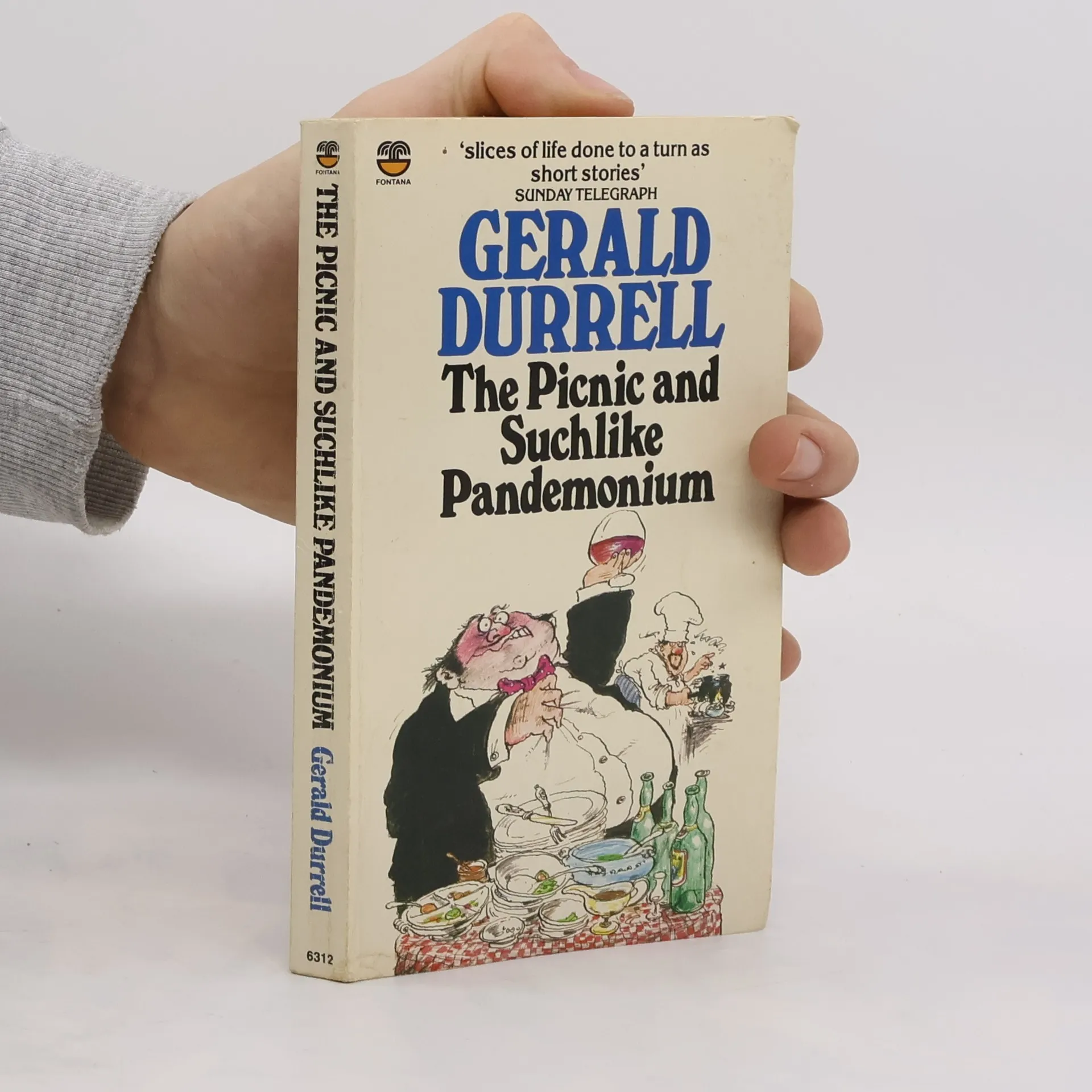
If you loved My Family and Other Animals and can't get enough of the Durrells after the Corfu series, this is the book for you. It constitutes a series of anecdotal snippets and short stories including 'The Picnic', a laugh-out-loud account of an ill-fated Durrell family excursion, which should have been a relaxing, jolly affair. But with the Durrells things are seldom straightforward and on this occasion all that could go wrong did go wrong - except Gerald Durrell's sense of humour in recounting the tale. Other hilarious and surreal Roald Dahlesque stories ensue, including the critically acclaimed Gothic horror story 'The Entrance'.

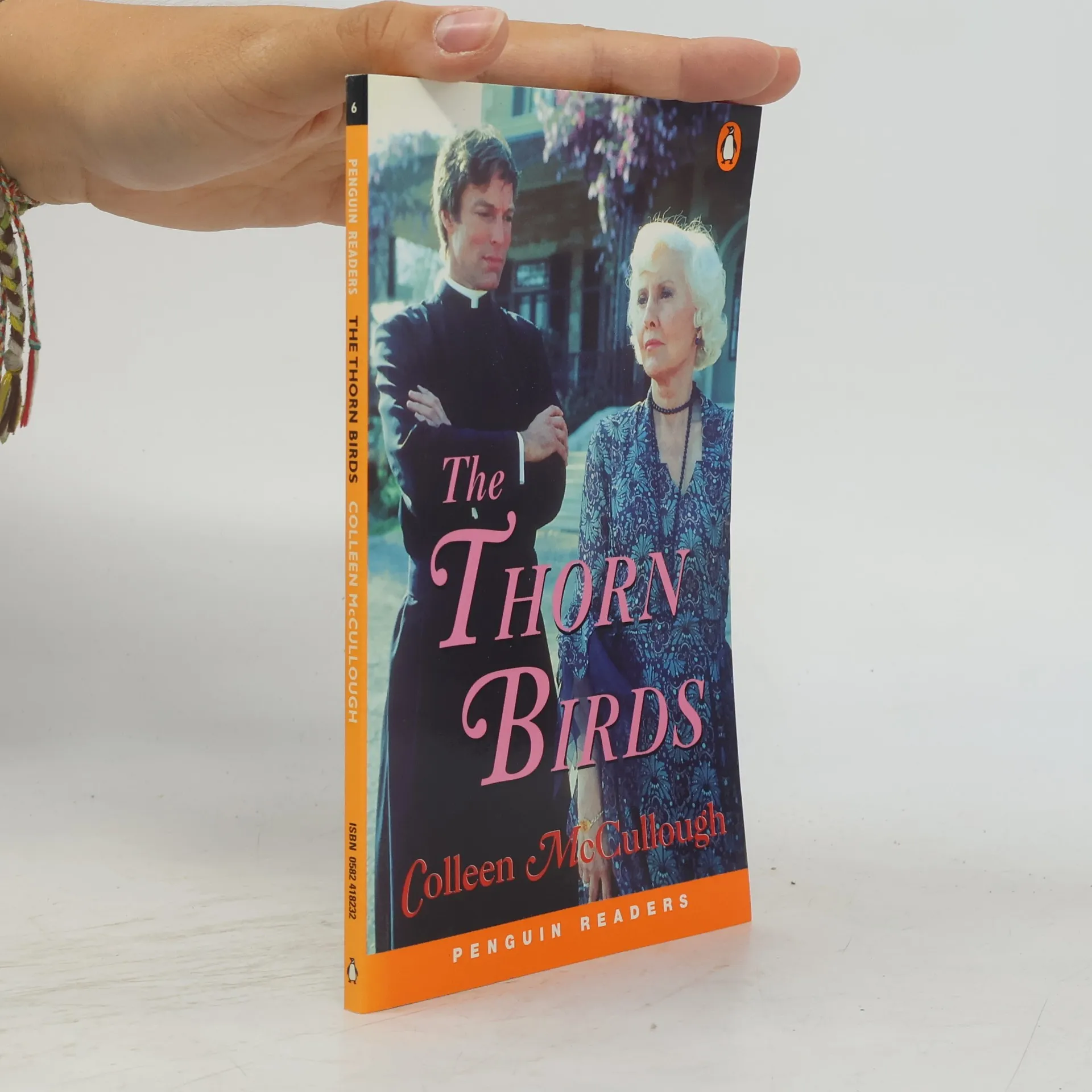
The epic story of a priest torn between God and human passion and a beautiful girl desiring only what she cannot have, spanning five decades of ambition, fear, longing and revenge, and set against the vast horizons of Australia's Outback.
A young boy is asked to maintain the fiction that his father is alive. A young woman is shot at by a hunter. A schoolgirl dies in an exploding car. In Lives of the Poets, six tense, poignant, and mysterious stories are followed by a novella in which the writer emerges from his work to reveal his own mind. Here the images and the themes of the earlier stories become part of the narrator's unsparing confessions about his own life. Seperated from his family, he chronicles the edgy urban landscape around him, discusses marriages that fail but continue to entangle spouses, the influence of wives and other women, and the obsessions that haunt him. And in this brilliant, funny, and painful story about the story, the writer's mind in all its aspects - its formal compositions, its naked secrets - emerges as a rare look at the creative process and its connection to the heart. An astonishing work, Lives of the Poets varies from realistic to dreamlike to become a virtuoso performance by E.L. Doctorow, deftly done by an author in total control of his craft, aware both of the enormity of his talent... and of the price it exacts.

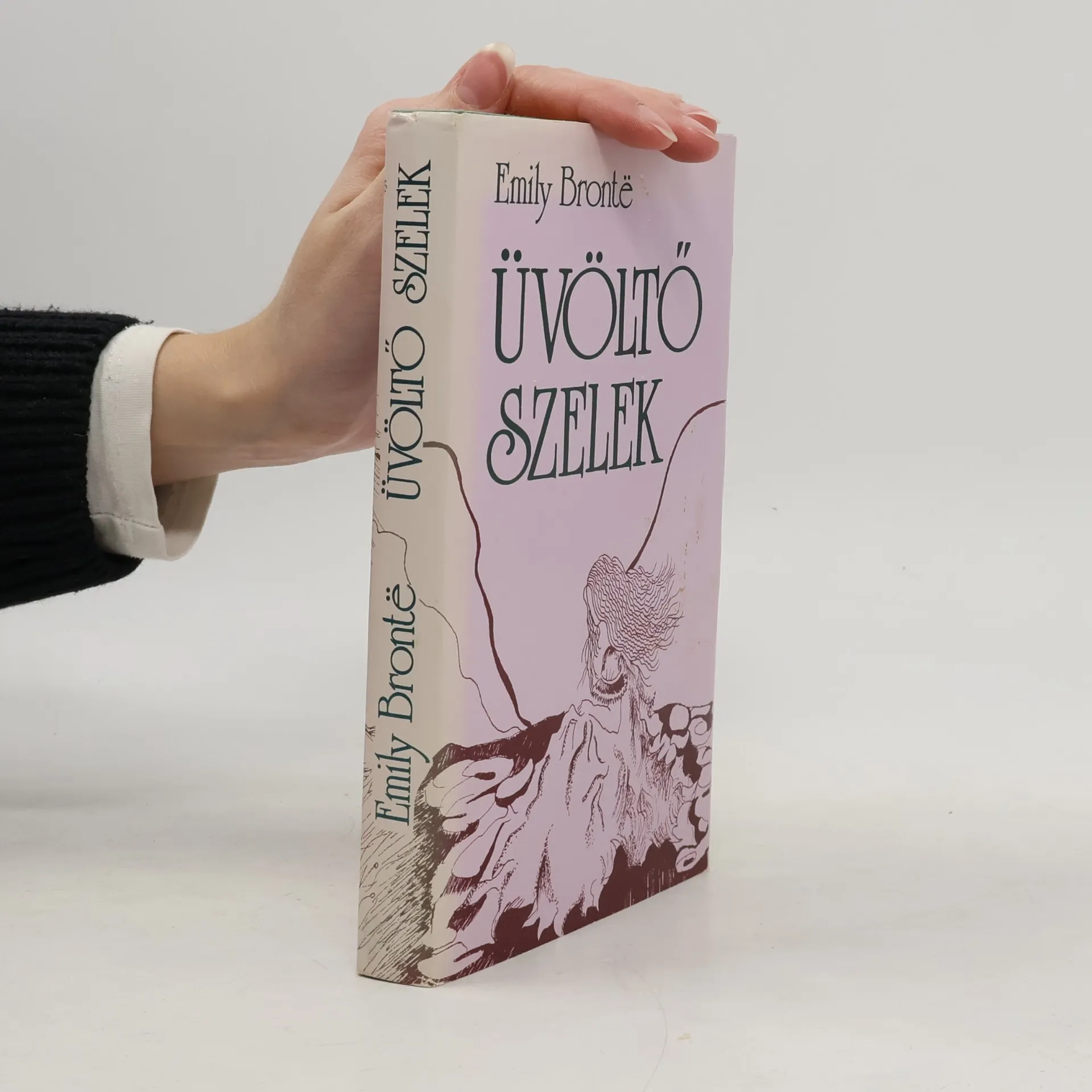
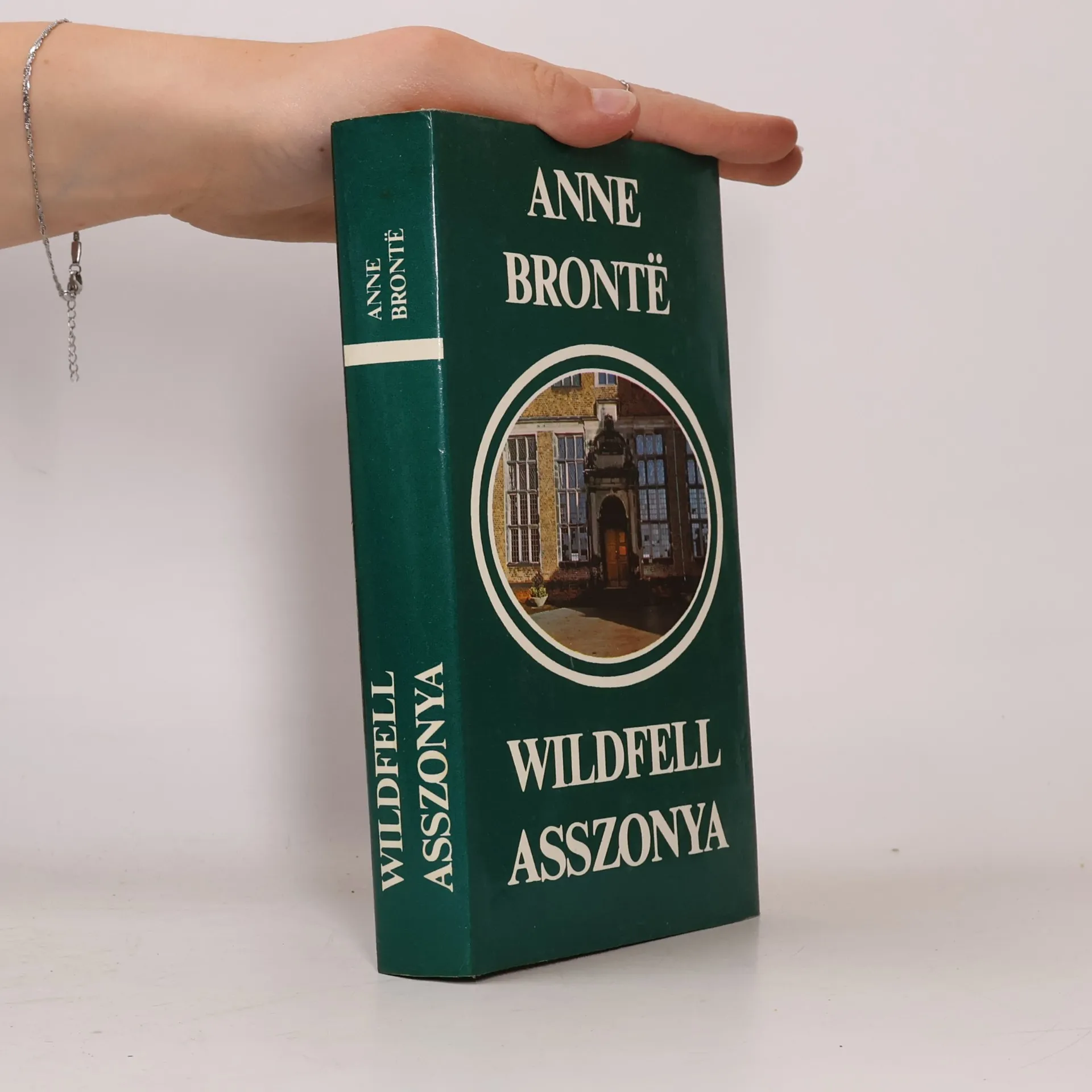
Sok fényt, boldogságot nem ismert nagy regénye lapjain mégis meg-megcsillan a korát meghazudtoló bölcsességből fakadó, mindent megbocsátó, szívbéli derű. A kerettörténetet elbeszélő Gilbert könnyed életfelfogású ifjúból a szemünk láttára válik érett férfivá - a könyv zömét pedig Helennek, a környéken sok szóbeszédet keltó, magányos, gyönyörű, fekete ruhás asszonynak a naplója teszi ki.
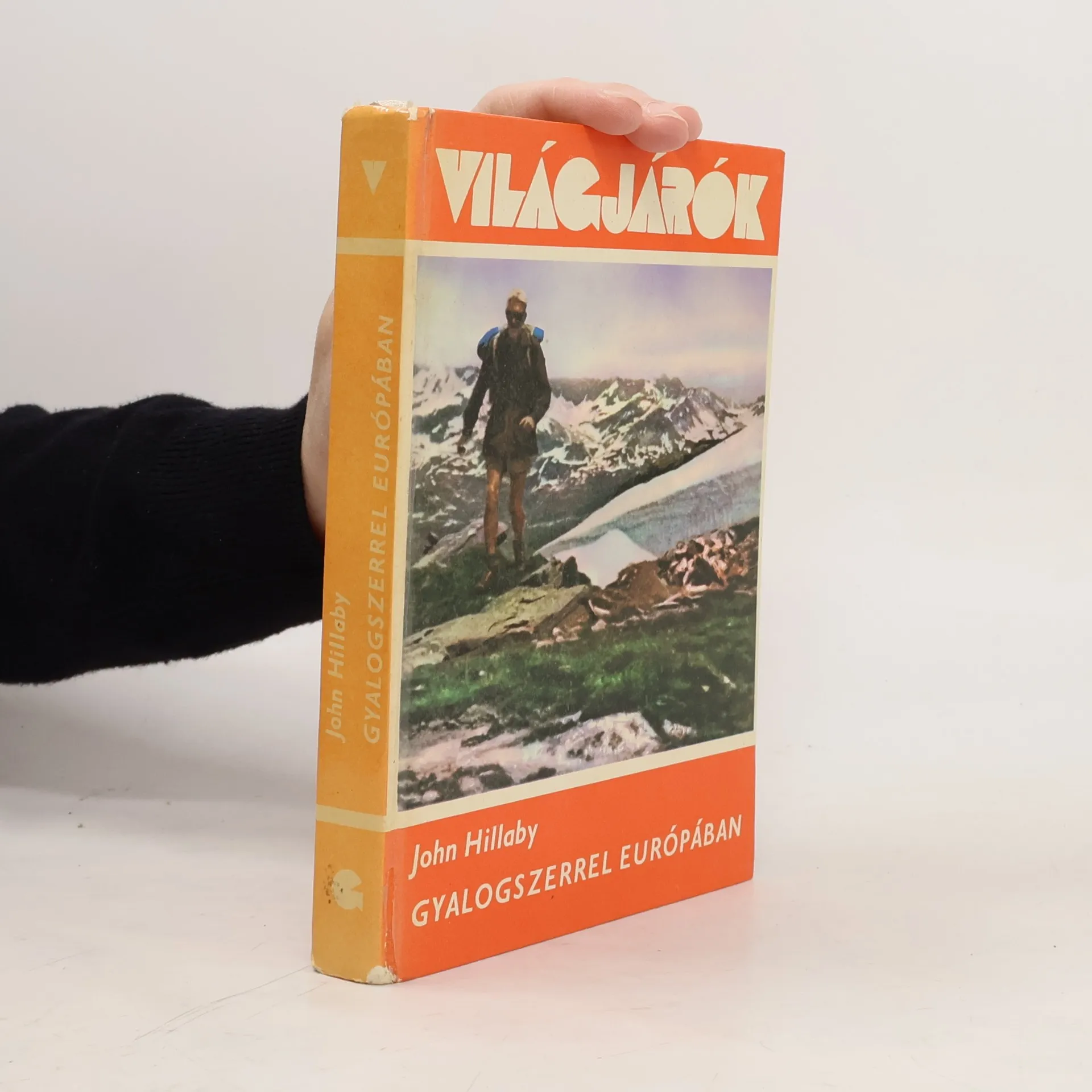
John Hillaby leginkább „hivatásos gyalogló"-nak nevezhető, bár újságíróként és íróként tevékenykedik. 1970 nyarán, több hasonló vállalkozás után, két hónap alatt az Északi-tengertől a Földközi-tengerig gyalogolt, közel 2000 kilométert megtéve. Útja során Hollandiában, Belgiumban, Luxemburgban, Nyugat-Németországban, Svájcban és Franciaországban járt. Éles megfigyelő, humánus és kíváncsi, fogékony a világ szépségeire, és rokonszenves szerénységgel tájékoztat mindarról, amit tud. Új módon láttatja a tájat és az embereket, mesél a történelemről, valamint a növényekről és állatokról természettudós jártasságával. Pompás, csípős humorral ír, miközben tapasztalt ember bölcsessége szólal meg, legyen szó belga katonazenészekről vagy német konzervgyárosokról. Megtudhatjuk, mit esznek és isznak a különböző népek gyermekei, hogy Prokofjev dallamaira a legkellemesebb a gyaloglás, és hogyan kell öltözködnie a gyaloglónak különböző időjárási viszonyok között. Utazása során számos ismeretséget köt, határőrökkel, katonákkal, tanítónőkkel és hippikkel, akik bolondnak tartják, amikor elutasítja a felajánlott fuvart. Ez a könyv egy színes kaleidoszkóp, amely mindig új képeket villant fel, végül pedig országok és embertípusok hiteles rajzát alkotja.