

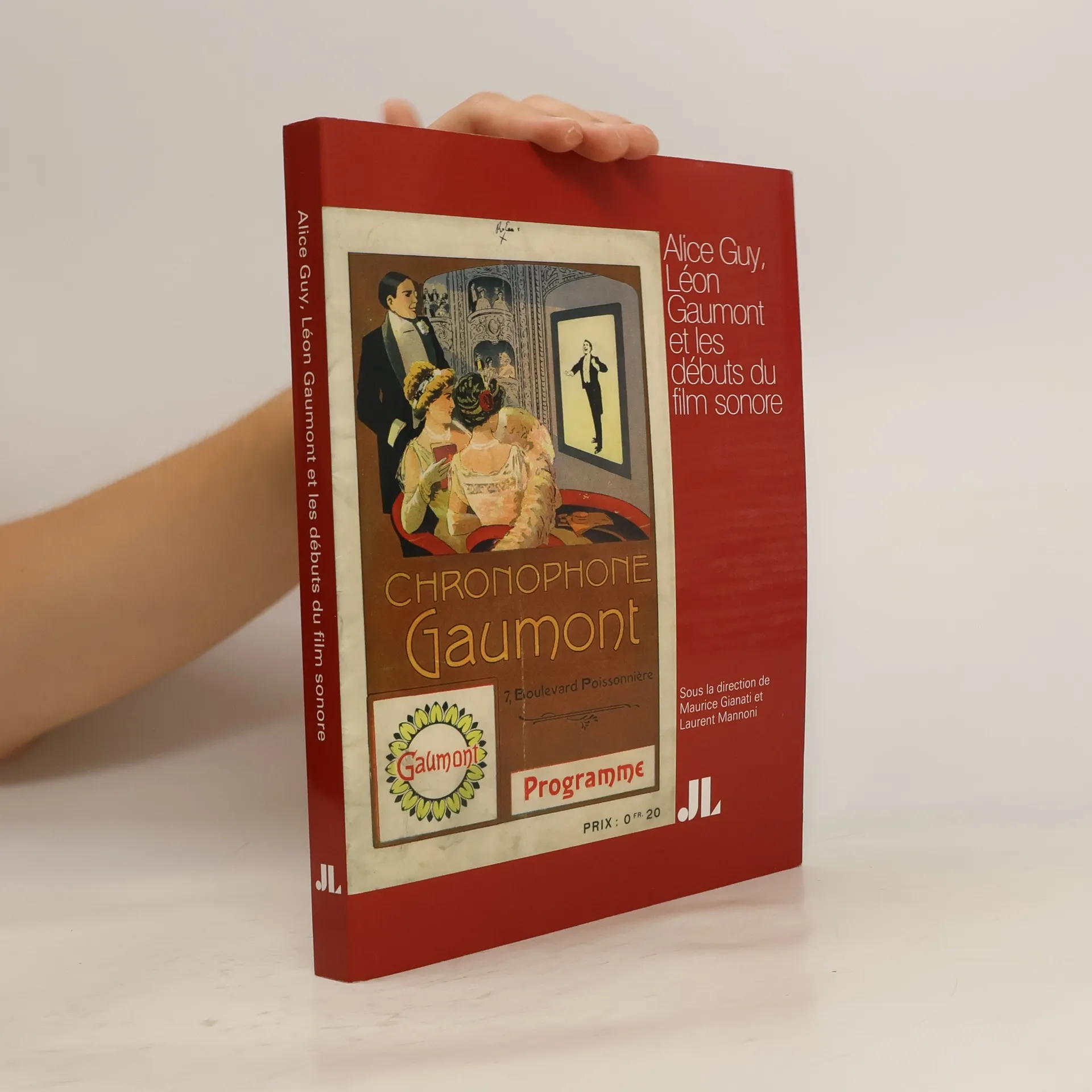
In the early twentieth century Gaumont was in the avant-garde of film technology, innovating in particular in the field of sound and colour. They were synchronizing sound on disk with motion pictures - representing a breakthrough in this area. Gaumont , with its "phonoscènes" and "filmparlants" presented a show, based in part on the world of vaudeville, song and monologue. This was a revolutionary technique of synchronization and amplification of sound. Léon Gaumont's research into sound cinema, ending at the end of the 1920s with the development of the Gaumont-Petersen-Poulsen optical system.Léon Gaumont was not the first or the only one trying to solve the problem of sound cinema. Many other companies developed parallel systems. However, it was the U.S. Vitaphone (none other than the improved Gaumont chronophone), which triumphed on the screen - at least for a while. Another innovative Gaumont was to entrust its film production to a young woman, Alice Guy. Under her direction, these fiction films developed considerably. But what exactly are the films by Alice Guy? When did she really start? Archival documents can clarify some of the mysteries. A number of studies collected in this book are based on unpublished material. Extensive illustration, not previosuly published, allows the reade to appreciate the beauty of equipment made by Léon Gaumont.
Laurent Mannoni Kolejność książek (chronologicznie)

The Great Art of Light and Shadow. Archaeology of the Cinema
- 546 stron
- 20 godzin czytania
Widely regarded by historians of the early moving picture as the best work yet published on pre-cinema, The Great Art of Light and Shadow: Archaeology of the Cinema throws light on a fascinating range of optical media from the twelfth century to the turn of the twentieth. First published in French in 1994 and now translated into English, Laurent Mannoni's account projects a broad picture of the subject area now known as 'pre-cinema'. Starting from the earliest uses of the camera obscura in astronomy and entertainment, Mannoni discusses, among many other devices, the invention and early years of the magic lantern in the seventeenth century, the peepshows and perspective views of the eighteenth century, and the many weird and wonderful nineteenth-century attempts to recreate visions of real life in different ways and forms. This fully-illustrated and accessible account of a strange mixture of science, magic, art and deception introduces to an English-speaking readership many aspects of pre-cinema history from other European countries.
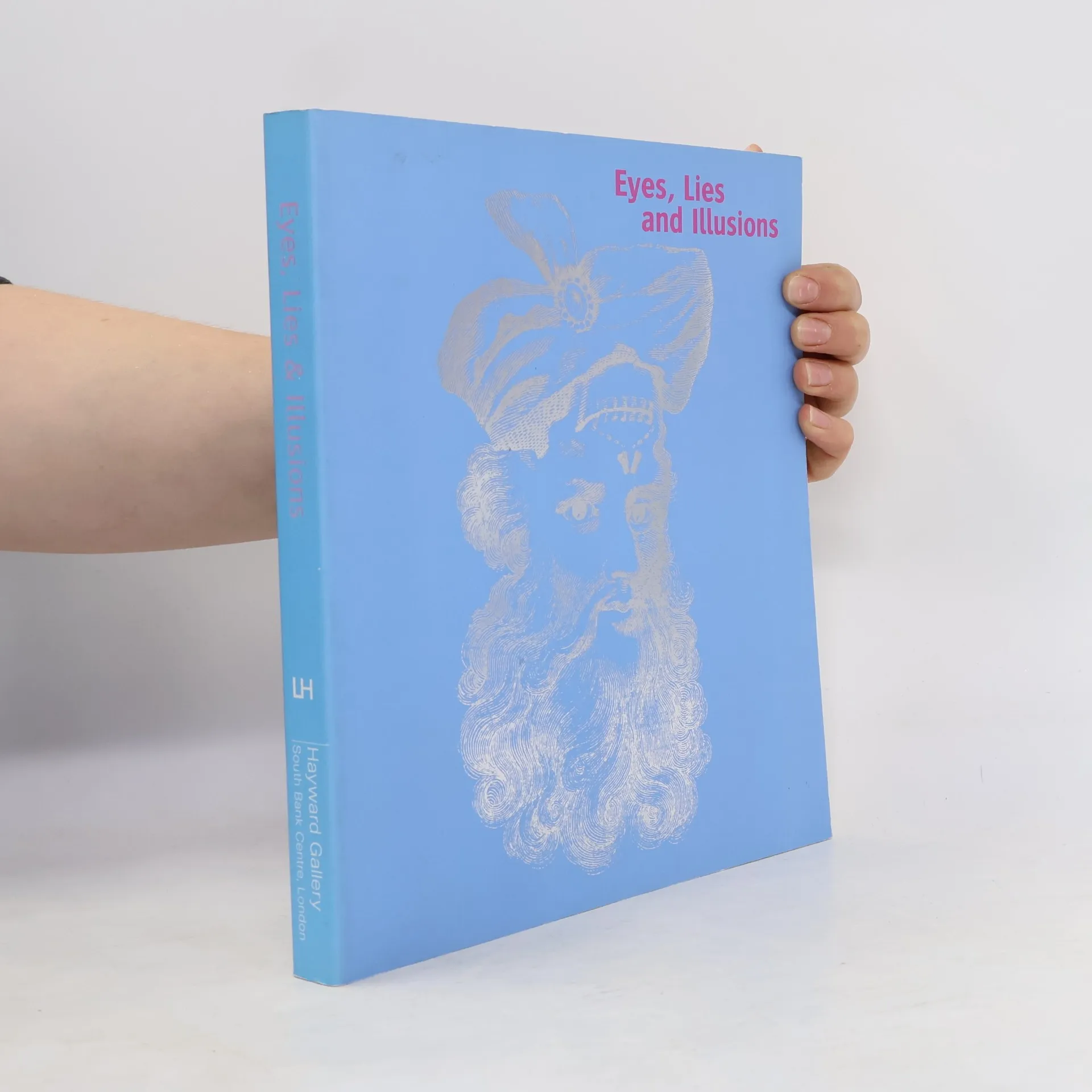
Eyes, Lies and Illusions
The Art of Deception - Published on the Occasion of the Exhibition Eyes, Lies and Illusions, Hayward Gallery, London, 7. October 2004-3. January 2005
- 239 stron
- 9 godzin czytania
Light and shadow, reflection, colour and motion - these are the primary elements of visual art. Shadow play, tricks of perspective, anamorphoses and magic lanterns have fascinated artists and craftsmen throughout the centuries and continue to inspire and stimulate the imagination to this day. The Art of Illusion explores this world of perceptual paradox through the astonishing collection of the German experimental filmmaker Werner Nekes, and the work of contemporary artists including Christian Boltanski, Carsten Holler, Tony Oursler and Markus Raetz.The Art of Illusion illustrates a vast range of intriguing optical media and artworks from the sixteenth to the twenty-first centuries - manuscripts, prints and books, optical devices and experiments, early cameras, games and toys. This handsome volume incorporates optical tricks, puzzles and illusions, which are sure to make it a collector's item.