The book explores the persistent failure of global leaders to prevent genocide despite the establishment of the Genocide Convention after WWII. It highlights numerous genocides since then, including those in Cambodia, Rwanda, and against religious minorities in Syria and Iraq, illustrating the inadequate responses to these atrocities. The author poses critical questions about what changes are necessary to effectively address and prevent future genocides, emphasizing the urgent need for a more robust and proactive international approach.
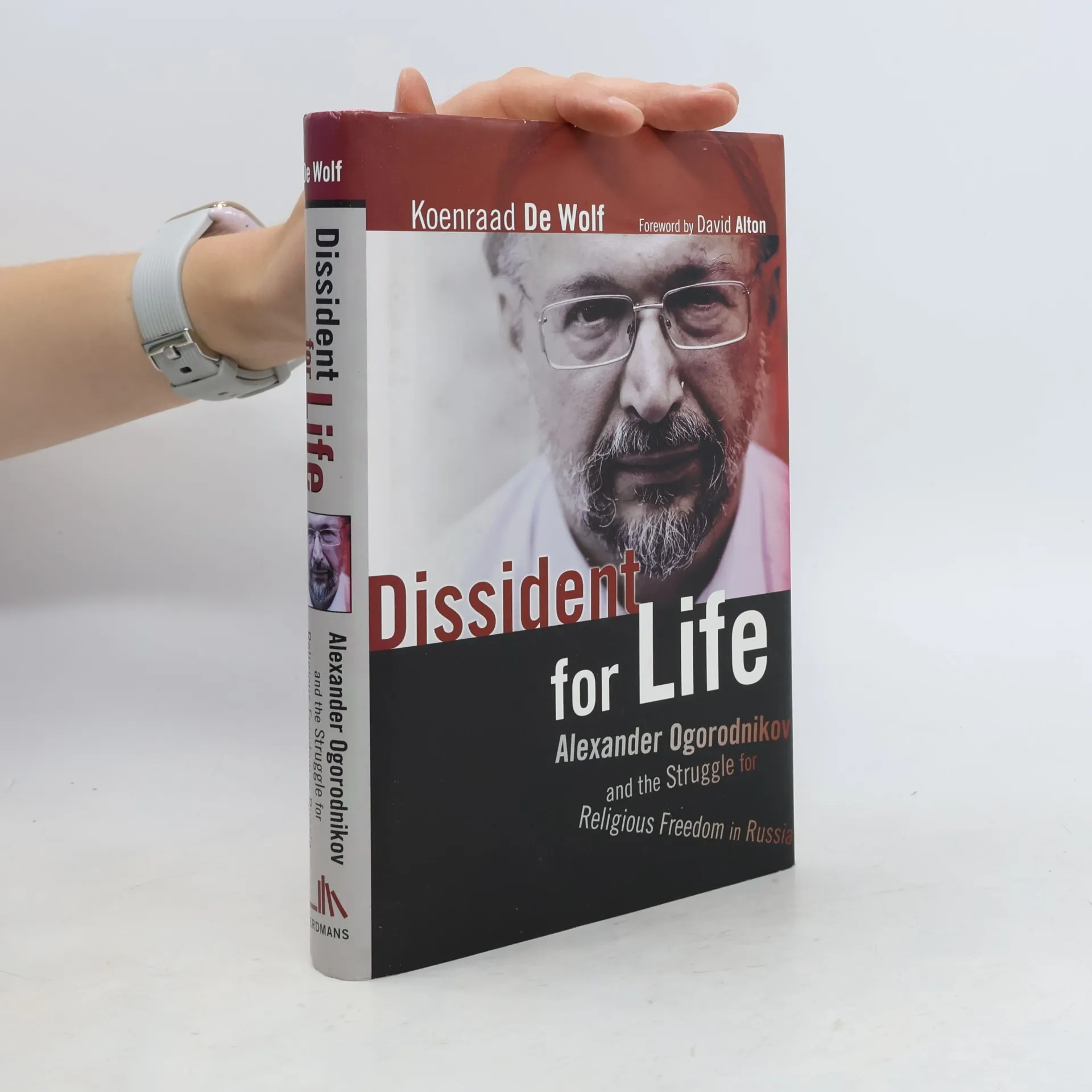
Alexander Ogorodnikov and the Struggle for Religious Freedom in Russia
316 stron
12 godzin czytania
This gripping book tells the largely unknown story of longtime Russian dissident Alexander Ogorodnikov -- from Communist youth to religious dissident, in the Gulag and back again. Ogorodnikov's courage has touched people from every walk of life, including world leaders such as Bill Clinton, Ronald Reagan, and Margaret Thatcher. In the 1970s Ogorodnikov performed a feat without precedent in the Soviet Union: he organized thousands of Protestant, Orthodox, and Catholic Christians in an underground group called the Christian Seminar. When the KGB gave him the option to leave the Soviet Union rather than face the Gulag, he firmly declined because he wanted to change "his" Russia from the inside out. His willingness to sacrifice himself and be imprisoned meant leaving behind his wife and newborn child. Ogorodnikov spent nine years in the Gulag, barely surviving the horrors he encountered there. Despite KGB harassment and persecution after his release, he refused to compromise his convictions and went on to found the first free school in the Soviet Union, the first soup kitchen, and the first private shelter for orphans, among other accomplishments. Today this man continues to carry on his struggle against government detainments and atrocities, often alone. Readers will be amazed and inspired by Koenraad De Wolf's authoritative account of Ogorodnikov's life and work.
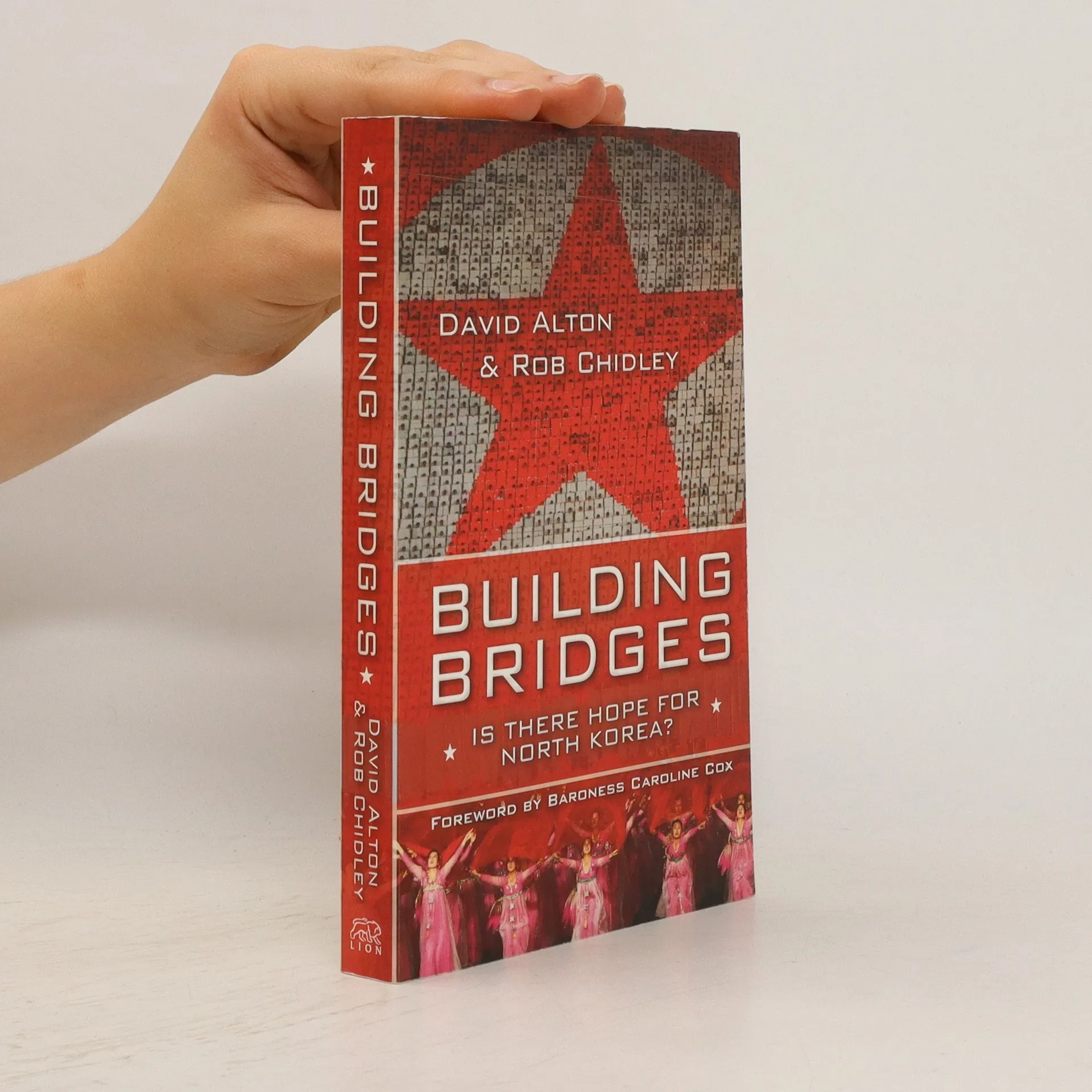
How much do you know about North Korea? Depending on whom you ask, the Democratic People's Republic of Korea (DPRK) is an international laughing-stock, a terrifying nuclear-powered war machine, or a humanitarian crisis of nightmarish proportion. For David Alton, the DPRK is Asia's tragic and prodigal son, long overdue 'coming in from the cold' and returning to the embrace of the international community. The obstacles are gigantic and the record of human suffering is almost beyond description, yet there is still hope for a better future, if only the political and military powers have the courage to seize it. In this book, David Alton and Rob Chidley paint a practical and compassionate picture of North Korea, from the earliest history to the tragic division and right up to the present day. In doing so, they present a North Korea that we can understand, approach, and reach out to with a glimmer of hope.