Bookbot

Śankara

    1 stycznia 0788 – 1 stycznia 0820
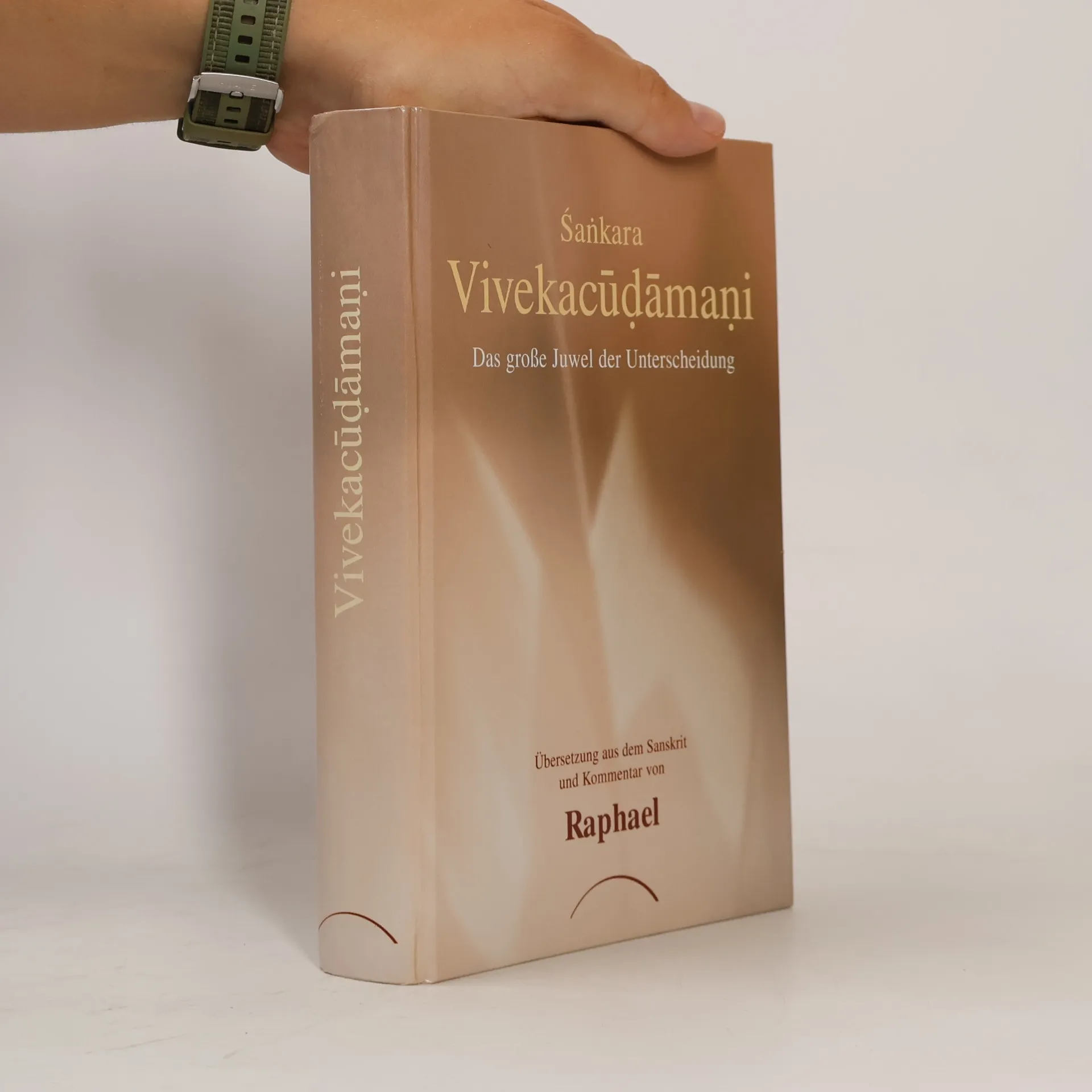
    Vivekachudamani - The Crest-Jewel of Discrimination
    Self-Knowledge
    Saundaryalahari
    Atma Bodha & Tattva Bodha
    Shankara's Crest Jewel of Discrimination
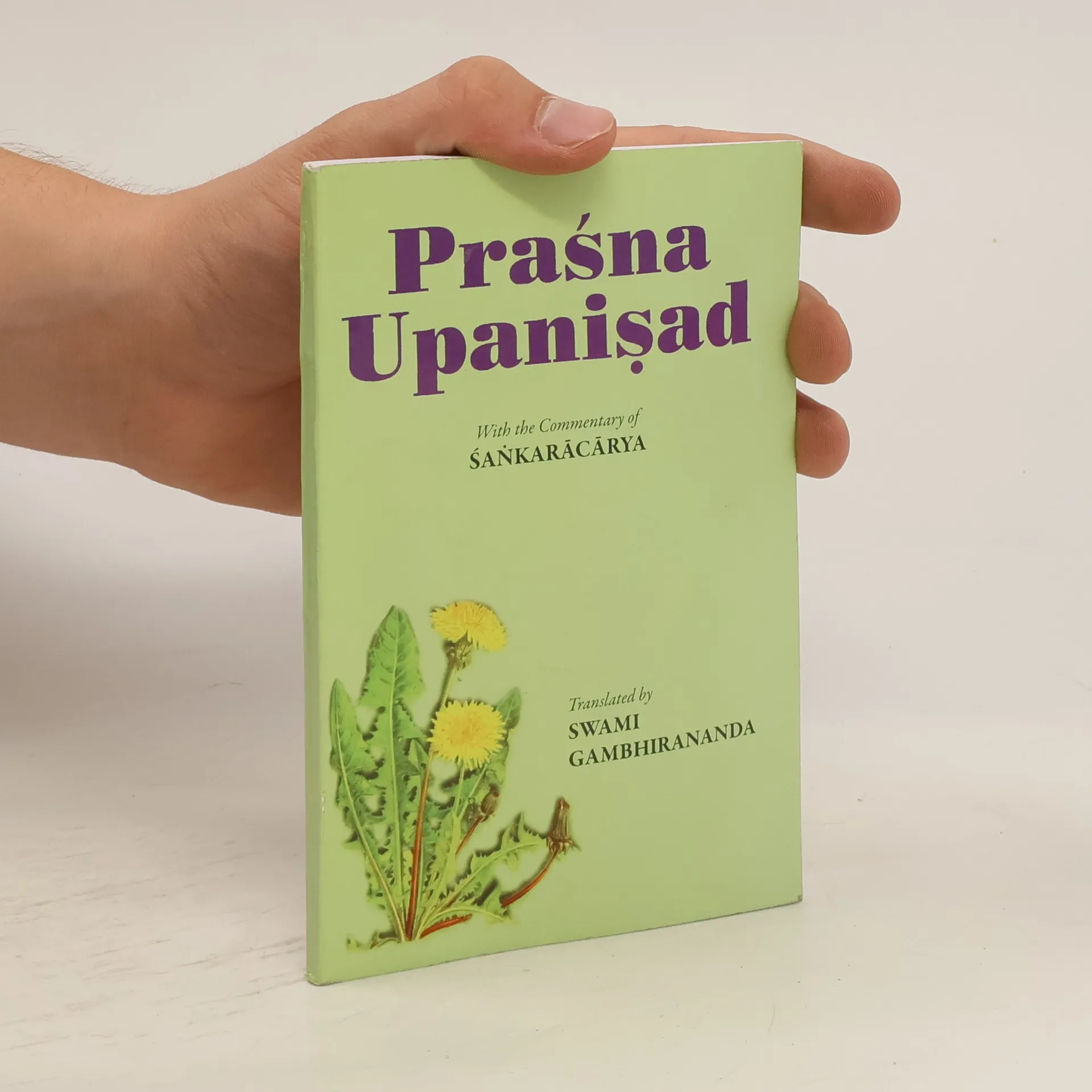
    Praśna Upaniṣad
    • Praśna Upaniṣad

      • 100 stron
      • 4 godziny czytania

      As the name implies, this Upanishad discusses philosophical problems through the medium of questions and answers between six students and a sage. The questions relate to the source of all beings, the number of deities, the nature of the vital force, the nature of waking, dream, and sleep states, meditation on OM, and the nature of the highest Reality. To all these questions the sage gives a suitable answer, making it easy of comprehension by means of interesting analogies and similes. A lucid and faithful translation along of the text along with Shankaracharya's commentary on it will help the students of Vedanta to comprehend this Upanishad in the right spirit.
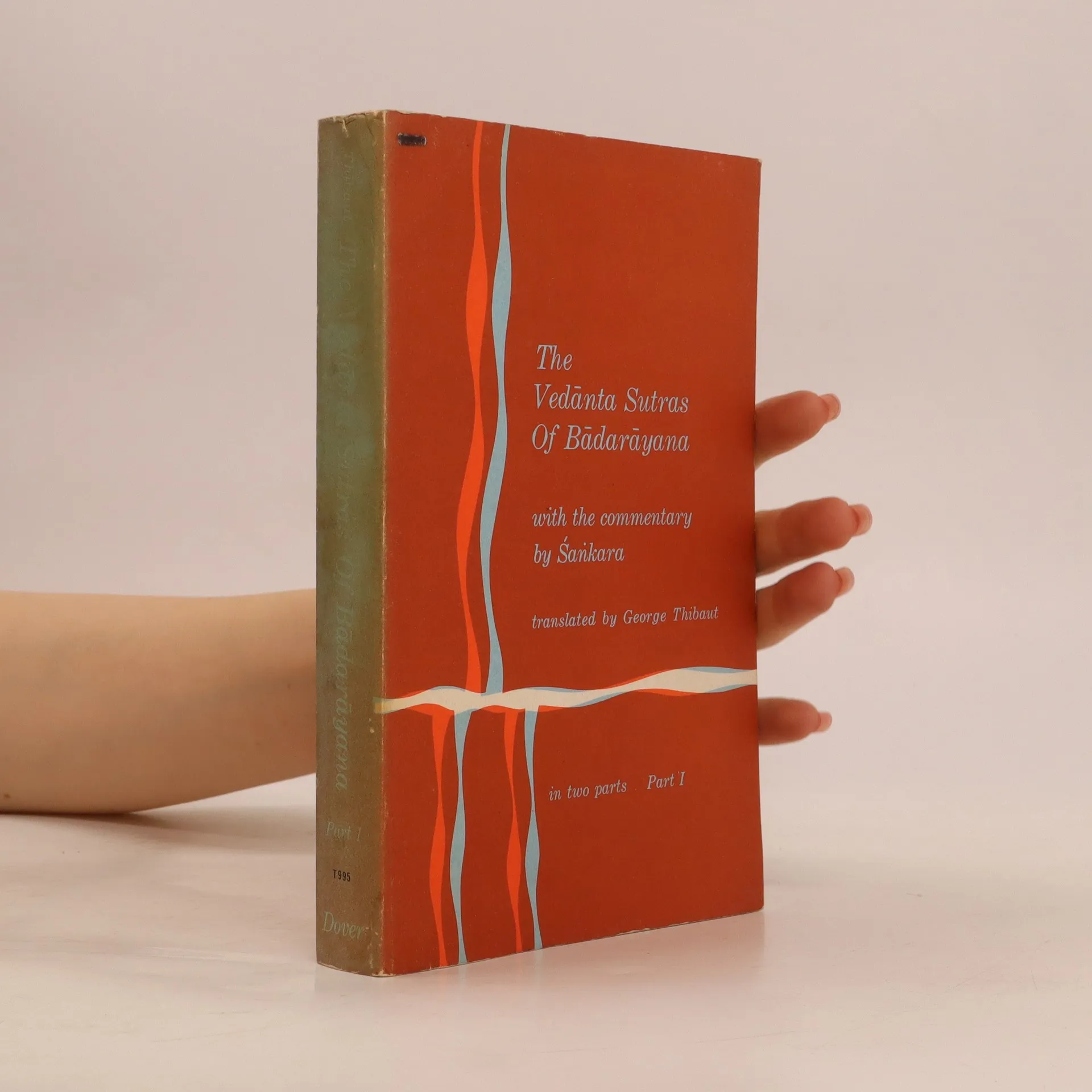
      Praśna Upaniṣad
      4,2
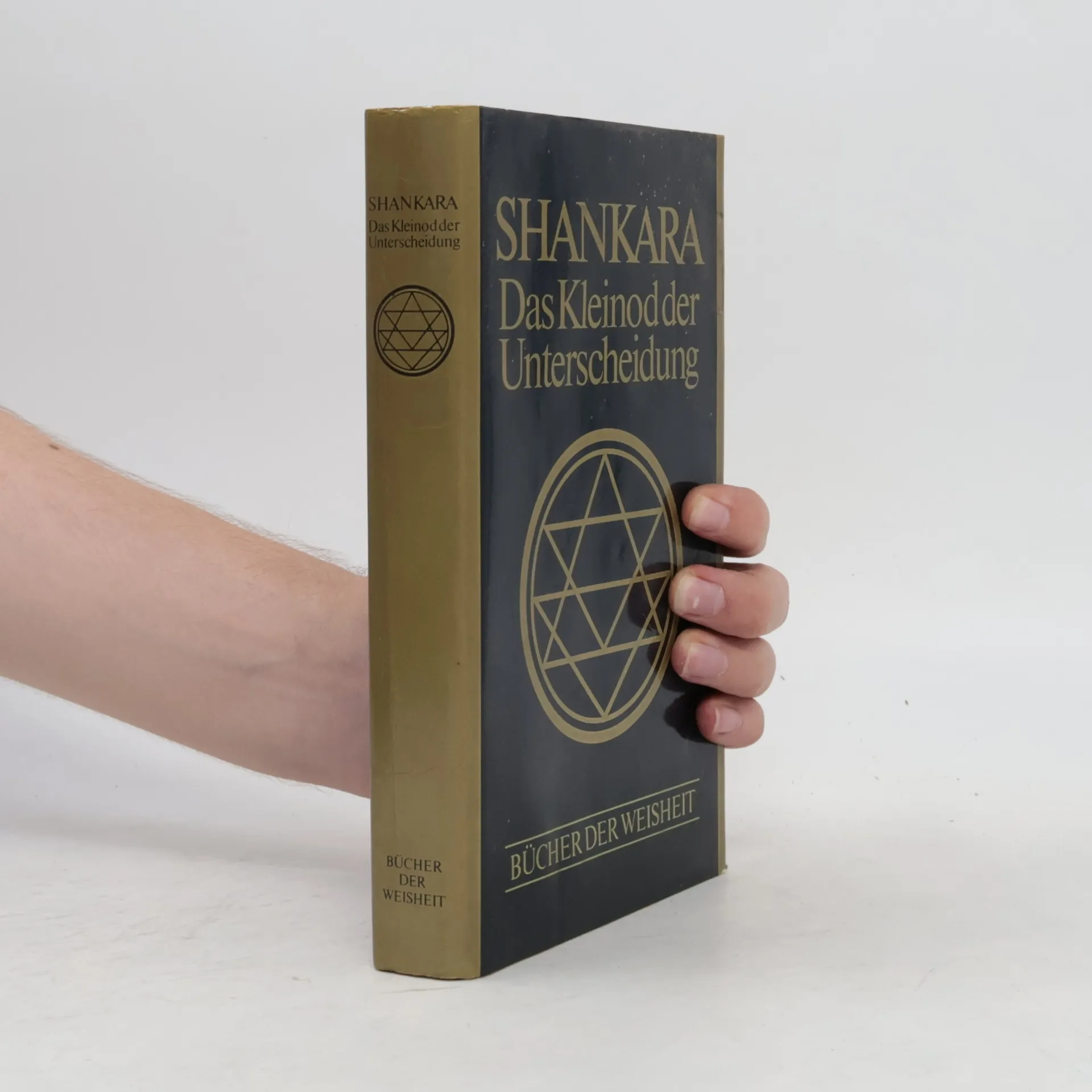
    • A classic text on the path to God through knowledge. The basic teaching is that God alone is the all-pervading reality; the individual soul is none other than the universal soul. According to Shankara, it is the ignorance of our real nature that causes suffering and pain. The desire for happiness is essentially a longing to awaken to who and what we truly are. Through the path of self-knowledge, Shankara clearly teaches how to awaken from ignornce created by the mind, and abide in the peace of our true nature.

      Shankara's Crest Jewel of Discrimination
      4,4
    • Atma Bodha & Tattva Bodha

      Esoteric Classics: Eastern Studies

      • 54 strony
      • 2 godziny czytania

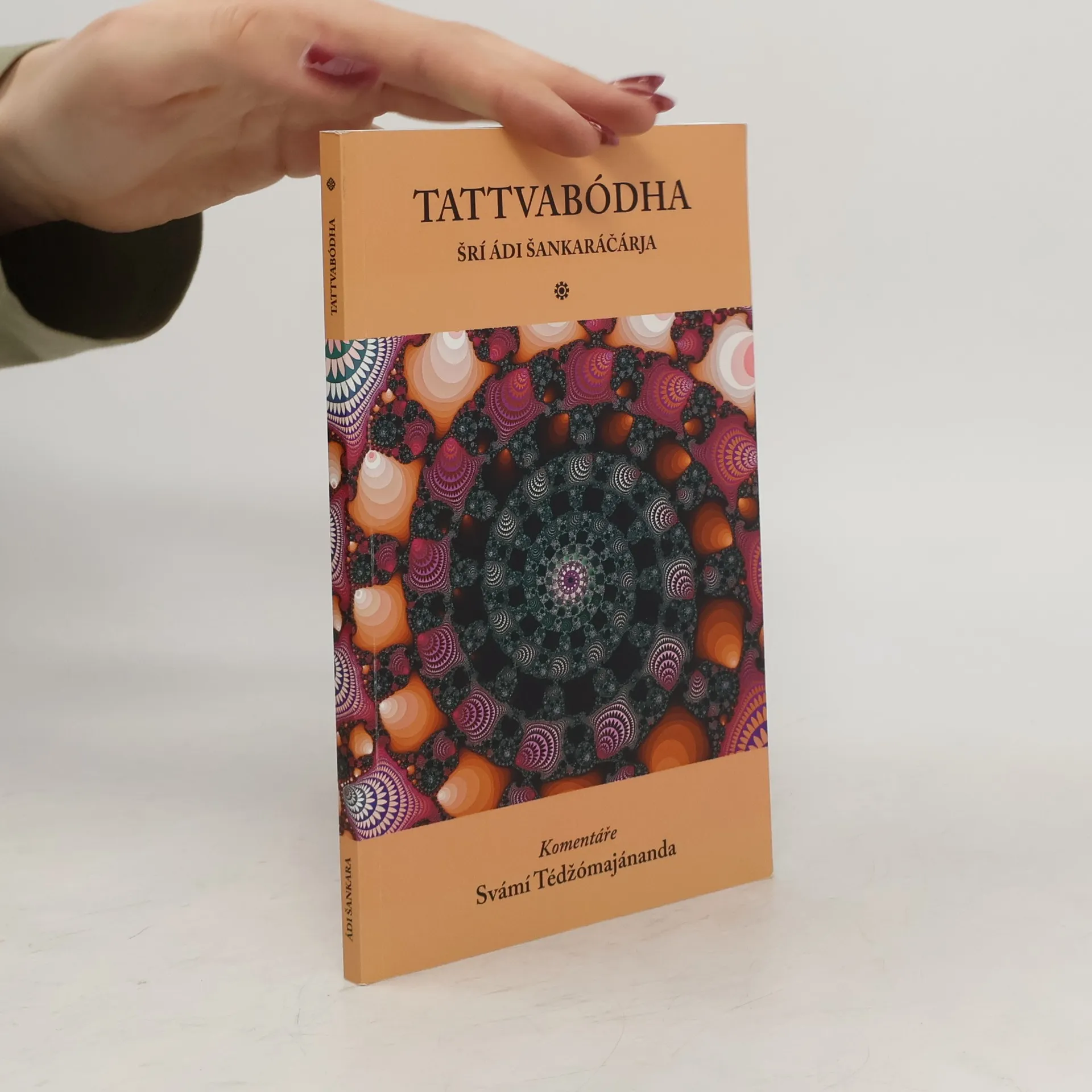
      Focusing on the pursuit of Self-knowledge, this concise Sanskrit text by Adi Shankara outlines the journey towards understanding Atman, or the true self. It emphasizes the importance of self-awareness and the possession of knowledge regarding the soul and supreme spirit. Additionally, it serves as an introductory guide to Vedanta philosophy, encapsulating essential truths in a compact format.

      Atma Bodha & Tattva Bodha
      4,0
    • Vivekachudamani - The Crest-Jewel of Discrimination

      A bilingual edition in Sanskrit and English

      • 146 stron
      • 6 godzin czytania

      Focusing on the core principles of Advaita Vedanta, this treatise offers a poetic exploration of discrimination between the eternal and the temporal, emphasizing the unity of Atman and Brahman. Traditionally attributed to Adi Shankara, it serves as a comprehensive guide for self-knowledge and spiritual enlightenment, structured as a dialogue between student and teacher. Celebrated for its teachings, it elucidates the path to Moksha, making profound philosophical concepts accessible to seekers of truth.

      Vivekachudamani - The Crest-Jewel of Discrimination
    • Sing Always the Song of the Divine

      • 244 strony
      • 9 godzin czytania

      The narrative centers on Shankara's poignant observation of an old man on his deathbed, engrossed in memorizing grammar rules. Moved by pity, Shankara reflects on the futility of the man's lifelong dedication to grammar over spiritual pursuits. This encounter prompts a deeper exploration of life's priorities, emphasizing the importance of remembering the divine rather than getting lost in trivial knowledge as one approaches the end of life.

      Sing Always the Song of the Divine
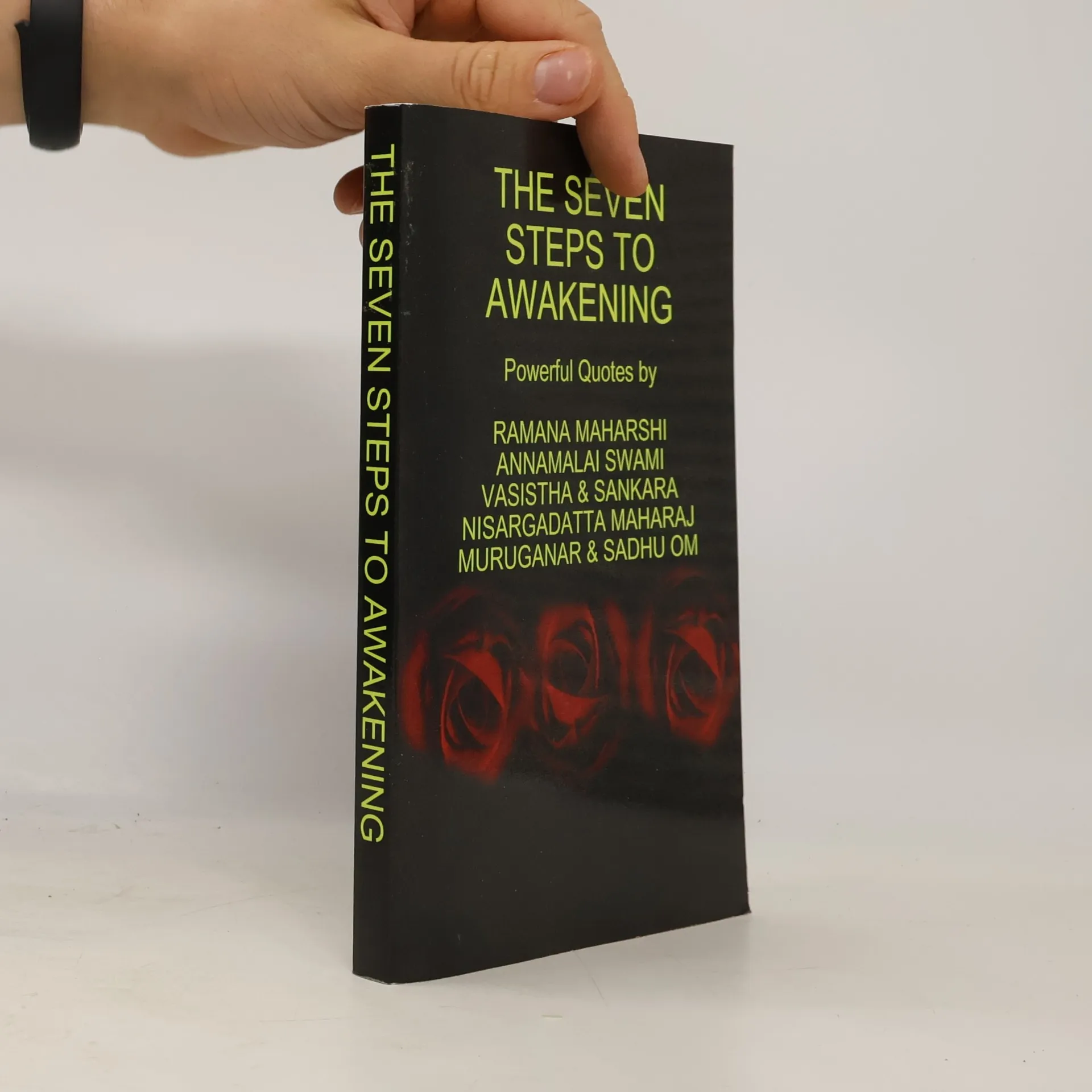
    • The Seven Steps to Awakening

      • 240 stron
      • 9 godzin czytania

      This powerful collection of quotes offers profound insights on experiencing the true Self, characterized by Infinite-Eternal-Awareness-Love-Bliss, while effectively ending the suffering caused by the impostor self. Unlike many works on Self-realization, which stem from conceptual knowledge, the sages featured here lived in the infinite, sharing wisdom rooted in direct experience. The quotes serve as doorways to liberation and loving transmissions from the Infinite Self. When distractions arise, these quotes can inspire and guide you back on your path to Awakening. Only the most essential and impactful quotes have been selected, avoiding distractions and detours. The first collection distinguishes between a conceptual journey and one toward Awakening. The second highlights the dreamlike nature of the world. The third emphasizes the need to bring the impostor self to its final end. The fourth encourages a deeper desire for liberation. The fifth motivates you to practice the seven steps. The sixth urges inward attention, while the seventh presents the most effective method for overcoming the impostor self and its suffering, allowing you to remain in the true Self, defined by Infinite-Awareness-Love-Bliss.

      The Seven Steps to Awakening
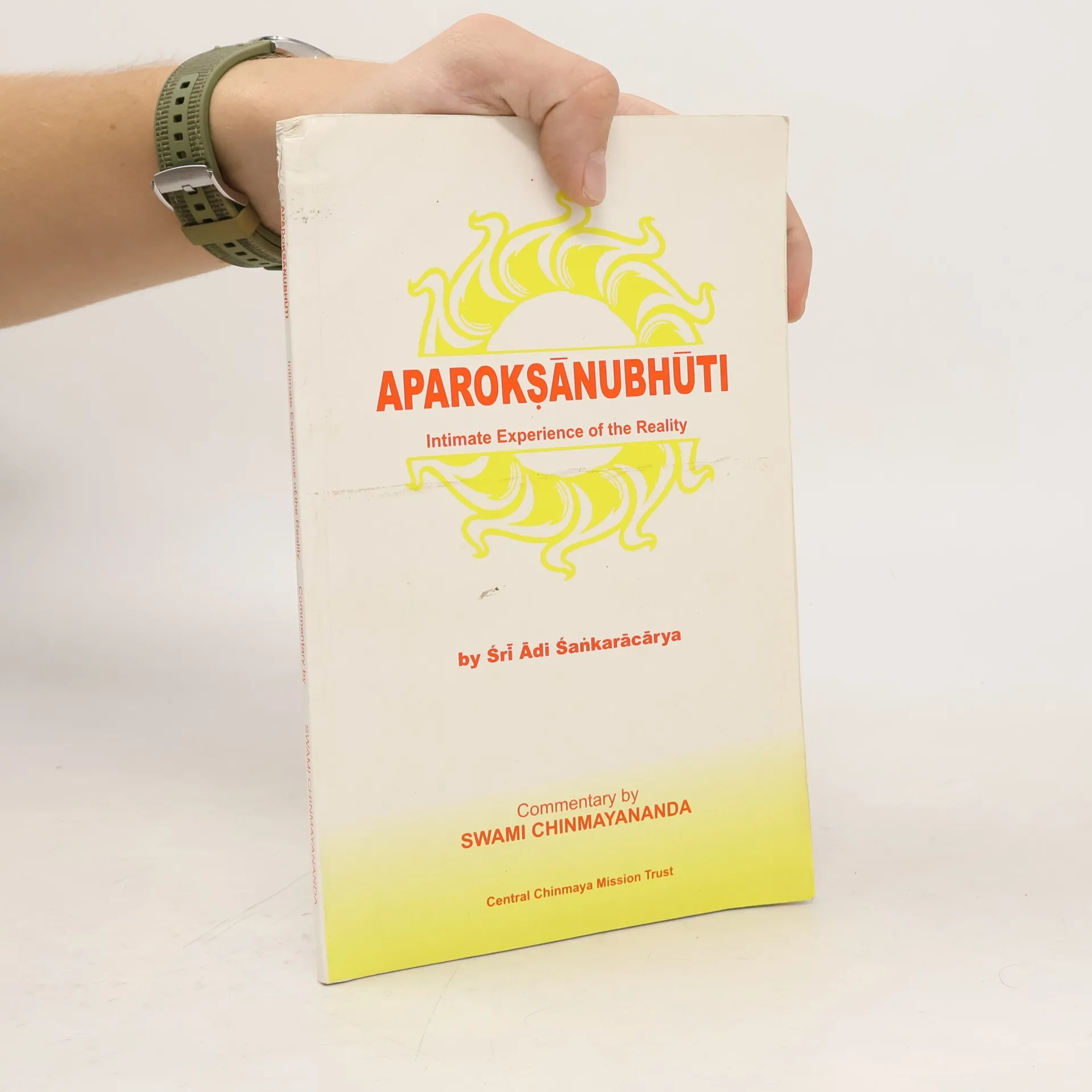
    • Aparokṣānubhūti

      • 126 stron
      • 5 godzin czytania

      'Aparoksanubhuti' is an introductory textbook by Adi Sankara, categorized as a 'Prakriya Grantha,' which focuses on definitions and categories to elucidate profound truths found in the 'Sastras.' Despite its seemingly simple presentation, it contains deep insights essential for students of Vedanta. The title itself, 'A-para-aksa-anubhuti,' signifies the importance of direct experience of the Self, as opposed to secondhand knowledge. Here, 'Aparoksa' means firsthand, while 'Anubhuti' refers to experience. This text emphasizes practice over theory, serving as a practical guide for meditation. The concepts presented align with fundamental Vedantic teachings found in other works by Sankara, such as Atma Bodha and Vivekacudamani, but 'Aparoksanubhuti' offers a deeper exploration for advanced seekers. It provides logical reasoning that underscores its role as a practical manual for those committed to living spiritual values and experiencing the Atman, or Self, within. This book is an invaluable resource for anyone on the path to direct self-realization.

      Aparokṣānubhūti
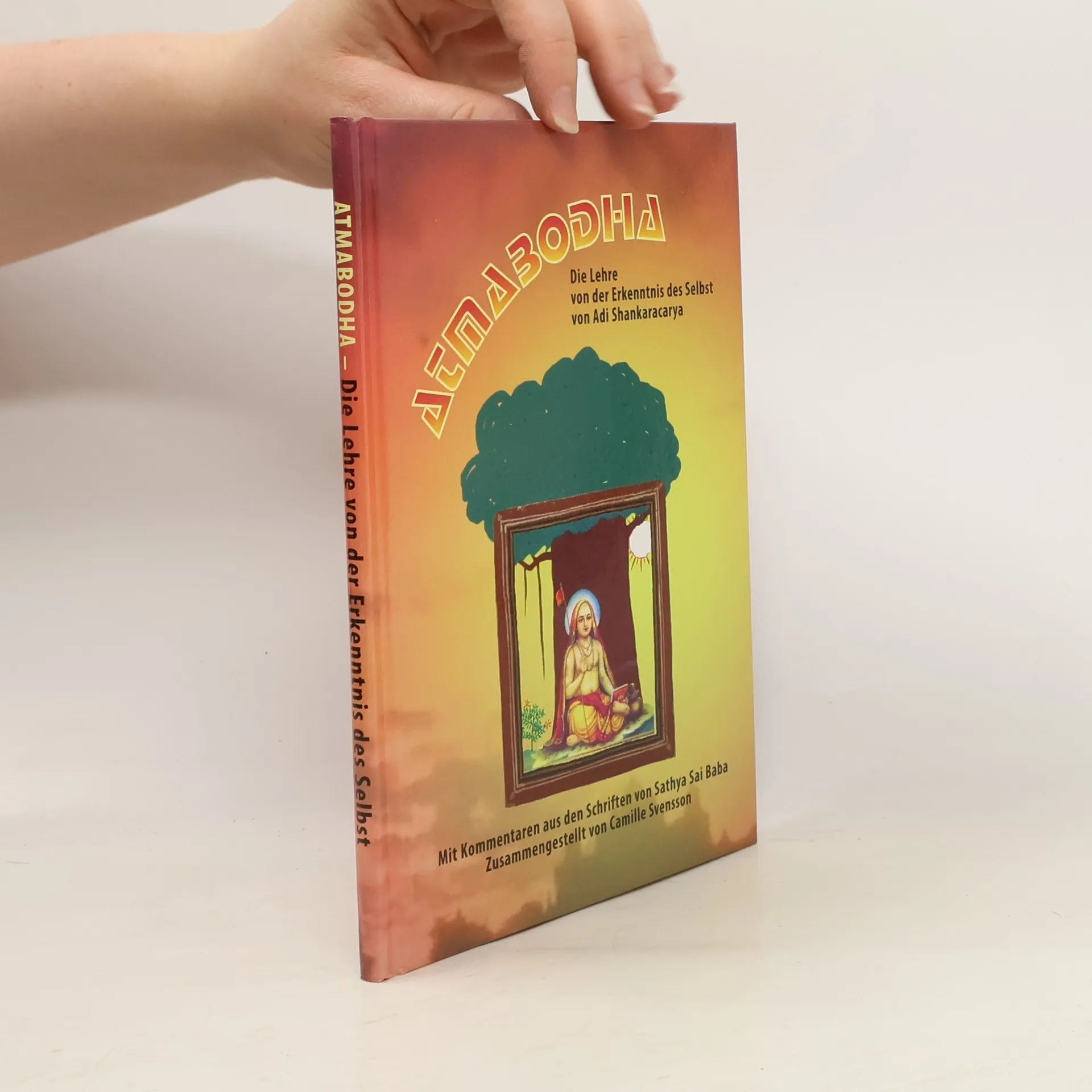
    • Atmabodha

      die Lehre von der Erkenntnis des Selbst

      • 46 stron
      • 2 godziny czytania
      Atmabodha
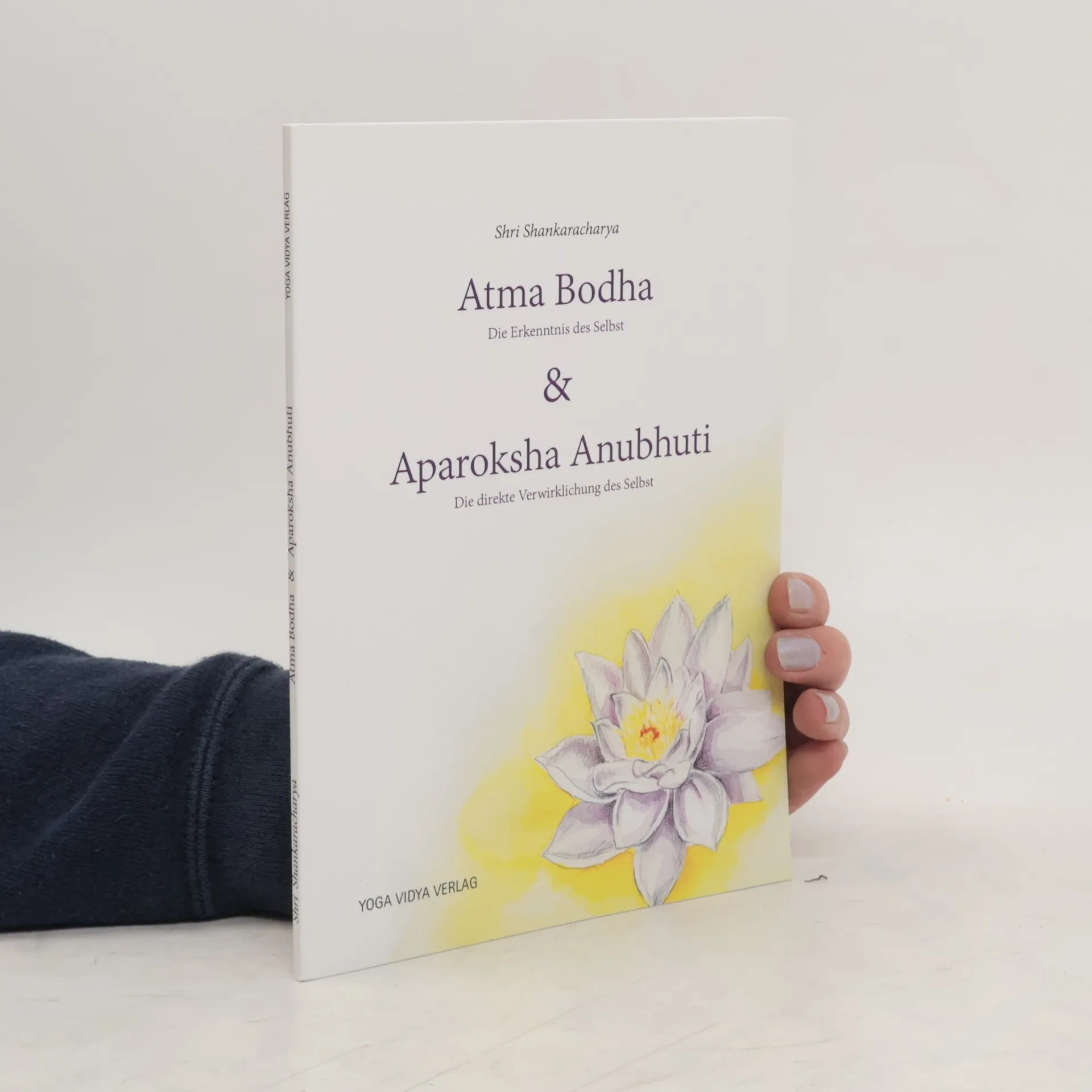
    • Atma Bodha & Aparoksha Anubhuti

      • 66 stron
      • 3 godziny czytania

      Atma Bodha und Aparoksha Anubhuti wurden um 800 n. Chr. von Sri Shankaracharya verfasst, einem der größten indischen Yoga- und Vedanta-Meister aller Zeiten. Atma Bodha beschäftigt sich mit der Erkenntnis des Selbst und Aparoksha Anubhuti mit der direkten Verwirklichung des Selbst. Diese Werke sind Vedanta in reinster Form: Wer oder was bin ich wirklich? Was ist das Sein? Was ist wirklich wahr? In diesen kurzen und prägnanten Aphorismen findest du viel Inspiration für das große Mysterium.

      Atma Bodha & Aparoksha Anubhuti
    • Das Buch, zusammengestellt von Parvatee und Shankara, bietet praktische Tipps und Anleitungen zu verschiedenen Themen wie Bekleidung, Körperpflege, Gartenbau und Ernährung. Es enthält zahlreiche Rezepte und Methoden, die auf persönlicher Erfahrung basieren. Teil des Grünen Zweigs NR 66 aus Werner Piepers Medien-Experimenten The Grüne Kraft.

      Handbuch für Selbstversorger. Tips aus eigener Erfahrung
    • Das Buch bietet eine Sammlung von Rezepten aus der langjährigen Erfahrung des Lichtheimat Ashrams, darunter Gerichte wie Apfelbrot, Zuchettiblütenküchli und viele weitere. Es umfasst 209 Seiten mit Rezepten für Getreidegerichte, Gemüse, Früchte, Hülsenfrüchte und Milchprodukte.

      Vegetarisch Kochen
    • Erste deutsche Direktübertragung aus dem Sanskrit, mit Kommentar von Emanuel Meyer. Dieses Buch präsentiert das Opus magnum des bedeutendsten alt-indischen Philosophen und Mystikers, Shankaracharya. Unter dem Originaltitel „Sarva-vedanta-siddhanta-sara-samgrahah“ vermittelt es in über tausend Strophen die Essenz der Lehre vom unveränderlichen, nicht-dualen Absoluten. Das Werk behandelt zentrale Themen wie die Anforderungen an den Gottsucher, den wahren geistigen Meister, die Schöpfung, das Selbst und das Nicht-Selbst sowie das Absolute. Ein zentrales Axiom ist das berühmte „Jenes bist du“. Weitere Themen sind Meditation und Erleuchtung. Zusammen mit dem „Kronjuwel der Unterscheidung“ und den „Sieben Kleinoden geistiger Erkenntnis“ bildet es eine Trilogie, die tiefgehende Einsichten in die Philosophie des Advaita-Vedanta bietet und einen Weg zur Erleuchtung und zur dauerhaften Glückseligkeit im Selbst aufzeigt. Emanuel Meyer hat das Werk zusammen mit Christoph Rentsch aus dem Sanskrit übersetzt und mit einem erläuternden Beiwort versehen. Meyer lebt als Sannyasin eines Ordens der Tradition von Shankaracharya in einem europäischen Ashram. Eine Rezension lobt die mutige Veröffentlichung solcher wertvollen alten Schriften und hebt die Qualität der Übersetzung hervor, die als die beste unter mehreren angesehen wird.

      Das Herz des Vedanta. Zusammenfassung der Kerngedanken sämtlicher Upanishaden