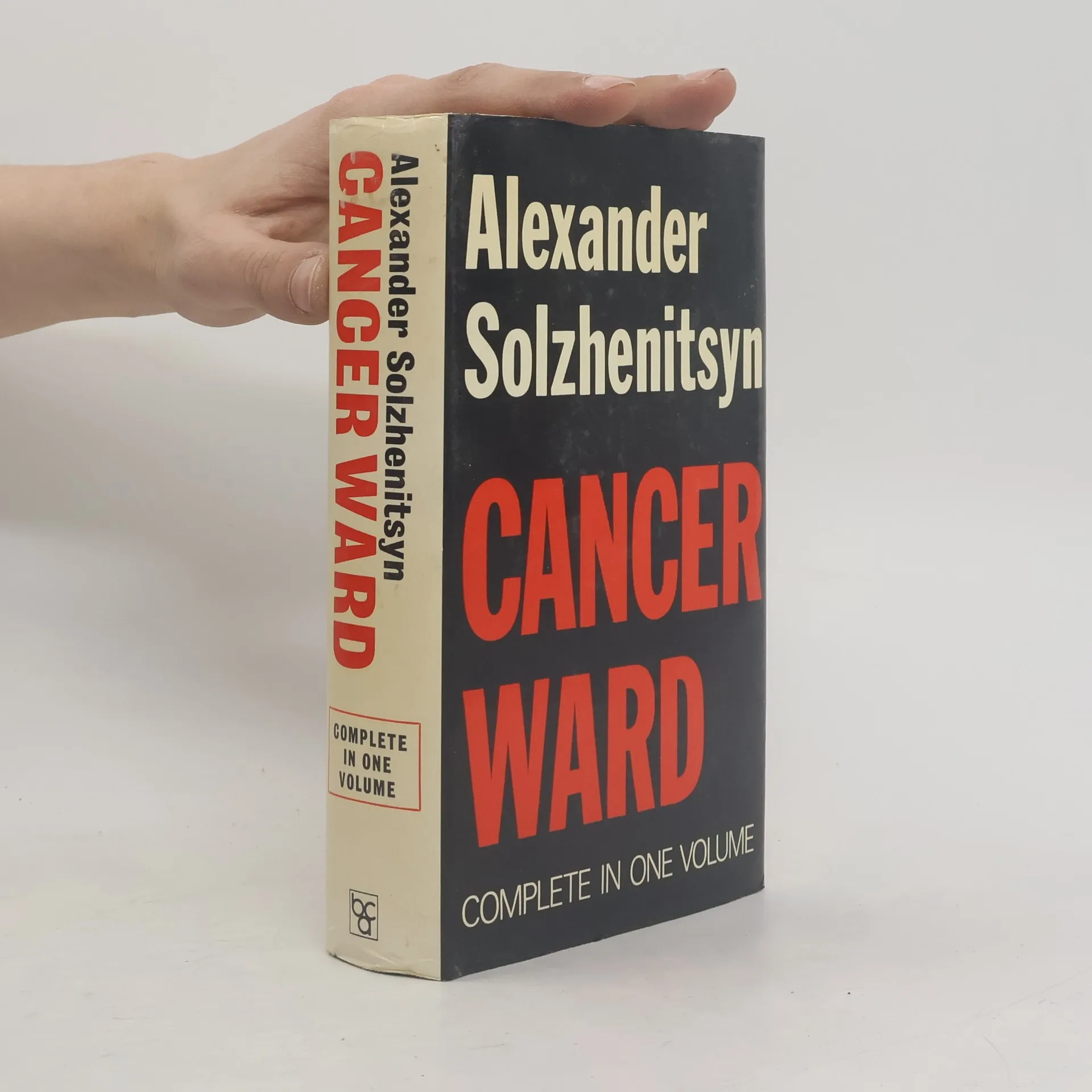
Román vypráví o osudu mukla a věčného vyhnance Olega Kostoglotova, který se v polovině padesátých let přichází léčit na taškentskou onkologickou kliniku. Je to v době, kdy Stalin je již dva roky mrtev a Berija popraven. Na onkologické klinice se setkávají členové strany i vyhnanci, národy, které sem Stalin vysídlil, i původní obyvatelé, lékaři i pacienti. Jejich společným nepřítelem je rakovina: nemoc, smrt, konec života. V blízkosti smrti padají všechny dosavadní jistoty, plány a privilegia. V tomto světě rozehrává Solženicyn příběhy svých hrdinů, jejich lásek a nadějí. Nádory, sarkomy a metanoblastomy jsou nejen krutou skutečností, s níž se potýkají hrdinové románu i lékaři, ale i metaforou pro rakovinu lži, přetvářky, násilí a útlaku, která metastázuje do všech vrstev ruské společnosti.
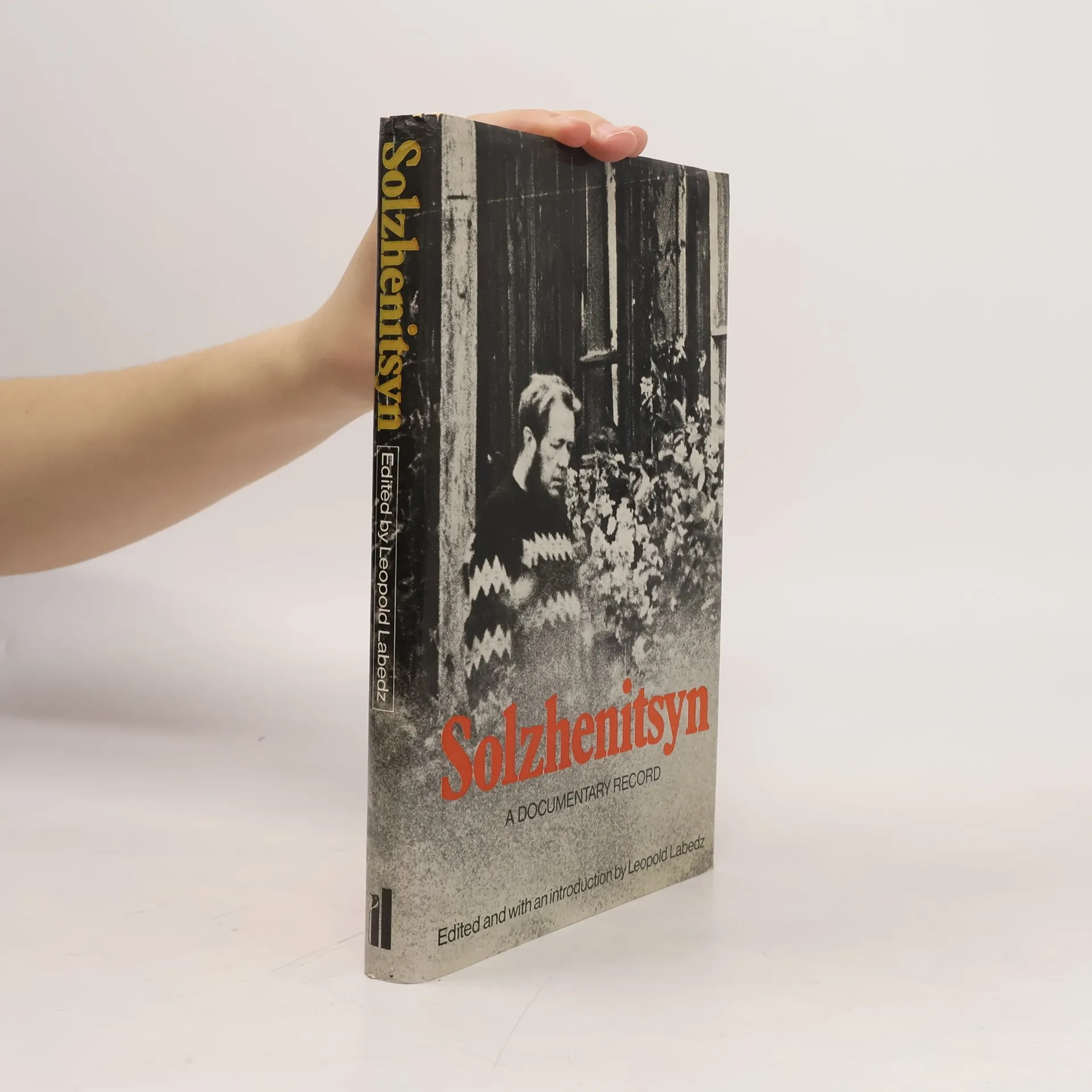
Aleksandr Isajevič Solženicyn Książki


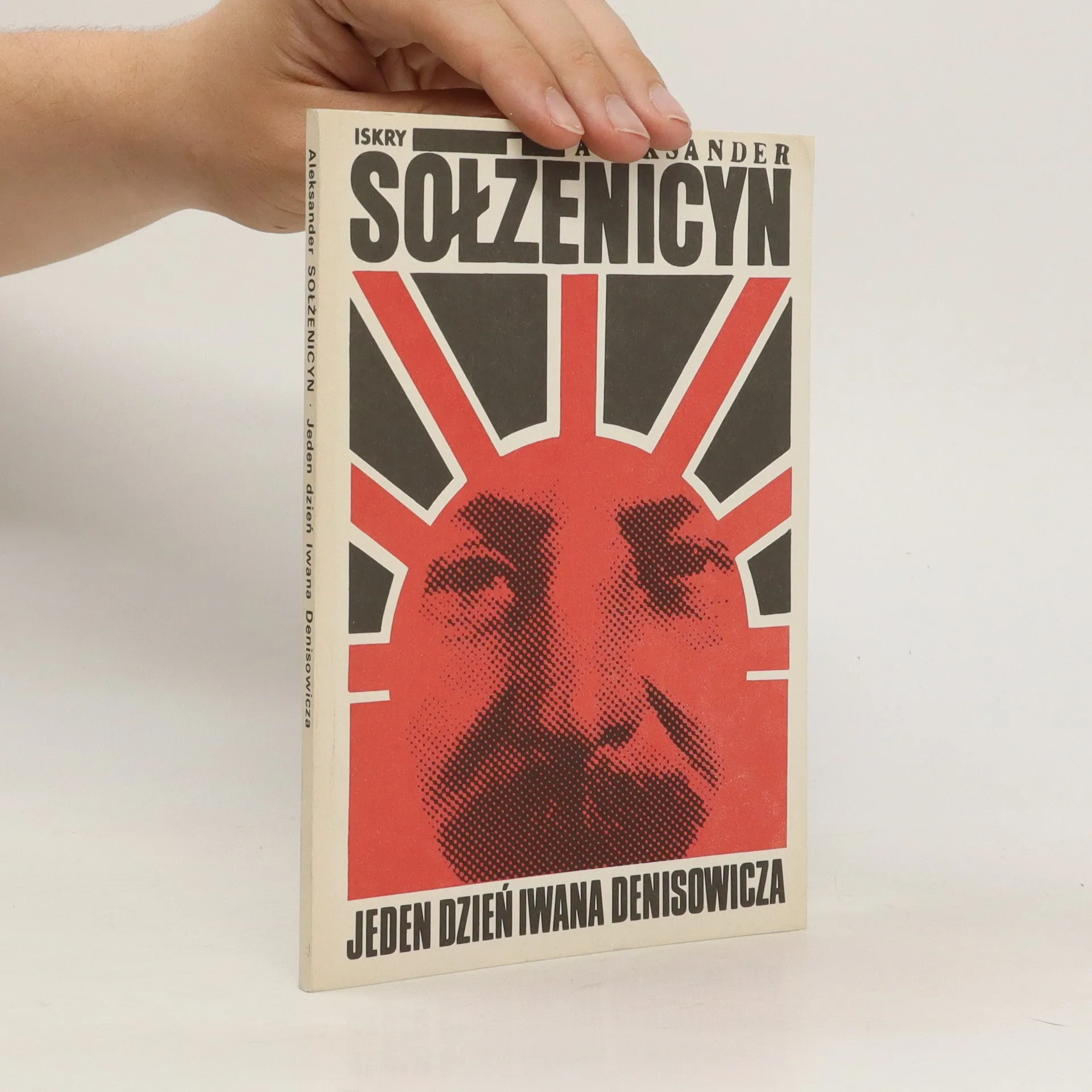
Jeden dzień Iwana Denisowicza
- 110 stron
- 4 godziny czytania
Jedno z pierwszych literackich świadectw dotyczących obozów pracy. Na tom ten składają się trzy głośne utwory: Jeden dzień Iwana Denisowicza, Zagroda Matriony oraz Zdarzenie na stacji Koczetowka. Więzień łagru, który każdego dnia musi walczyć o przetrwanie; prosta i dobra kobieta, człek sprawiedliwy, biernie poddająca się temu, co przyniesie los; młody lejtnant, prawdziwy człowiek radziecki, który bez wahania wydaje na pewną śmierć zbiegłego jeńca. Czy coś łączy bohaterów tak różnych opowiadań? Jeśli tak, to jest to poszukiwanie przestrzeni dla siebie u każdego na własny sposób w represyjnym, totalitarnym państwie, które każdemu wyznacza miejsce w szeregu.
Focusing on the harrowing realities of the Soviet forced labor camp system, this three-volume non-fiction work combines Solzhenitsyn's personal experiences with a wealth of testimonies, reports, and legal documents. Written between 1958 and 1968 and published in 1973, it serves as a profound literary investigation into the lives of those imprisoned in the Gulag, shedding light on the brutality and inhumanity of the regime. The text stands as a critical historical account and a powerful testament to human resilience.
Drawing on his own experiences before, during, and after his 11 years of incarceration and exile, Solzhenitsyn reveals with torrential narrative and dramatic power the entire apparatus of Soviet repression. Through truly Shakespearean portraits of its victims, we encounter the secret police operations, the labor camps and prisons, the uprooting or extermination of whole populations. Yet we also witness astounding moral courage, the incorruptibility with which the occasional individual or a few scattered groups, all defenseless, endured brutality and degradation. Solzhenitsyn's genius has transmuted this grisly indictment into a literary miracle.
Part two of this trilogy, reveals the experience of the hard-labor camps in Soviet Russia.
March 1917
- 700 stron
- 25 godzin czytania
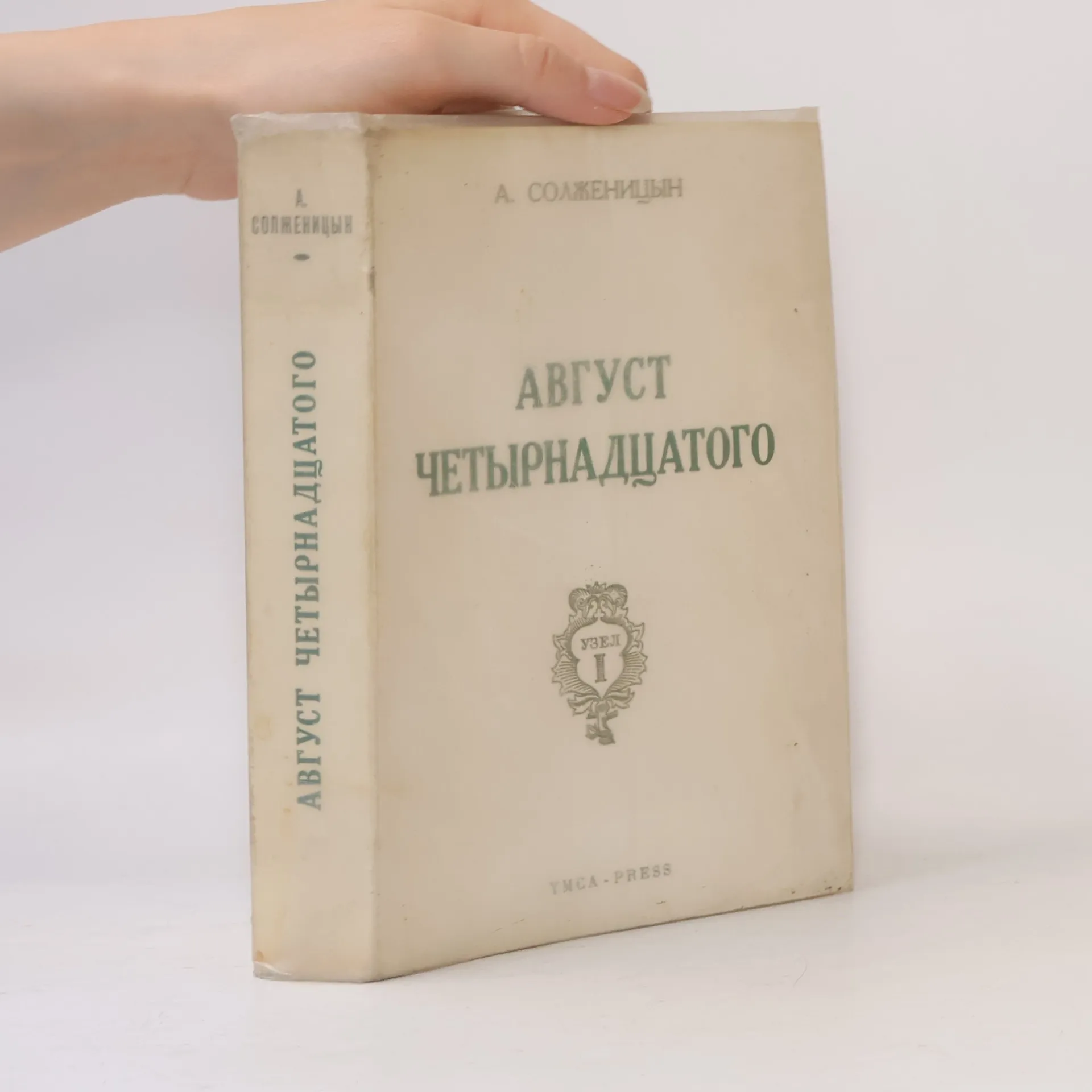
Solzhenitsyn's magnum opus delves into the Russian Revolution through a meticulously researched historical novel enriched with contemporary newspaper headlines, street action fragments, and cinematic screenplay elements. The narrative unfolds in three key nodes: August 1914 and November 1916, which explore Russia's crises, revolutionary terrorism, and the missed opportunities of Pyotr Stolypin's reforms, culminating in the disillusionment of patriotism as World War I ravages the nation. The third node, March 1917, captures the essence of the Russian Revolution, detailing the collapse of the Imperial government amid mob violence and the opposition's inability to steer events. Set from March 8-12, the first book introduces over fifty characters during the tumultuous days when the Russian Empire begins to disintegrate. Bread riots in Petrograd escalate unchecked, leading to police casualties and army mutinies. The horrified anti-Tsarist bourgeoisie rush to claim provisional power, while socialists establish a Soviet to challenge their authority. Meanwhile, Emperor Nikolai II is away at military headquarters, leaving his wife, Aleksandra, isolated with their sick children. The stability of the Russian state hangs in the balance, drawing comparisons to Tolstoy's War and Peace, as both works aim to narrate an era's story with universal significance.
The book commemorates the centenary of the Russian Revolution through Aleksandr Solzhenitsyn's epic narrative. It is part of "The Red Wheel" series and delves into the events of March 1917, offering a profound exploration of the historical and social upheavals during this pivotal time in Russian history. Solzhenitsyn's insights provide a deep understanding of the revolution's impact, reflecting on the complexities of human experience amid turmoil.
The First Circle
- 700 stron
- 25 godzin czytania
In the First Circle depicts the lives of the occupants of a sharashka (a research and development bureau made of GULAG inmates) located in the Moscow suburbs. This novel is highly autobiographical. Many of the prisoners (zeks) are technicians or academics who have been arrested under Article 58 of the RSFSR Penal Code in Joseph Stalin's purges following the Second World War. Unlike inhabitants of other gulag labor camps, the sharashka zeks were adequately fed and enjoyed good working conditions; however, if they found disfavor with the authorities, they could be instantly shipped to Siberia. The title is an allusion to Dante's first circle, or limbo of Hell in The Divine Comedy, wherein the philosophers of Greece, and other virtuous pagans, live in a walled green garden. They are unable to enter Heaven, as they were born before Christ, but enjoy a small space of relative freedom in the heart of Hell.
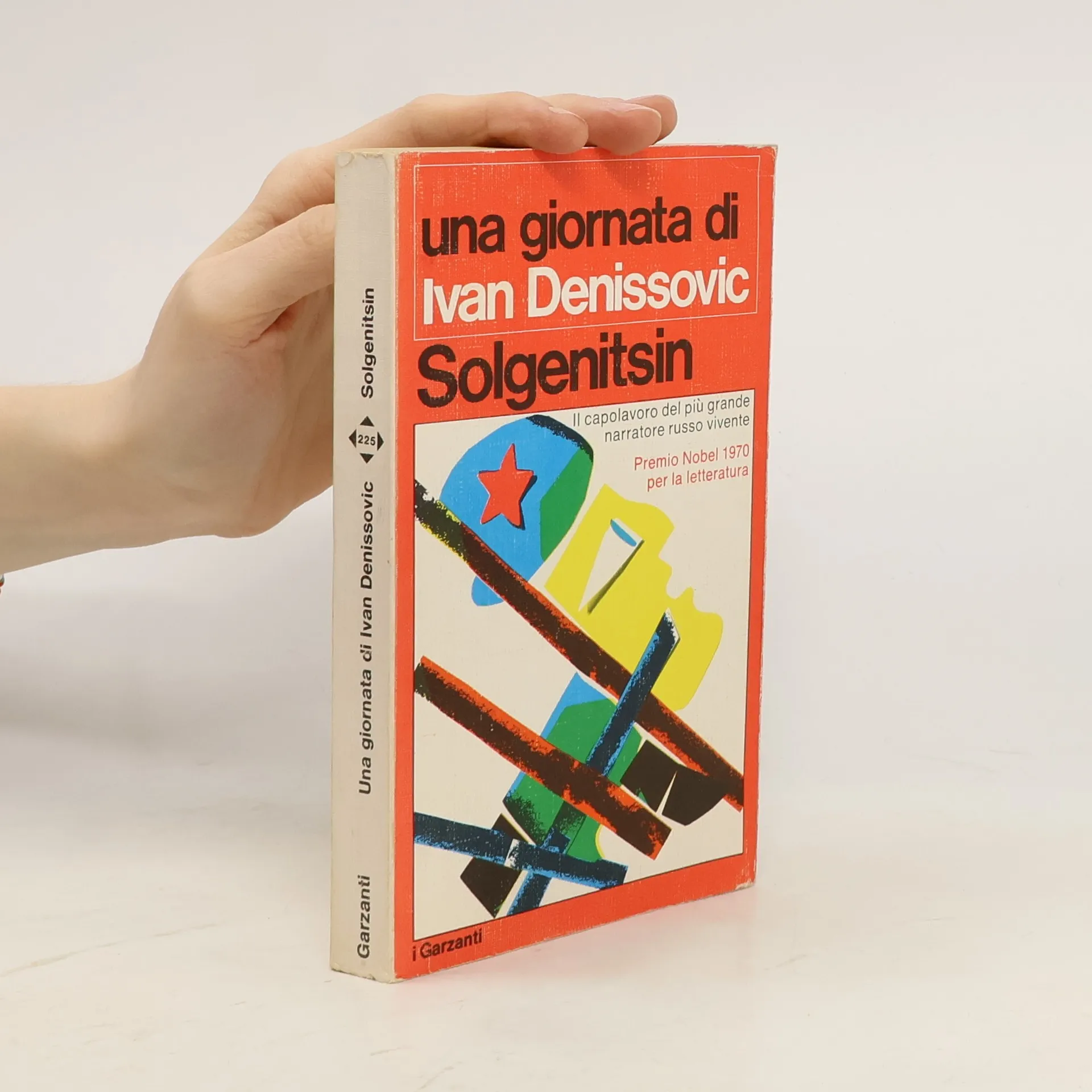
In 1950, during one of the long winter days in a labor camp, the author contemplated how to depict his camp life. He concluded that describing a single ordinary day of a simple worker would reflect the entirety of life in the camp. This thought stayed with him for nine years until he finally wrote his story in 1959. After spending eleven years in prisons and camps, Solzhenitsyn moved from Kazakhstan to Central Russia in the summer of 1956, where he began teaching mathematics in a village and later physics and astronomy in Ryazan. The story was completed in 40 days during May and June of 1959, as the author sought to distill the essence of his rich life experience. After finishing, he hid the manuscript, only daring to submit it for publication two years later, following Khrushchev's criticism of Stalin's "cult of personality." In November 1961, friends in Moscow submitted the anonymous manuscript to the magazine "Novy Mir," where it was quickly recognized for its significance. Solzhenitsyn later acknowledged that this description accurately captured the essence of his work.
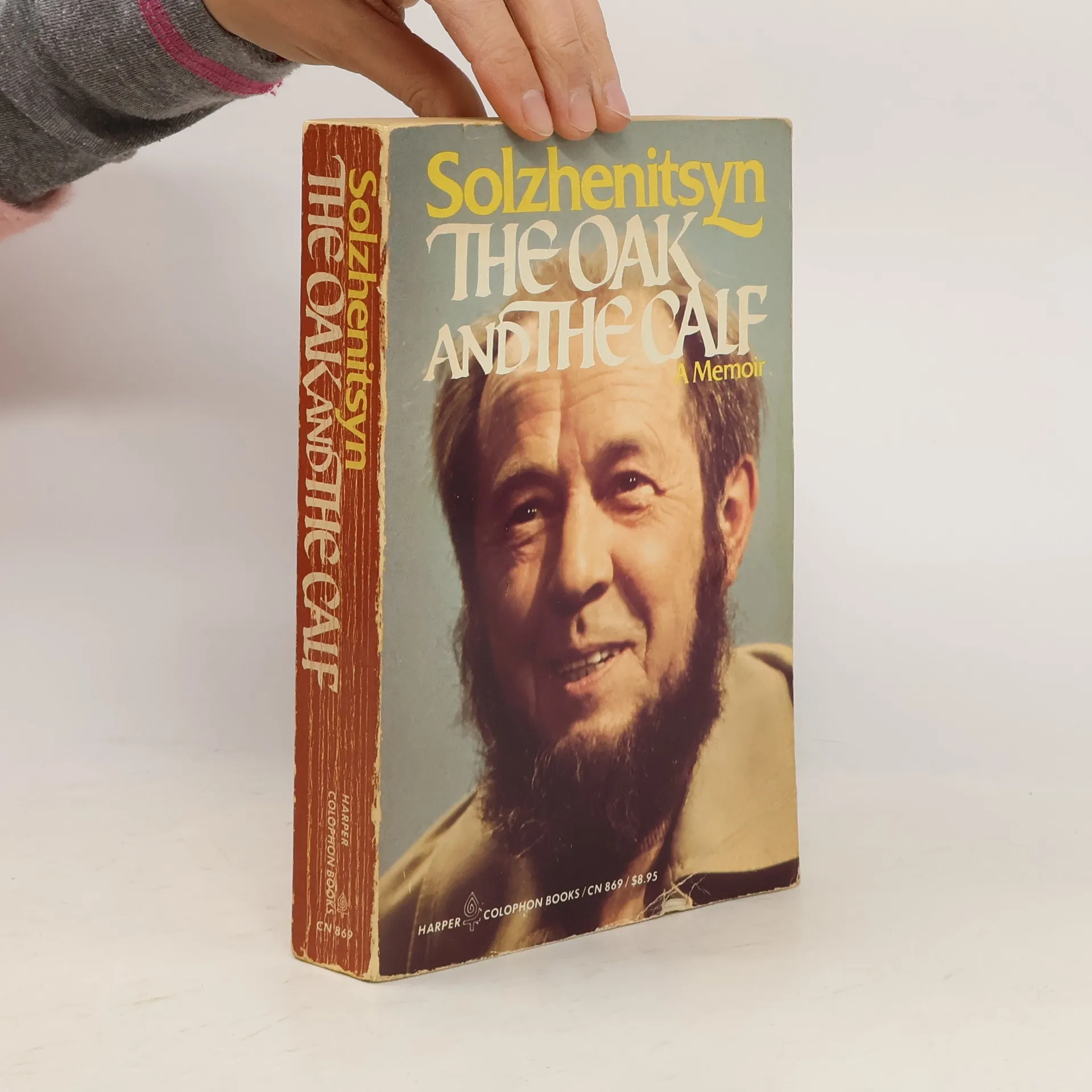
The Oak and the Calf
- 568 stron
- 20 godzin czytania
This writing is a personal narrative of Solzhenitssyn's ten-year war to outwit Russia's rulers and get his work published in his own country.
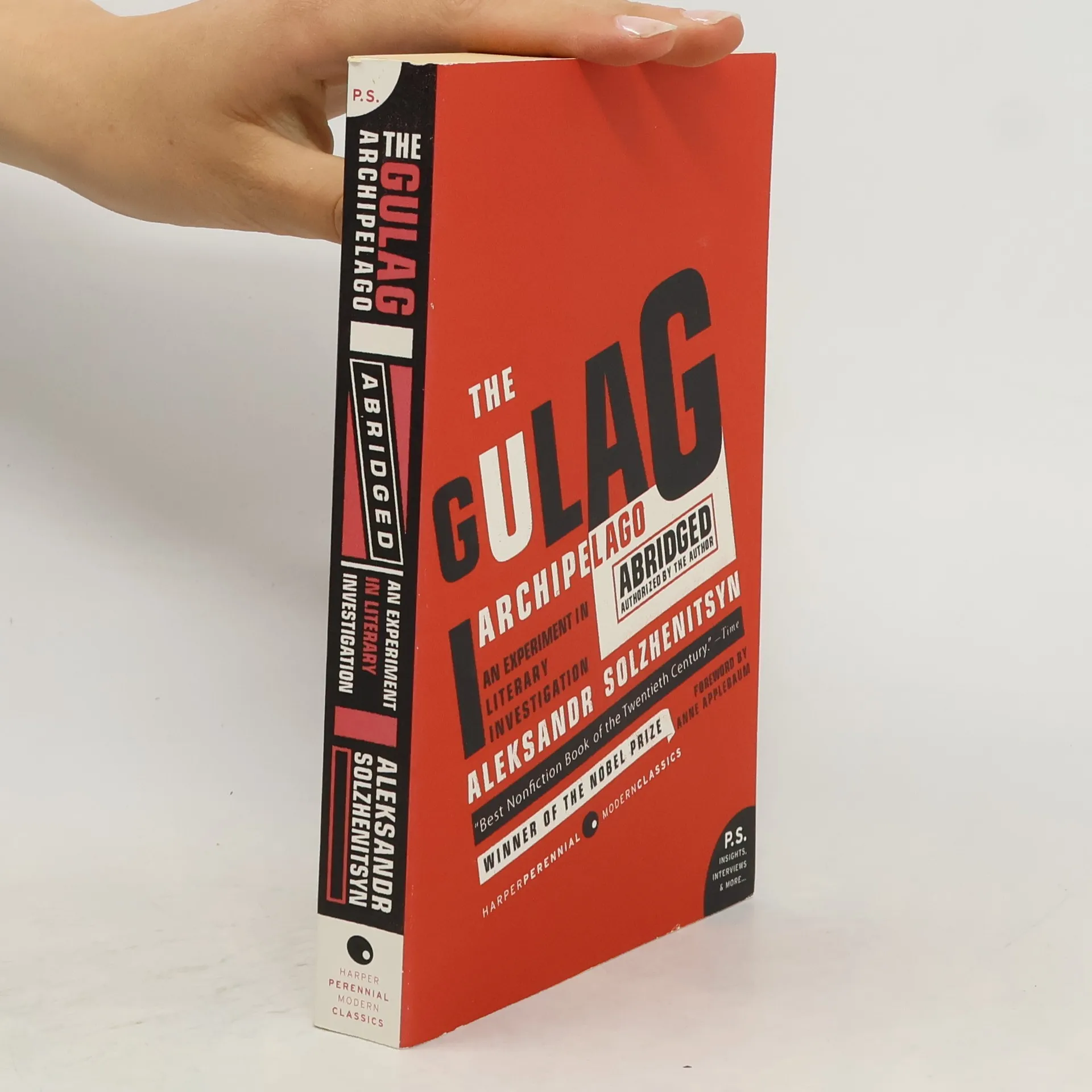
Gulag Archipelago 1918-1956 Abridged, The
- 528 stron
- 19 godzin czytania
Describes individual escapes and attempted escapes from Stalin's camps.
The Mortal Danger
- 130 stron
- 5 godzin czytania
Solzhenitsyn short piece on the Perils of misconceptions about Russia for America
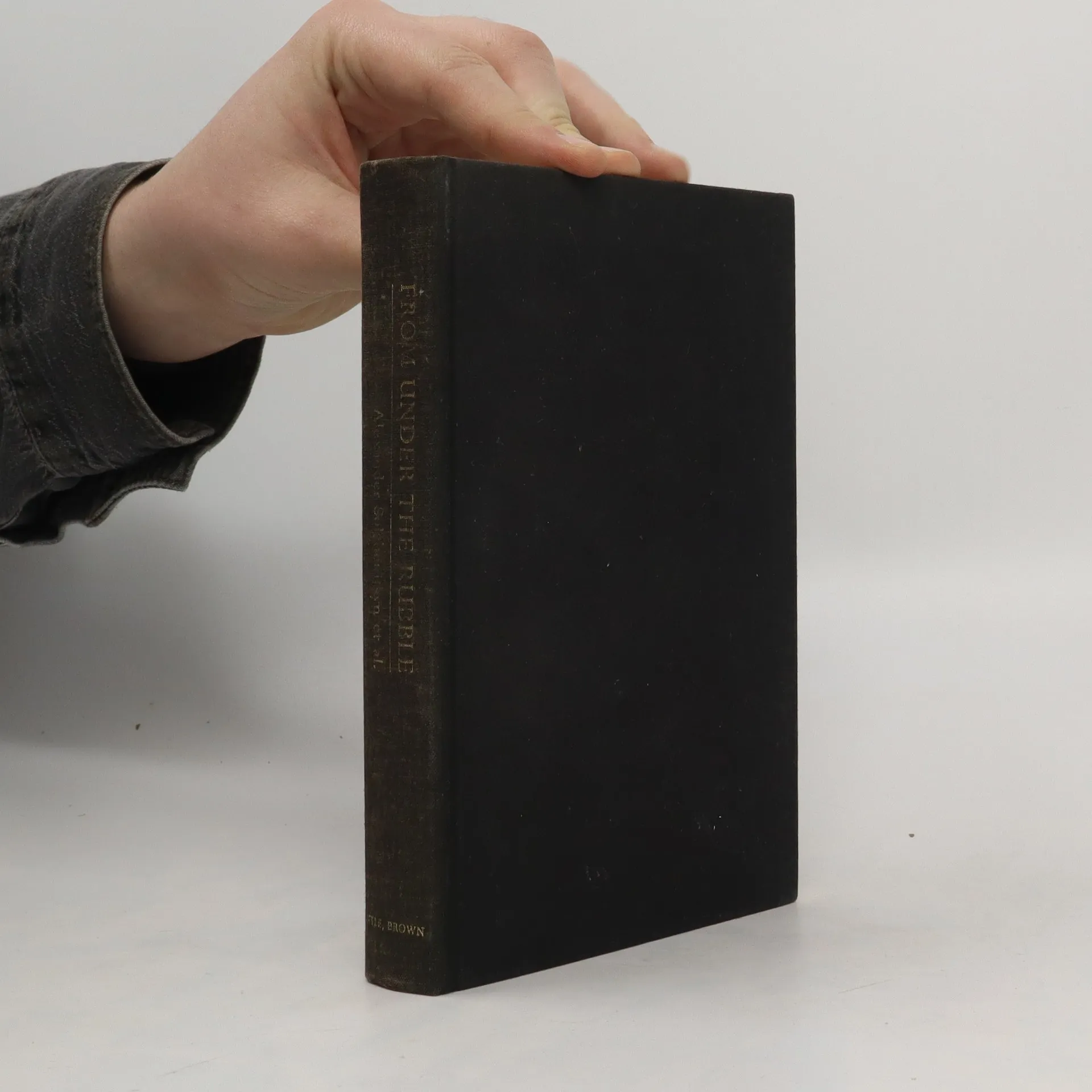
Alexander Solzhenitsyn and six dissident colleagues who at the time of publication were still living in the USSR — six men totally vulnerable to arrest, imprisonment, or execution by the Soviet authorities — joined in the midseventies to write a book which surely remains the most extraordinary debate of a nation’s future published in modern times. Shattering a half-century of silence, From Under the Rubble constitutes a devastating attack on the Soviet regime, a moral indictment of the liberal West, and a Christian manifesto calling for a new society — one whose dominant values would be spiritual rather than economic. Personally edited by the Nobel Prize-winning author, fired by his own substantial contributions, From Under the Rubble articulates Solzhenitsyn’s most fervent call to action. His daring, and the remarkable courage of his colleagues, is testament to the seriousness of their demand for a revolution in which one does not kill one’s enemies, but in which “one puts oneself in danger for the sake of the nation!” With an introduction by Max Hayward, and translated under the direction of Michael Scammell. The contributors: Alexander Solzhenitsyn, Mikhail Agursky, Evgeny Barabanov, Vadim Borisov, F. Korsakov, A.B., Igor Shafarevich.
November 1916
- 1040 stron
- 37 godzin czytania
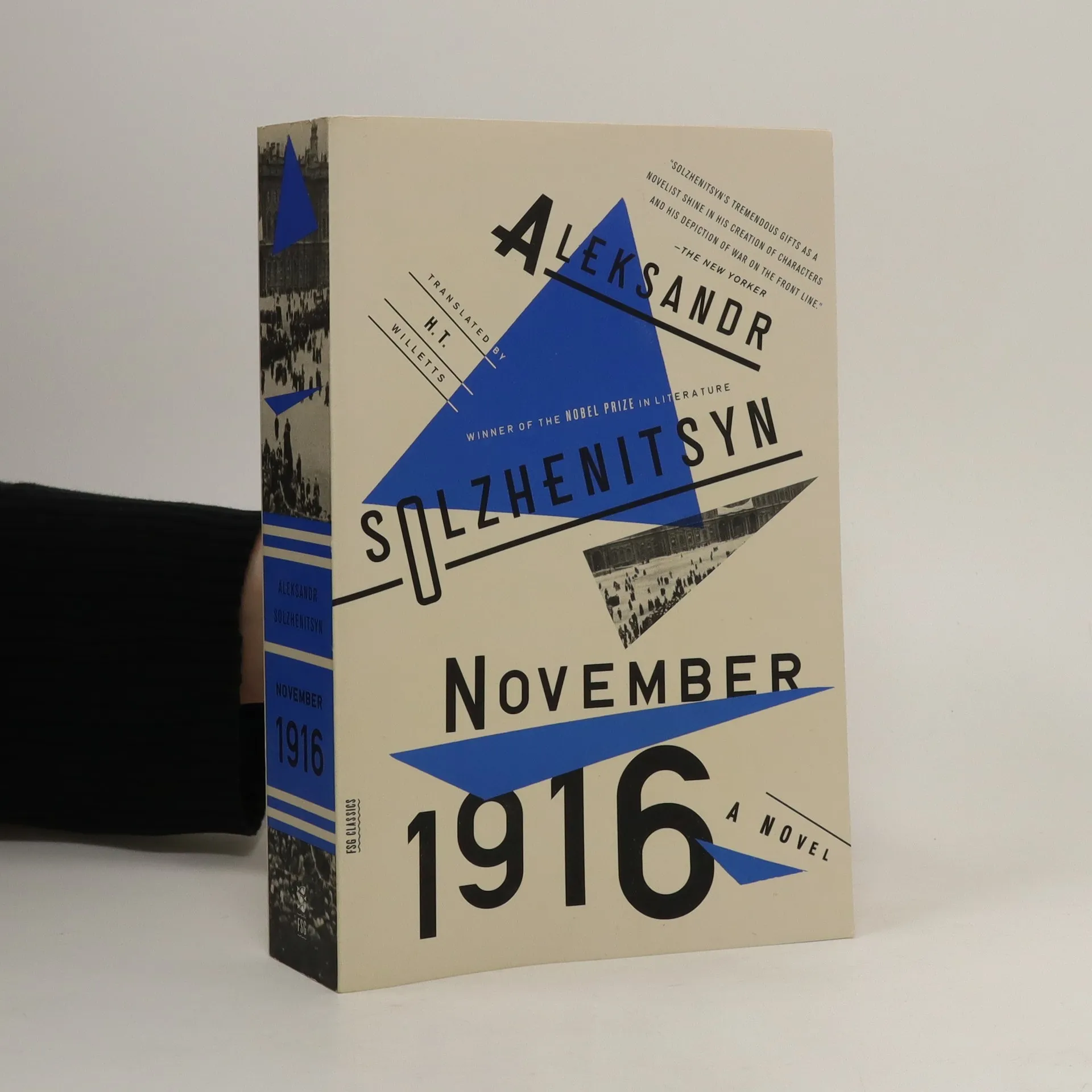
In time for the centenary of the beginning of the Russian Revolution, a new edition of the Russian Nobelist's major work The month of November 1916 in Russia was outwardly quiet—the proverbial calm before the storm—but beneath the placid surface, society seethed fiercely. In Petrograd, as St. Petersburg was then known, luxury-store windows are still brightly lit; the Duma debates the monarchy, the course of war, and clashing paths to reform; the workers in the miserable munitions factories veer toward sedition. At the front, all is stalemate, while in the countryside sullen anxiety among hard-pressed farmers is rapidly replacing patriotism. In Zurich, Lenin, with the smallest of all revolutionary groups, plots his sinister logistical miracle. With masterly and moving empathy, through the eyes of both historical and fictional protagonists, Solzhenitsyn unforgettably transports us to that time and place—the last of pre-Soviet Russia. November 1916 is the second volume in Aleksandr Solzhenitsyn's multipart work, The Red Wheel. This volume concentrates on a historical turning point, or "knot," as the wheel rolls inexorably toward revolution.
Warning to the West
- 156 stron
- 6 godzin czytania
'Can one part of humanity learn from the bitter experience of another or can it not? Is it possible or impossible to warn someone of danger...to assess soberly the worldwide menace that threatens to swallow the whole world? I was swallowed myself. I have been in the dragon's belly, in its red-hot innards. It was unable to digest me and threw me up. I have come to you as a witness to what it is like there, in the dragon's belly' During 1975 and 1976, Nobel Prize-winner Aleksandr Solzhenitsyn embarked on a series of speeches across America and Britain that would shock and scandalise both countries. His message- the West was veering towards moral and spiritual bankruptcy, and with it the world's one hope against tyranny and totalitarianism. From Solzhenitsyn's warnings about the allure of communism, to his rebuke that the West should not abandon its age-old concepts of 'good' and 'evil', the speeches collected in Warning to the West provide insight into Solzhenitsyn's uncompromising moral vision. Read today, their message remains as powerfully urgent as when Solzhenitsyn first delivered them.
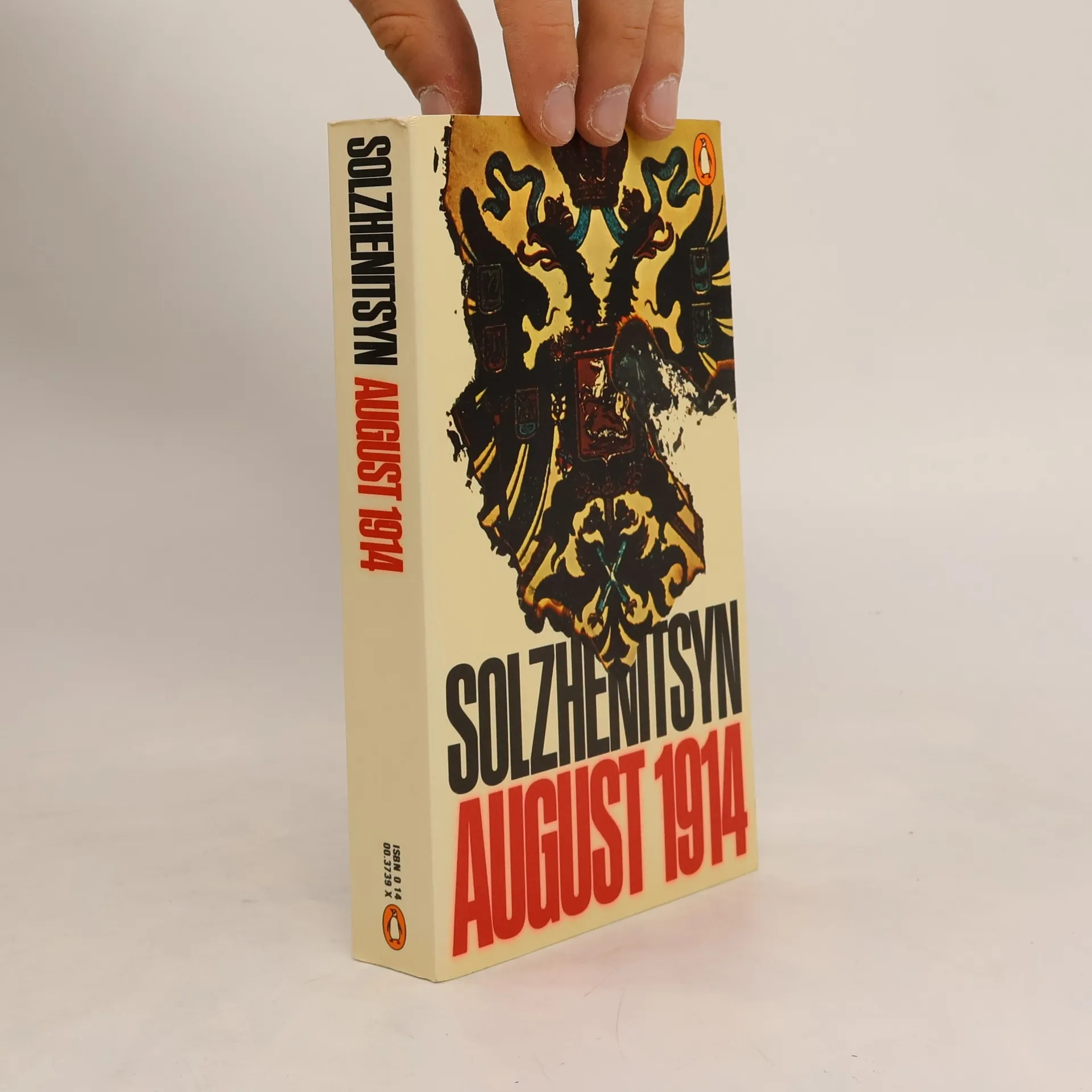
A historical novel about the defeat of the Imperial Russian Army at the Battle of Tannenberg in East Prussia.
Short stories and other short pieces (including some lovely prose poems) by the late Nobel Prize laureate Alexander Solzhenitsyn. Contents: Matryona's house. For the good of the cause. The Easter procession. Zakhar-the-Pauch. The right hand. An incident at Krechetovka station. Prose poems: Freedom ...
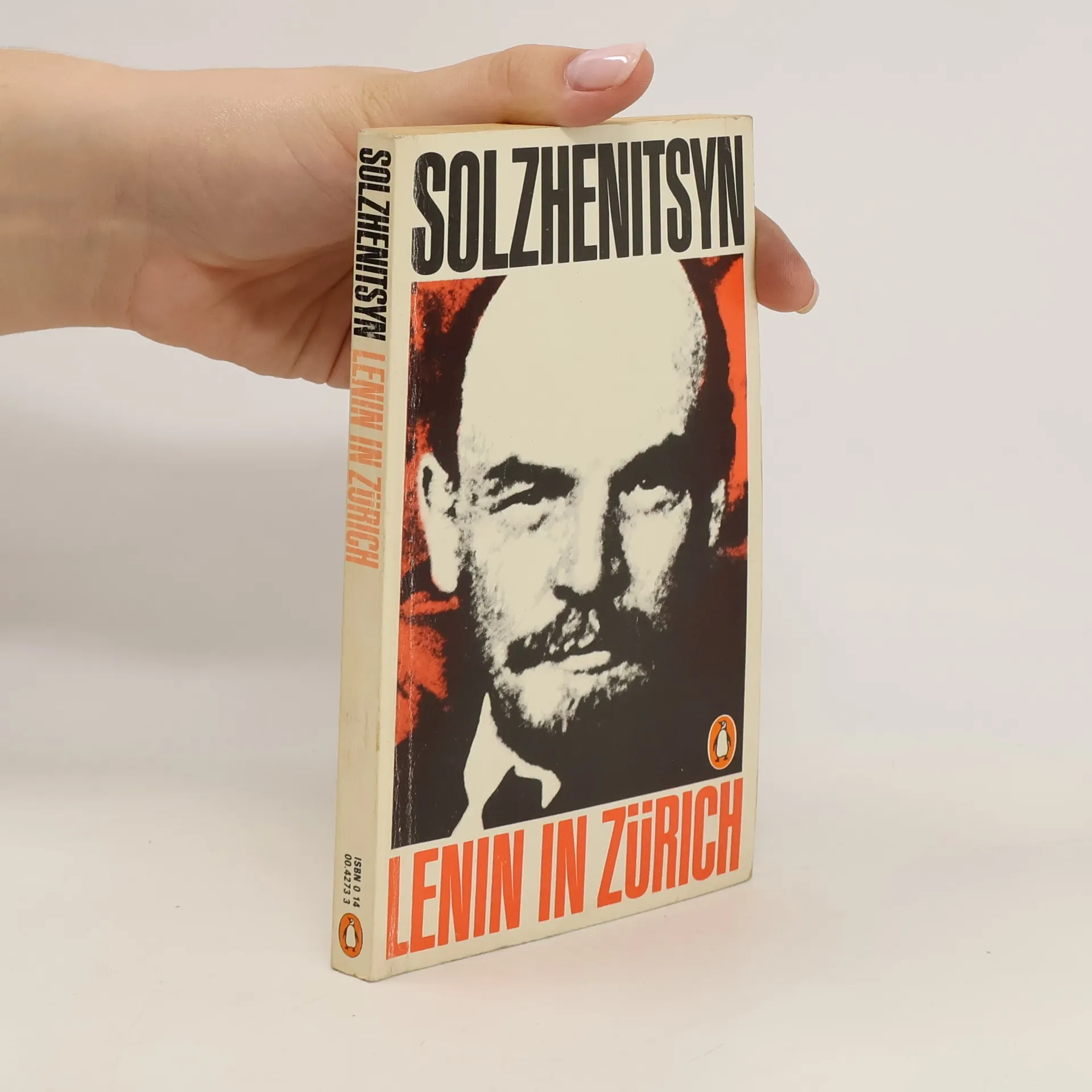
Separate publication of chapters on Vladimir Lenin, none of them published before this point, from The Red Wheel.
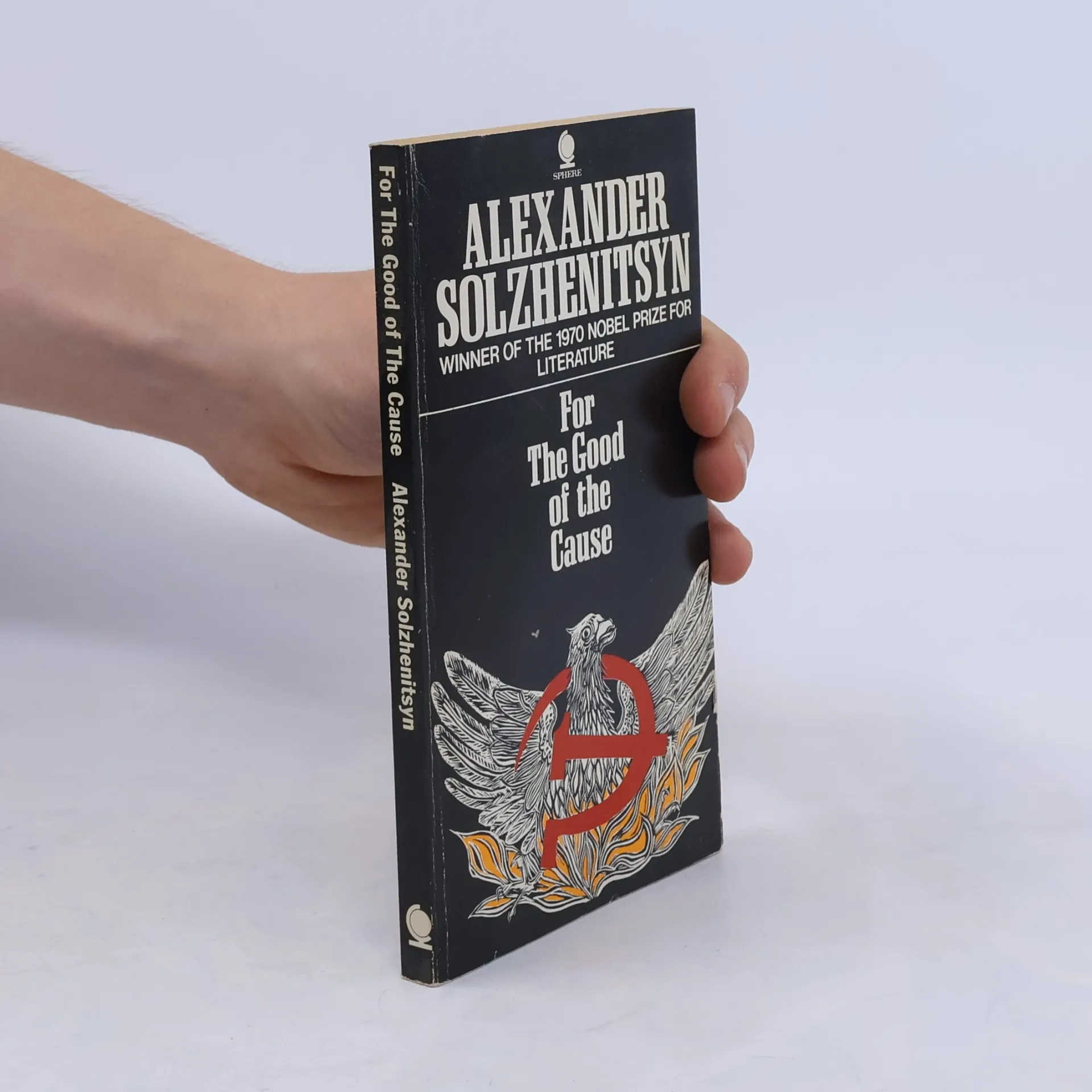
Like Solzhenitsyn's world famous novels One Day in the Life of Ivan Denisovich, The First Circle and Cancer Ward, For the Good of the Cause, set in a new provincial school, is a scathing indictment of the victimisation of ordinary, decent people by Soviet careerist bureaucrats. Solzhenitsyn presents the conflicts between right and wrong, between the freedom of the individual and the harshness of the system with absolute sincerity and conviction.
Cancer Ward
Complete in One Volume
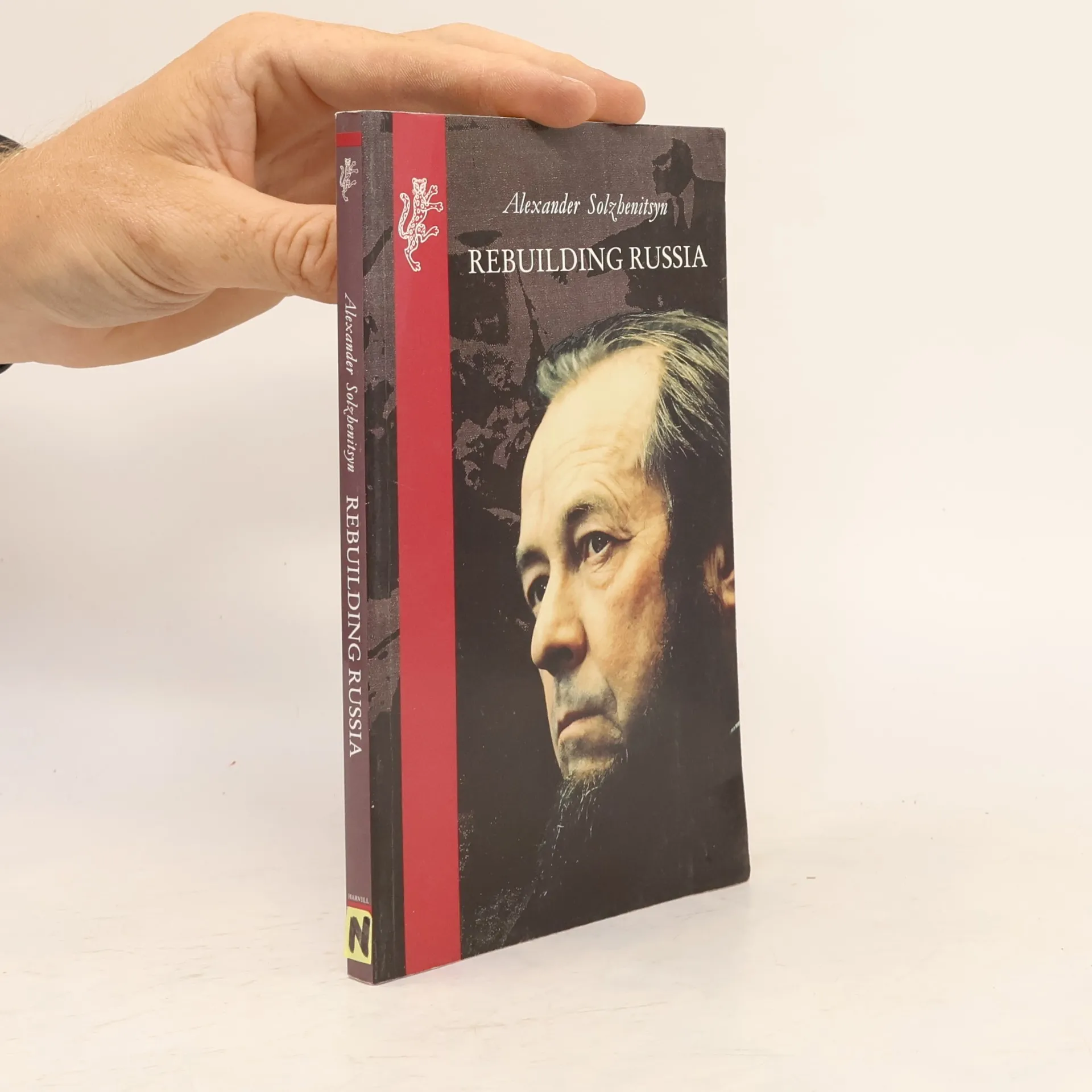
The Nobel Laureate's seminal essay, first published in Komsomolskalya Pravda, gives his thoughts on the political and economic choices facing Russia in the post-Communist era, from the role of the non-Slavic republics to the KGB's attempts to justify its further grip on the country.
The Works of Solzhenitsyn
Cancer Ward. The First Circle. One Day in the Life of Ivan Denisovich. The Love-Girl and the Innocent
- 4 tomy
První slovenské úplné vydání autorova stěžejního díla, odhalujícího a popisujícího poměry v sovětských komunistických koncentračních táborech, které se stalo synonymem politické a lidské obžaloby stalinismu. A. Solženicyn čerpá jak z vlastních zkušeností politického vězně, který prošel hrůzami Gulagu, tak z dobových dokumentů a mnoha autentických svědectví. Osud jednoho vězně, sledovaný a popsaný od zatčení přes vyšetřování, soud a transport do tábora, i další příběhy jednotlivých vězňů vedou pak autora k úvahám o nesmyslné krutost a absurditě sovětského zákonodárství a poměrů ve Stalinově éře. Vychází ve třech svazcích.
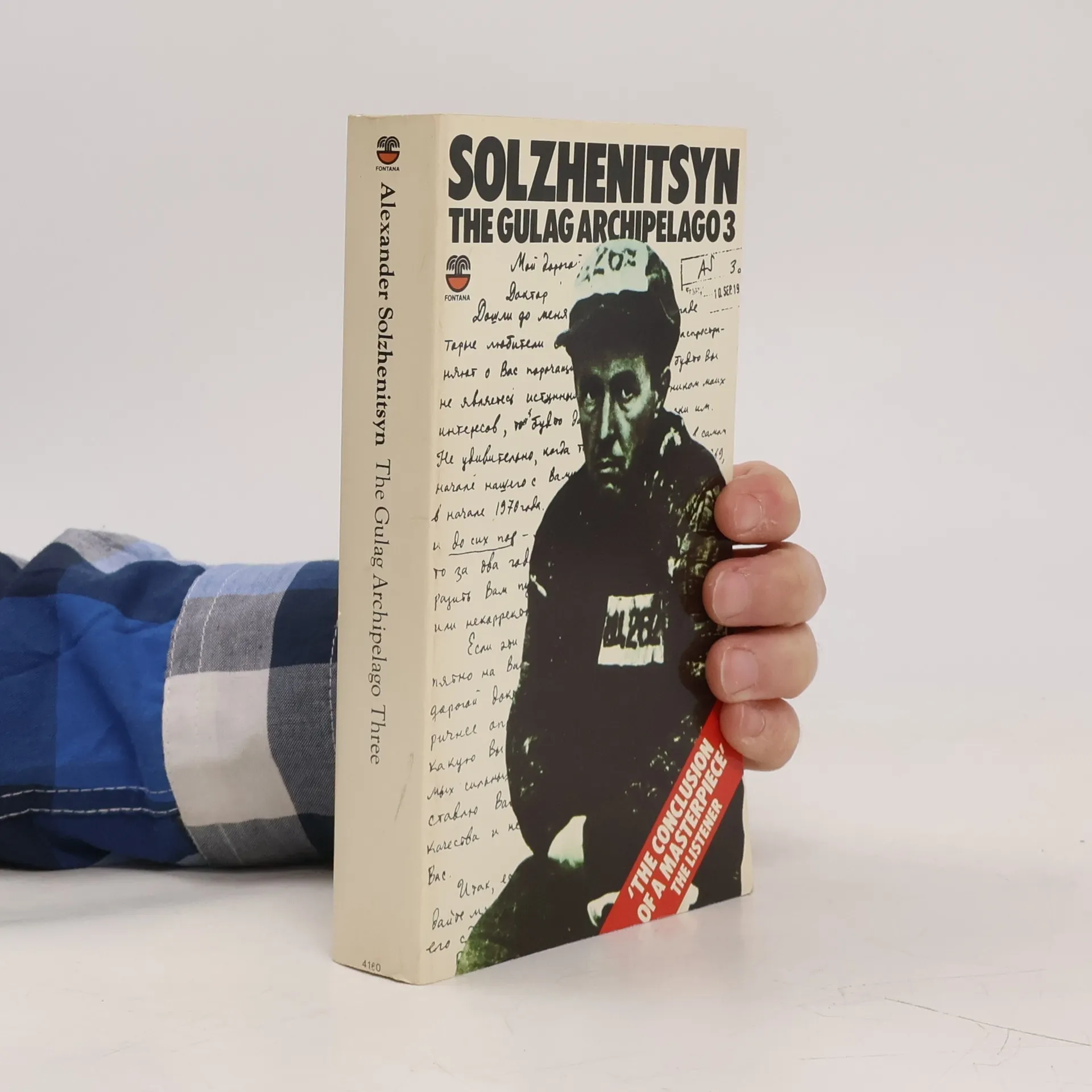
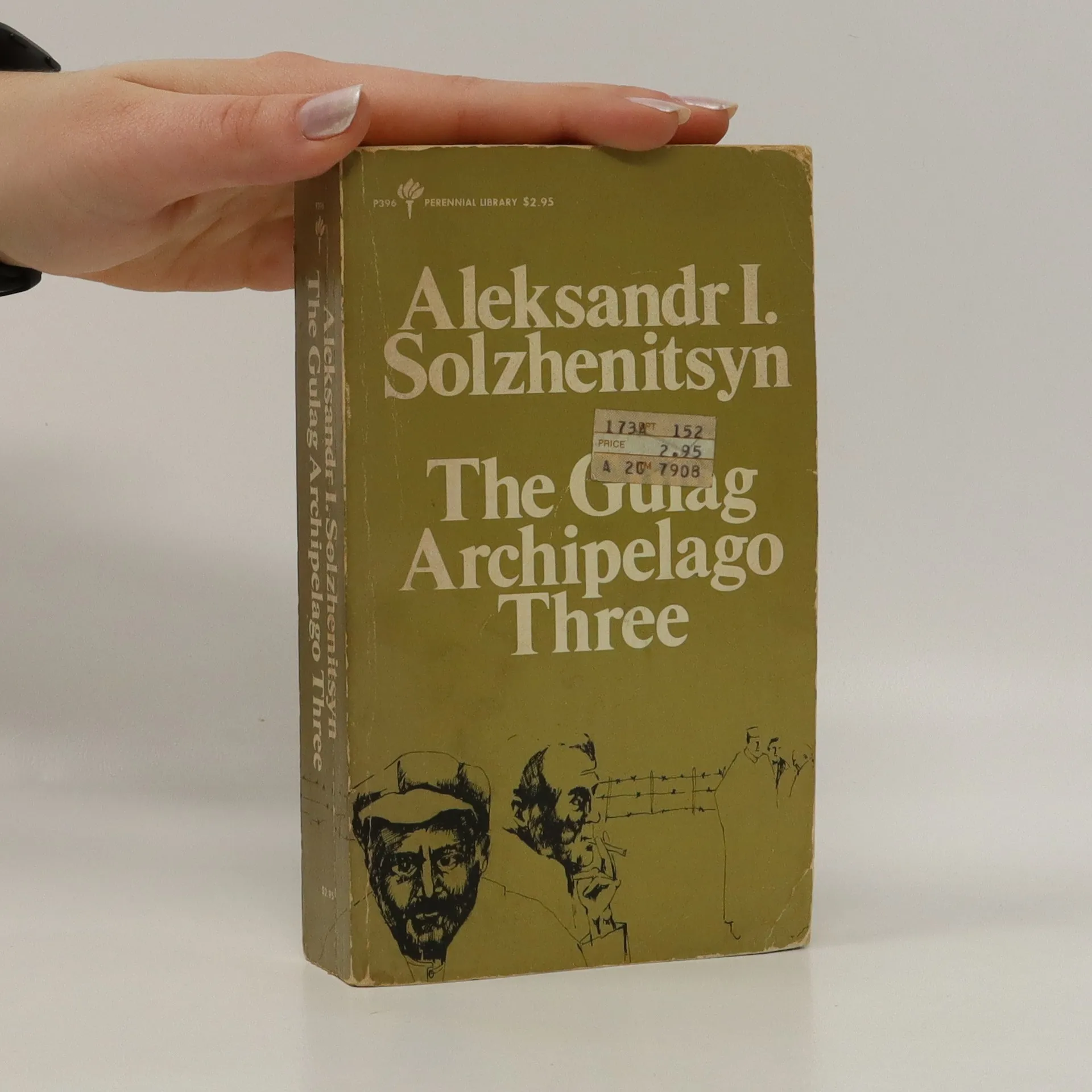
Souostroví Gulag 3
- 336 stron
- 12 godzin czytania
Souostroví Gulag je jedním z nejznámějších děl popisujících vězeňský systém Sovětského svazu. Jeho autor Alexandr Solženicyn čerpal ze zkušenosti svého vlastního uvěznění i rozsáhlého výzkumu, stejně tak i z dobových autentických dokumentů. Kniha byla napsána mezi lety 1958 a 1968, na západě publikována v roce 1973, v Sovětském svazu oficiálně vydána v roce 1989. Žánrově pak tato kniha stojí na pomezí románu, literatury faktu a autentického dokumentu. Svůj osobní příběh od zatčení přes vyšetřování, pobyt v tranzitní věznici a pracovním lágru doplňuje autor autentickými příběhy mnoha dalších vězňů a líčením celého systému vězeňského průmyslu, vyšetřovacích metod, soudních praktik, způsobů přepravy vězňů atd.
Souostroví Gulag 2
- 352 strony
- 13 godzin czytania
Souostroví Gulag je jedním z nejznámějších děl popisujících vězeňský systém Sovětského svazu. Jeho autor Alexandr Solženicyn čerpal ze zkušenosti svého vlastního uvěznění i rozsáhlého výzkumu, stejně tak i z dobových autentických dokumentů. Kniha byla napsána mezi lety 1958 a 1968, na západě publikována v roce 1973, v Sovětském svazu oficiálně vydána v roce 1989. Žánrově pak tato kniha stojí na pomezí románu, literatury faktu a autentického dokumentu. Svůj osobní příběh od zatčení přes vyšetřování, pobyt v tranzitní věznici a pracovním lágru doplňuje autor autentickými příběhy mnoha dalších vězňů a líčením celého systému vězeňského průmyslu, vyšetřovacích metod, soudních praktik, způsobů přepravy vězňů atd.
Prvý zväzok strhujúceho epického diela, Solženicynova desivá správa o jeho zatknutí a výsluchu, ktorá odhalila svetu obrovskú byrokraciu tajnej polície, ktorá prenasledovala sovietsku spoločnosť.
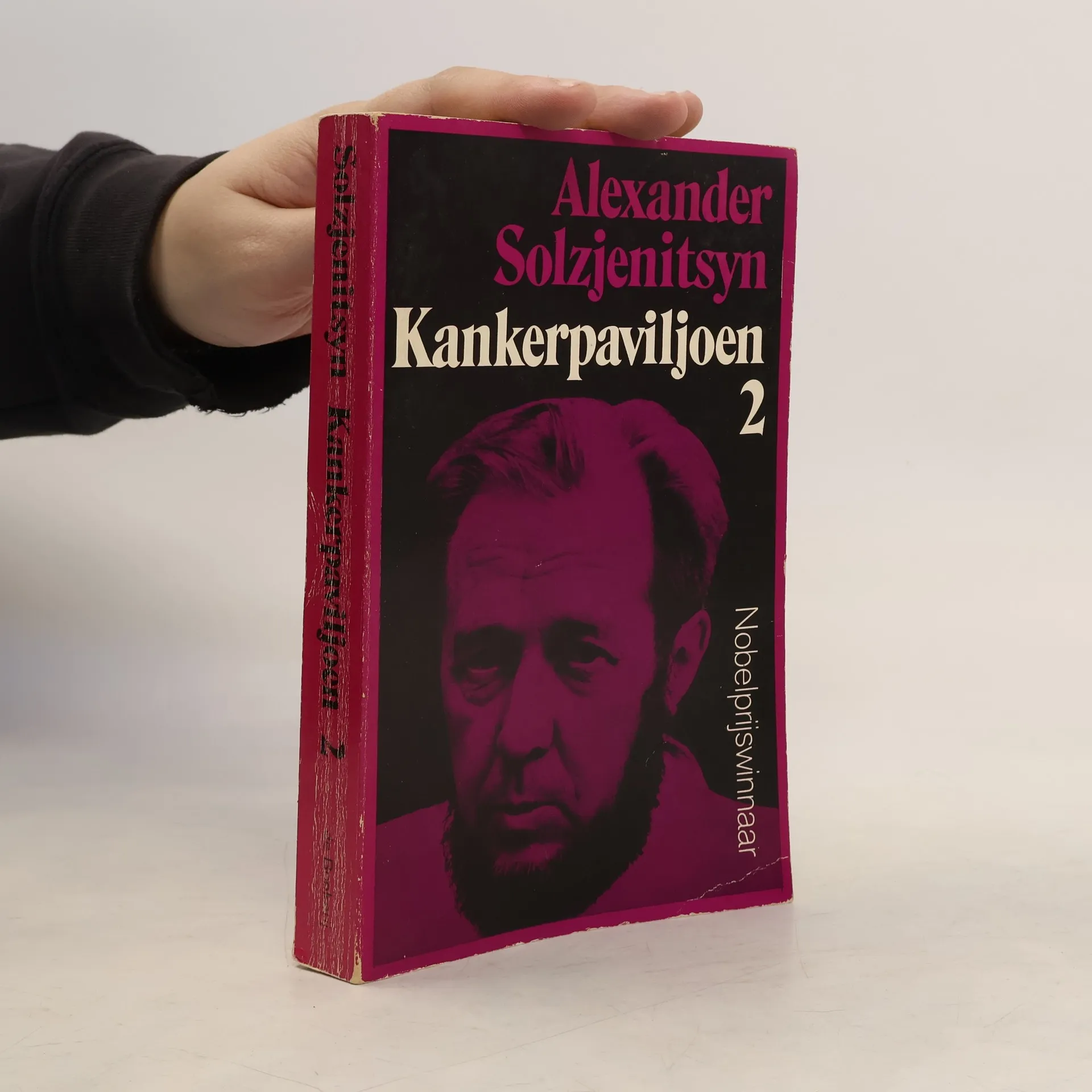
Kankerpaviljoen 2
- 229 stron
- 9 godzin czytania
Een van de grote allegorische meesterwerken van de wereldliteratuur, Kankerpaviljoen is zowel een diep mededogende studie van mensen die met een terminale ziekte worden geconfronteerd als een briljante ontleding van de "kankerachtige" Sovjet-politie staat.
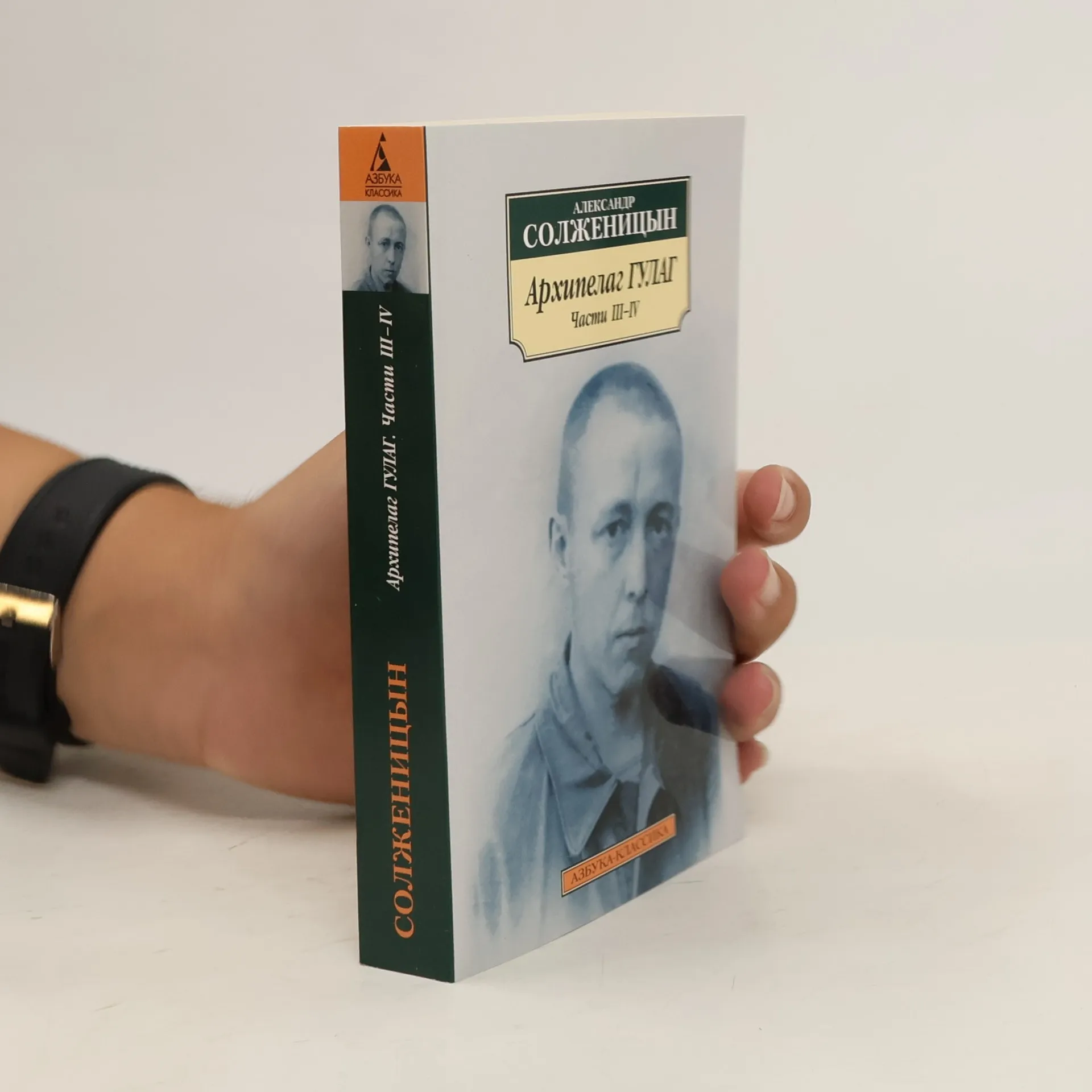
Александр Солженицын — выдающийся русский писатель XX века, классик отечественной литературы, лауреат Нобелевской премии («За нравственную силу, с которой он продолжил традиции великой русской литературы», 1970). В настоящем издании представлен «Архипелаг ГУЛАГ» — всемирно известная документально-художественная эпопея о репрессиях в годы Советской власти. «…Книга — о крови, о поте, о слезах, о страданиях, о безнадежности, а ее закрываешь с ощущением силы и света. Она показывает: человек во всех обстоятельствах может остаться человеком. Дает ощущение, что наш народ не кончился, мы прошли нижнюю точку, мы прошли катарсис. Исправлять жизнь будет трудно, но возможно» (Н. Д. Солженицына). В настоящий том вошли части I–II.
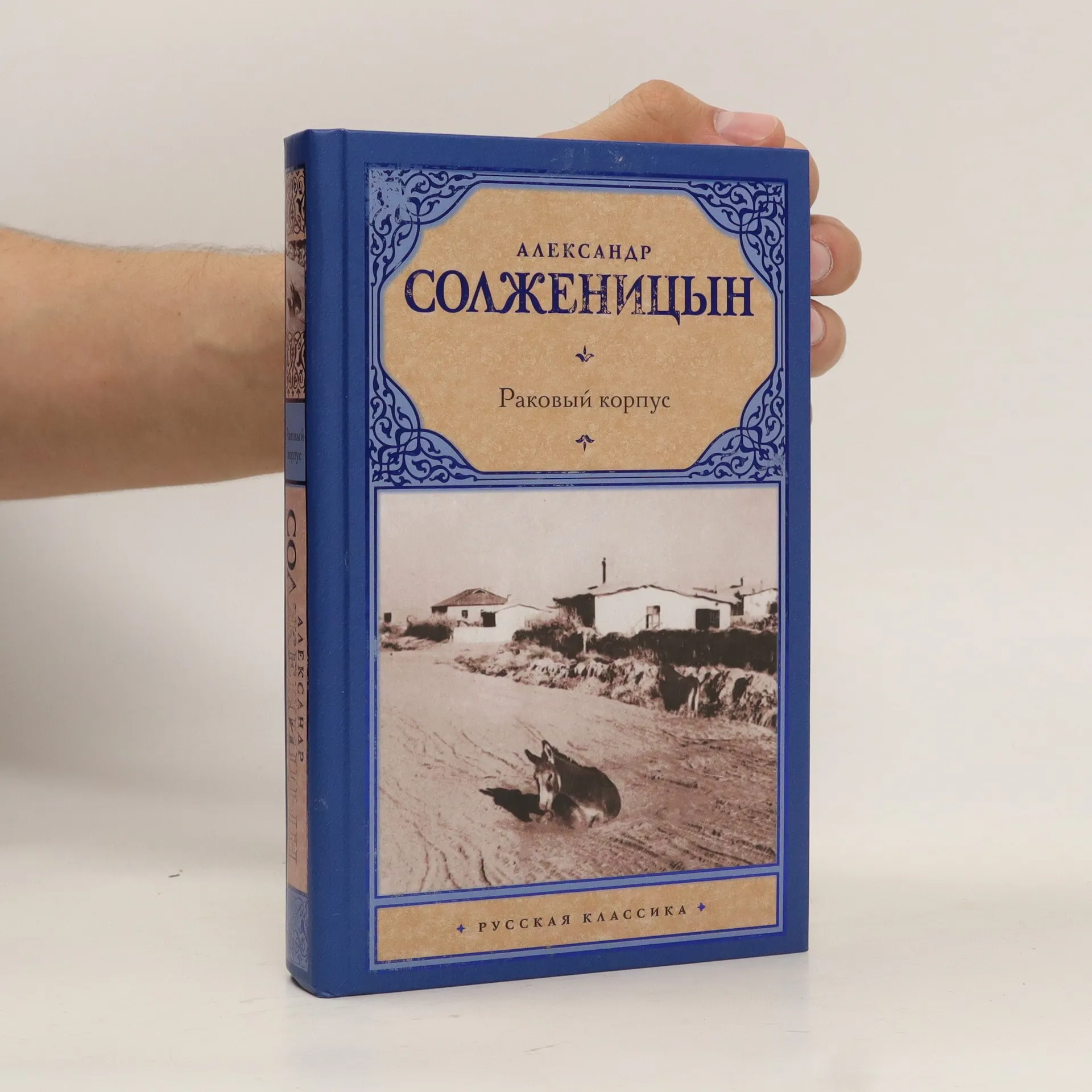
Раковый корпус (Rakovyy korpus)
- 508 stron
- 18 godzin czytania
От неизлечимой болезни умирают люди - и гибнет страна. Исцеление может прийти только чудом. Быть может, если не люди, то хотя бы страна сумеет исцелиться от смертельного недуга страха?
Kniha psaná v letech 1955-1967 vyšla v USA a ruském samizdatu poprvé v roce 1968. Děj románu popisuje životní osudy vědců, inženýrů, inteligentů a válečných zajatců uvězněných z politických důvodů v padesátých letech v Sovětském svazu, ve věznici Marfino u Moskvy, kde byl sám autor také skutečně zadržován, a jejichž posláním je bádat a vyvíjet vynálezy ve prospěch zločinného komunistického režimu. Toto vězení s mírnějším způsobem zacházení nazývá autor prvním stupněm pekla - kruhem prvním. Základním průvodním jevem vyprávění jsou debaty lidí, jenž už v životě bez vlastního přičinění přišli úplně o všechno a přesto si zachovali svoji tvář. Řeší se tu otázky lidské hrdosti, věrnosti, ideových postojů, umění, smyslu existence, epikurovi filozofie nebo hledání absolutní duševní rovnováhy tzv. ataraxie.
Jeden z nejvýznamnějších ruských románů století je mnohovrstevným, ostře kritickým vyprávěním o osudech sovětské společnosti do roku 1949.
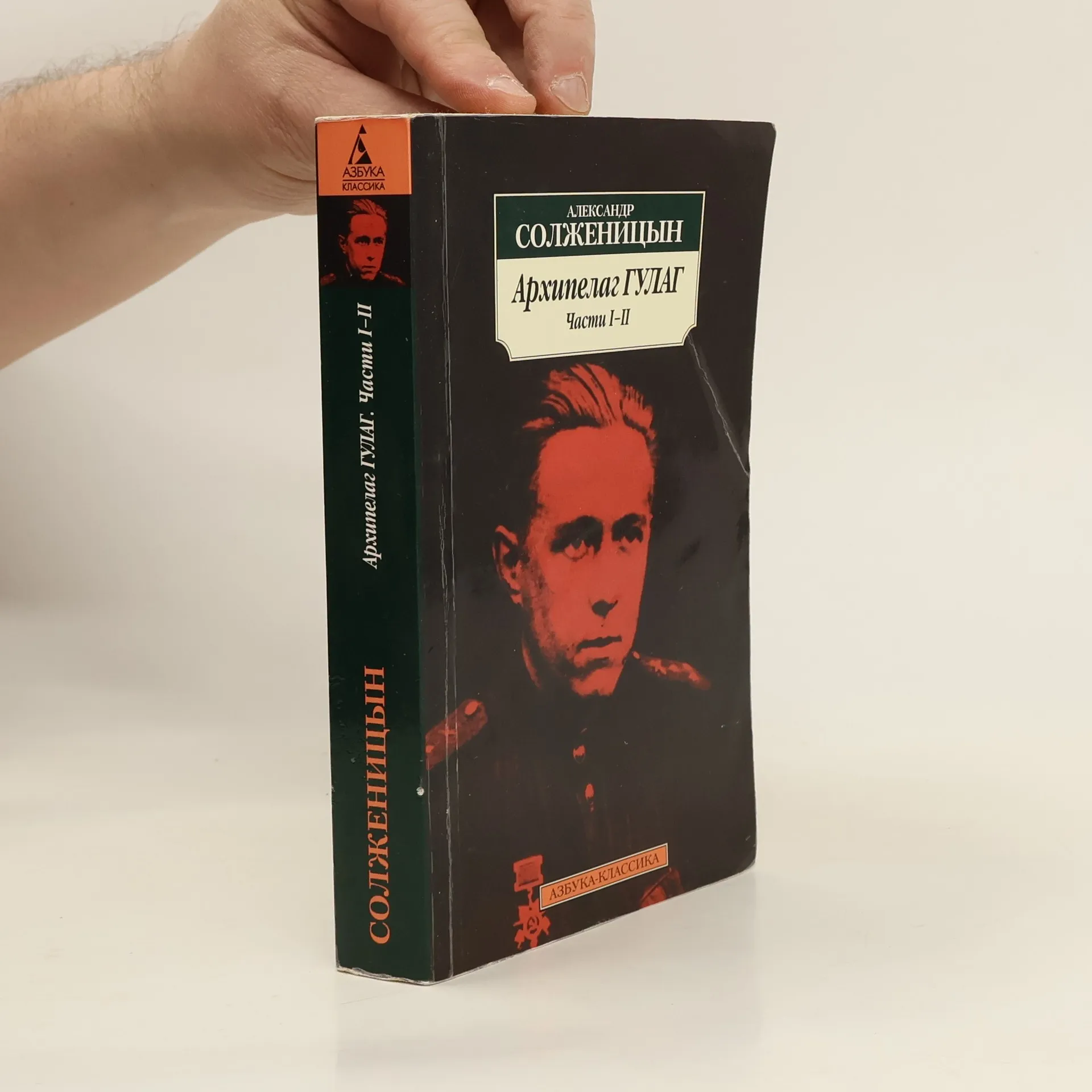
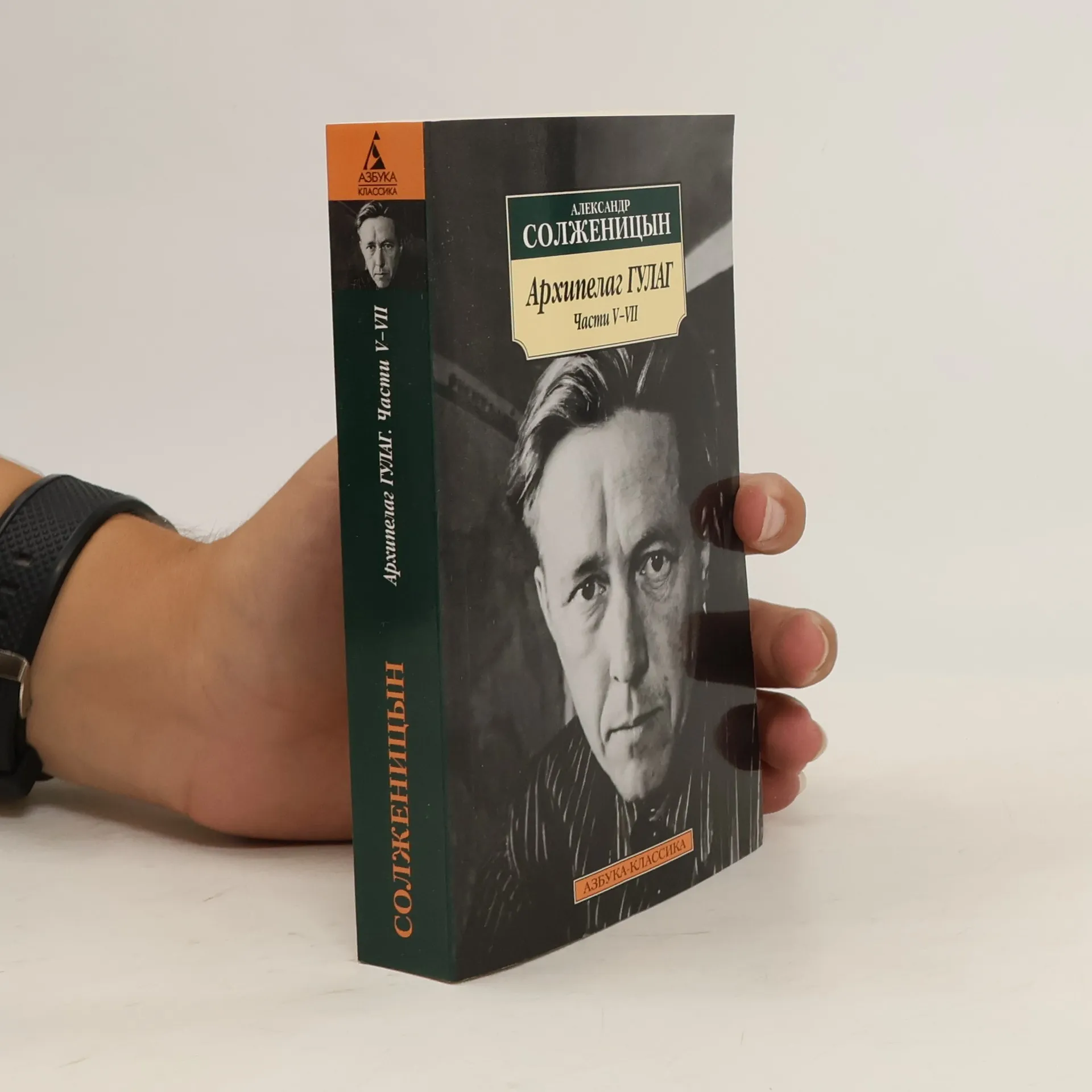
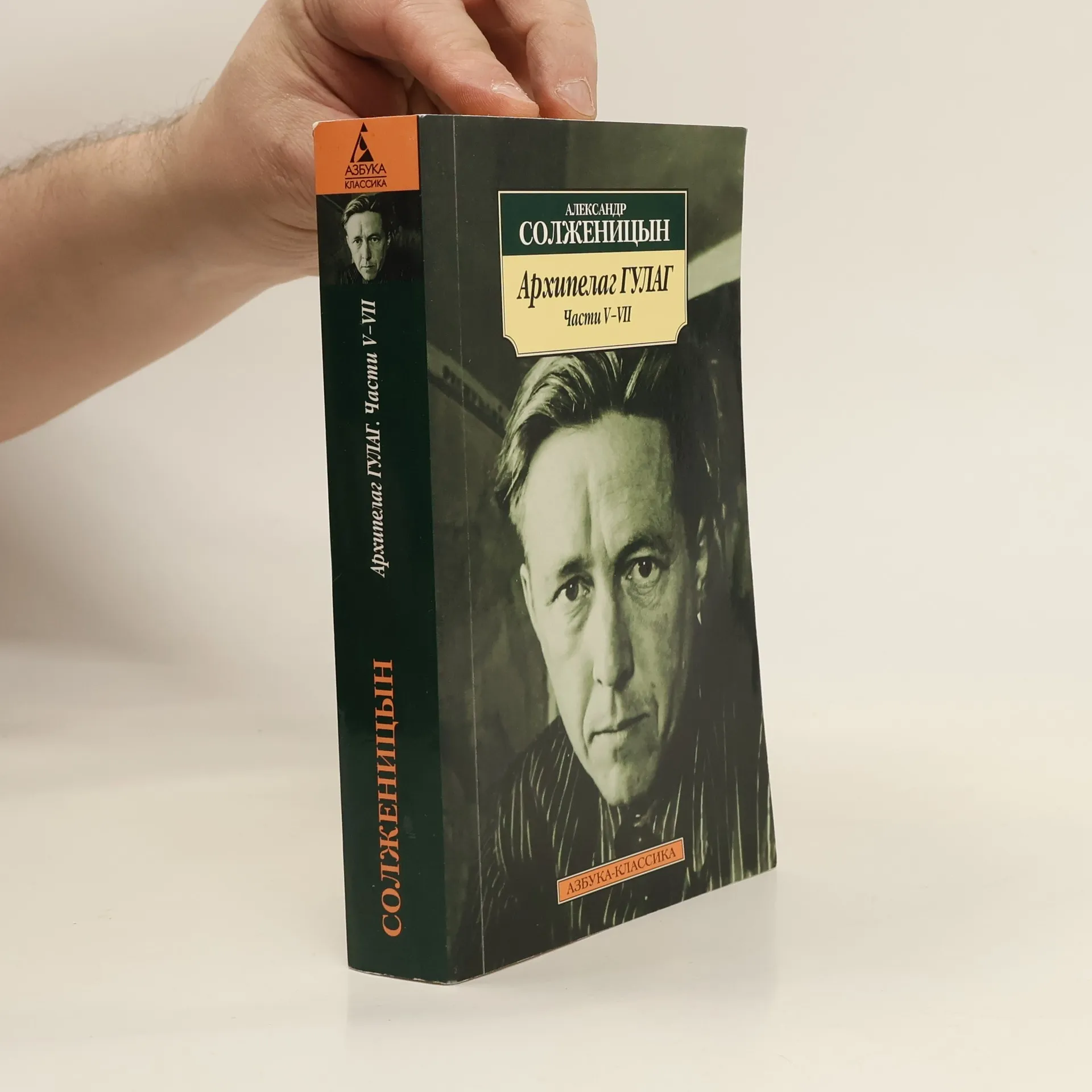
Азбука Классика - V-VII: Архипелаг ГУЛАГ
- 2048 stron
- 72 godziny czytania
Александр Солженицын - выдающийся русский писатель XX века, классик отечественной литературы, лауреат Нобелевской премии ("За нравственную силу, с которой он продолжил традиции великой русской литературы", 1970). В настоящем издании представлен "Архипелаг ГУЛАГ" - всемирно известная документально-художественная эпопея о репрессиях в годы Советской власти. "...Книга - о крови, о поте, о слезах, о страданиях, о безнадежности, а ее закрываешь с ощущением силы и света. Она показывает: человек во всех обстоятельствах может остаться человеком. Дает ощущение, что наш народ не кончился, мы прошли нижнюю точку, мы прошли катарсис. Исправлять жизнь будет трудно, но возможно" (Н.Д.Солженицына).
В издании представлен "Архипелаг ГУЛАГ" - всемирно известная документально-художественная эпопея о репрессиях в годы Советской власти
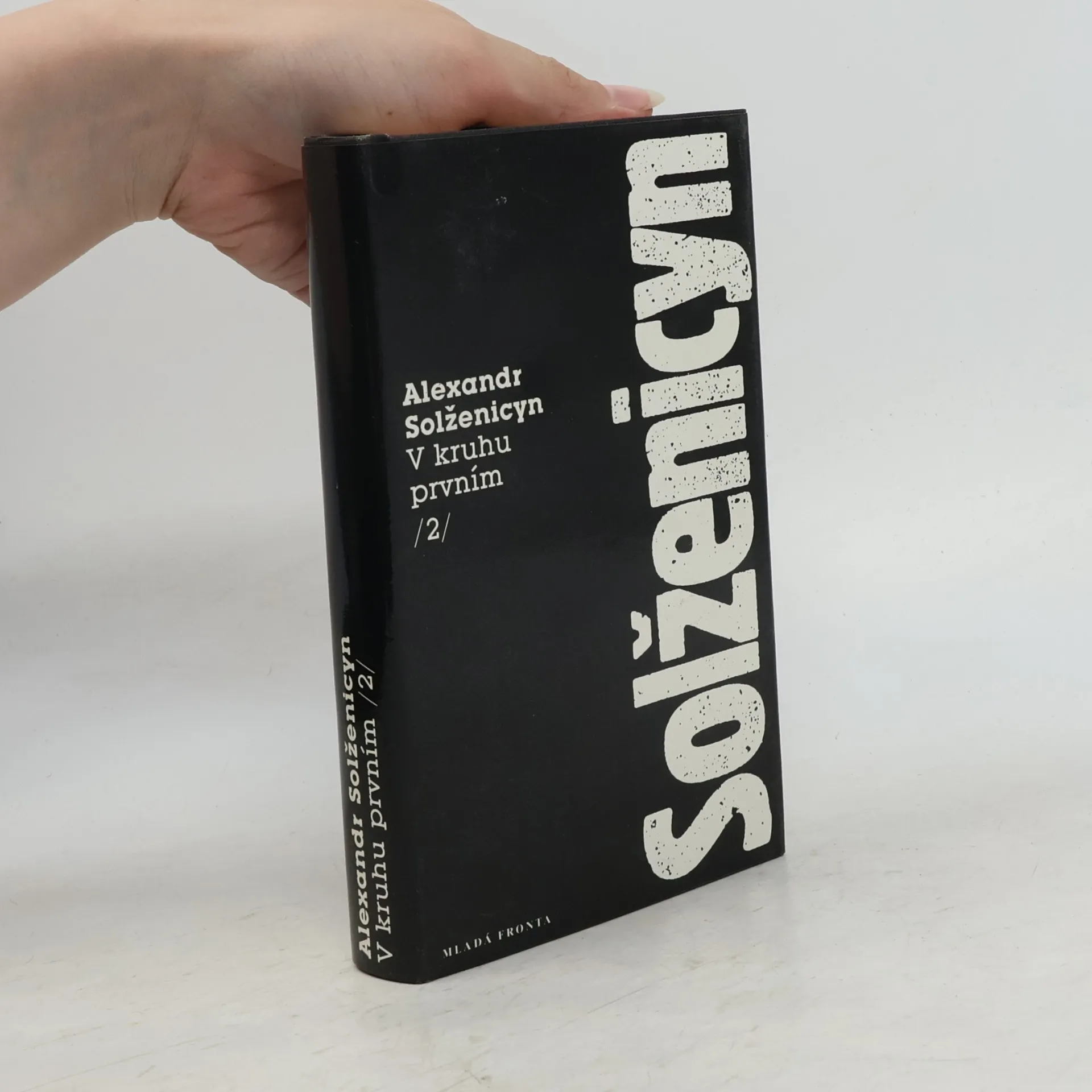
Zrno mezi žernovy : autobiografie 2
- 279 stron
- 10 godzin czytania
Po vyhoštění do Německa v r. 1974 se Solženicyn ocitá v džungli neznámé západní společnosti. V pěti črtách se vyrovnává s novou situací: se svou konfrontací s bulvárním tiskem a s agenty z Východu, s problémy kolem překladů svých děl, se stěhováním do Kanady, s rozchodem se dvěma nejbližšími přáteli z ruského disentu. V poslední črtě usvědčuje mj. českého publicistu Tomáše Řezáče, který sepsal a vydal ve spolupráci s KGB 250 stran smyšlených rozhovorů s autorem, aniž se s ním jedinkrát setkal.
Deux récits de guerre
- 182 strony
- 7 godzin czytania
En 1943-1945, avant son arrestation et sa condamnation à huit ans de camp, Soljénitsyne est un soldat, responsable d'une batterie de " repérage par le son ". C'est de ses souvenirs de combattant qu'il a tiré ces deux récits, écrits en 1998. Les souffrances et la destinée de l'obscur hameau de Jéliabouga, en Russie centrale, du plus noir de la guerre à ce jour de 1995 où l'auteur y revient, est le sujet du premier récit, marqué par l'émouvante figure d'une jeune fille, Iskiteia. Le deuxième récit rend hommage au courage oublié de deux officiers et de leurs hommes, en Prusse-Orientale, par contraste avec la veulerie et l'irresponsabilité des personnels politiques. L'écrivain s'y met en scène tel qu'il était alors, patriote, amoureux de cette vie militaire, confiant dans la révolution mondiale et plein de compassion pour la détresse des populations civiles.
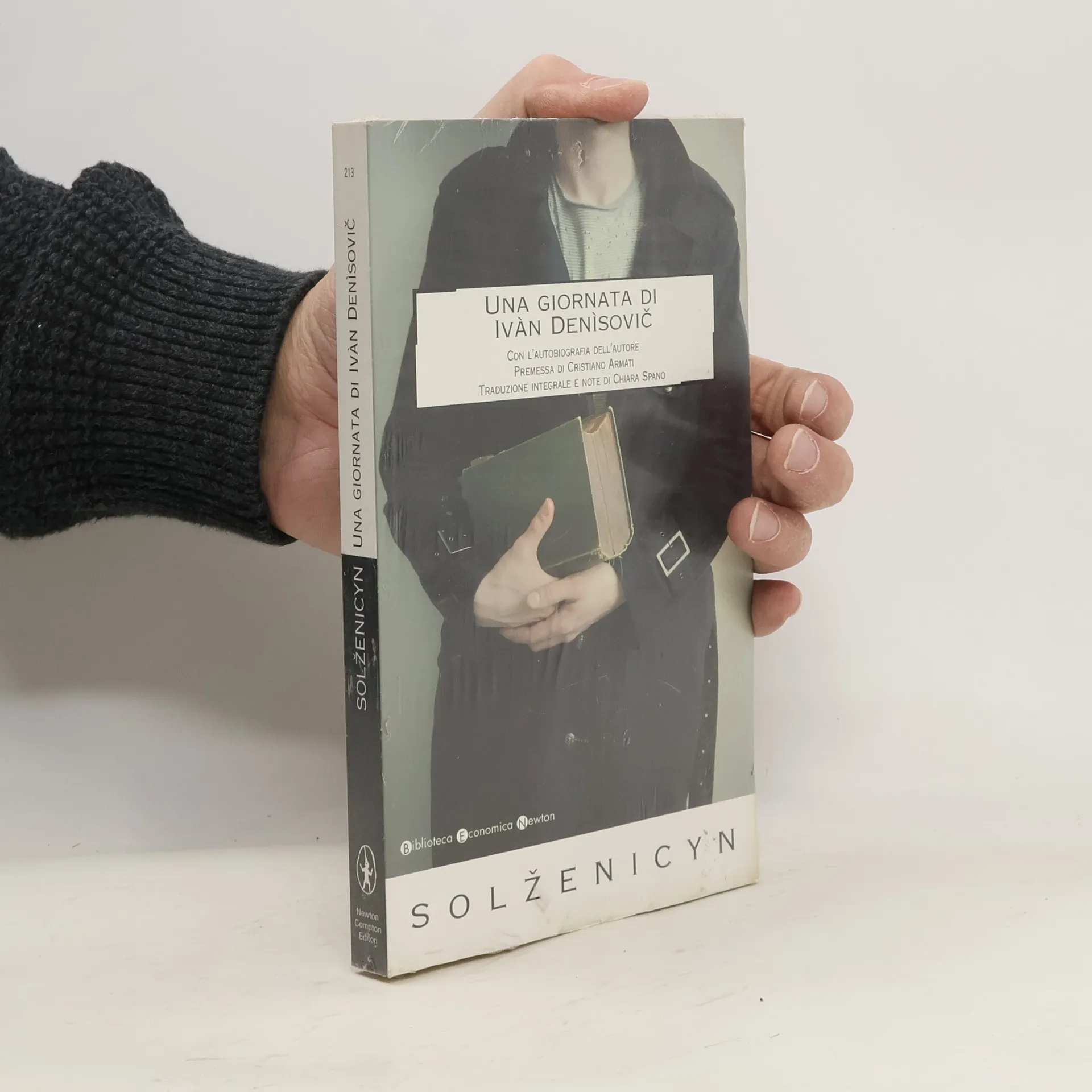
Biblioteca Economica: Una giornata di Ivan Denisovič
Con l'autobiografia dell'autore, premessa di Cristiano Armati, traduzione integrale e note di Chiara Spano
- 157 stron
- 6 godzin czytania
Quando, nel 1962, apparve sulla rivista "Novyi Mir" questo romanzo, tra i più noti e discussi di Solzenicyn, fu chiaro che qualcosa di completamente nuovo stava accadendo nella letteratura sovietica: per la prima volta, infatti, si osava descrivere la realtà dei campi di concentramento stalinisti, sebbene, come ebbe a dire Tvardòvskij, il racconto evitasse volutamente "di porre in risalto quelle aperte violazioni alla legalità sovietica che si esprimono in orrende crudeltà e arbitrii". Con questa narrazione piana, precisa, puntigliosa, priva di astio di "una delle giornate più ordinarie della vita del campo, dalla sveglia alla ritirata", Solzenicyn ci ha consegnato il racconto di un incubo che ha assunto il valore storico e letterario di una liberazione. E accanto al dubbio, al sospetto, alla tensione diffusa che avevano avvelenato la vita dei sovietici negli anni Trenta, ci sono qui il paesaggio, la lingua e l'anima della Russia che pervadono la ricerca espressiva del grande scrittore.
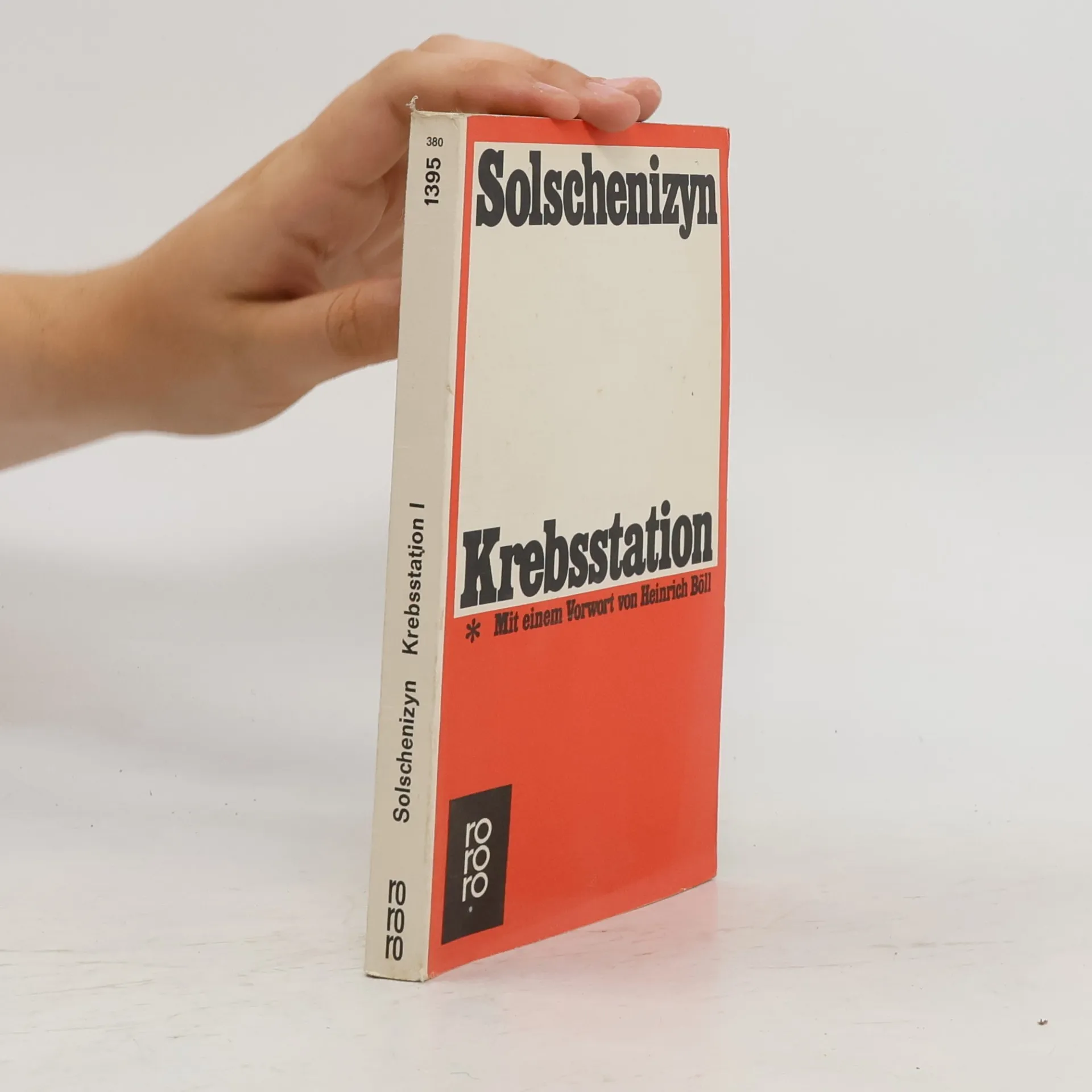
Alexander Solschenizyn schildert in seinem inzwischen weltberühmten Roman eine durch die Präsenz des Todes aneinandergefesselte Gesellschaft: Patienten und Ärzte, Funktionäre und Häftlinge, Denunzierte und Denunzianten in der Krebsstaion eines Krankenhauses im asiatischen Russland.
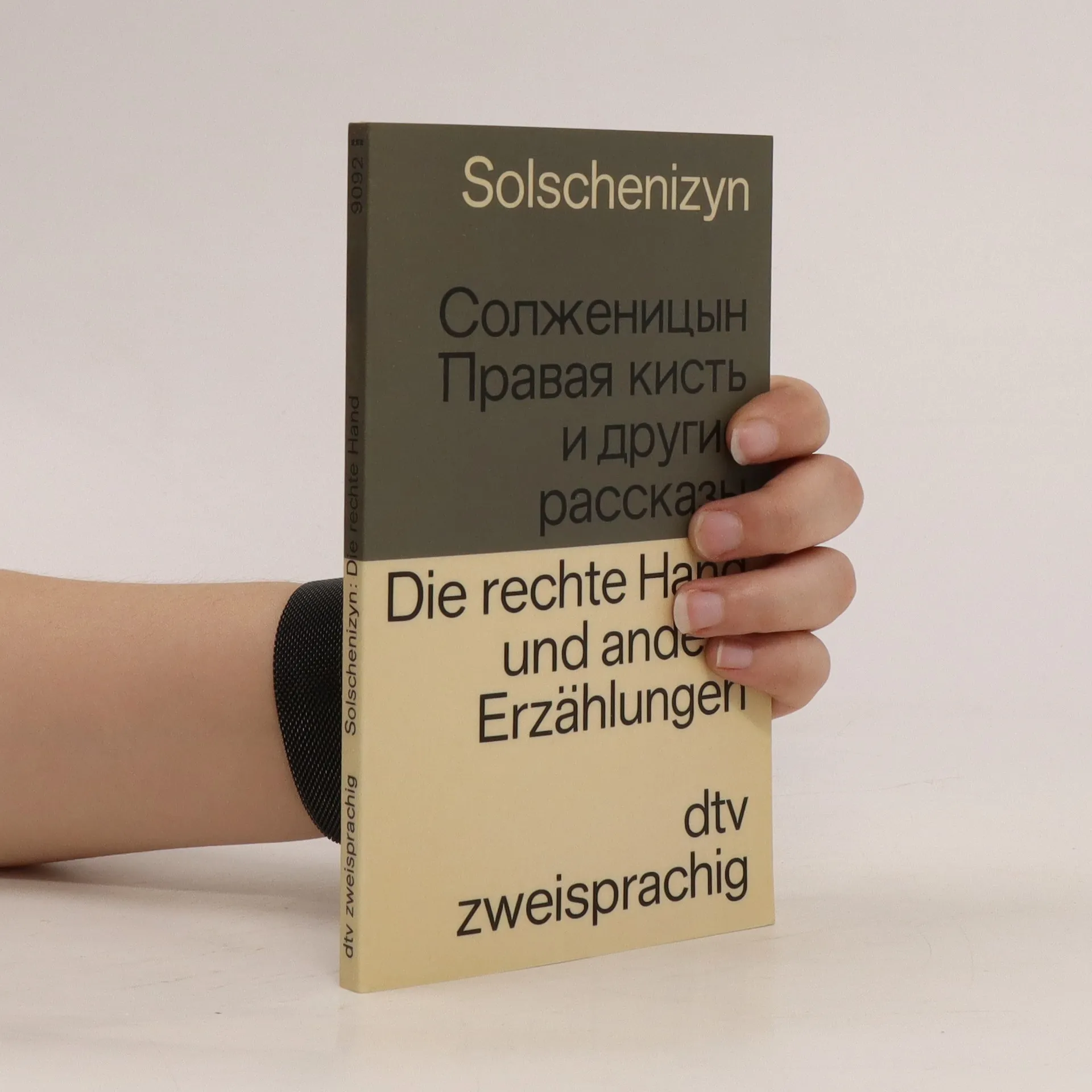
Правая кисть и други расска. Die rechte Hand und andere Erzählungen
- 131 stron
- 5 godzin czytania
Russian language. Книга на русском языке. Архипелаг ГУЛАГ (комплект из 3 книг) Серия: Азбука-классика Издательство: Азбука СПб Год издания: 2011 Кол-во страниц: 640 ISBN: 9785389023543 Формат: 18 x 11.5 x 2.5 Тип обложки: Мягкая глянцевая Редактор: Солженицына Н. Д. Возрастные ограничения : 18+ Документальная художественная эпопея А. И. Солженицына "Архипелаг ГУЛАГ" произвела переворот в сознании миллионов читателей во всем мире. Это история репрессий, лагерей и тюрем в Советском Союзе (их жертвой был и сам автор). Александр Солженицын .Архипелаг ГУЛАГ, 1918-1956 : опыт художественного исследования : в трех книгах.
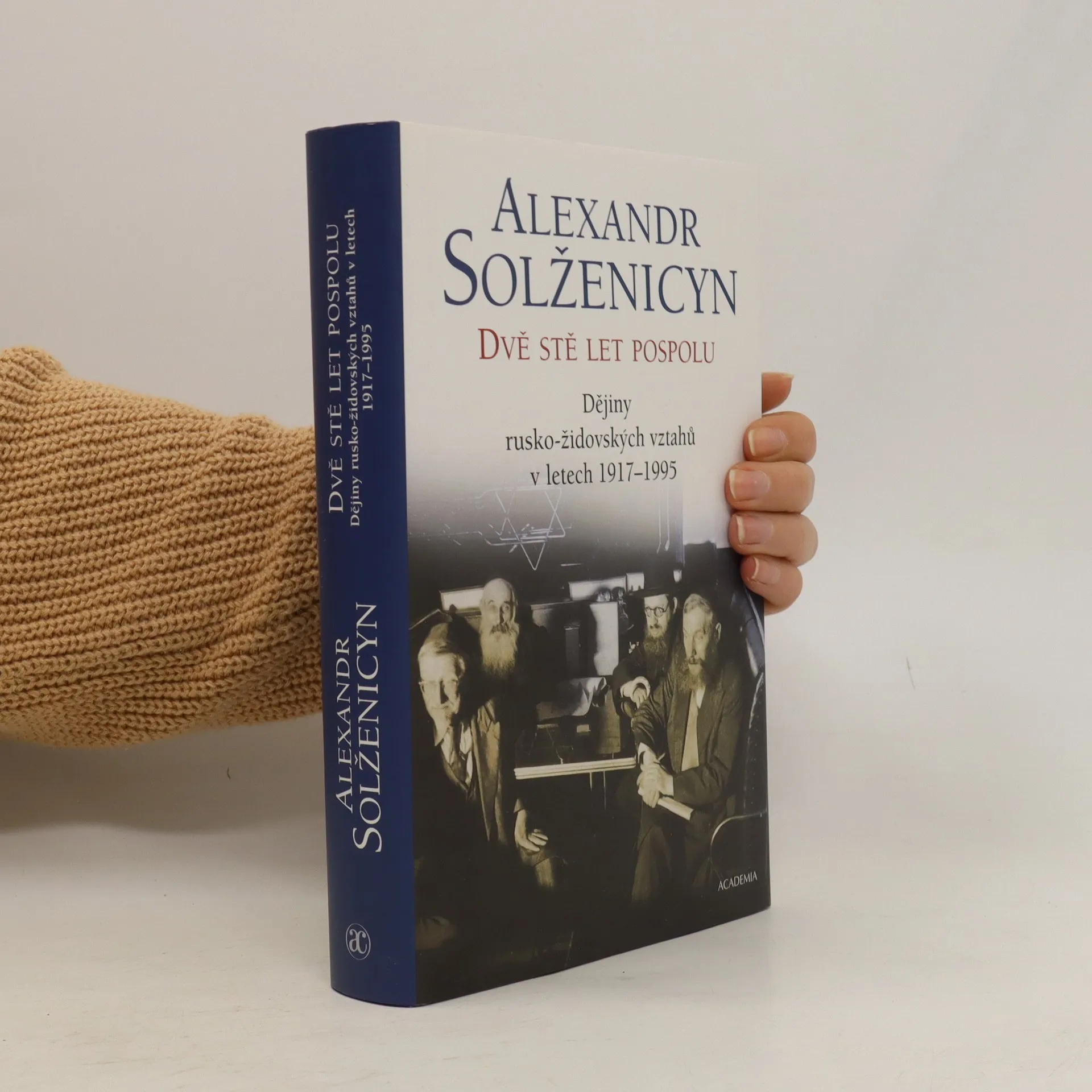
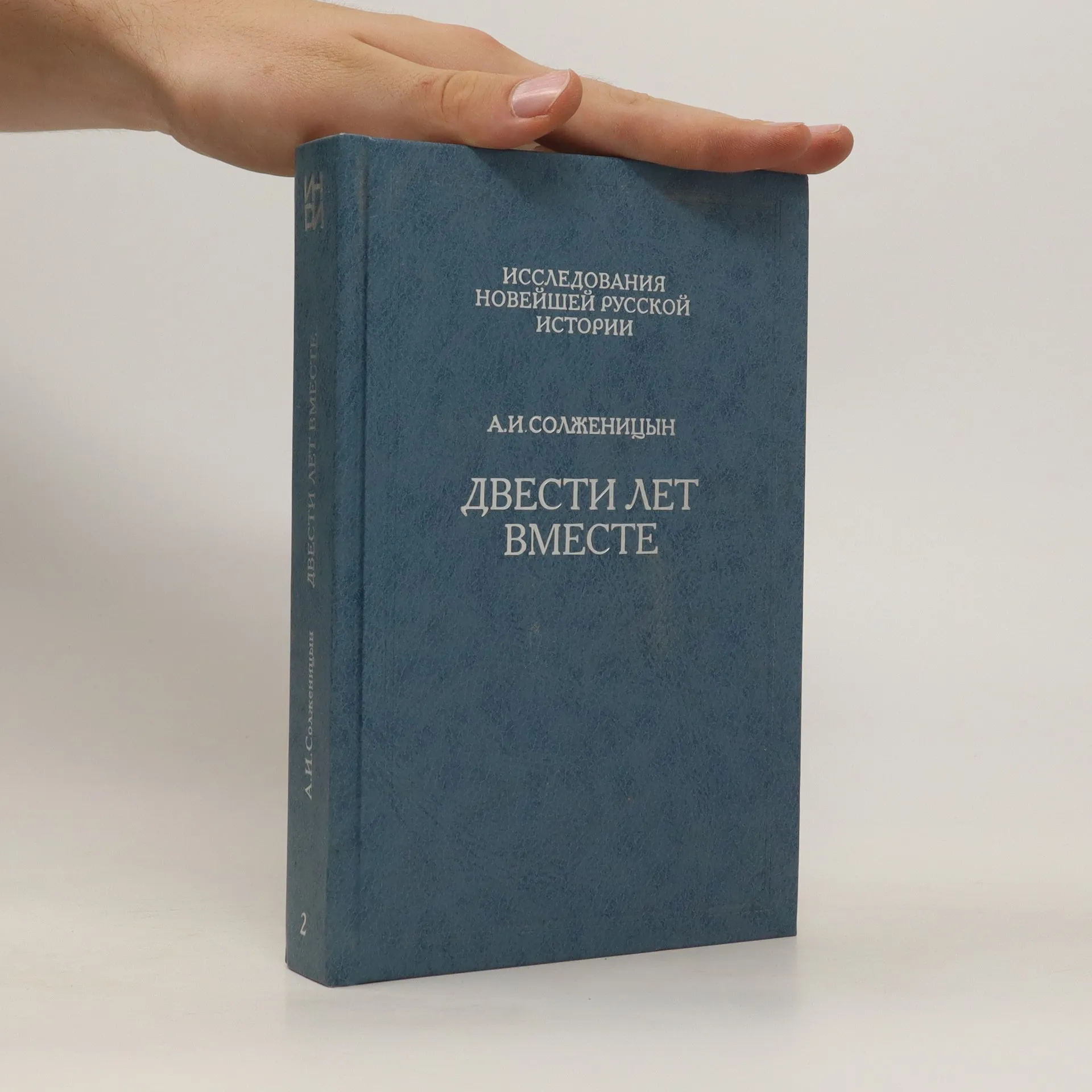
Dvě stě let pospolu: Dějiny rusko-židovských vztahů v letech 1917-1995
- 440 stron
- 16 godzin czytania
Podtitul: Dějiny rusko-židovských vztahů v letech 1917-1995 Vzájemné soužití Rusů a Židů. Alexandr Solženicyn se ve své knize soustřeďuje na rusko-židovské vztahy. Největší důraz klade na soužití obou národů ve dvacátém století, tak významném a katastrofickém pro život obou národů. Zkoumá látku z hlediska historických, politických, praktických a kulturních vztahů a snaží se rozptýlit mylná nepochopení a falešná obvinění.
Ein Tag i. Leben d. Iwan Denissowitsch. Zwischenfall a. d. Bahnhof Kretschetowka. Matrjonas Hof. Zum Nutzen d. Sache. 4 Erzählungen, die Teils schon andernorts u. i. anderer Übers. erschienen sind
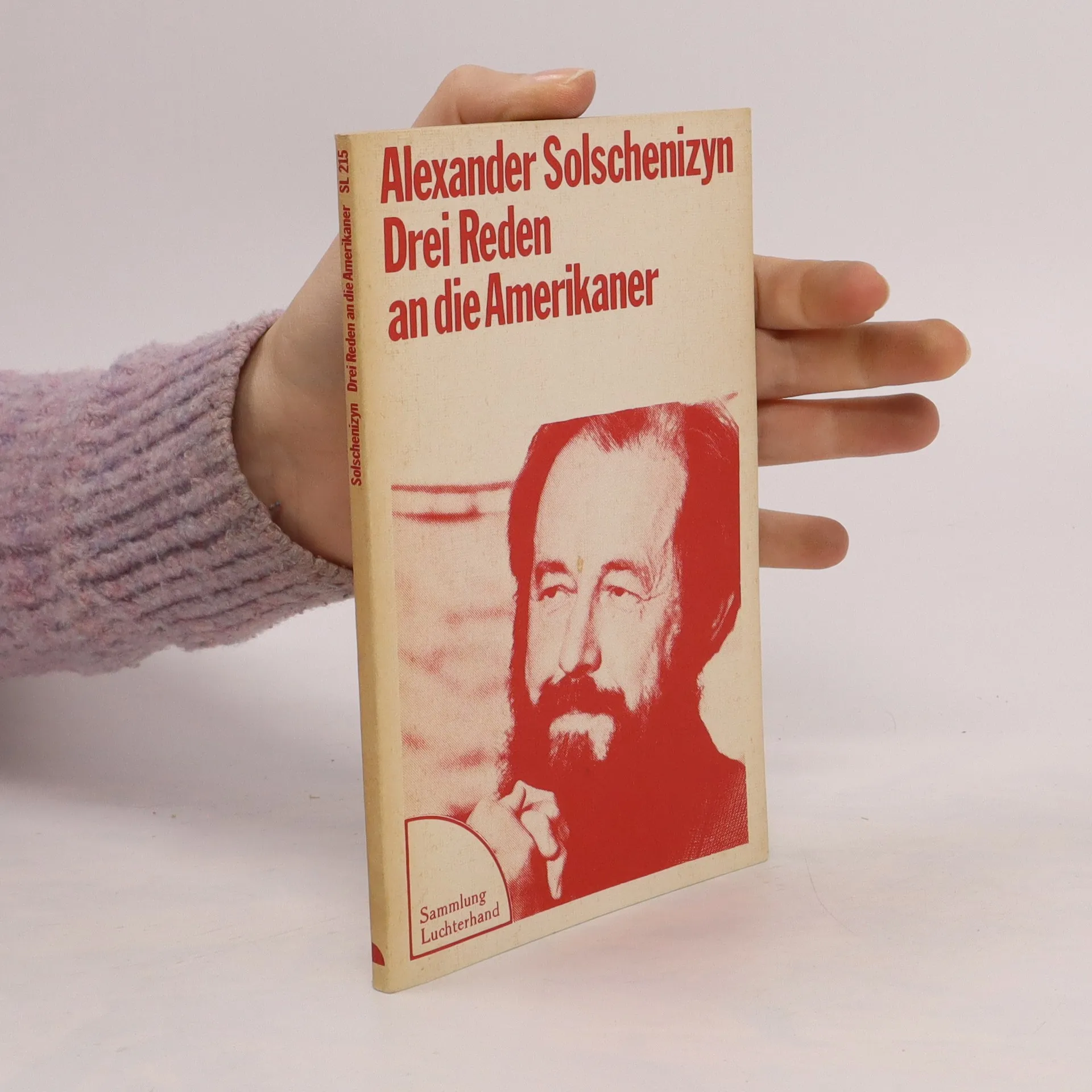
Drei Reden an die Amerikaner
- 72 strony
- 3 godziny czytania
Die hier gesammelten drei Reden wurden von Solženicyn im Juni-Juli 1975, an der Schwelle zur Helsinki-Konferenz, während eines Aufenthalts in den Vereinigten Staaten gehalten.
Solschenizyn beschloss als GULAG-Häftling, die Ereignisse und das Leben der Gefangenen sowie ihrer Bewacher im Straflager-Archipel zu dokumentieren. Der vorliegende Band ist die autorisierte gekürzte Fassung seines dreibändigen Gesamtwerks, dessen erste westliche Übersetzung 1974 erschien.
Das rote Rad / Dritter Knoten / März siebzehn 2. Teil
- 746 stron
- 27 godzin czytania
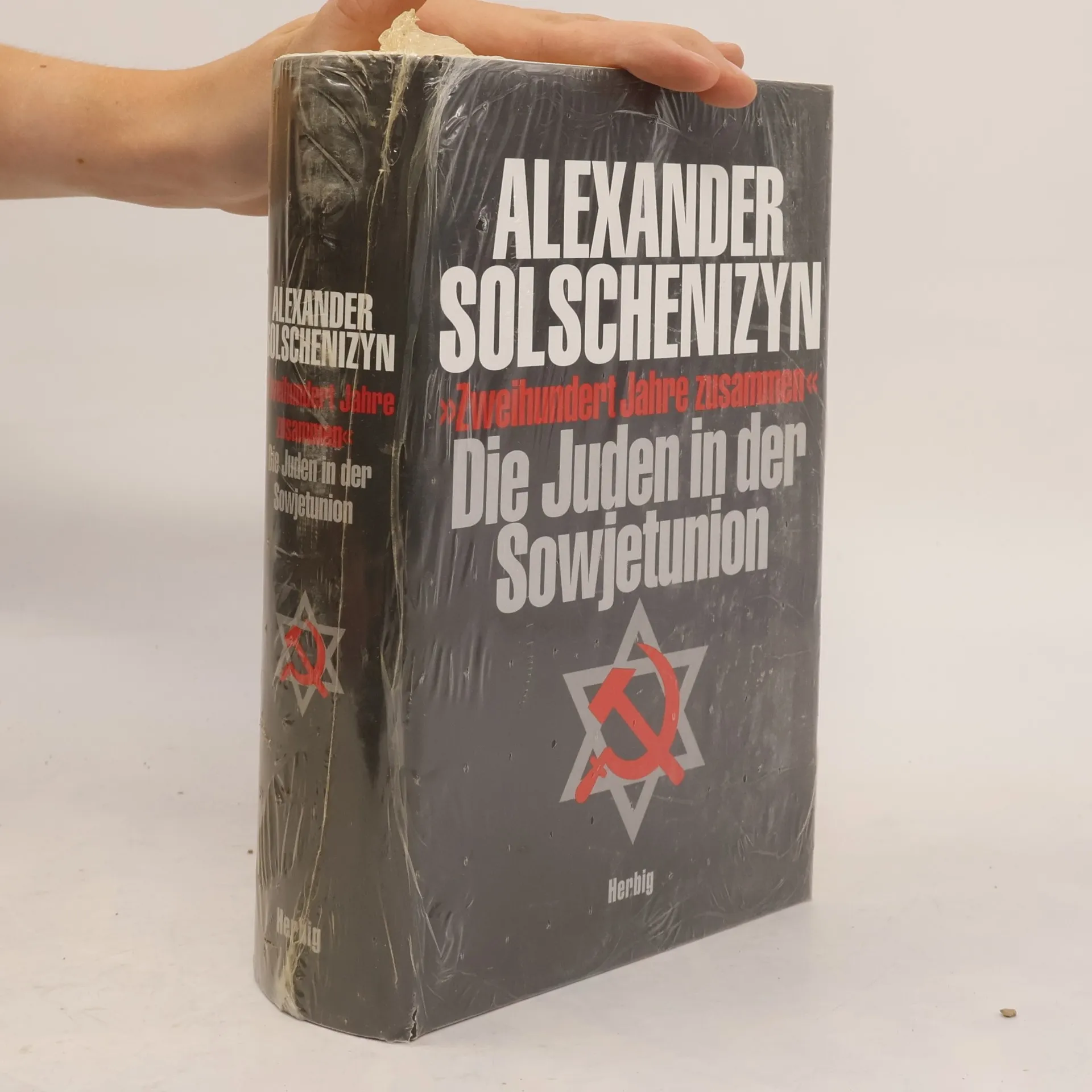
Zweihundert Jahre zusammen
- 608 stron
- 22 godziny czytania
[Teil 1] Die russisch-jüdische Geschichte 1795-1916. [Teil 2] Die Juden in der Sowjetunion.
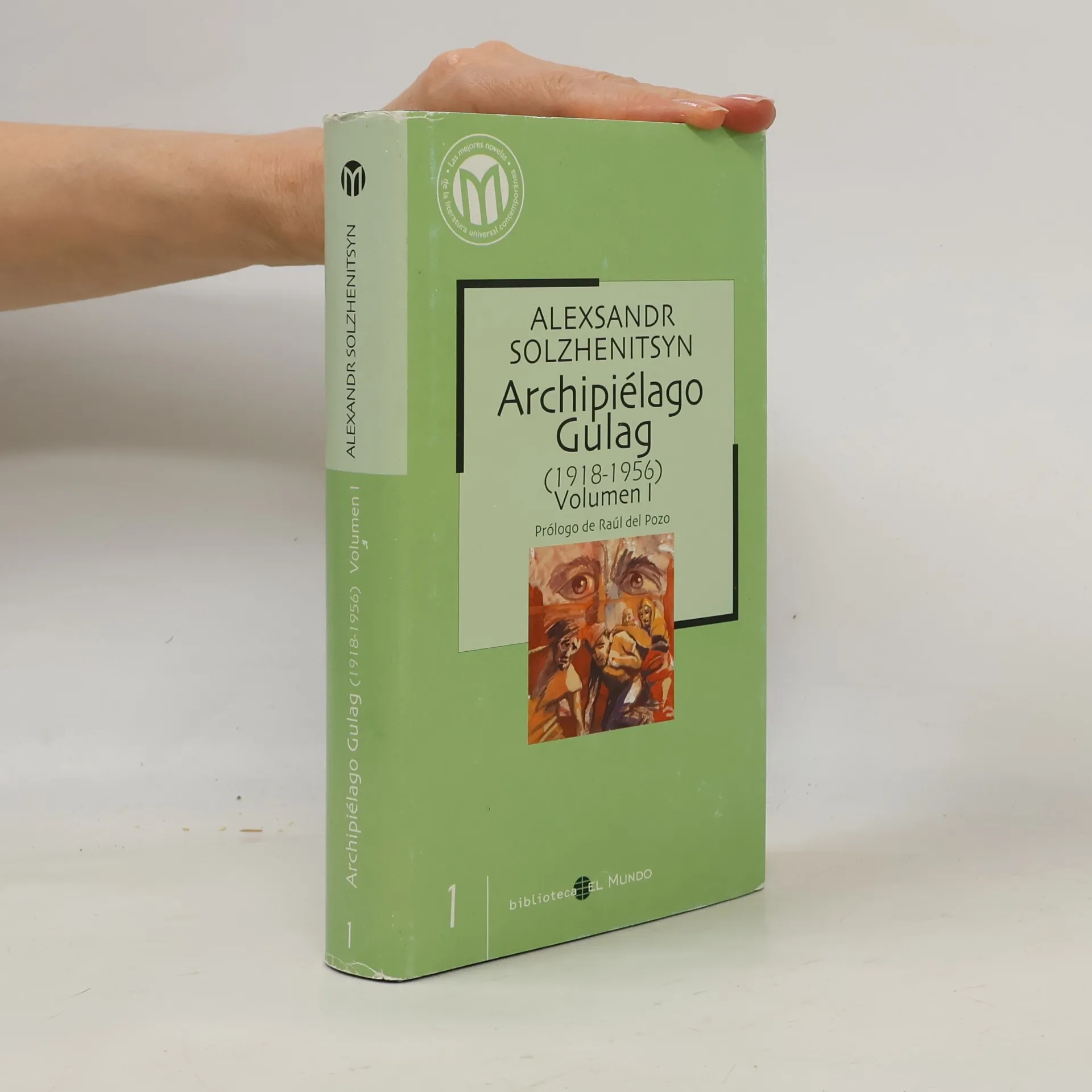
Archipilago Gulap (1918-1956). Volumen I
- 443 strony
- 16 godzin czytania
Con fidelidad sobrecogedora, alexandr solzhenitsyn describe en archipiélago gulag el régimen de terror que imperaba en los campos de internamiento y de castigo soviéticos durante el pasado siglo xx. Gracias a su obstinación por restituir aquello que la Historia quiso borrar, solzhenitsyn devolvió la palabra a los 227 prisioneros que le brindaron sus testimonios directos y a los millones de personas «a las que les faltó la vida para contar estas cosas», para dejar constancia de uno de los episodios más lúgubres de nuestro tiempo. Escrito entre 1958 y 1967 en la más completa clandestinidad, el primer boceto de la obra fue descubierto por el KGB en septiembre de 1973. En 1974 se publicó en Occidente, como medio de presión desde los países democráticos europeos, y hasta 1990, cuando se publicó parcialmente en la revista «Nóvy Mir», archipiélago gulag estuvo vedado a los lectores rusos. Este segundo volumen recoge tres de las siete partes que componen la obra completa («Campos de trabajo y exterminio», «El alma y el alambre de espino», «El penal»), y en él se describen barbaridades como la construcción del Belomor (el canal que comunica el mar Báltico con el mar Blanco) y las argucias a las que debían recurrir los prisioneros para poder sobrevivir.
Geschrieben im November 1962. Gedruckt in „Novy Mir“, 1963, Nr. 1; zuvor, im Dezember 1962, wurde ein Auszug in „Pravda“ veröffentlicht. „Kochetovka“ ist der reale Name der Station, an der sich 1941 der beschriebene wahre Vorfall ereignete. Bei der Veröffentlichung wurde der Name in „Kretschetowka“ geändert aufgrund der Schärfe des Gegensatzes zwischen „Novy Mir“ und „Oktober“ (Chefredakteur – Kochetov), obwohl alle anderen geografischen Punkte genau benannt blieben.
«Двести лет вместе (1795—1995)» — литературно-историческое исследование А. И. Солженицына, посвящённое русско-еврейским отношениям в Российской империи и СССР в период между 1795 и 1995 годами. Первая часть охватывает период с 1795 по 1916 год, вторая — с 1917 года до конца XX века.
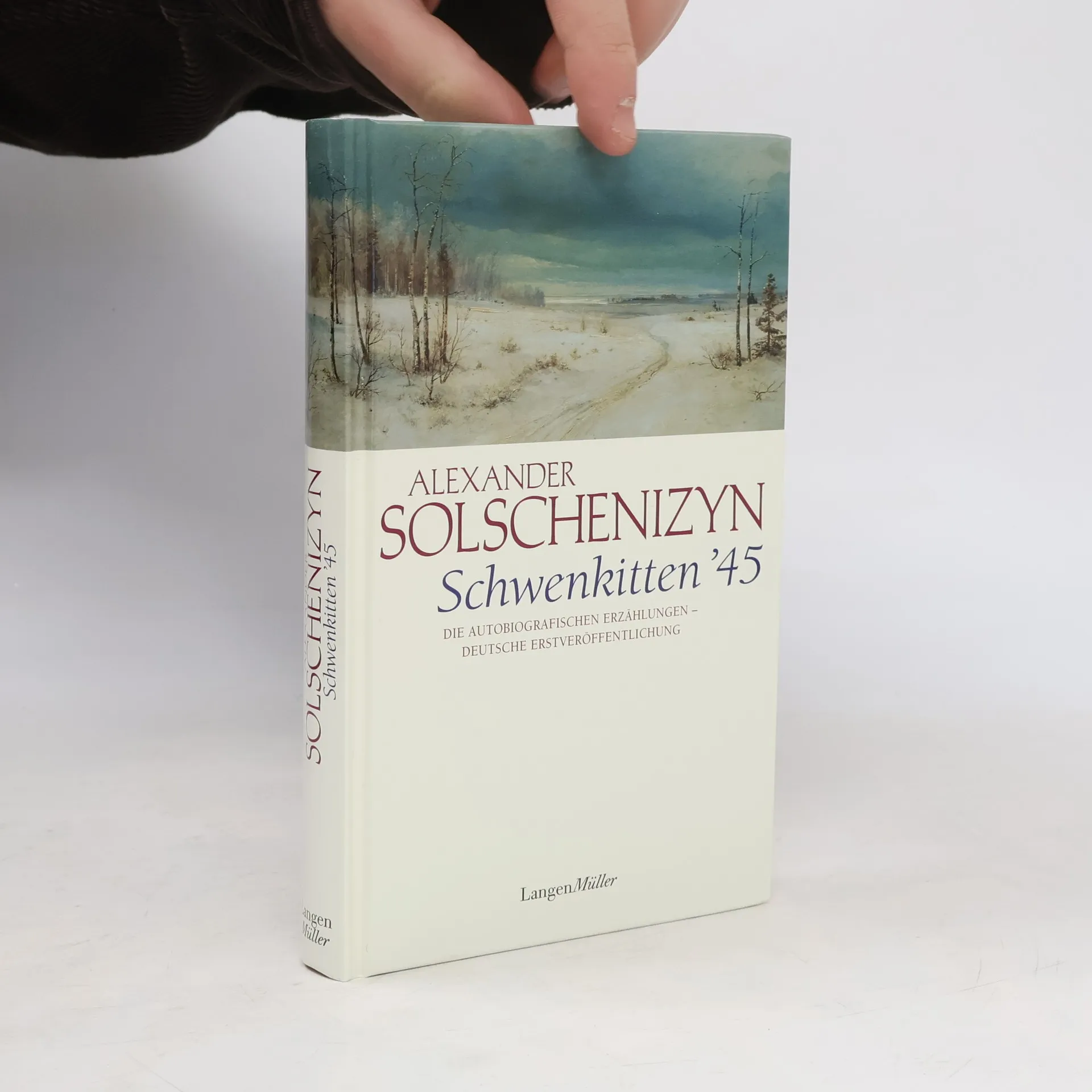
Schwenkitten. Die autobiografischen Erzählungen - Deutsche Erstveröffentlichung
- 205 stron
- 8 godzin czytania
Alexander Solschenizyn thematisiert die Tapferkeit der Soldaten und das Leid der Zivilbevölkerung während der Verteidigung bei Kursk 1943 und dem Vorstoß nach Ostpreußen 1945. Diese Erfahrungen führten zu seiner Verhaftung und dem Schicksal im stalinistischen Gulag.
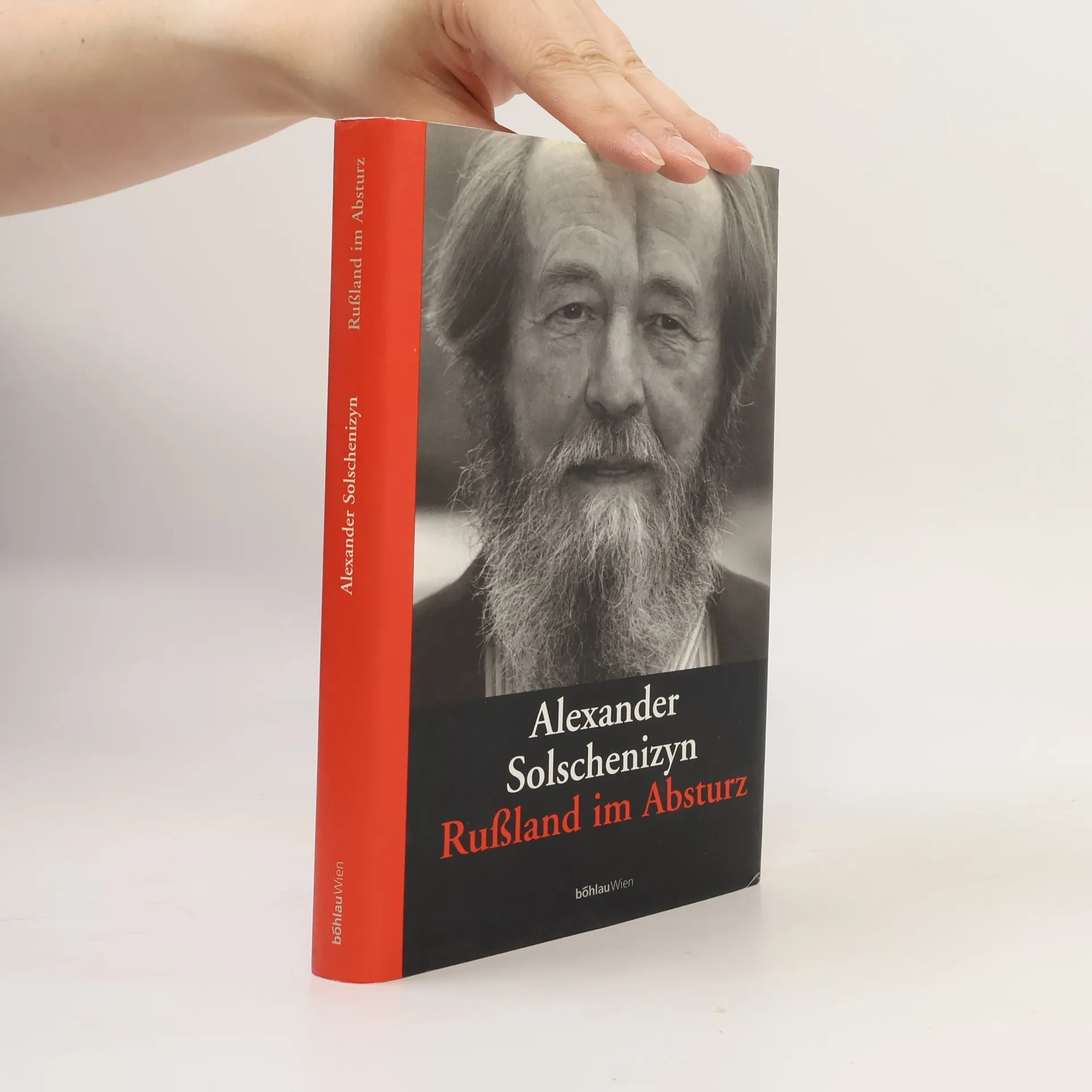
Rußland im Absturz
- 219 stron
- 8 godzin czytania
Nach mehrjährigem Schweigen meldet sich der inzwischen achtzigjährige Verfasser des "Archipel GULAG" und Literatur-Nobelpreisträger Alexander Solschenizyn wieder zu Wort. Solschenizyn liefert in seinem neuen Buch eine fesselnde, informative und zugleich erschütternde Bestandsaufnahme des postkommunistischen Russland. Mit dem Nimbus eines Propheten, einer literarisch-politischen Ikone, 1994 aus dem amerikanischen Exil in seine Heimat zurückgekehrt, erscheint Solschenizyn heute selbst in Russland vielen als ein Rufer in der Wüste. Dennoch läßt er sich nicht beirren und legt den Finger, wie damals im sowjetischen Russland, auf offene Wunden. Solschenizyn schockiert und will schockieren, nicht nur seine Landsleute, sondern auch den westlichen Leser, will ihn betroffen machen und zugleich sensibilisieren für das Phänomen des heutigen Russland. Man kann dieses Buch auch als das politische Testament Solschenizyns lesen, will man begreifen, was sich nicht ohne zwangsläufige Auswirkung au f den Westen im äußersten Osten Europas und darüber hinaus vollzieht und noch vollziehen kann.
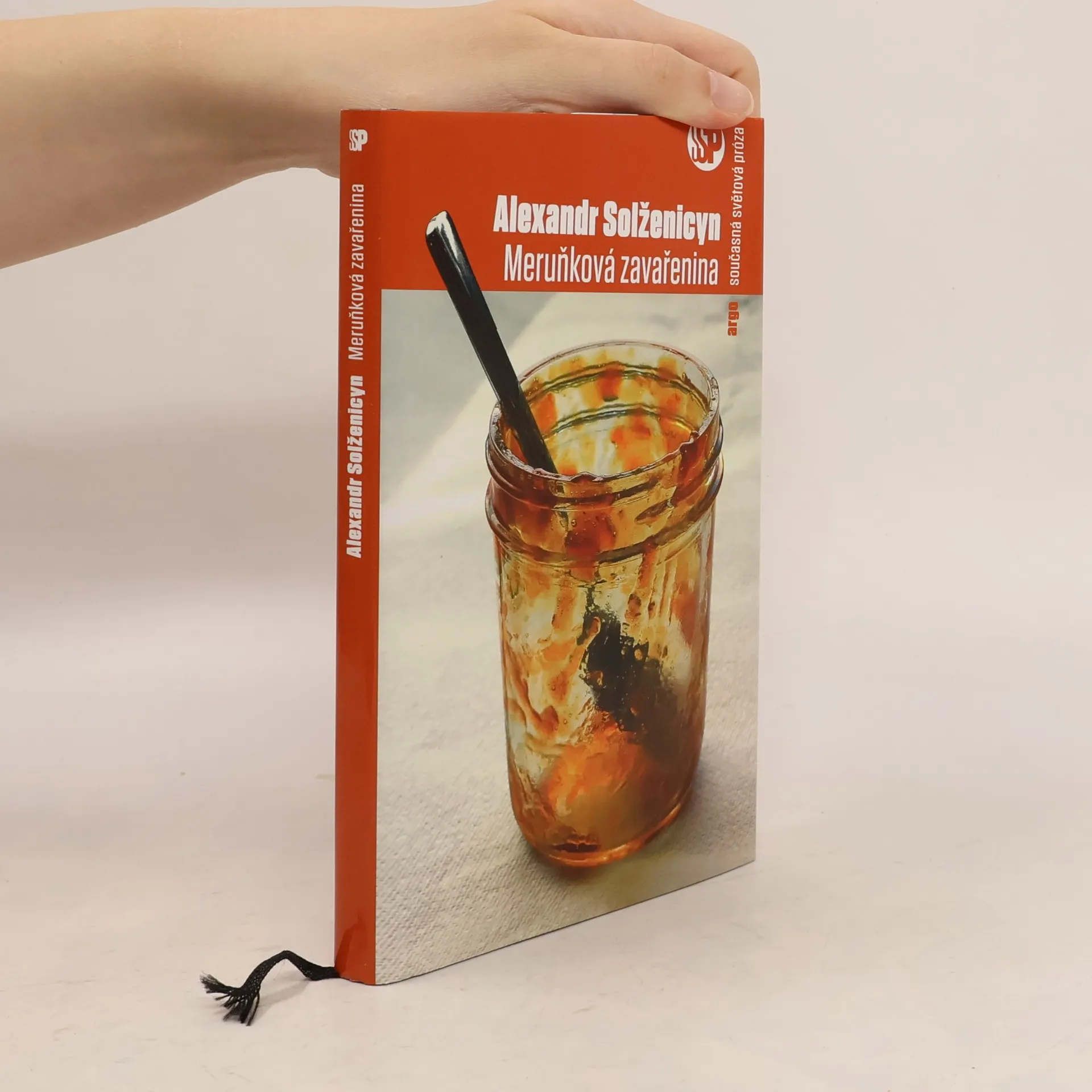
Po více než třiceti letech od prvních Solženicynových próz jako Jeden den Ivana Děnisoviče či Matrjonina chalupa se po rozsáhlých projektech (Souostroví Gulag a Rudé kolo) jeden z největších ruských spisovatelů vrátil ke komorní literární formě. Vznikl tak soubor „povídek o dvou částech“, nazvaný Meruňková zavařenina. Jejich děj pokrývá téměř celé dvacáté století a zabývá se jak boji občanské či Velké vlastenecké války, tak kupříkladu i rozporuplným poválečným osudem maršála Žukova.
На изломах
- 638 stron
- 23 godziny czytania
Содерж.: рассказы: Один день Ивана Денисовича ; Матренин двор ; Правая кисть ; Случай на станции Кочетовка ; Захар-Калита ; Настенька ; Абрикосовое варенье ; Все равно ; На изломах ; крохотки ; публицистика
Im ersten Kreis. Vollständige Ausg. d. wiederhergest. Urfassung d. Romans 'Der erste Kreis d. Hölle'
- 796 stron
- 28 godzin czytania
Solschenizyns Roman „Der erste Kreis der Hölle“ (1968) ist eine literarische Auseinandersetzung mit der Stalin-Ära. Ursprünglich gekürzt, erschien 1978 die unzensierte Fassung. Die Handlung spielt Ende 1949 und beleuchtet das Leben in einem sowjetischen Sonderlager sowie die Machenschaften rund um Stalin.
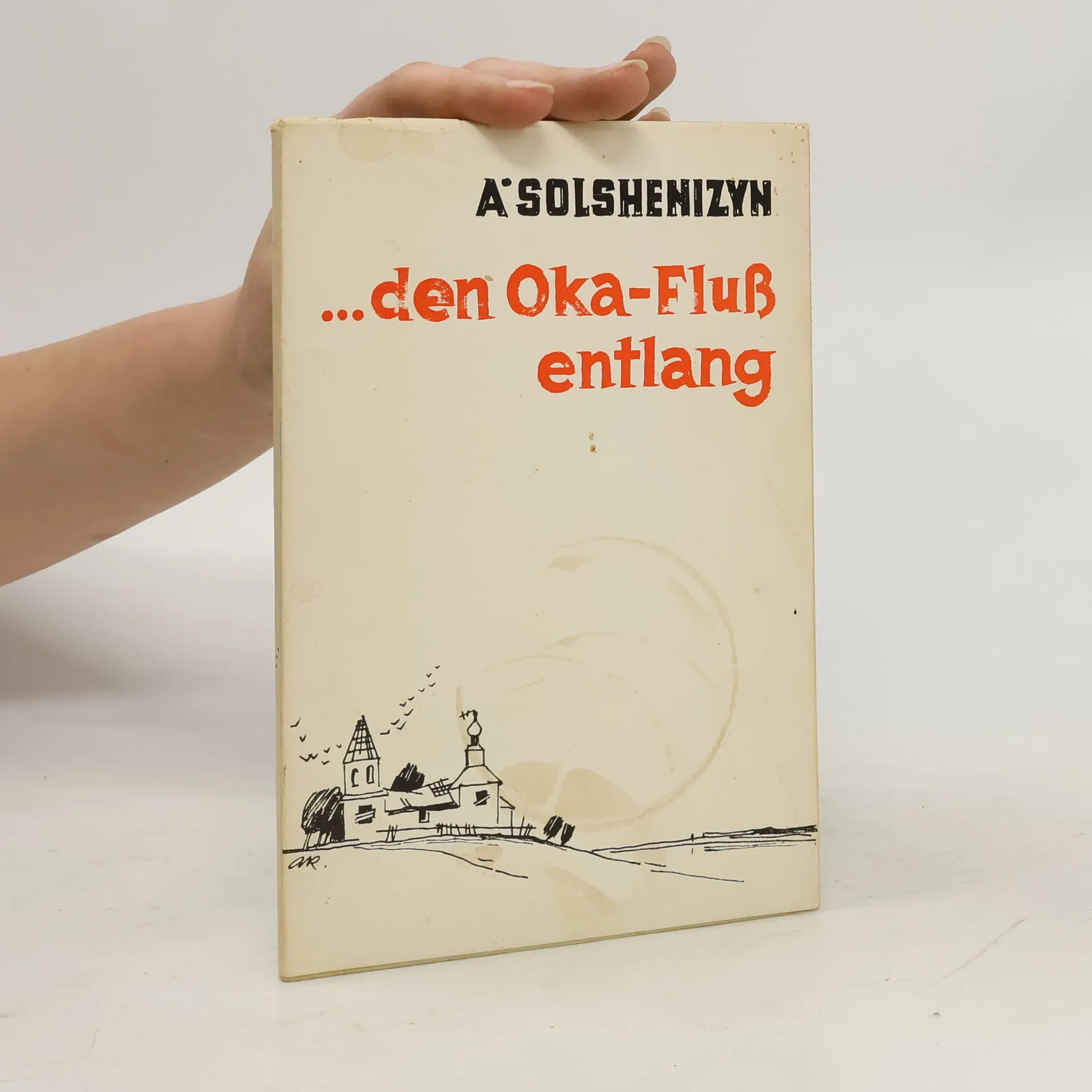
Den Oka-Fluss entlang. Matryonas Hof und andere Erzählungen
- 79 stron
- 3 godziny czytania
Ivan Denissovitš Šuhhov on mõistetud kümneks aastaks Gulagi vangilaagrisse. Raamat kirjeldab ühte päeva tema elus, milles kokku on selliseid päevi kolm tuhat kuussada viiskümmend kolm. Päevi täidab lakkamatu võitlus nälja ja Siberi karmi pakasega. Iga päev tähendab enda kehtestamist sunnitööliste väljakujunenud hierarhias ja nõuab laagritarkust, et vangivalvurite kiusust pääseda. Igal päeval on ainult üks eesmärk – ellu jääda. Ivan Denissovitš on lihtne töömees, keda pikad vangla-aastad pole ometi palju muutnud. Mida aeg edasi, seda enam hoiab ta kinni põhimõtetest, mis on tema inimlikkuse mõõdupuuks. Nii ei ole Ivan Denissovitši õppinud sööma, müts peas, kuigi tükk leiba on vangidele vabadusestki kallim. See raamat näitab jahmatava selgusega, mida tähendas elu okastraataia taga, ja paljastab stalinistliku režiimi kogu selle julmuses.