


Bookbot

Michael J. Behe

    18 stycznia 1952
    Michael J. Behe
    Darwin's Black Box. The Biochemical Challenge to Evolution
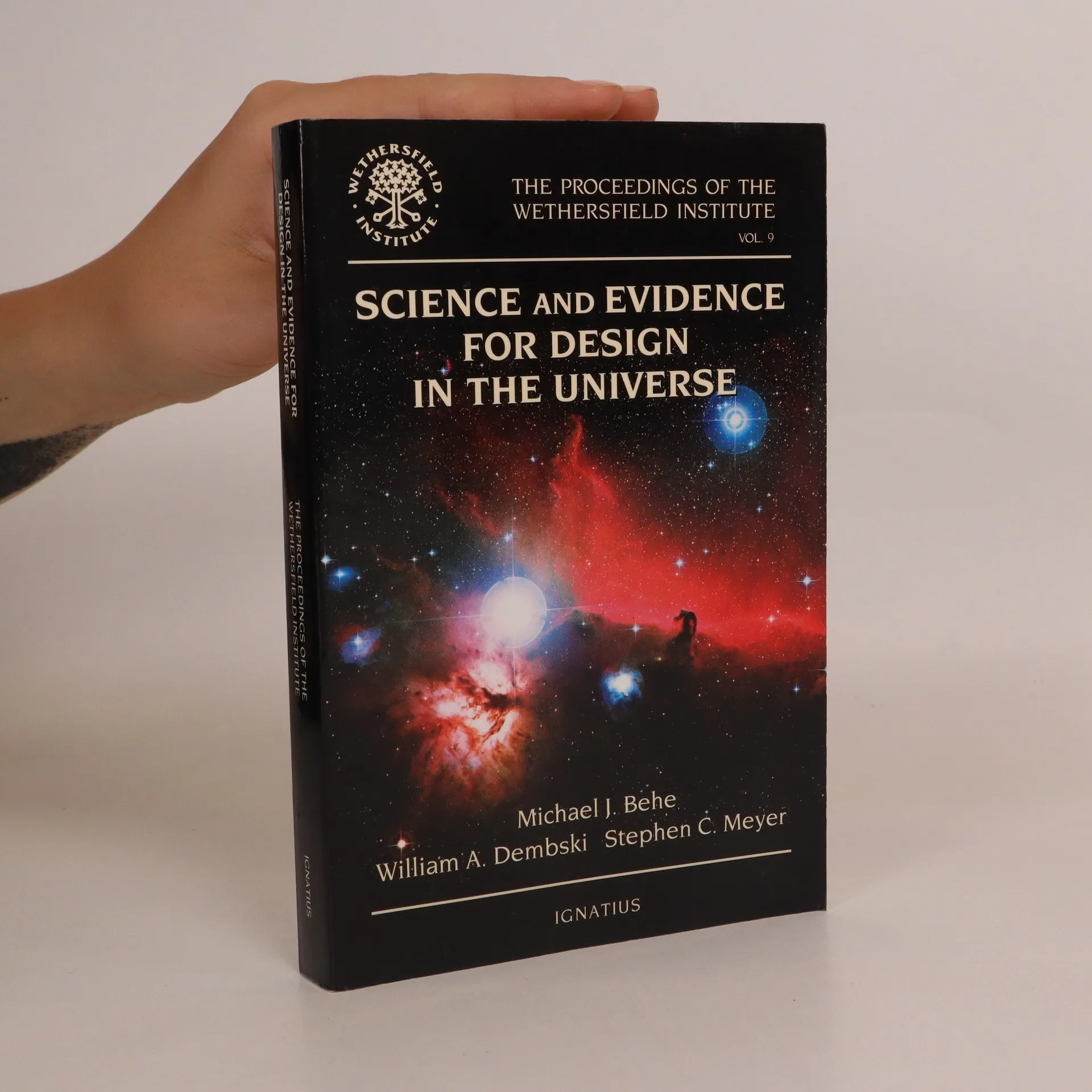
    Science and Evidence for Design in the Universe
    The Edge of Evolution: The Search for the Limits of Darwinism
    Dewolucja. Odkrycia naukowe dotyczące DNA BR
    • Zdaniem Michaela J. Behego, ostatnie odkrycia stanowią poważne wyzwanie dla darwinizmu i wzmacniają argumenty na rzecz teorii inteligentnego projektu. Behe, na podstawie rzetelnej analizy naukowej, twierdzi, że ewolucja nie prowadzi do wzrostu informacji genetycznej, a raczej do degeneracji genomu, co sugeruje, że precyzyjniej jest mówić o dewolucji. Publikacja skierowana jest do czytelników zainteresowanych nauką i powstawaniem życia na Ziemi. Behe przekonująco argumentuje, że redukcja genomu prowadzi do adaptacji w obrębie gatunku, podważając darwinowski mechanizm mutacji i doboru jako podstawę różnorodności życia. Jego analiza dowodzi, że ewolucja jest z założenia samoograniczająca się. Behe, profesor nauk biologicznych na Lehigh University, prowadzi badania nad granicą między skutkami projektu a doborem naturalnym w strukturach białkowych. Seria Inteligentny Projekt to ambitna propozycja na polskim rynku, w której autorzy badają, czy różnorodność życia może być wyjaśniona wyłącznie przez procesy naturalne oraz czy złożone struktury biologiczne mogły powstać bez udziału inteligencji. Teoria inteligentnego projektu ma szerokie zastosowanie, pokazując, że powinna być stosowana również w kwestiach pochodzenia i rozwoju życia.

      Dewolucja. Odkrycia naukowe dotyczące DNA BR
      4,6
    • The author of Darwin's Black Box draws on new findings in genetics to pose an argument for intelligent design that refutes Darwinian beliefs about evolution while offering alternative analyses of such factors as disease, random mutations, and the human struggle for survival. Reprint. 40,000 first printing.

      The Edge of Evolution: The Search for the Limits of Darwinism
      4,2
    • As progress in science continues to reveal unimagined complexities, three scientists revisit the difficult and compelling question of the origin of our universe. As mathematician, biochemist, and philosopher of science, they explore the possibility of developing a reliable method for detecting an intelligent cause and evidence for design at the origin of life. In the process, they present a strong case for opening and pursuing a fruitful exchange between science and theology. Mathematician William Dembski, author of  The Design Inference , first argues that new developments in the information sciences make intelligent design objectively and scientifically detectable―he identifies the signs of design. Next, philosopher of science, Stephen Meyer, and biochemist Michael Behe, author of  Darwin's Black Box , argue that these signs are now clearly evident in both the architecture of the universe and the features of living systems. Other essays by the authors defend the scientific status of the theory of intelligent design and show how that theory supports traditional religious belief without necessarily "proving" the existence of God. In a concluding essay, Michael Behe responds to critics of his best selling book,  Darwin's Black Box , thus bringing readers up-to-date on the status of the contemporary design argument in biology.

      Science and Evidence for Design in the Universe
      4,1
    • Behe goes down to the molecular level to provide a rejection to Darwin's theory of evolution as it is popularly interpreted. The complexity of biochemical systems confounds the larger idea, and Behe argues that the structure of the systems themselves will provide the key to refute the theory of evolution

      Darwin's Black Box. The Biochemical Challenge to Evolution
      3,8