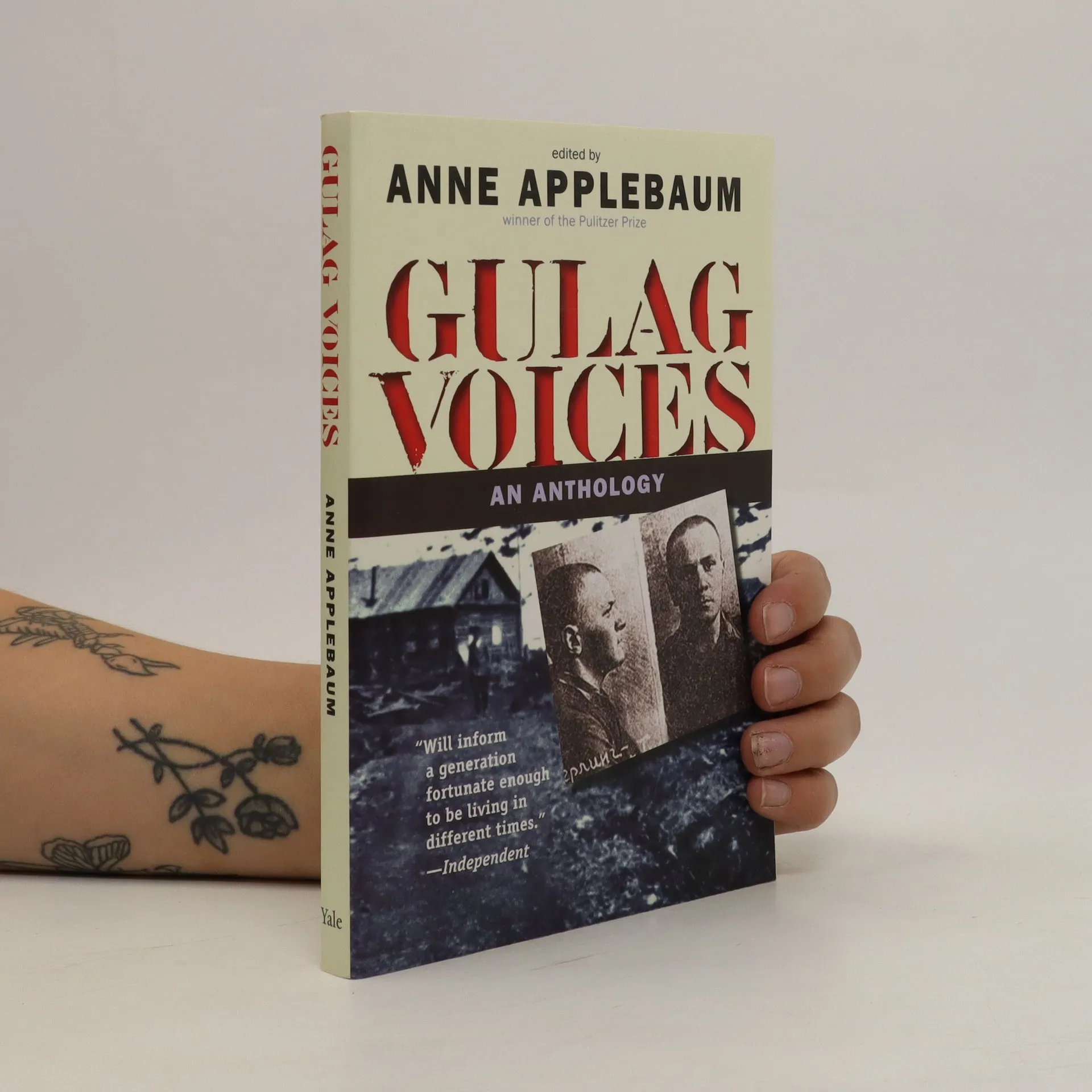
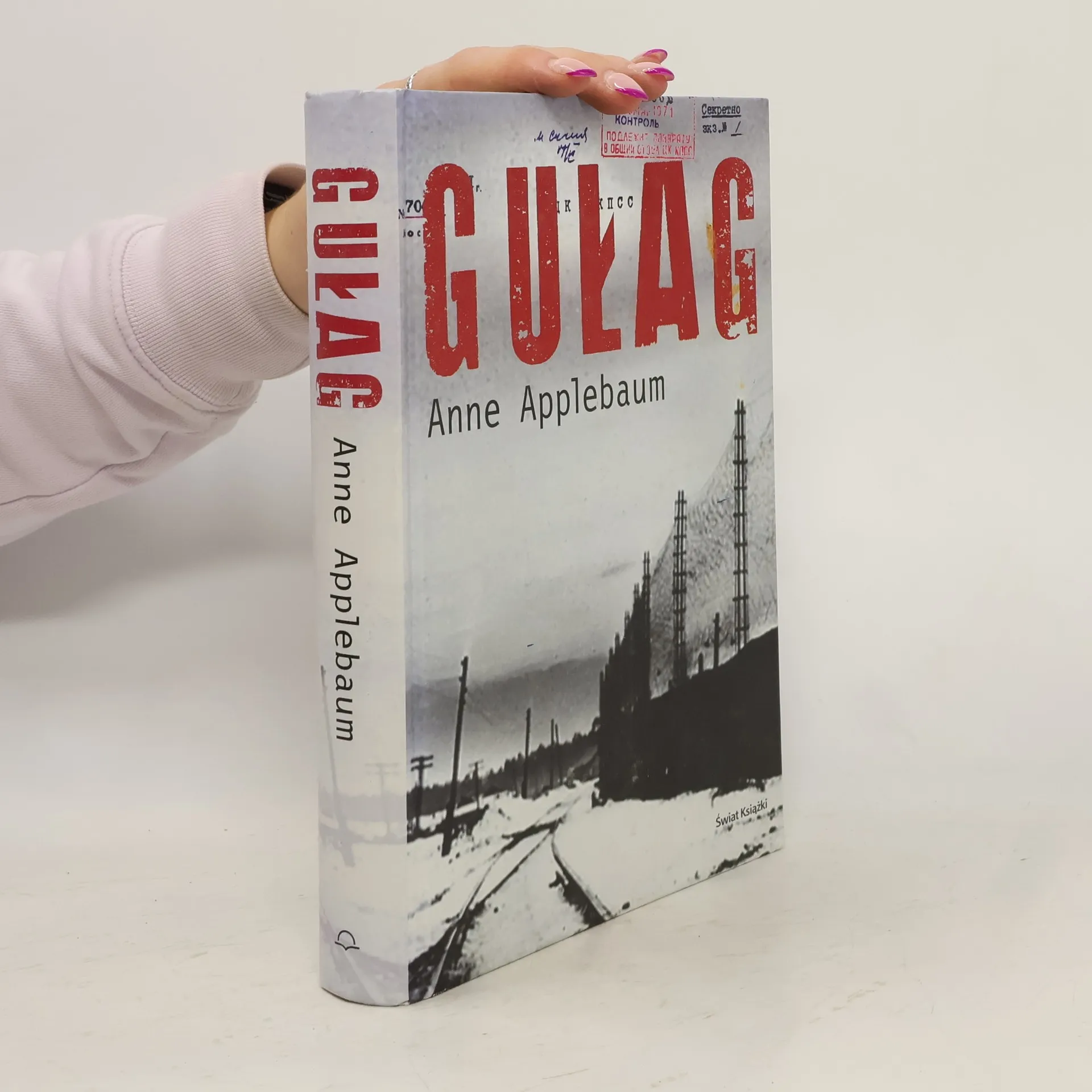
Precyzyjnie udokumentowana książka ukazuje historię rozbudowanej sieci obozów pracy rozrzuconych po całym obszarze Związku Sowieckiego. Dla Polaków słowo 'gułag' ma szczególne znaczenie - byliśmy wśród narodów, które najdotkliwiej poznały sowiecki system represji i ludobójstwa. Bogata jest także polska literatura łagrowa, z której szeroko korzystała autorka książki.
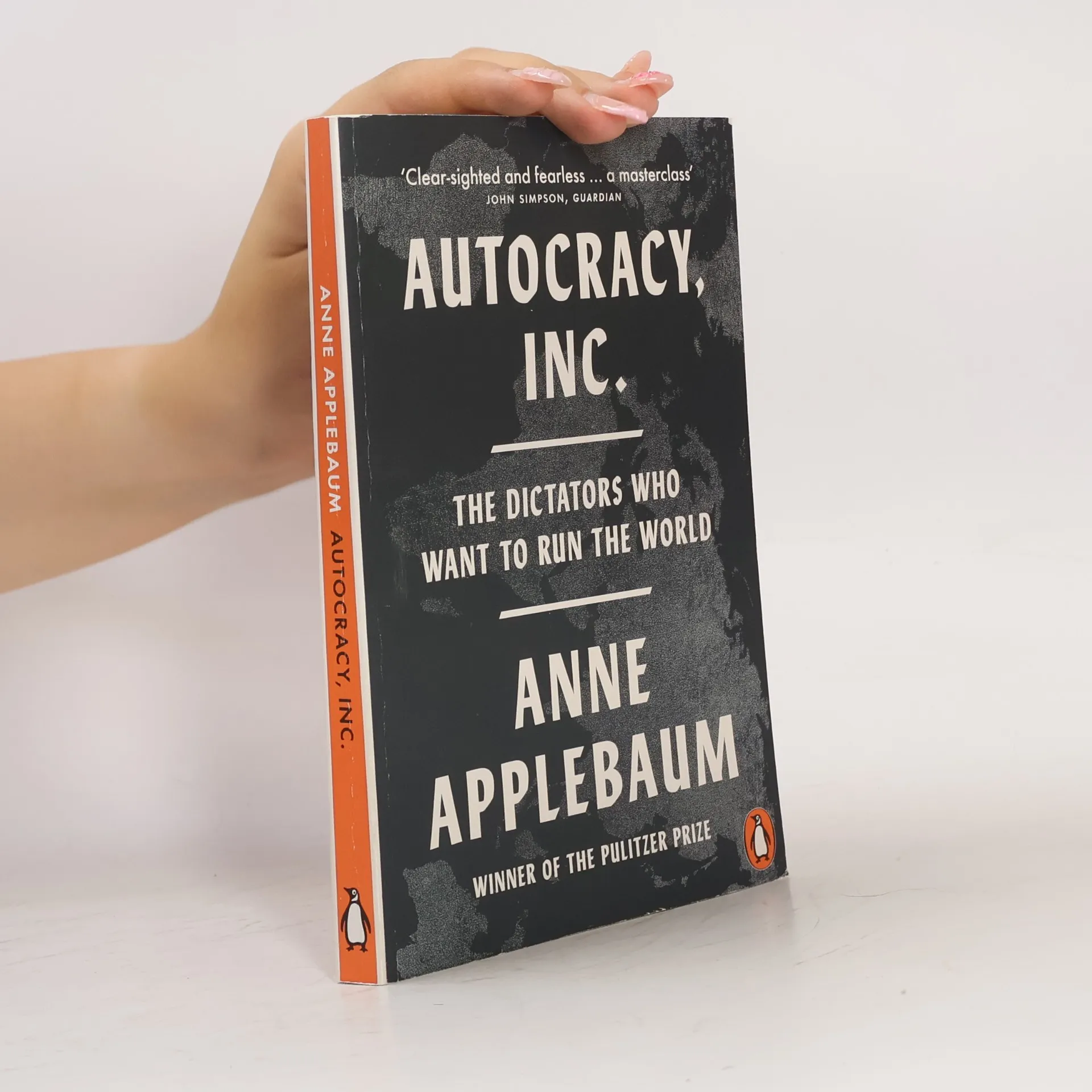
Zdobywczyni nagrody Pulitzera analizuje, dlaczego elity w demokracjach na całym świecie zwracają się ku nacjonalizmowi i autorytaryzmowi. Liberalna demokracja jest zagrożona, a autorytaryzm zyskuje na sile. Autorka, uznawana za ekspertkę w dziedzinie komunizmu i współczesnej polityki, bada mechanizmy powstawania autokracji oraz nacjonalizmu w nowoczesnych demokracjach, oferując wstrząsającą analizę aktualnych zmian. Na przykładzie Stanów Zjednoczonych, Wielkiej Brytanii, Węgier, Polski i innych krajów ukazuje, jak despotyczni przywódcy zdobywają władzę, korzystając z politycznych sojuszników, biurokratów oraz medialnych gwiazd. Opisuje również rosnącą liczbę zwolenników nieliberalizmu, którzy, wykorzystując teorie spiskowe, polaryzację polityczną oraz media społecznościowe, przyczyniają się do społecznych przemian. Książka stanowi wnikliwe spojrzenie na drogę powrotu do wartości demokratycznych. Autorka stawia fundamentalne pytanie o stan demokracji, na które odpowiada z głębokim zrozumieniem i inteligencją.
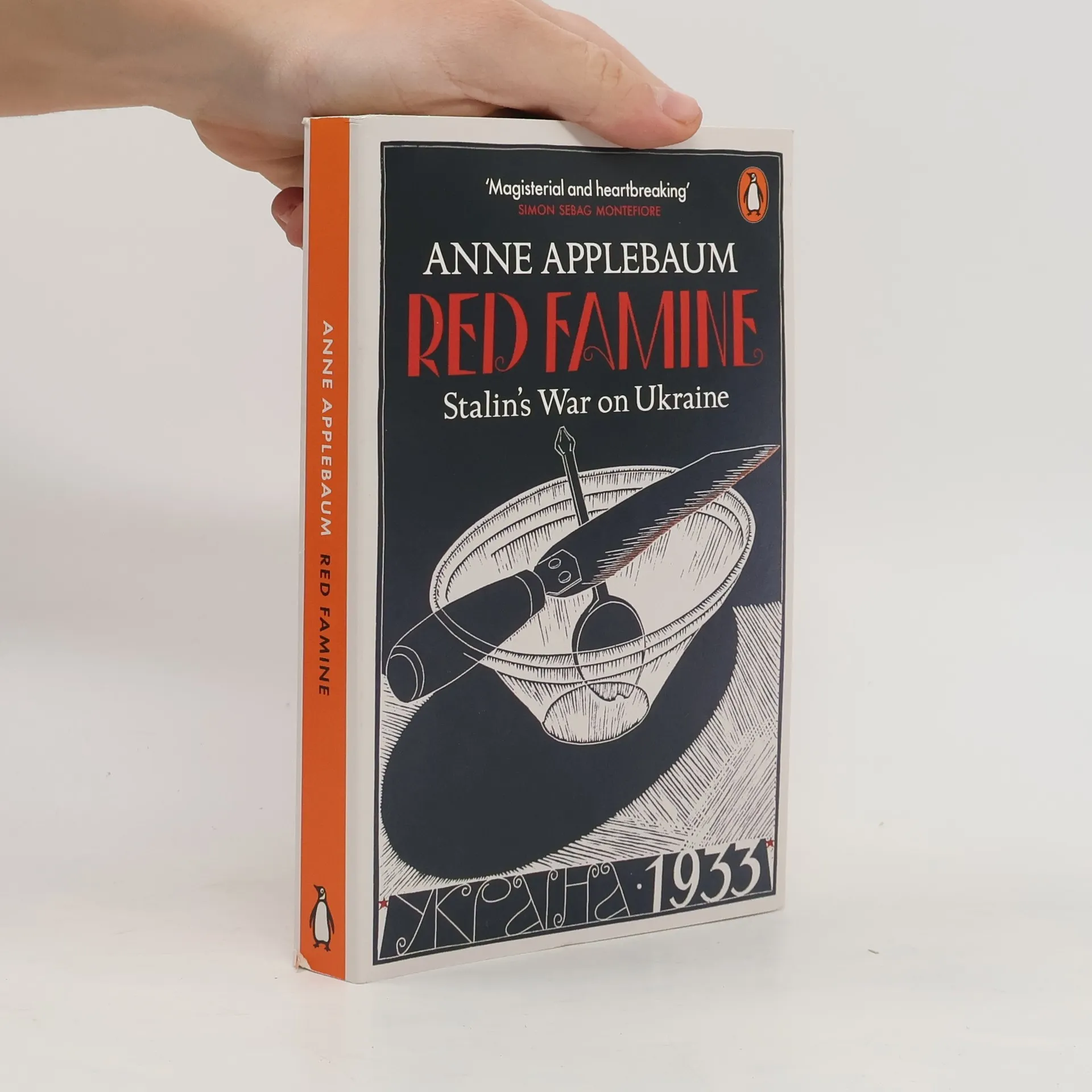
In 1932-33, nearly four million Ukrainians died of starvation, having been deliberately deprived of food. Red Famine shows how this happened, who was responsible, and what the consequences were. The book draws on a mass of archival material and first-hand testimony. It includes accounts by survivors describing what human beings can do when driven mad by hunger. It shows how the Soviet state used propaganda to turn neighbours against each other in order to expunge supposedly 'anti-revolutionary' elements. It also records the actions of extraordinary individuals who did all they could to relieve the suffering. The famine was rapidly followed by an attack on Ukraine's cultural and political leadership - and then by a denial that it had ever happened. The Soviet authorities were determined not only that Ukraine should abandon its national aspirations, but that the country's true history should be buried along with its millions of victims. Red Famine, a triumph of scholarship and human sympathy, is a milestone in the recovery of those memories and that history.
Collects the writings of a diverse group of people who survived imprisonment in the Gulag, recounting their experiences and relationships, and offering insight into the psychological aspects of life in the camps.
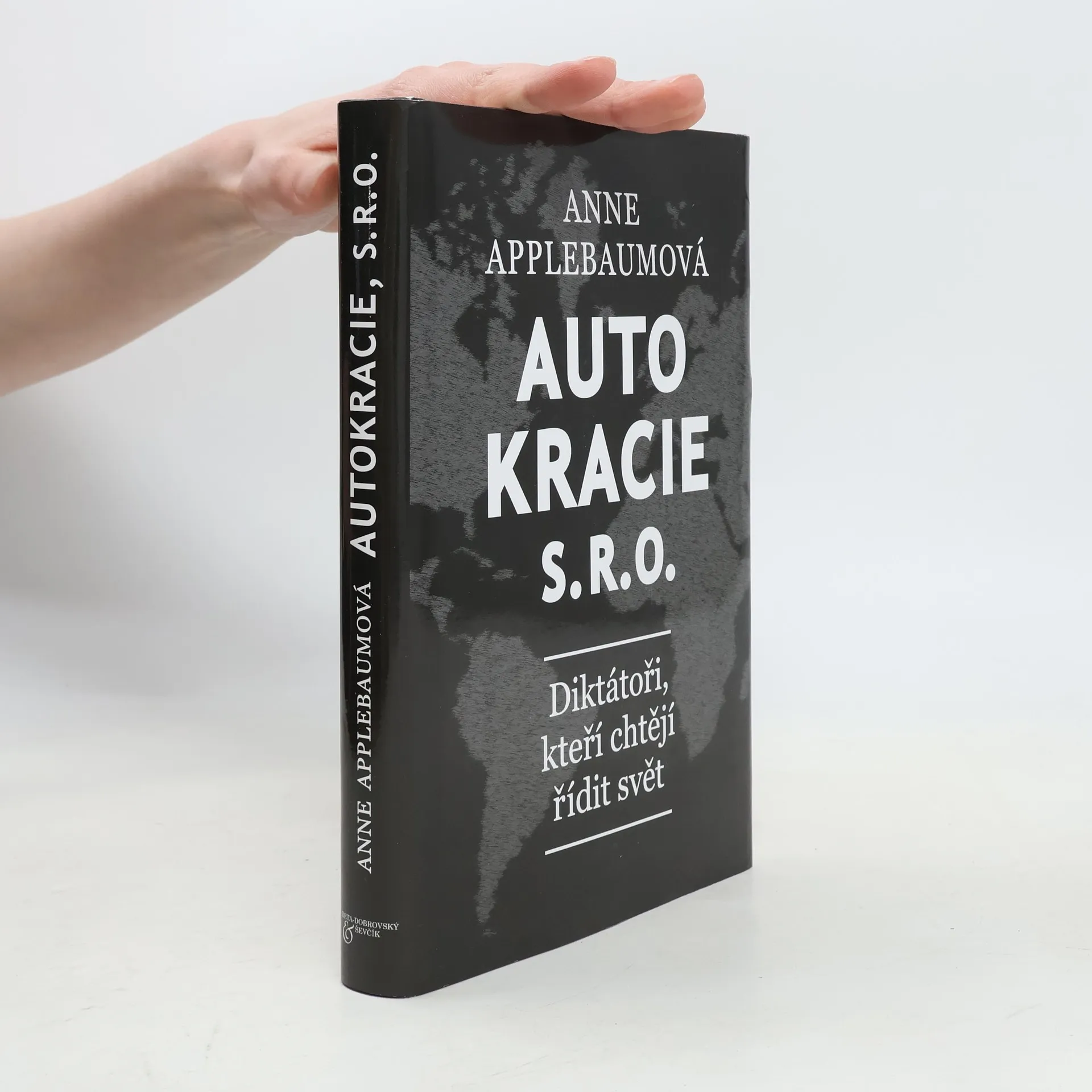
We often envision autocratic states as led by a singular villain, but the reality in the 21st century is far more complex. Today, autocracies are maintained by intricate networks that include kleptocratic financial systems, security forces, and professional propagandists. These networks are interconnected not just within individual nations but across borders, with corrupt, state-controlled enterprises collaborating internationally. Police forces in one country may train and equip those in another, while propagandists share resources and strategies, reinforcing narratives that undermine democracy and vilify America. Unlike historical military or political alliances, this coalition operates not as a unified bloc but as a collection of transactional relationships, known as Autocracy, Inc. Their connections transcend ideological, geographical, and cultural boundaries, united primarily by a mutual disdain for democratic societies and a desire to destabilize their values and systems. This book explores the origins, mechanics, and persistence of these autocratic networks, as well as the unintended support they receive from the democratic world, and offers insights into how we might effectively challenge and dismantle them.
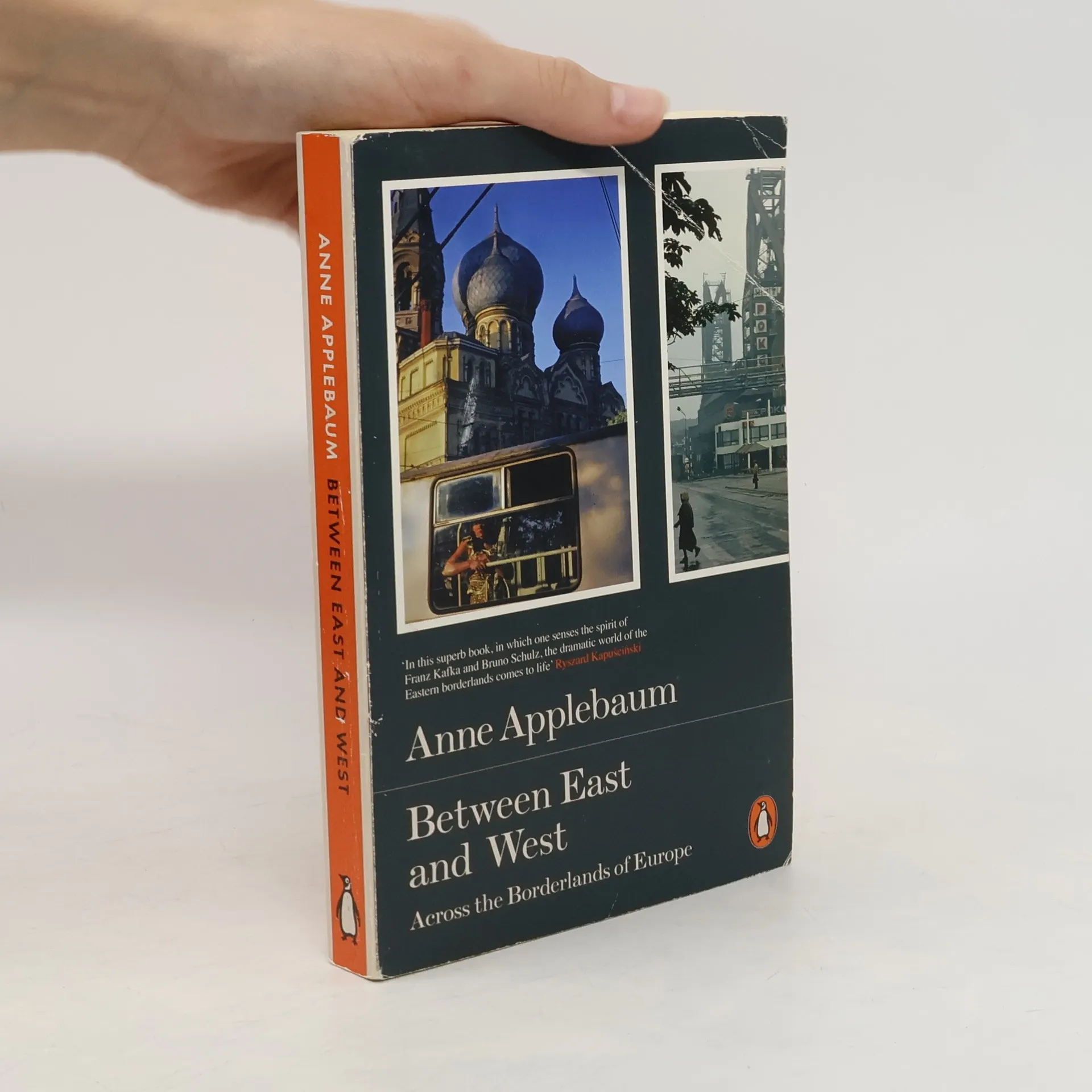
As Europe's borderlands emerged from Soviet rule, Anne Applebaum travelled from the Baltic to the Black Sea, through Lithuania, Belarus, Ukraine and the Carpathian mountains. Rich in vivid characters and stories of tragedy and survival, Between East and West illuminates the soul of a place, and the secret history of its people
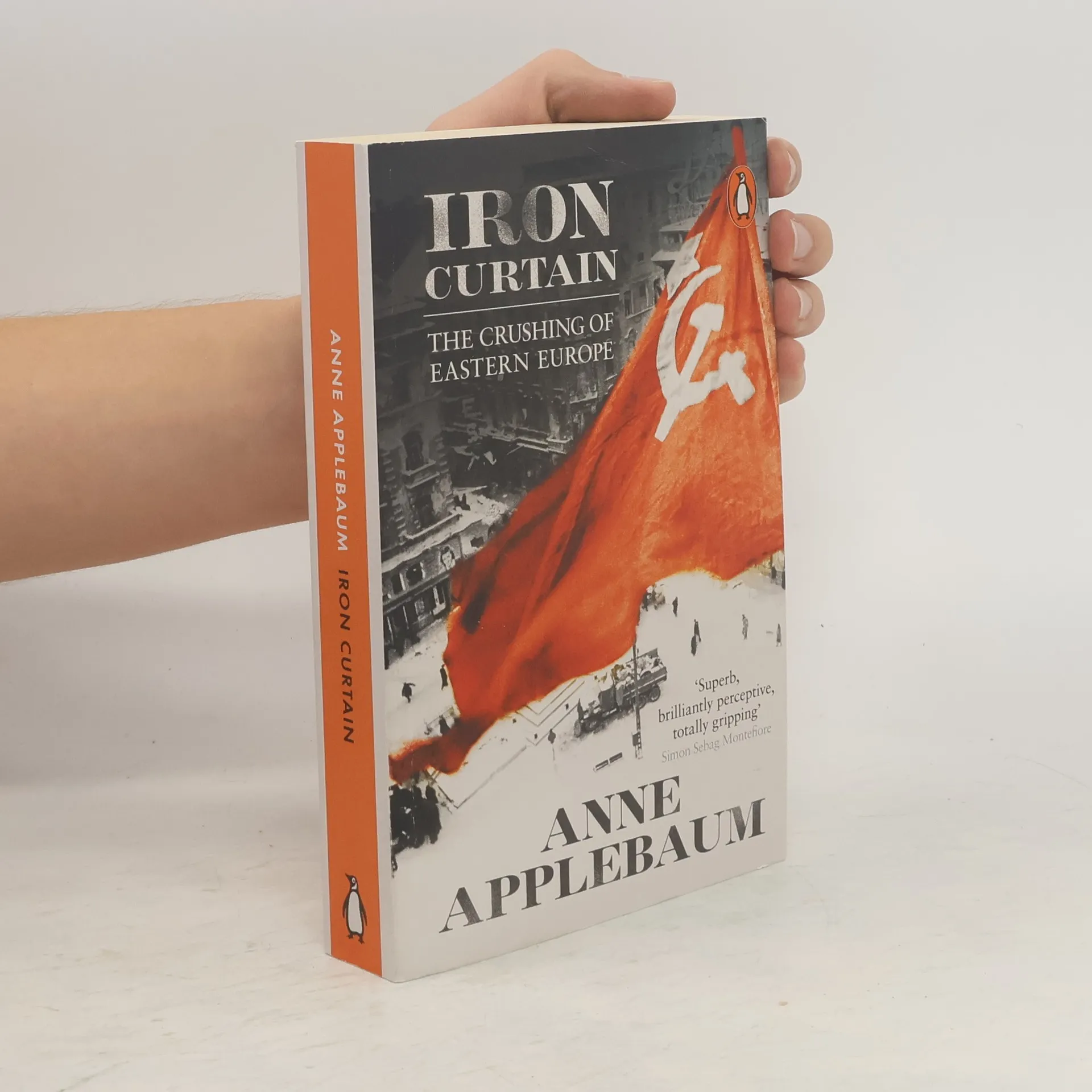
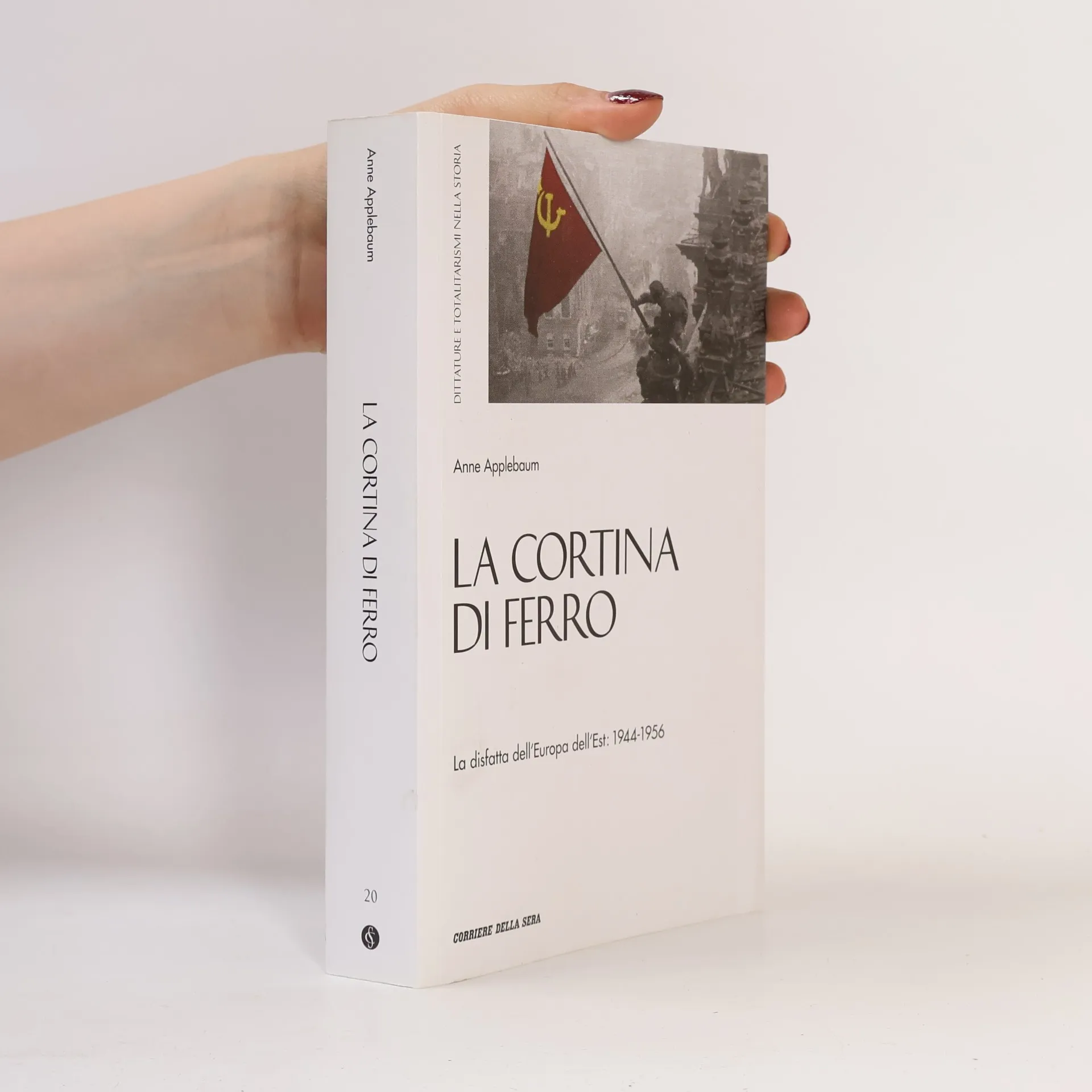
At the end of the Second World War, the Soviet Union unexpectedly found itself in control of a huge swathe of territory in Eastern Europe. Stalin and his secret police set out to convert a dozen radically different countries to a completely new political and moral system- Communism. Anne Applebaum's landmark history of this brutal time shows how societies were ruthlessly eviscerated by Communist regimes, how opposition was destroyed and what life was like for ordinary people who had to choose whether to fight, to flee or to collaborate. Iron Curtainis an exceptional work of historical and moral reckoning, and a haunting reminder of how fragile freedom can be. Chosen 16 times as a 'Book of the Year' - The top Non-Fiction pick of 2012'The best work of modern history I have ever read.' A. N. Wilson, Financial Times'The outstanding book of the year . . . a masterpiece.' Oliver Kamm, The Times, Books of the Year 'Exceptionally important, wise, perceptive, remarkably objective.' Antony Beevor 'Explains in a manner worthy of Arthur Koestler what totalitarianism really means . . . it is a window into a world of lies and evil that we can hardly imagine.' Edward Lucas, Standpoint 'At last the story can be told . . . a magisterial history.' Orlando Figes, Mail on Sunday
A FINANCIAL TIMES, ECONOMIST AND NEW STATESMAN BOOK OF THE YEAR 2020 'The most important non-fiction book of the year' David Hare In the years just before and after the fall of the Berlin Wall, people from across the political spectrum in Europe and America celebrated a great achievement, felt a common purpose and, very often, forged personal friendships. Yet over the following decades the euphoria evaporated, the common purpose and centre ground gradually disappeared, extremism rose once more and eventually - as this book compellingly relates - the relationships soured too. Anne Applebaum traces this history in an unfamiliar way, looking at the trajectories of individuals caught up in the public events of the last three decades. When politics becomes polarized, which side do you back? If you are a journalist, an intellectual, a civic leader, how do you deal with the re-emergence of authoritarian or nationalist ideas in your country? When your leaders appropriate history, or pedal conspiracies, or eviscerate the media and the judiciary, do you go along with it? Twilight of Democracy is an essay that combines the personal and the political in an original way and brings a fresh understanding to the dynamics of public life in Europe and America, both now and in the recent past.
Das neue Buch der Pulitzer-Preisträgerin
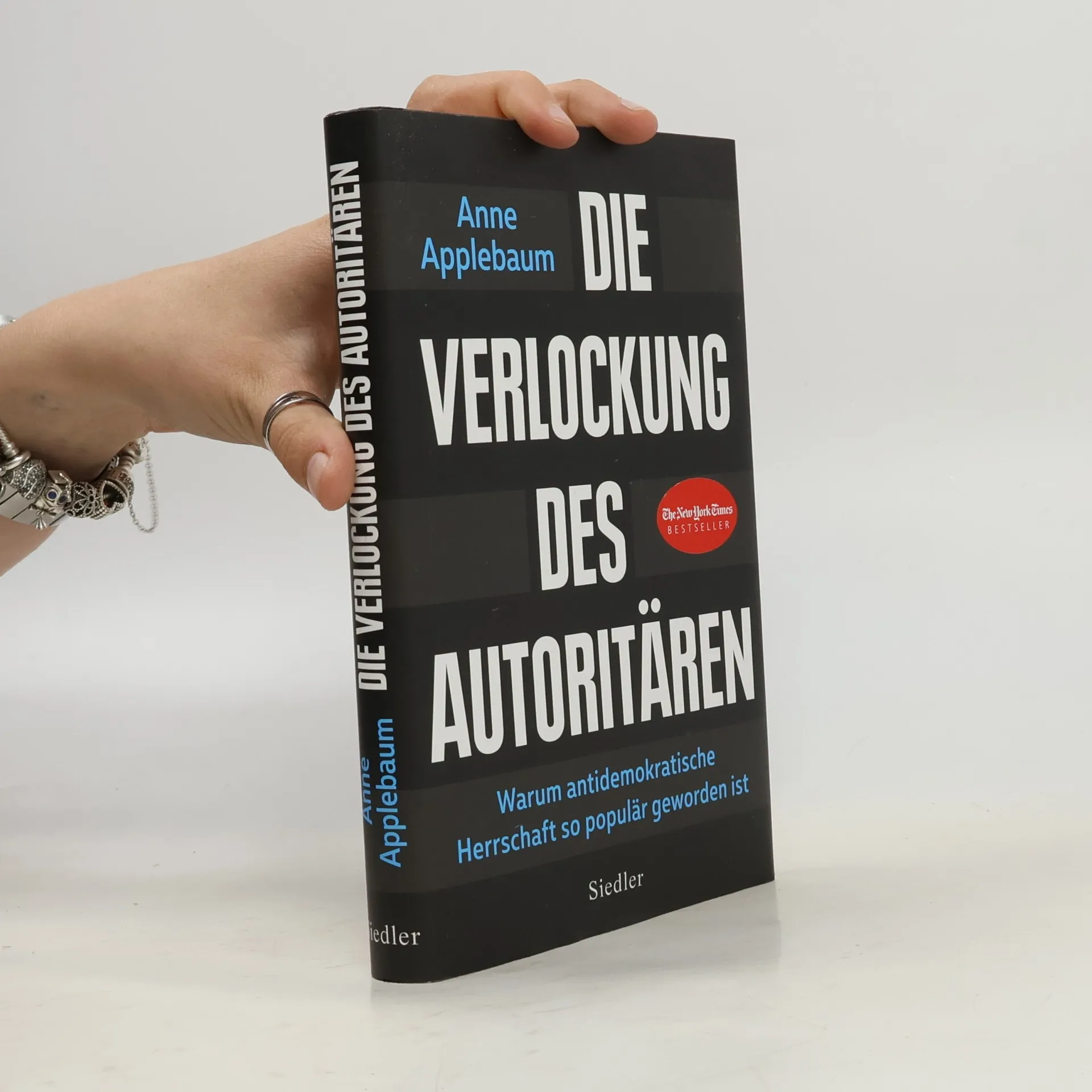
Die Erschütterung der liberalen Demokratie überall auf der Welt wird gern mit der Schwäche der westlichen Werteordnung erklärt. Die Pulitzer-Preisträgerin Anne Applebaum geht dem Phänomen auf andere Weise auf den Grund. Sie fragt: Was macht für viele Menschen die Rückkehr zu autoritären, anti-demokratischen Herrschaftsformen so erstrebenswert? Was genau treibt all die Wähler, Unterstützer und Steigbügelhalter der Anti-Demokraten an? An vielen Beispielen – von Boris Johnson über die spanischen Nationalisten bis zur Corona-Diktatur in Ungarn – und aus persönlicher Erfahrung zeigt sie, welche Bedeutung dabei soziale Medien, Verschwörungstheorien und Nostalgie haben, welche materiellen Interessen ins Spiel kommen und wie nicht zuletzt Elitenbashing und Aufstiegsverheißungen die Energien der vermeintlich Unterprivilegierten befeuern. Ein brillanter Streifzug durch ein Europa, das sich auf erschreckende Weise nach harter Hand und starkem Staat (zurück)sehnt.
Anne Applebaums großes Werk über die totalitäre Herrschaft im Osten Europas nach 1945 Wie begann die Unterdrückung Osteuropas? In ihrem Buch erzählt Anne Applebaum, wie der östliche Teil des Kontinents nach Ende des Zweiten Weltkriegs hinter dem Eisernen Vorhang verschwand. Auf Basis umfangreicher Archivrecherchen und Gesprächen mit zahlreichen Zeitzeugen zeigt sie eindrucksvoll, wie systematisch und brutal sowjetische Truppen und einheimische Kommunisten in den Ländern Osteuropas stalinistische Diktaturen errichteten und was dies für die Menschen dort bedeutete. Ausstattung: mit Abbildungen