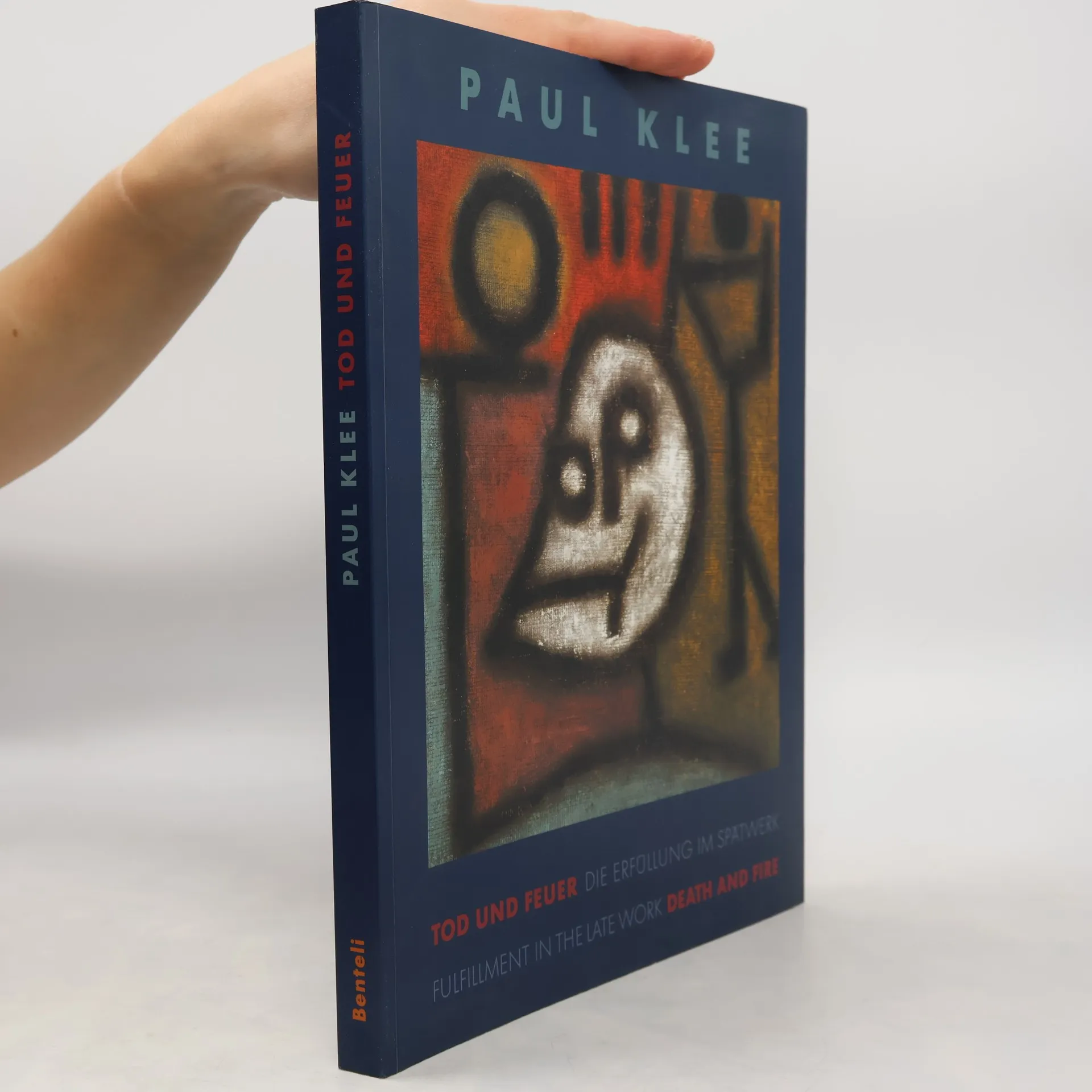
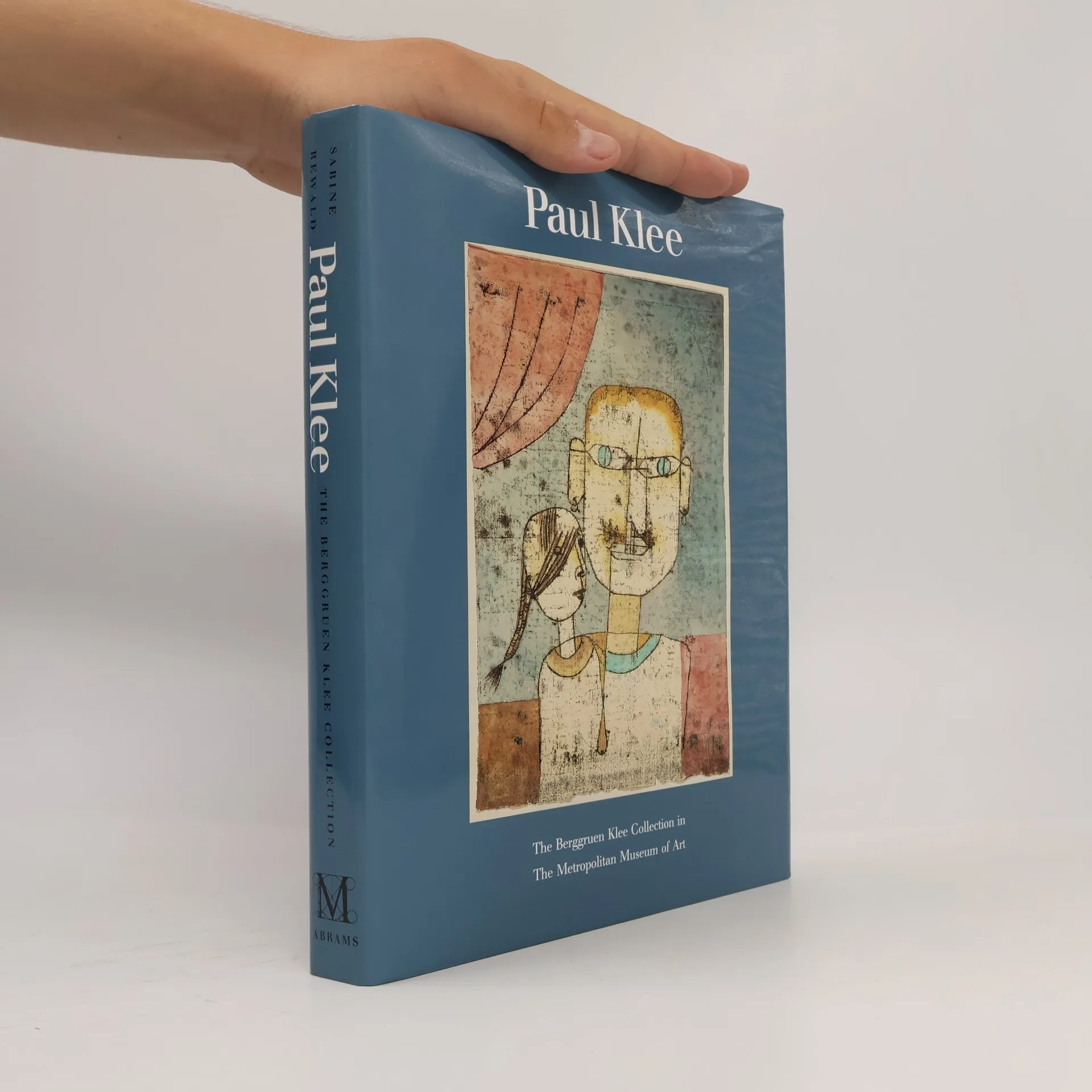
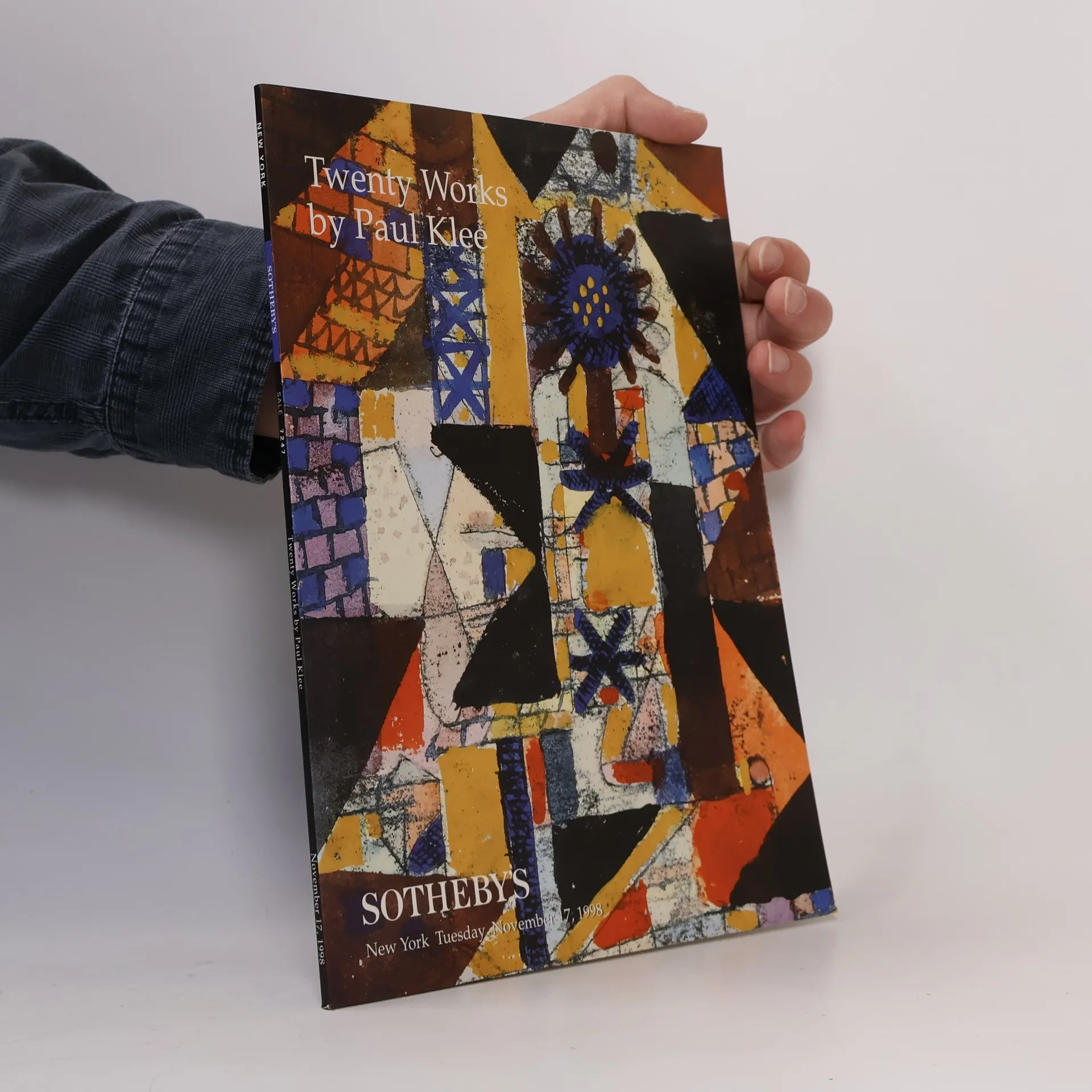
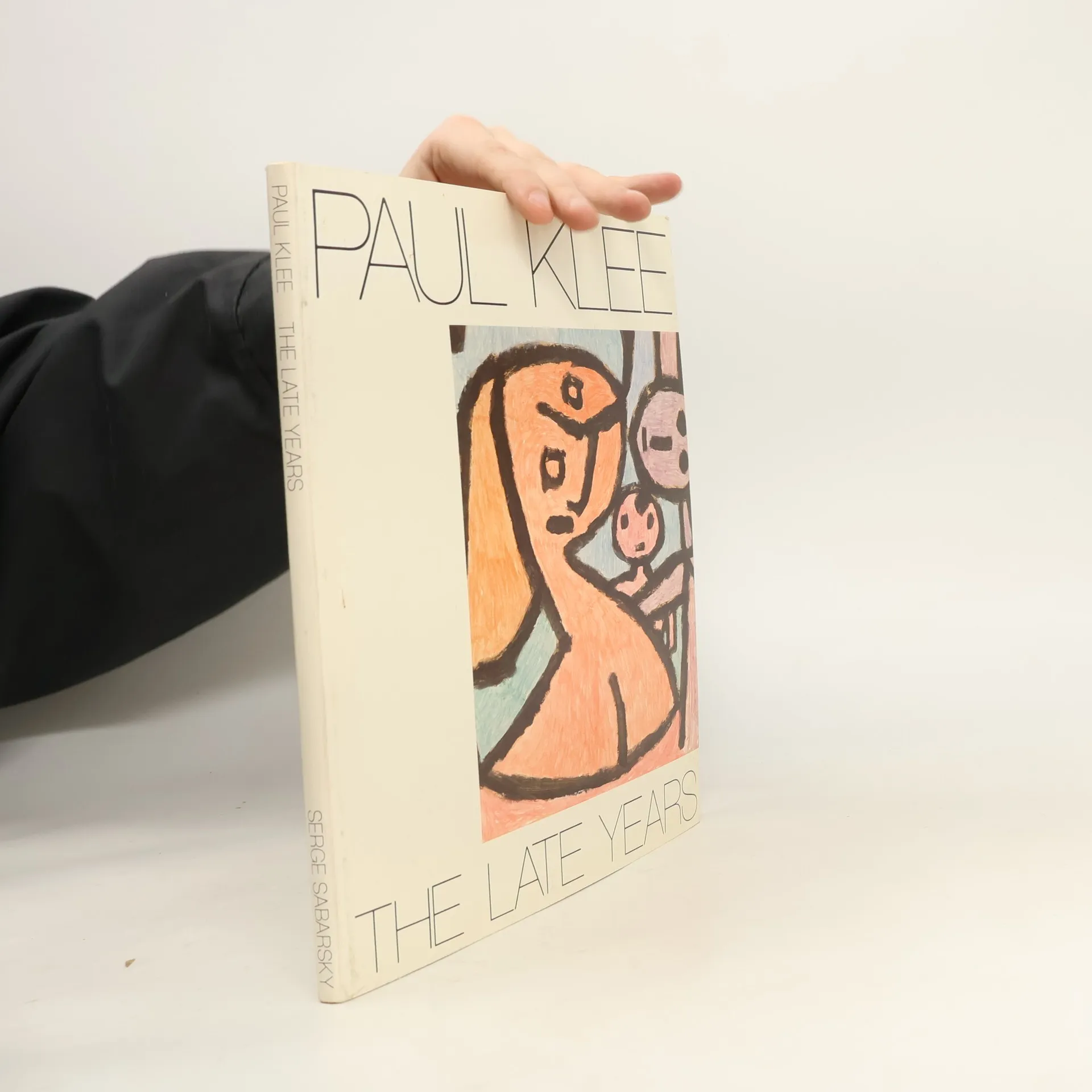
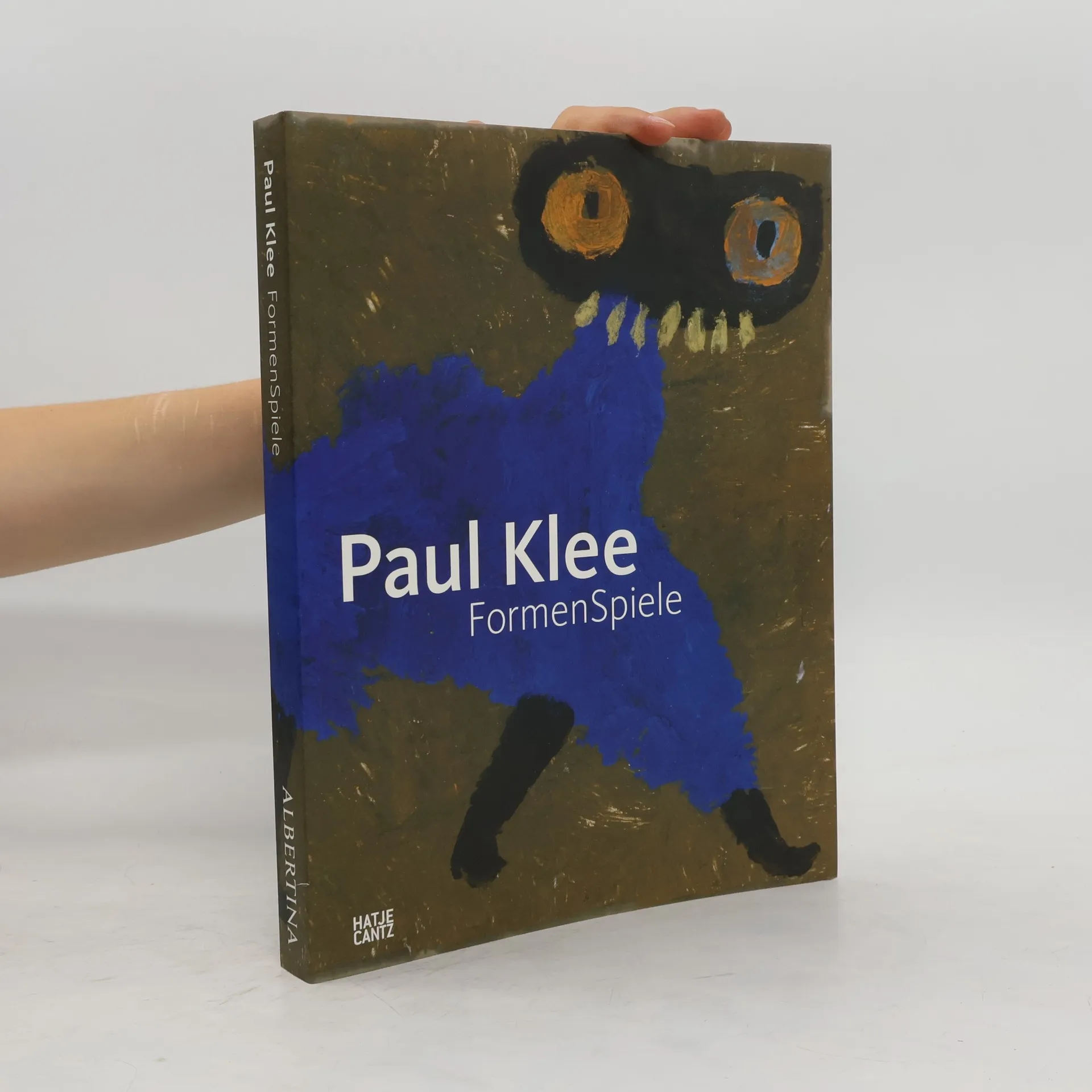
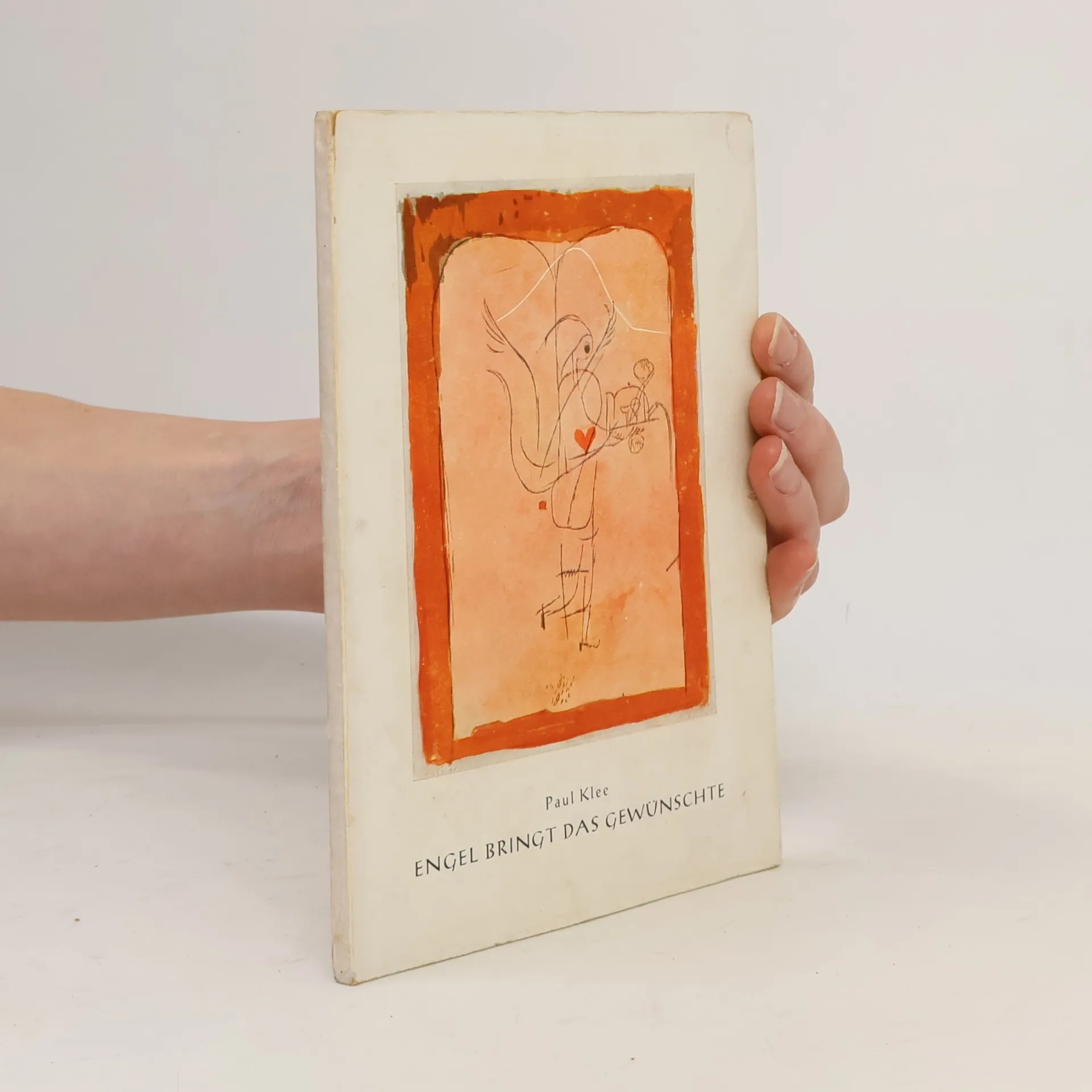
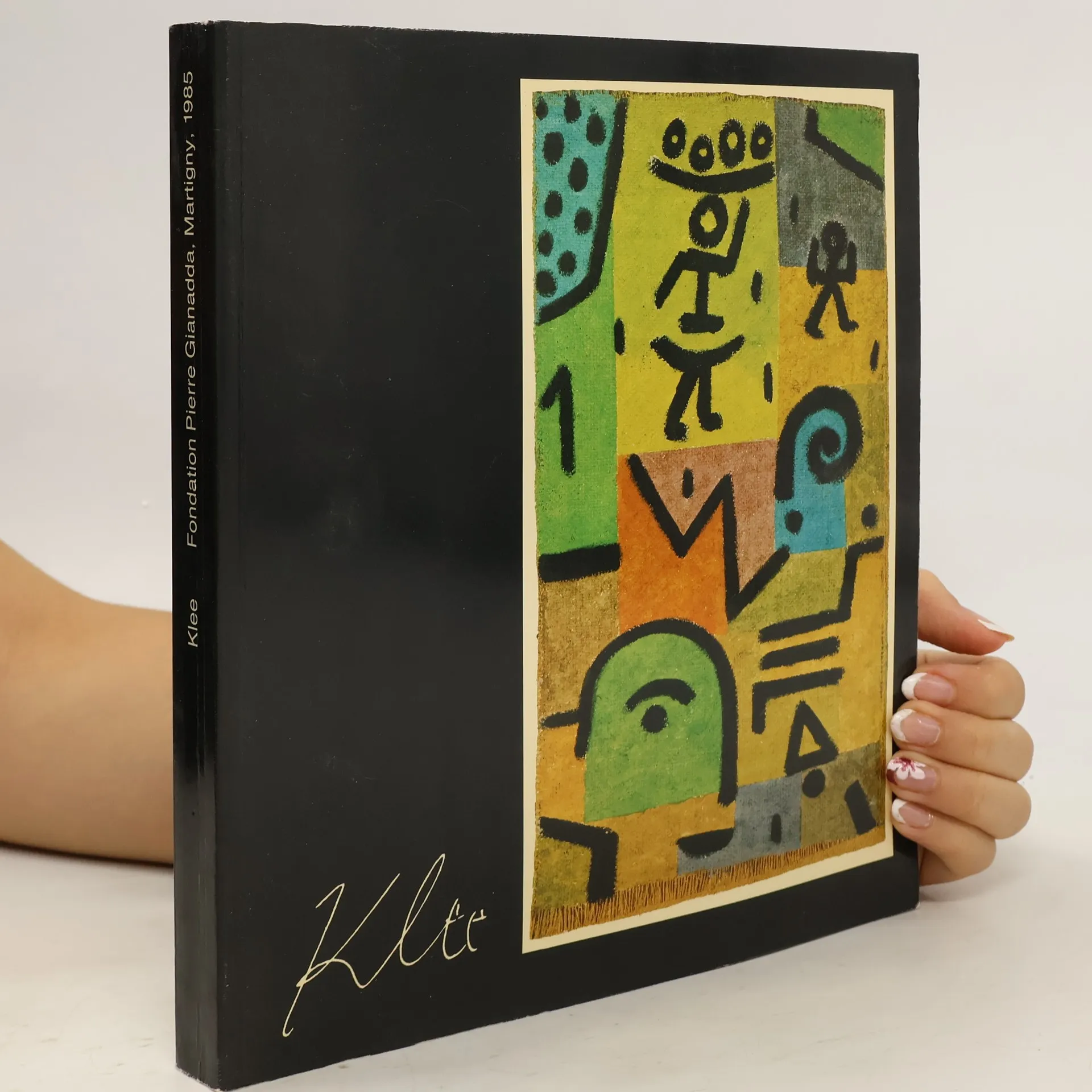
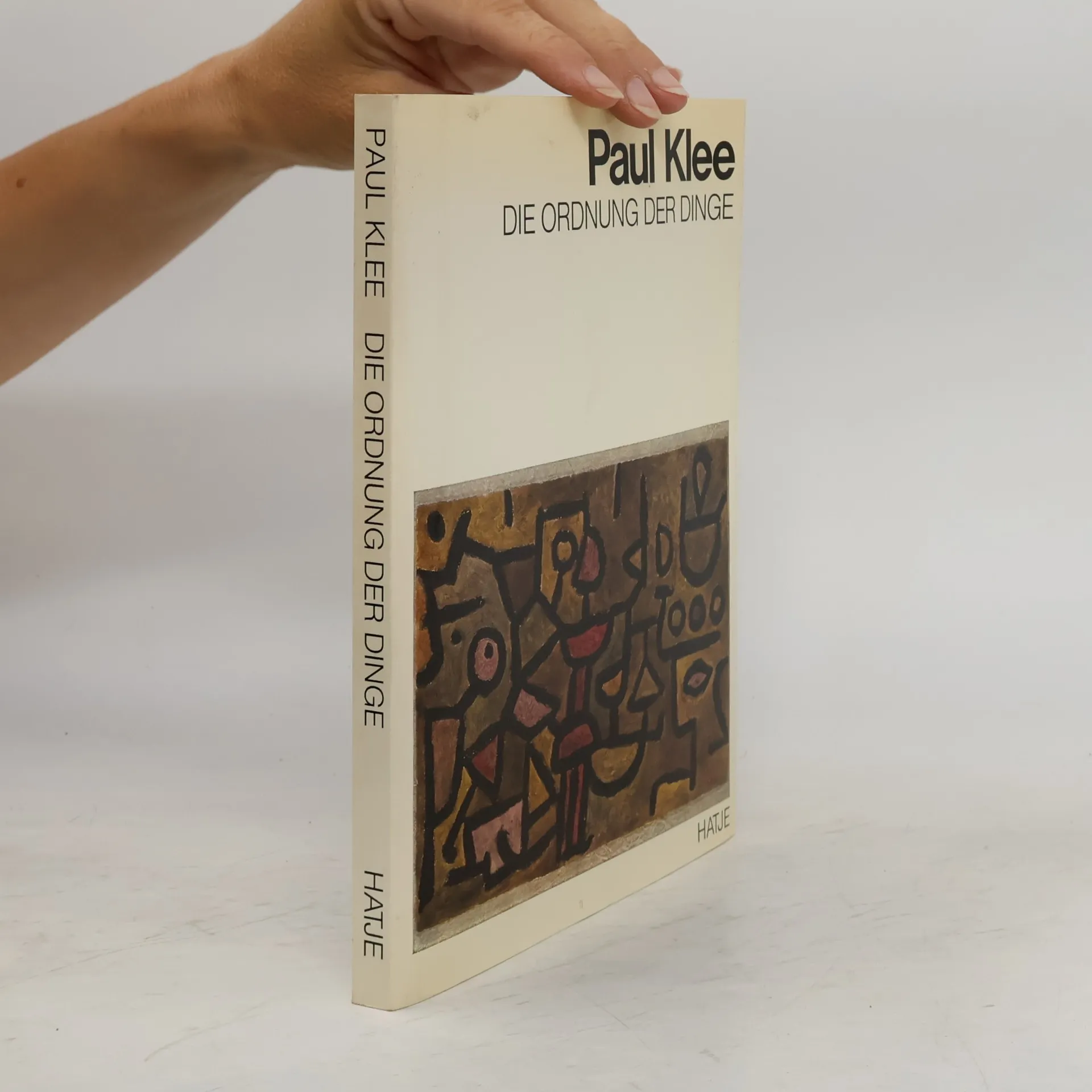
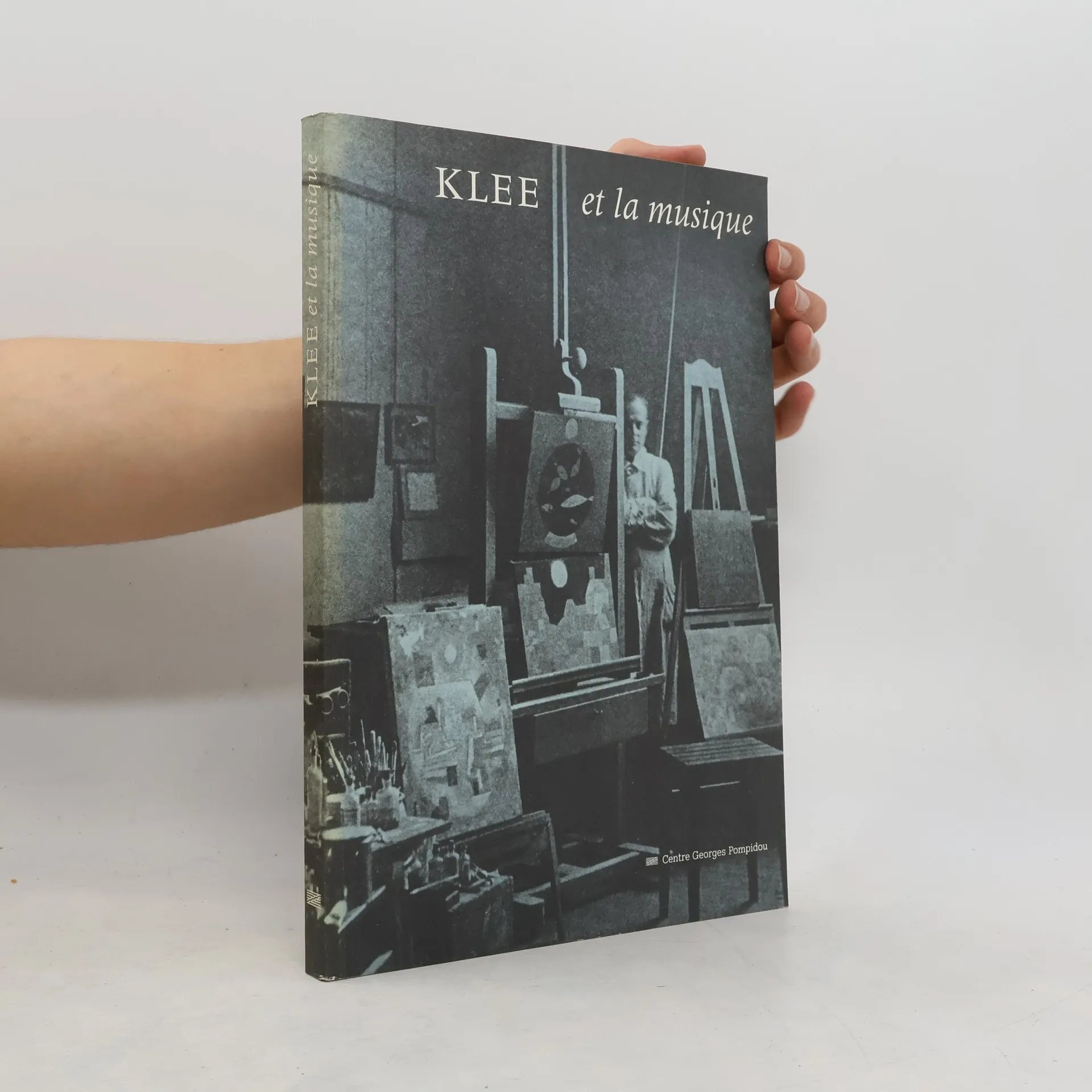
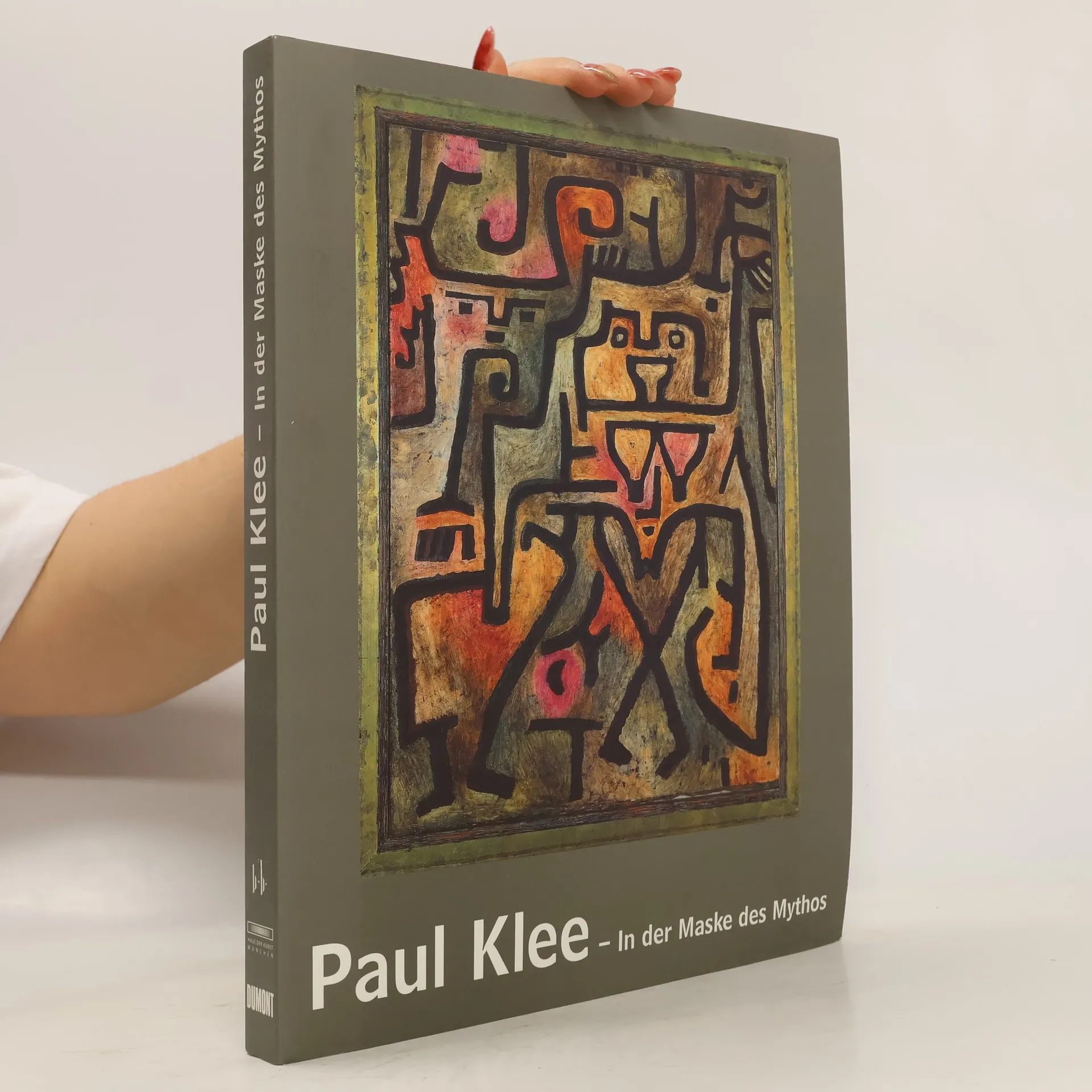
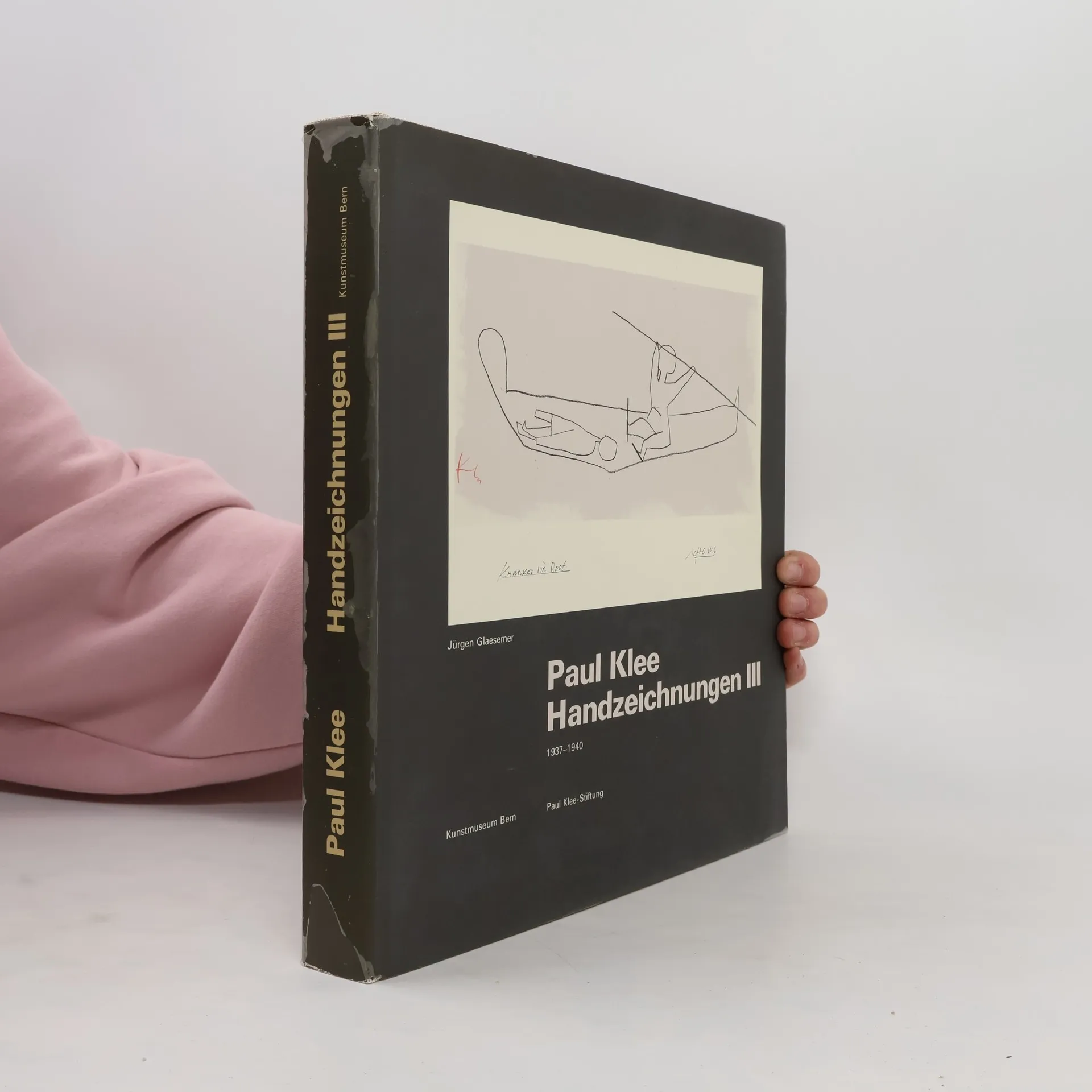
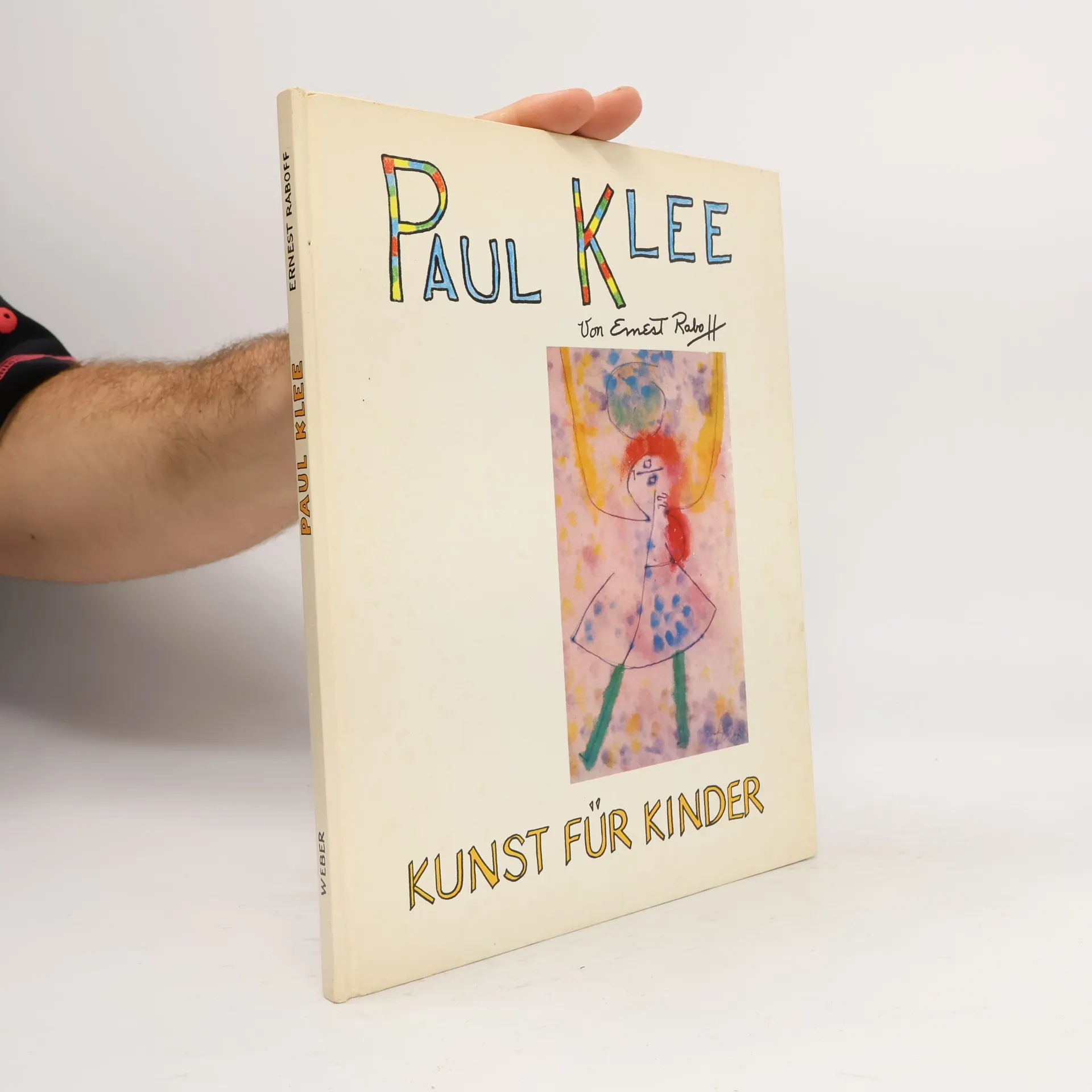
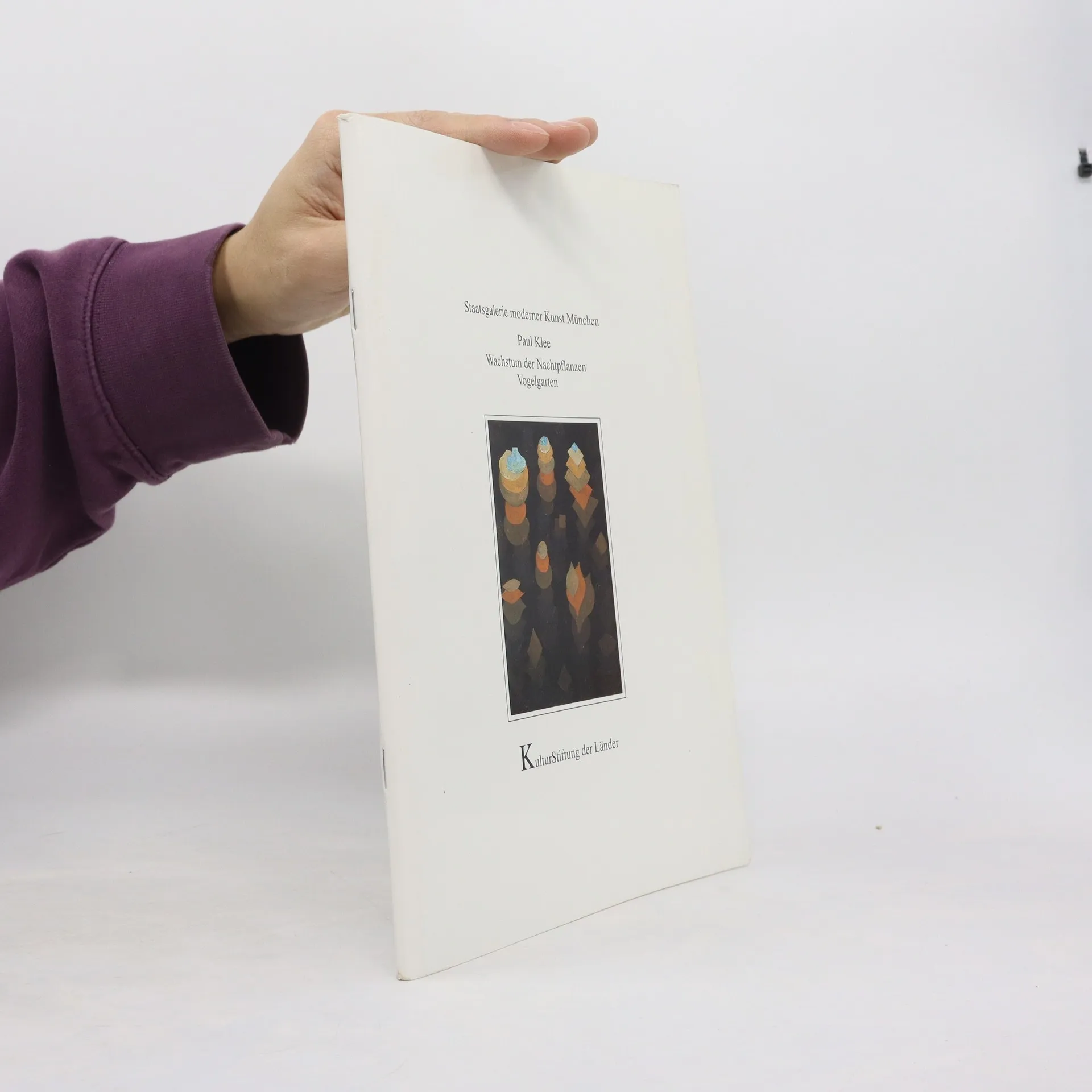
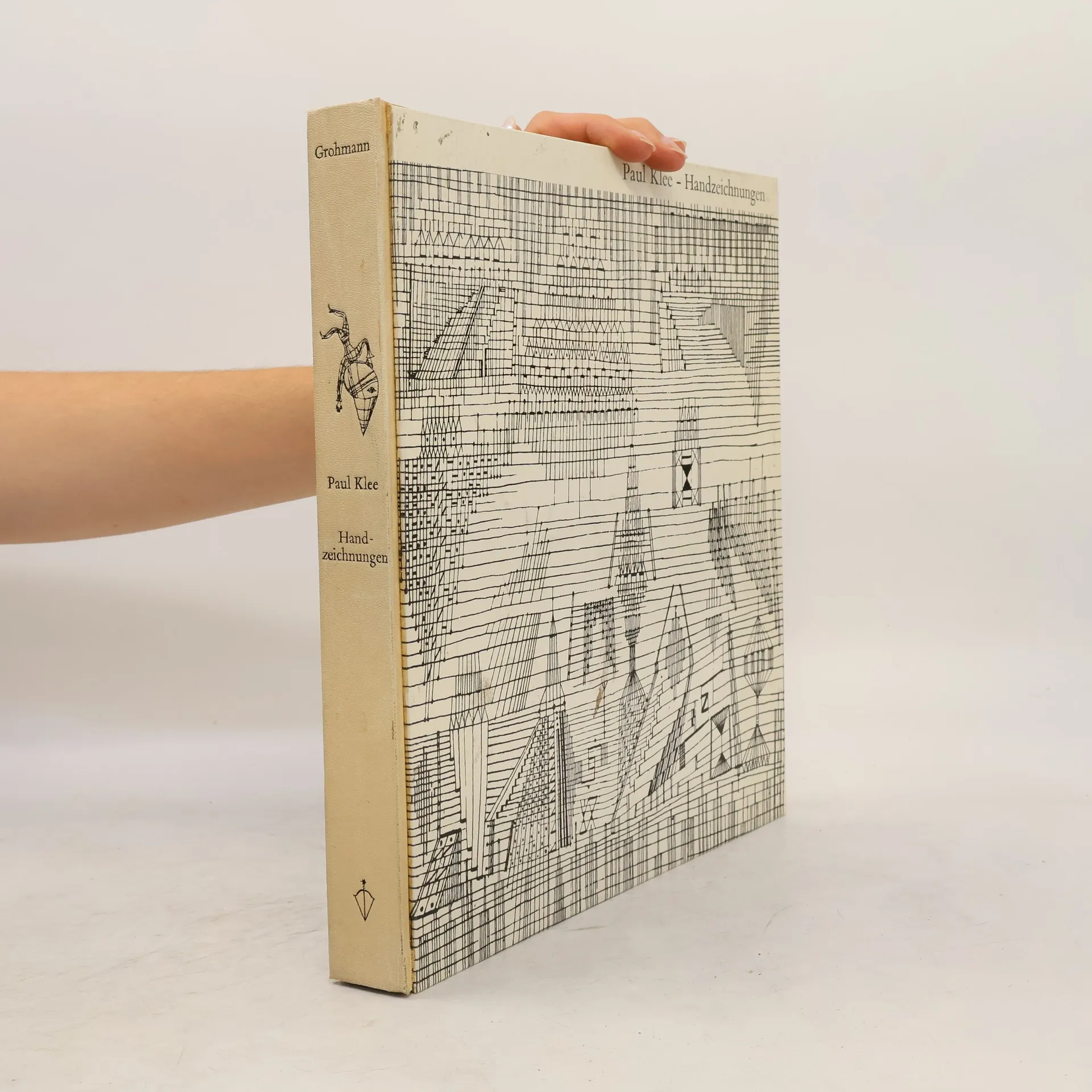
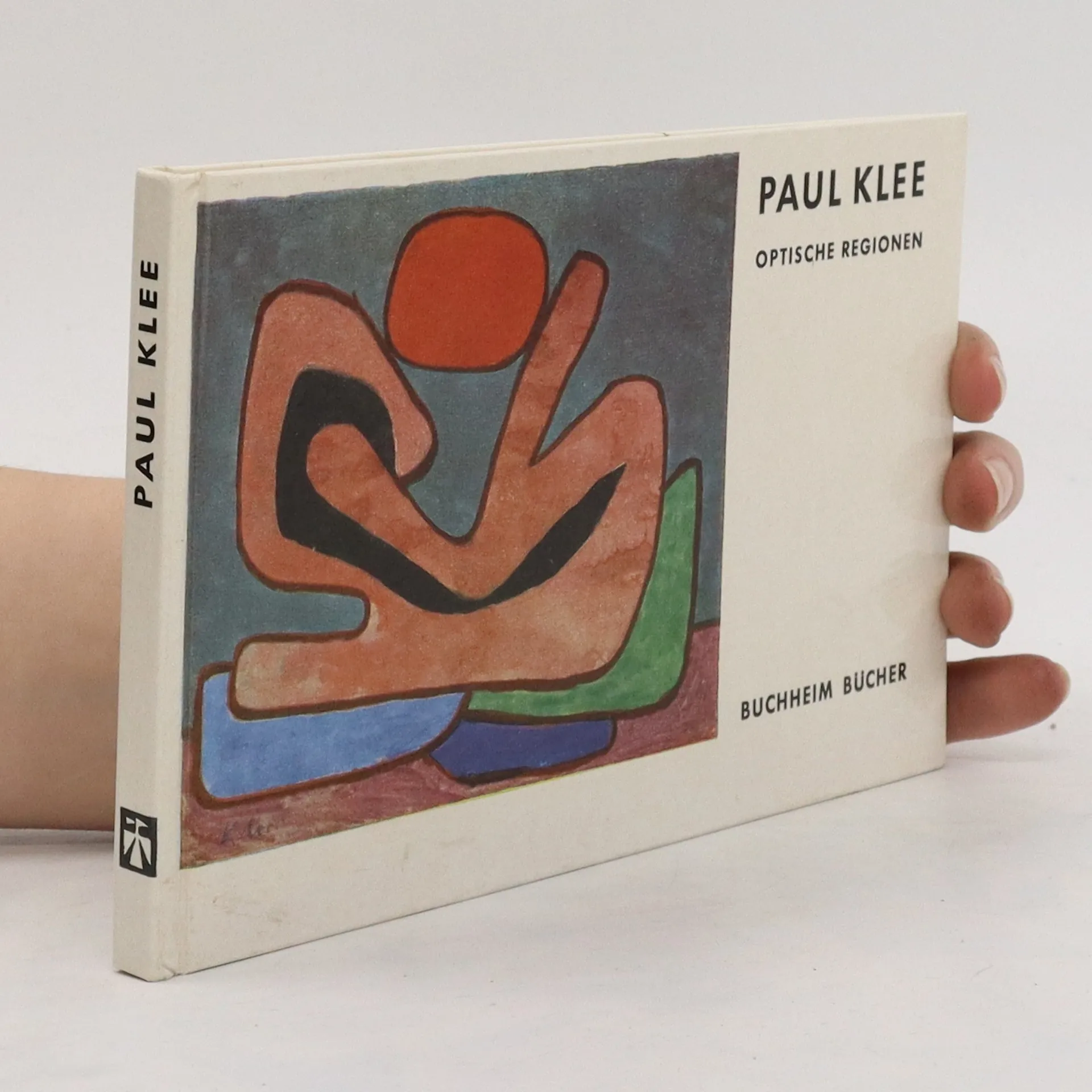
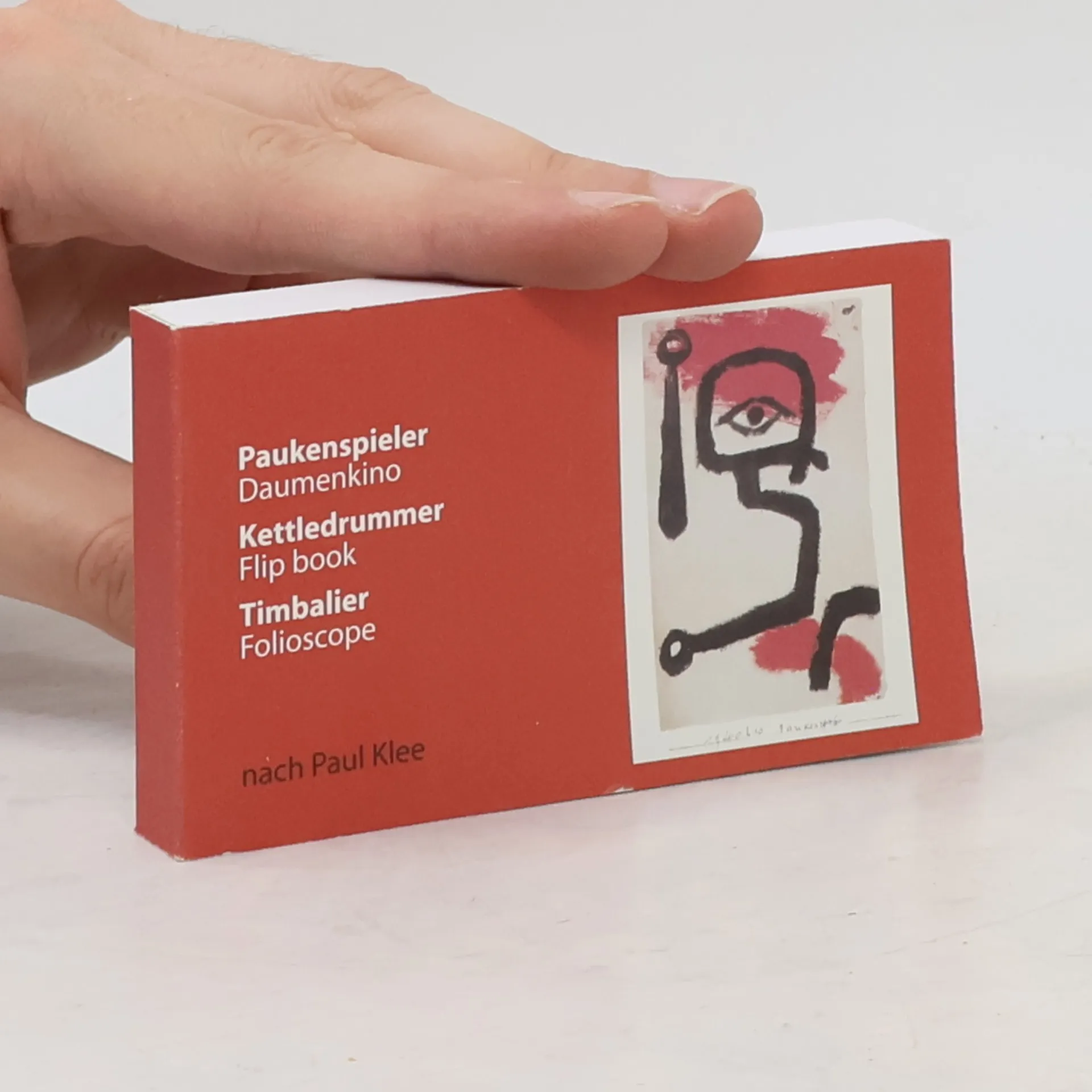
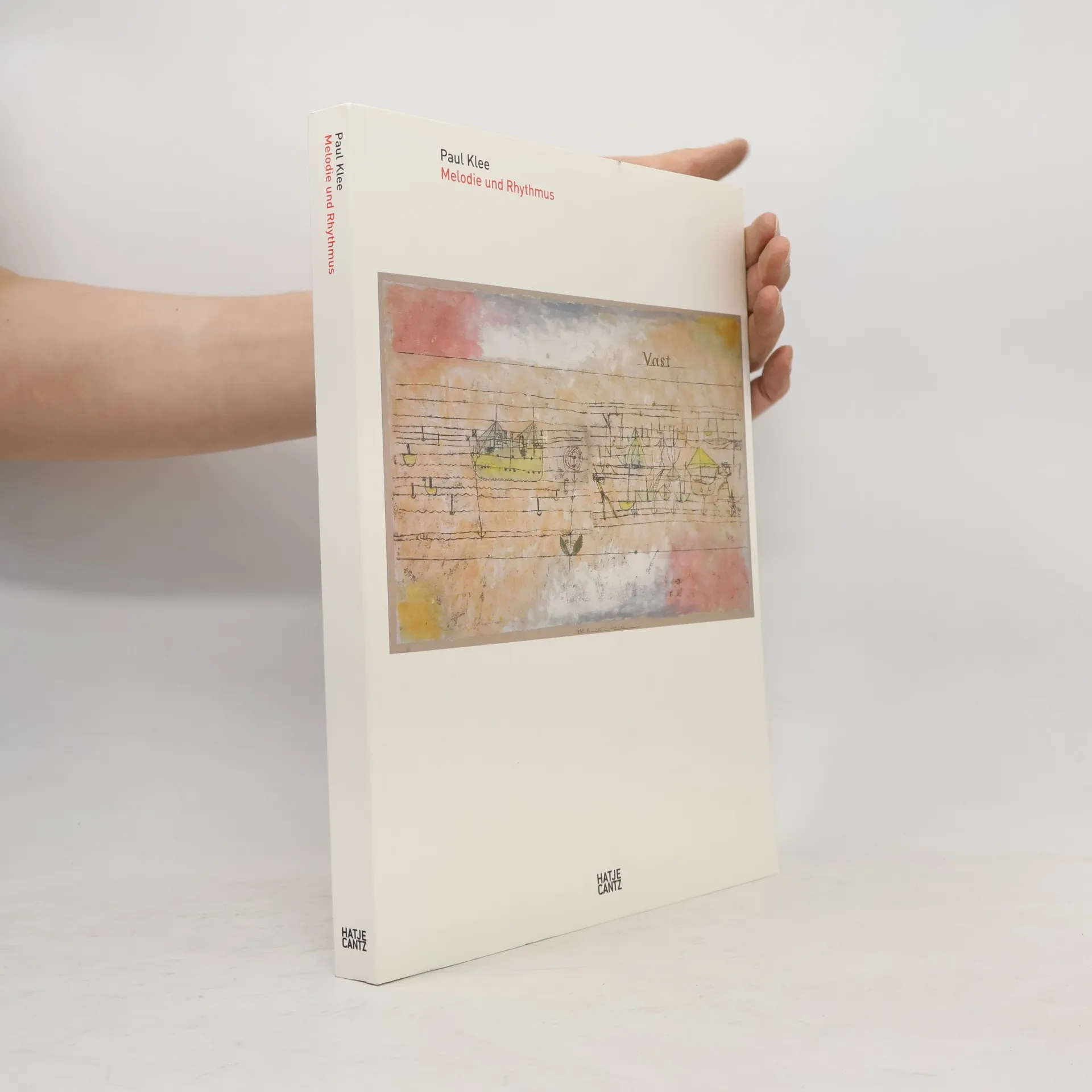
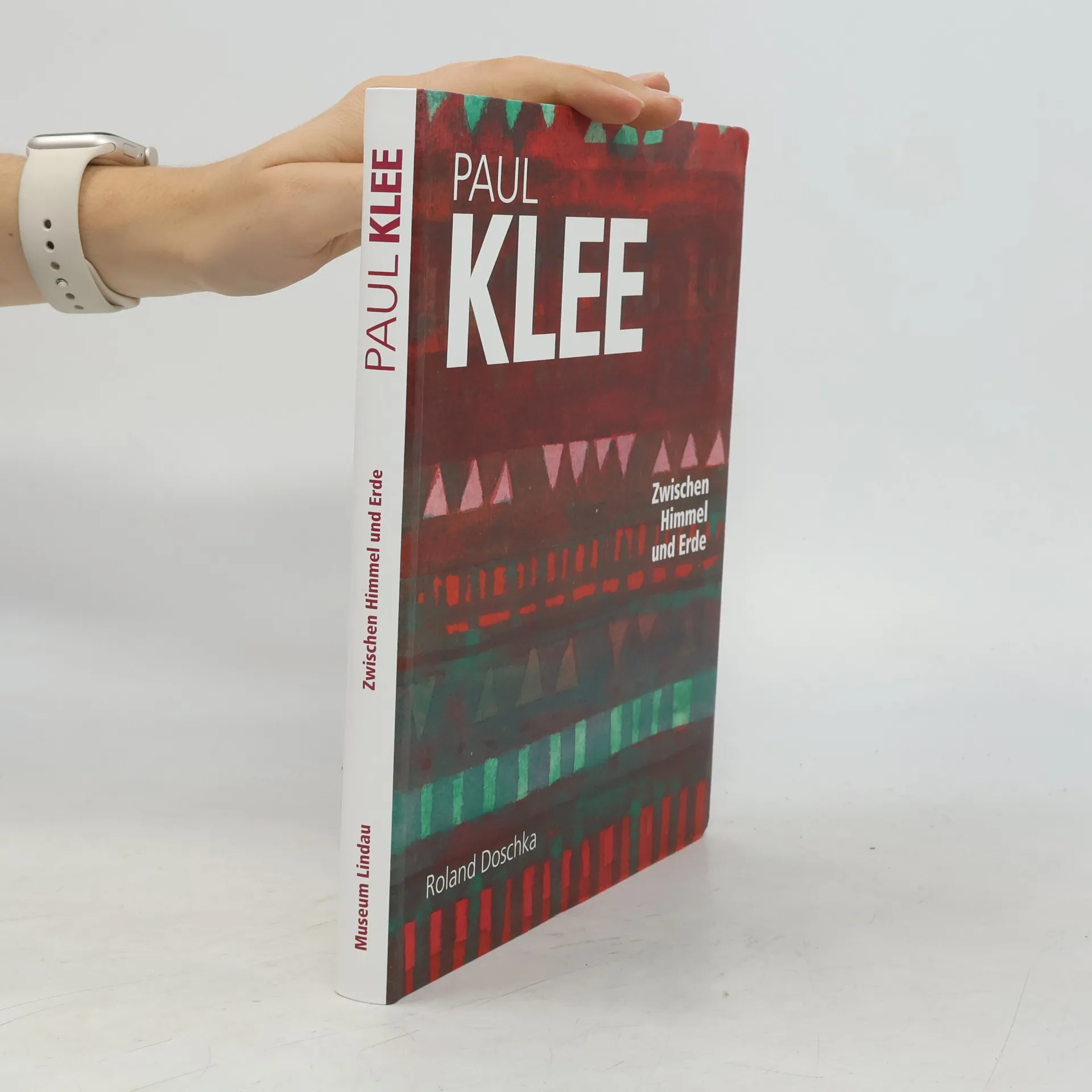
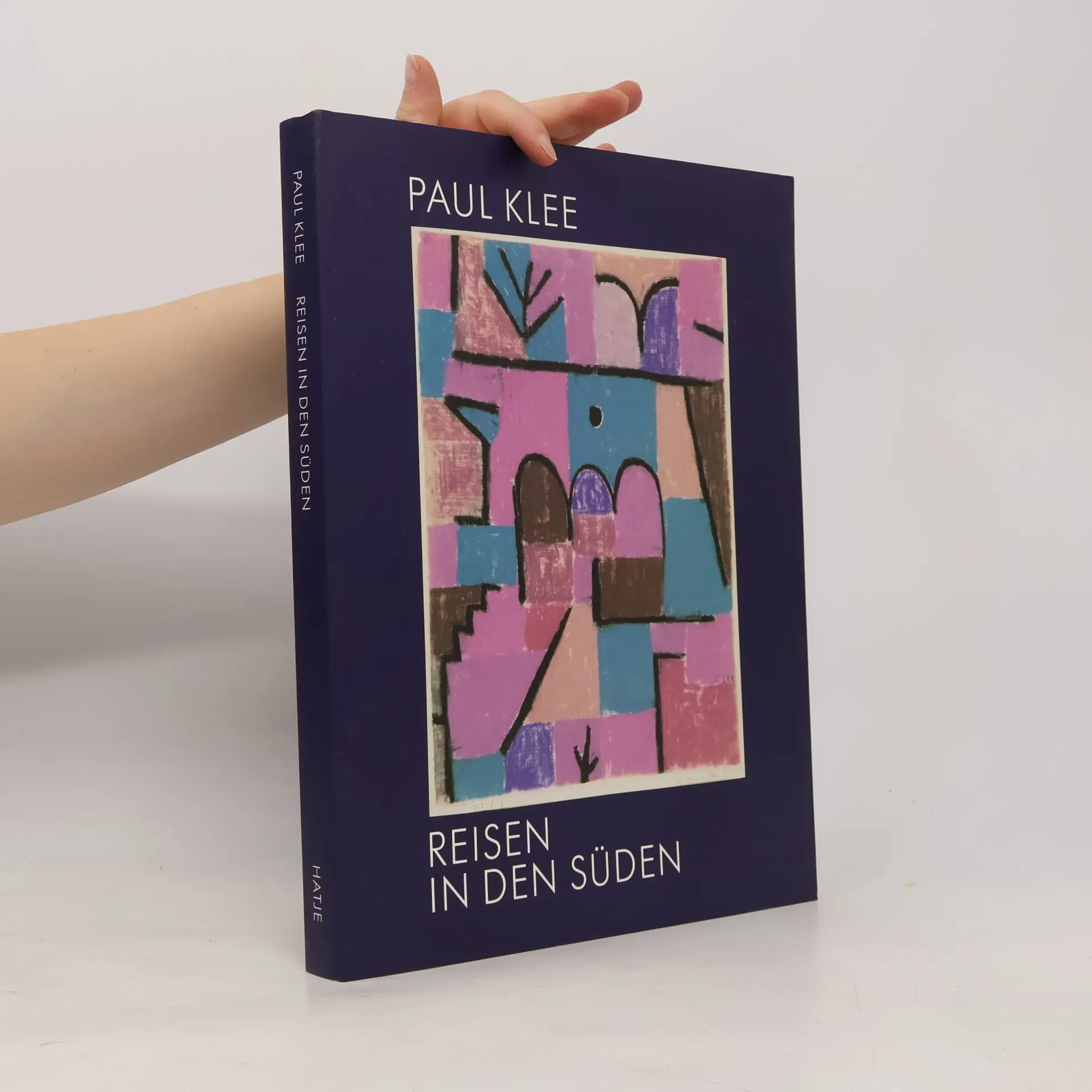
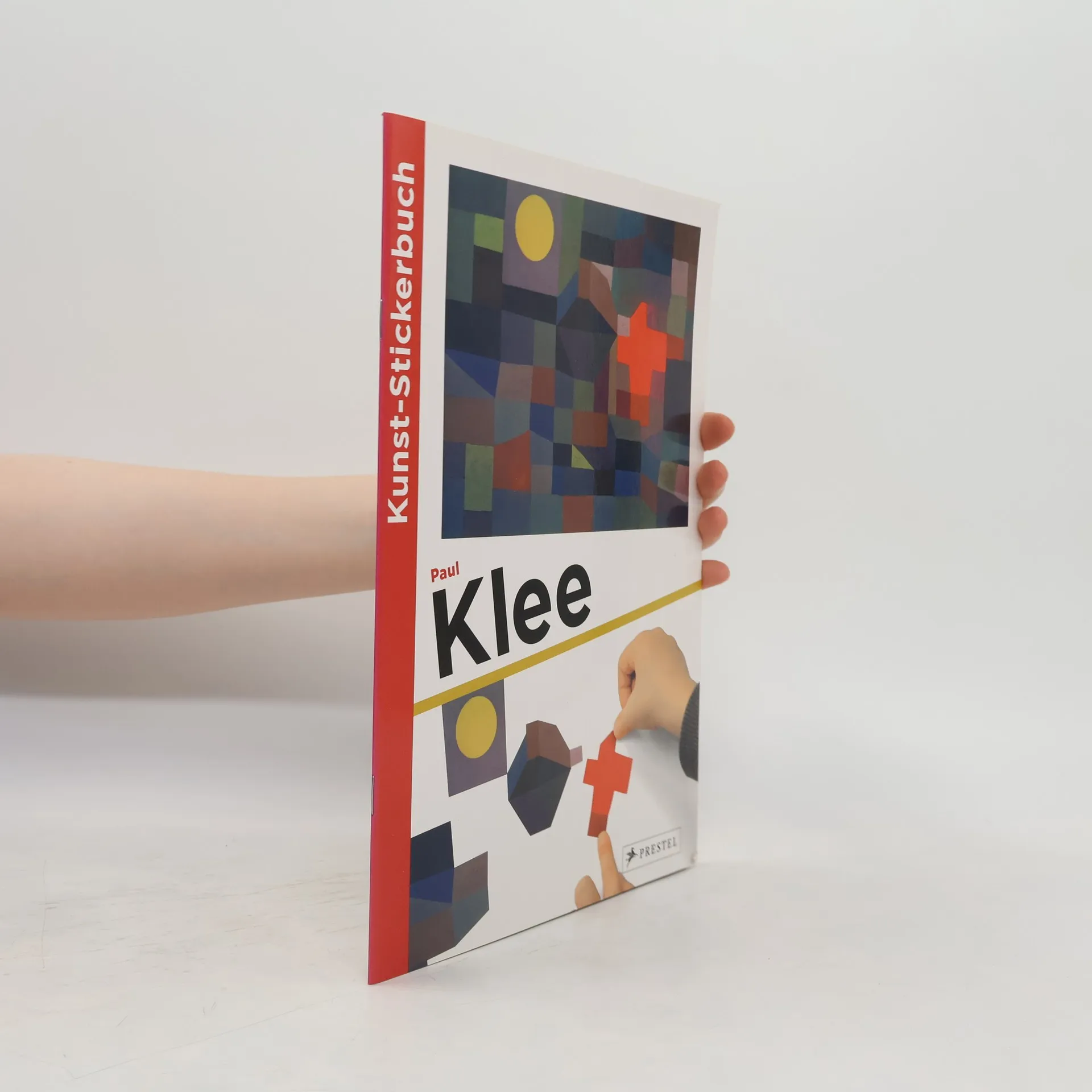
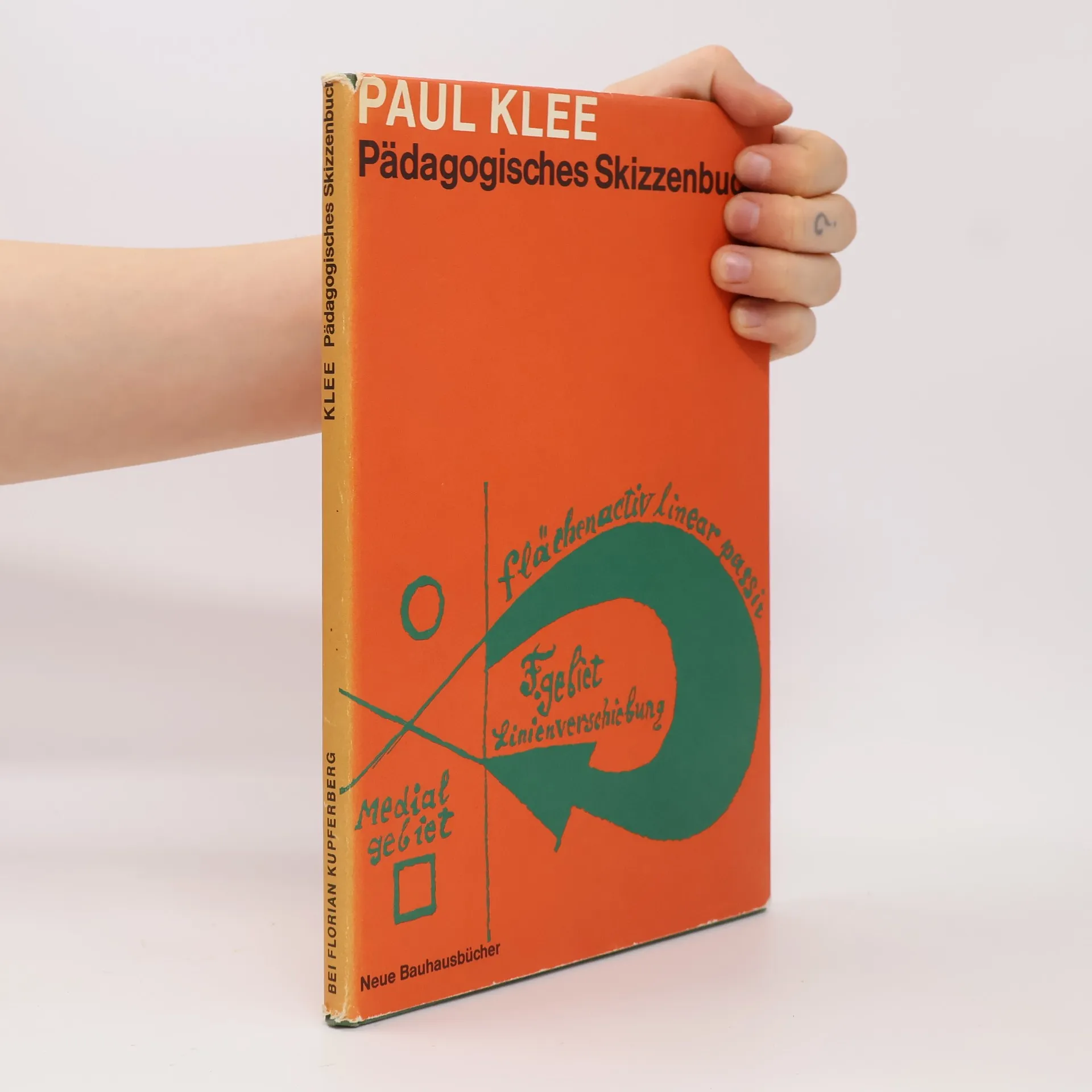
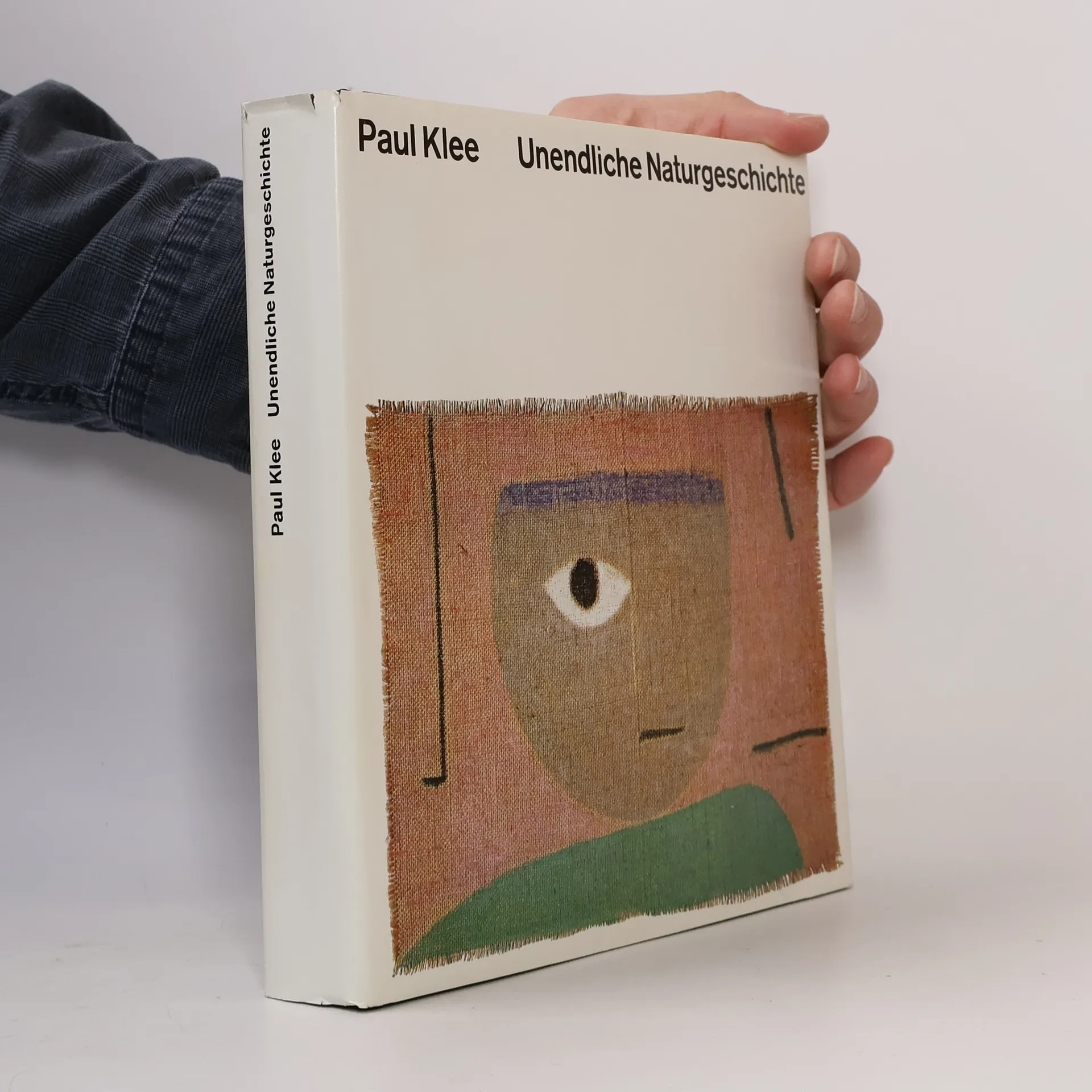
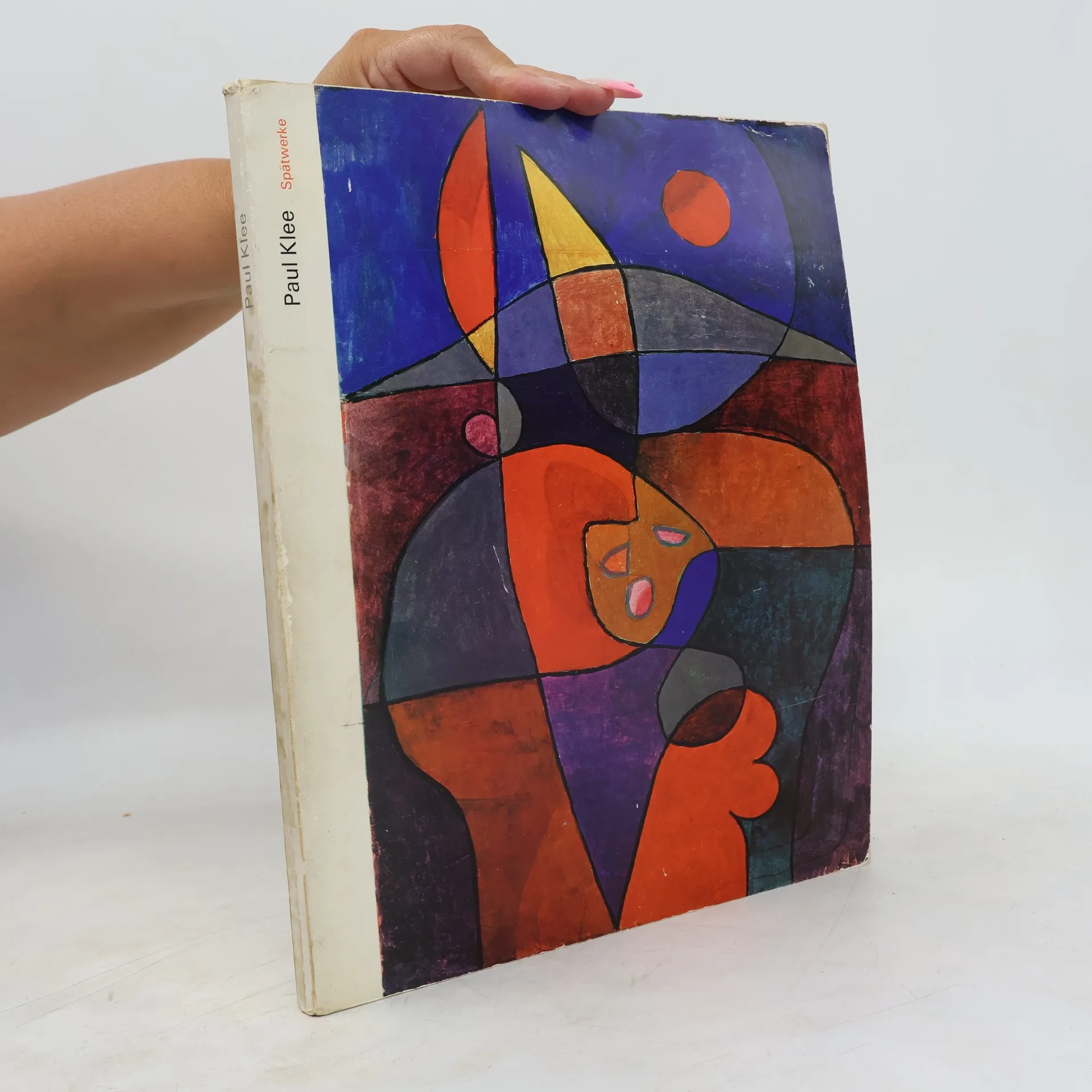
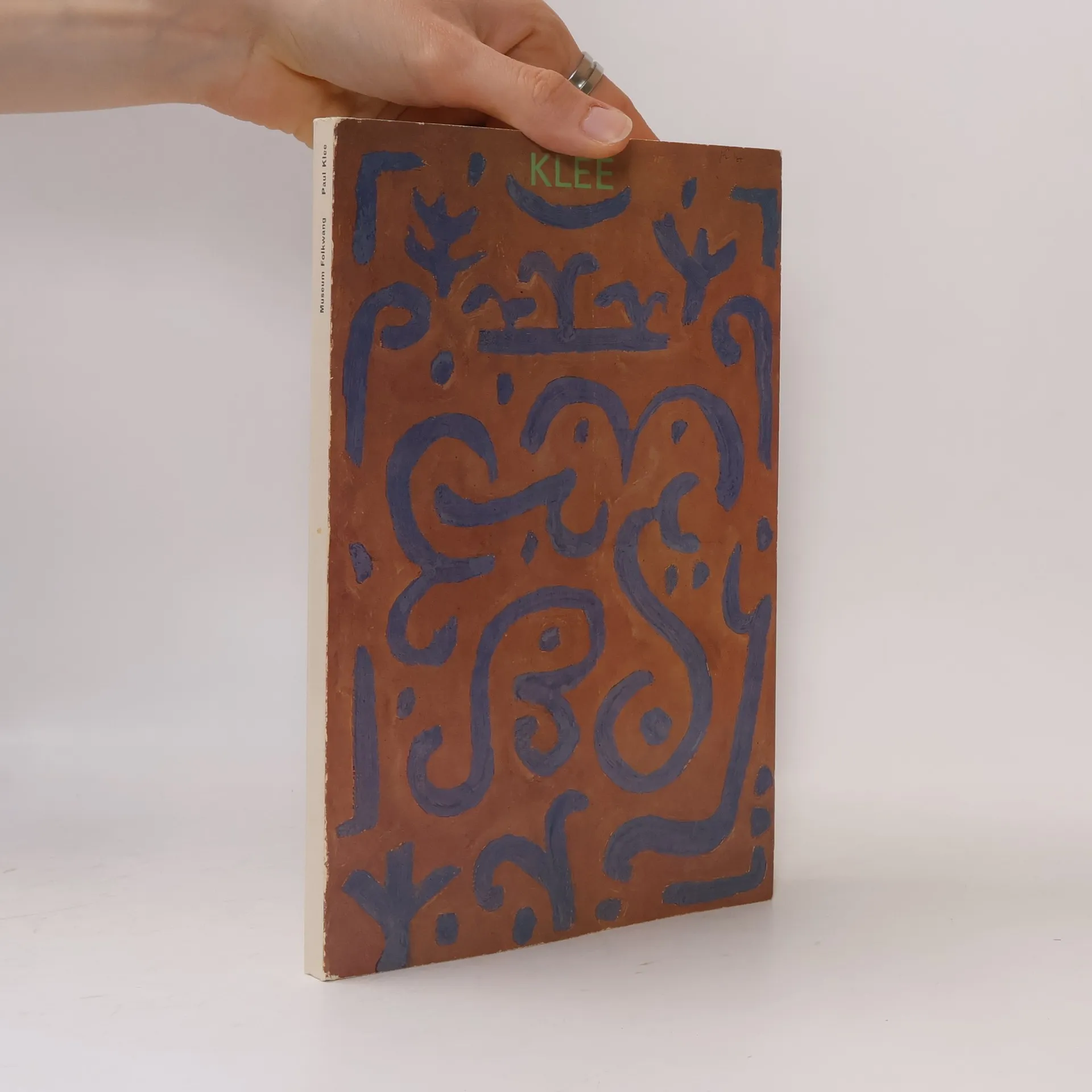
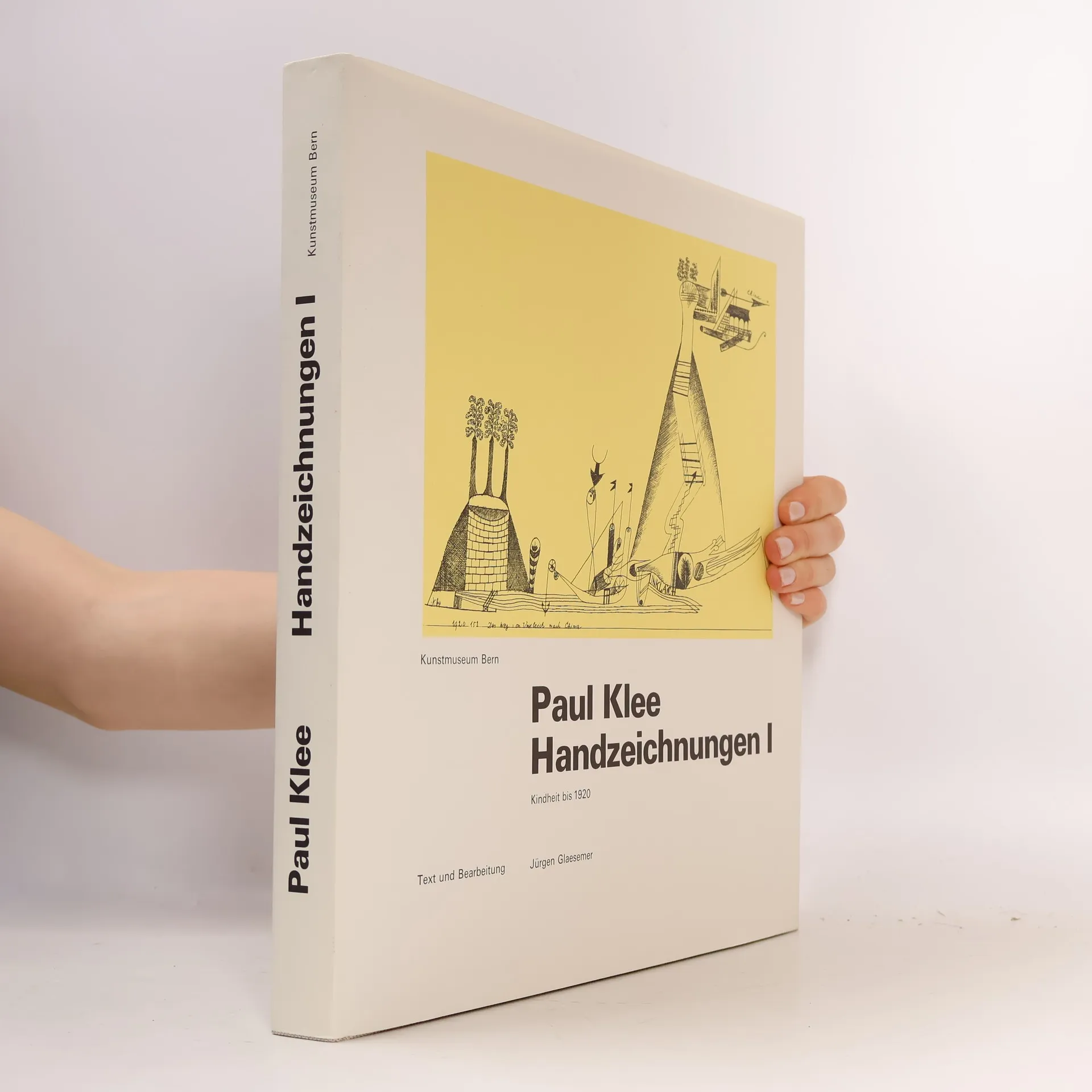
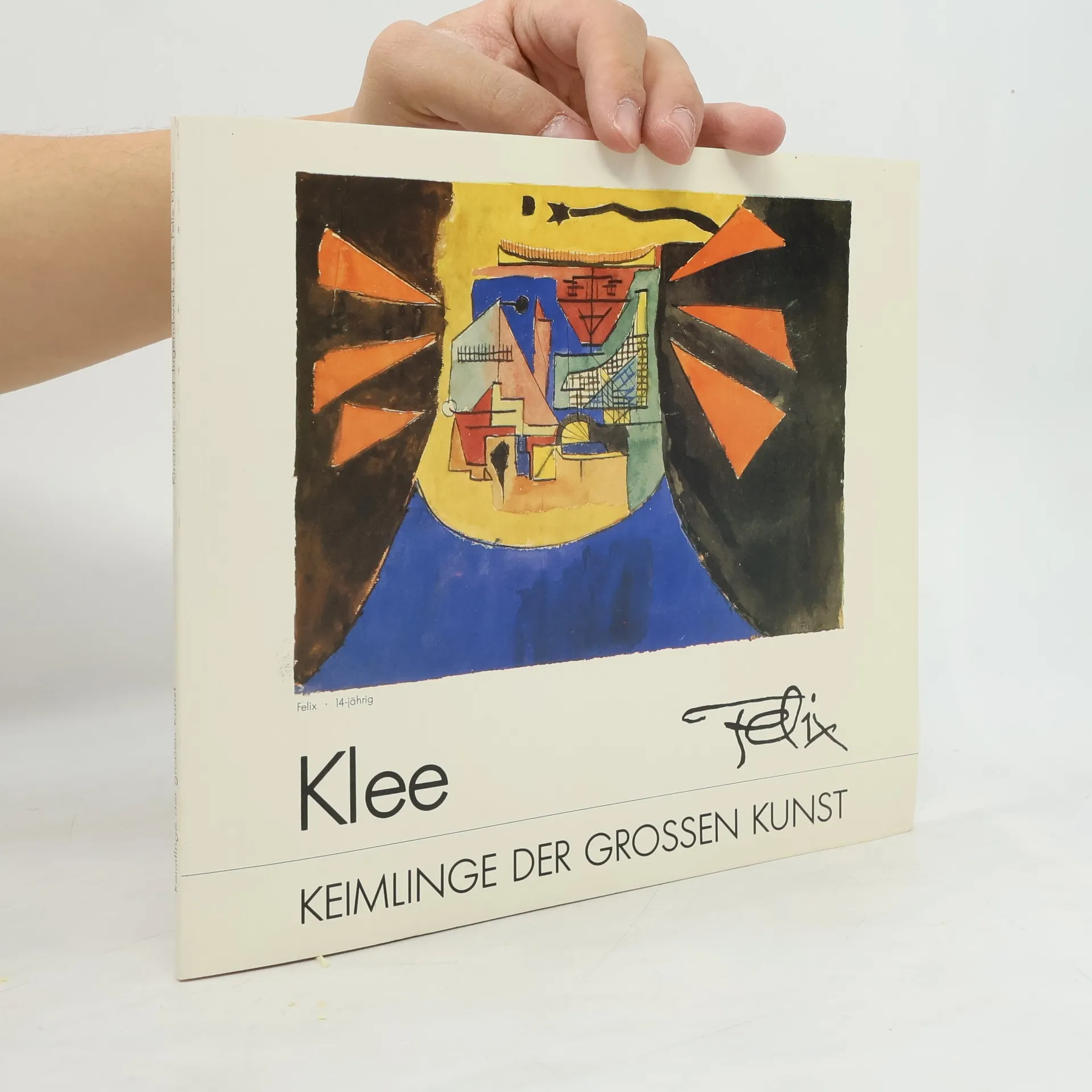
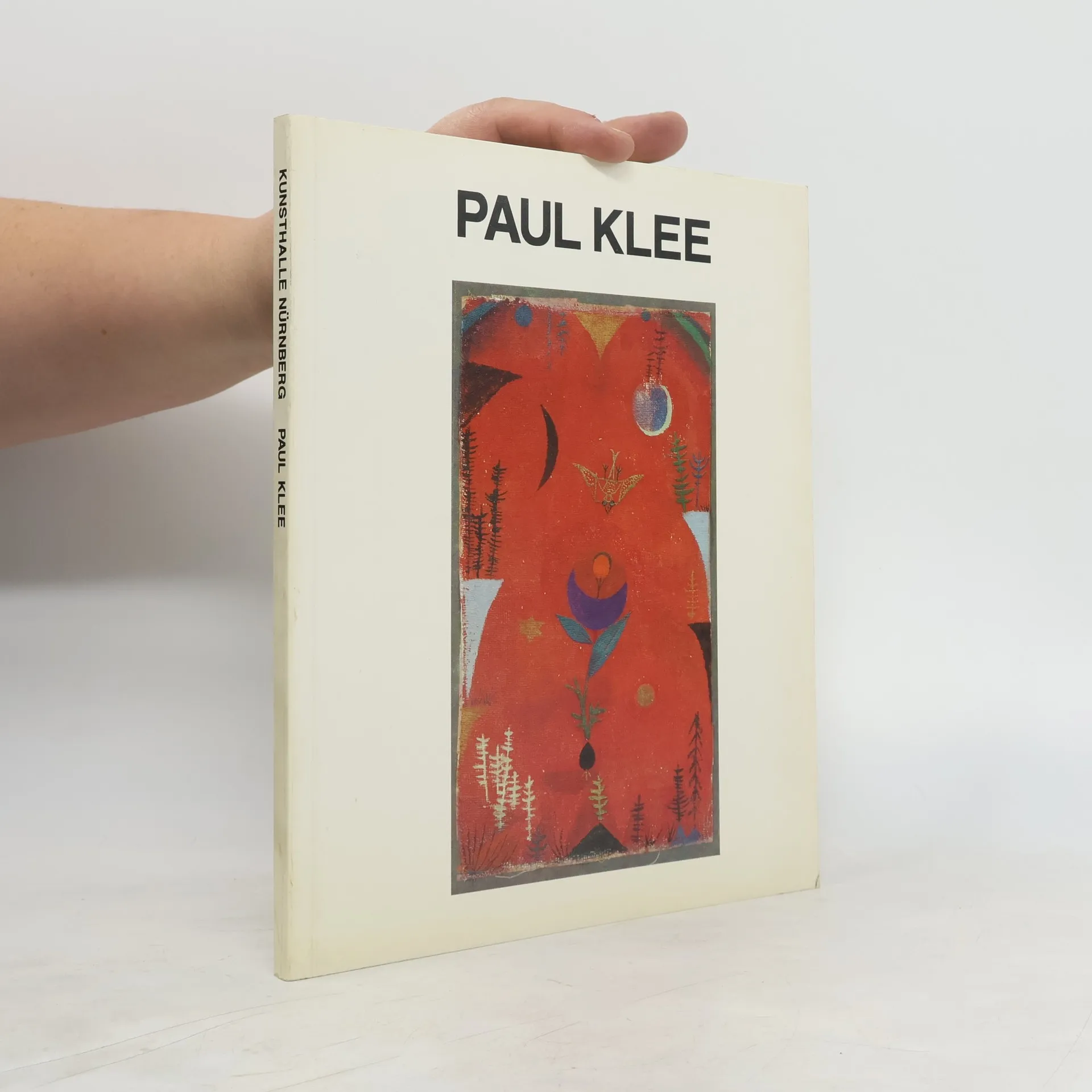
Swiss-born Paul Klee was a painter and graphic artist whose personal, often gently humorous works are full of illusions to dreams, music and poetry. He lived in exile in his own chosen homeland in Switzerland.
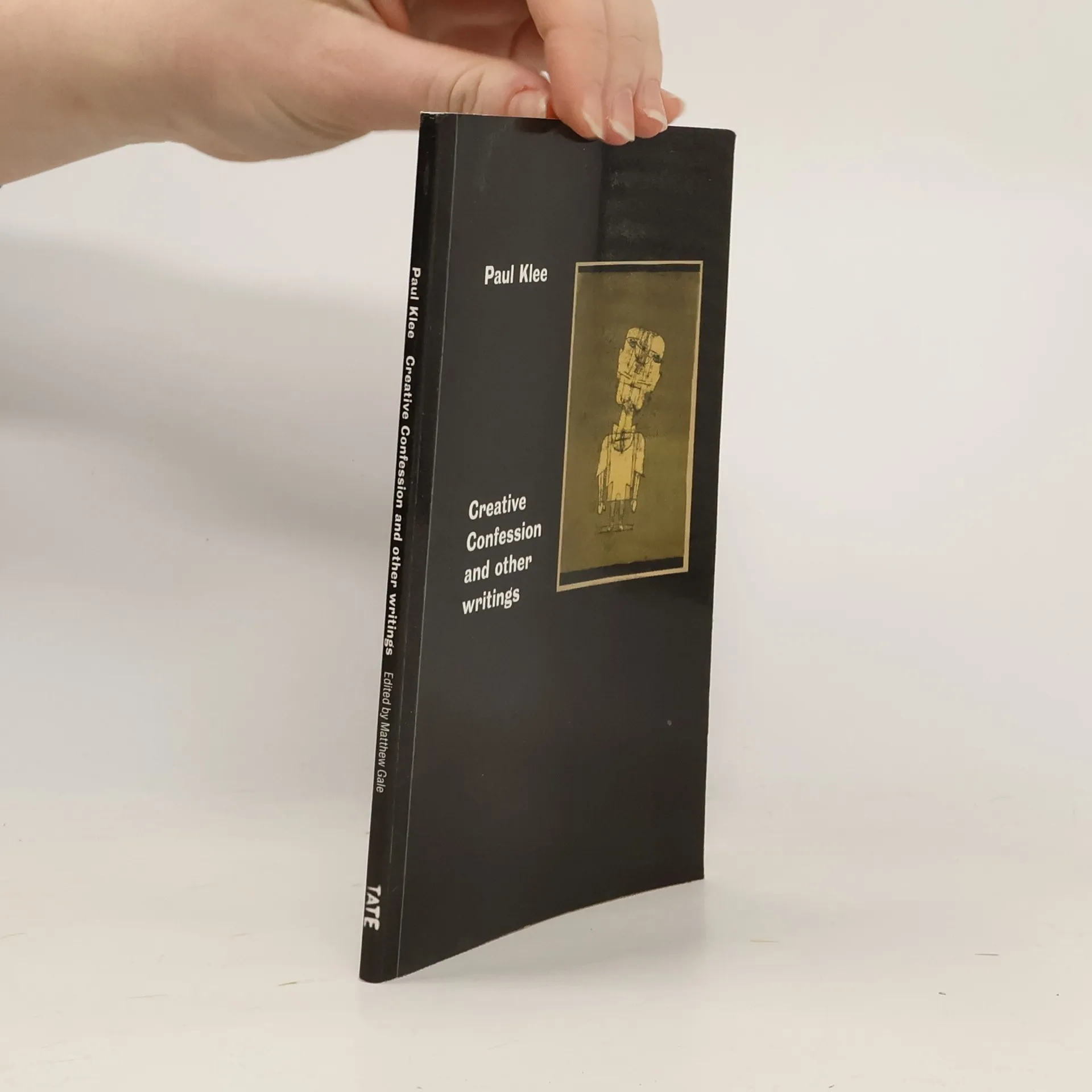
Creative Confession brings together three short critical texts written by Paul Klee (1879–1940), one of the most distinctive artists of the early 20th century. Reflective and often lyrical, the essays exemplify Klee’s artistic thinking and his relationship with the creative process. Titled “Graphic Art” (published as “Creative Confession,” 1920), “Ways of Nature Study” (1923), and “Exact Experiments in the Realm of Art” (1928), the texts arch into each other through common and overlapping concerns. The goal of these writings was to draw a wider public into a dialogue that Klee was already having with the world around him through his art. He said, “Art does not reproduce what is visible, instead it makes it visible,” and thus he talks readers through his own creative confessions. This compact new edition includes a postscript by Tate curator Matthew Gale.
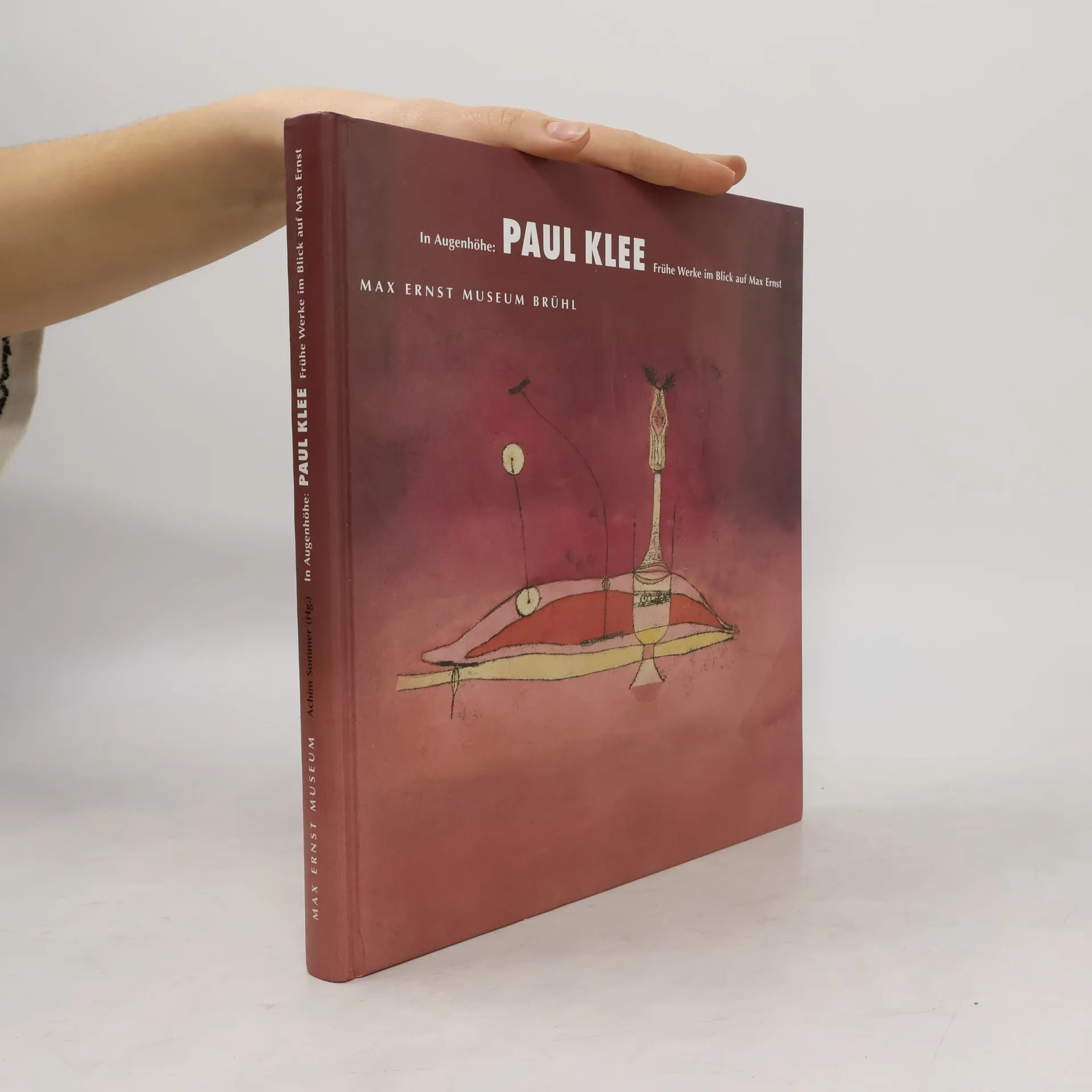
About the life of Paul Klee and his paintings. The author writes in much greater detail about the years up to and including the first world war. Pictures of his paintings and notes will complement his (Klee's) work. Several of Klee's quotations are included.
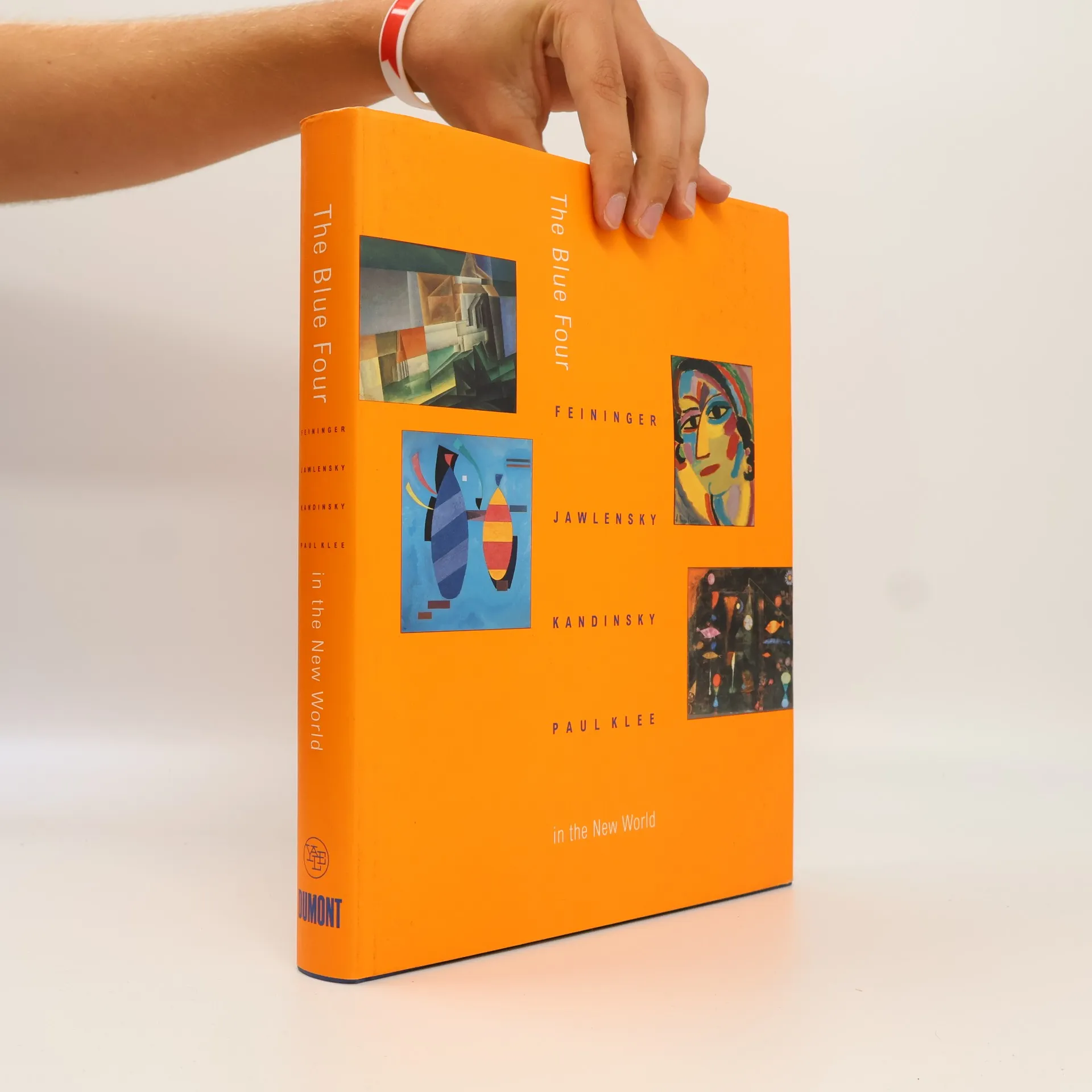
In 1924 Galka Scheyer brought the work of four fellow avant-garde artists-The Blue Four- from Germany to America. This beautiful book discusses Scheyer`s promotion of modern art in the United States, documents her friendships with the four artists, and reproduces hundreds of their works.
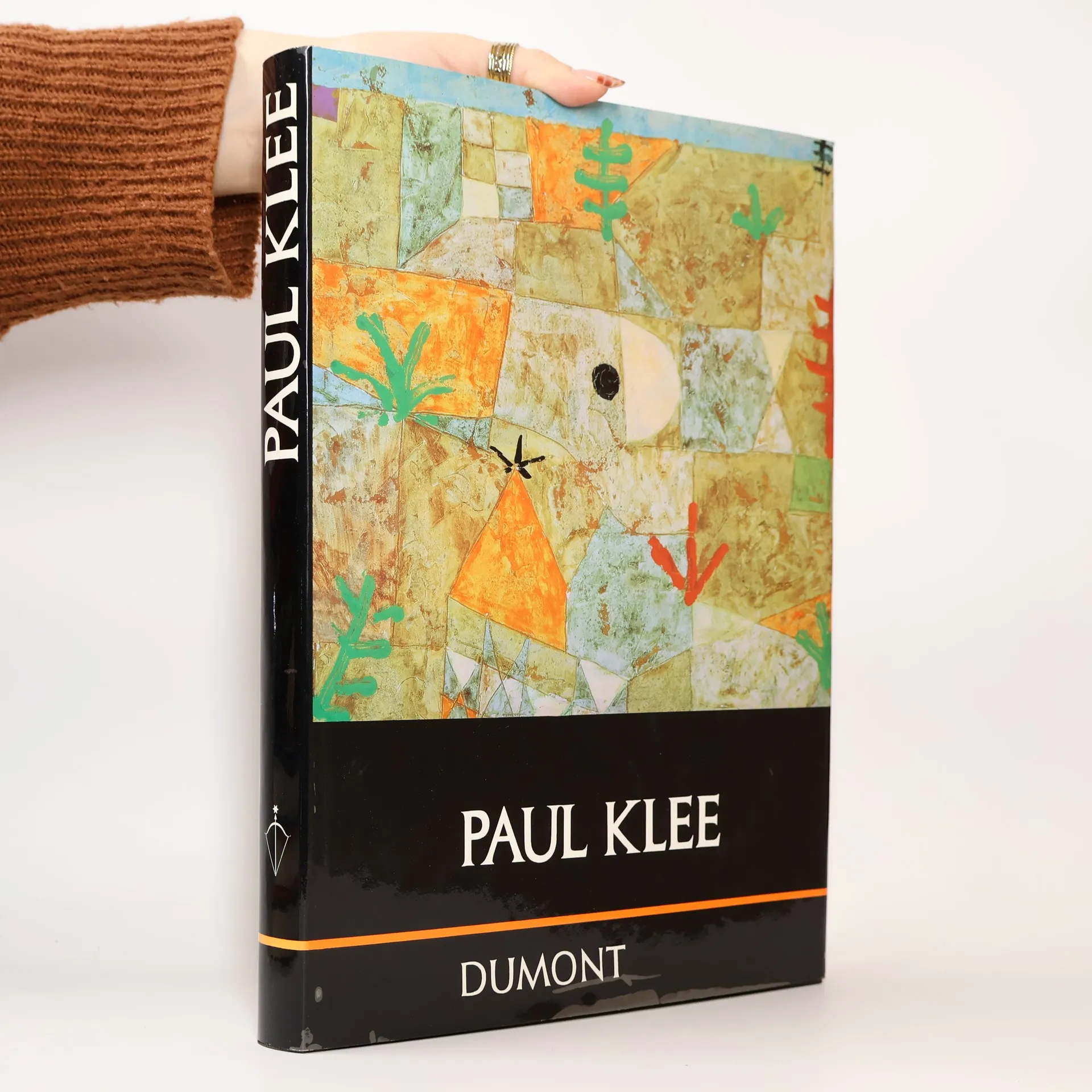
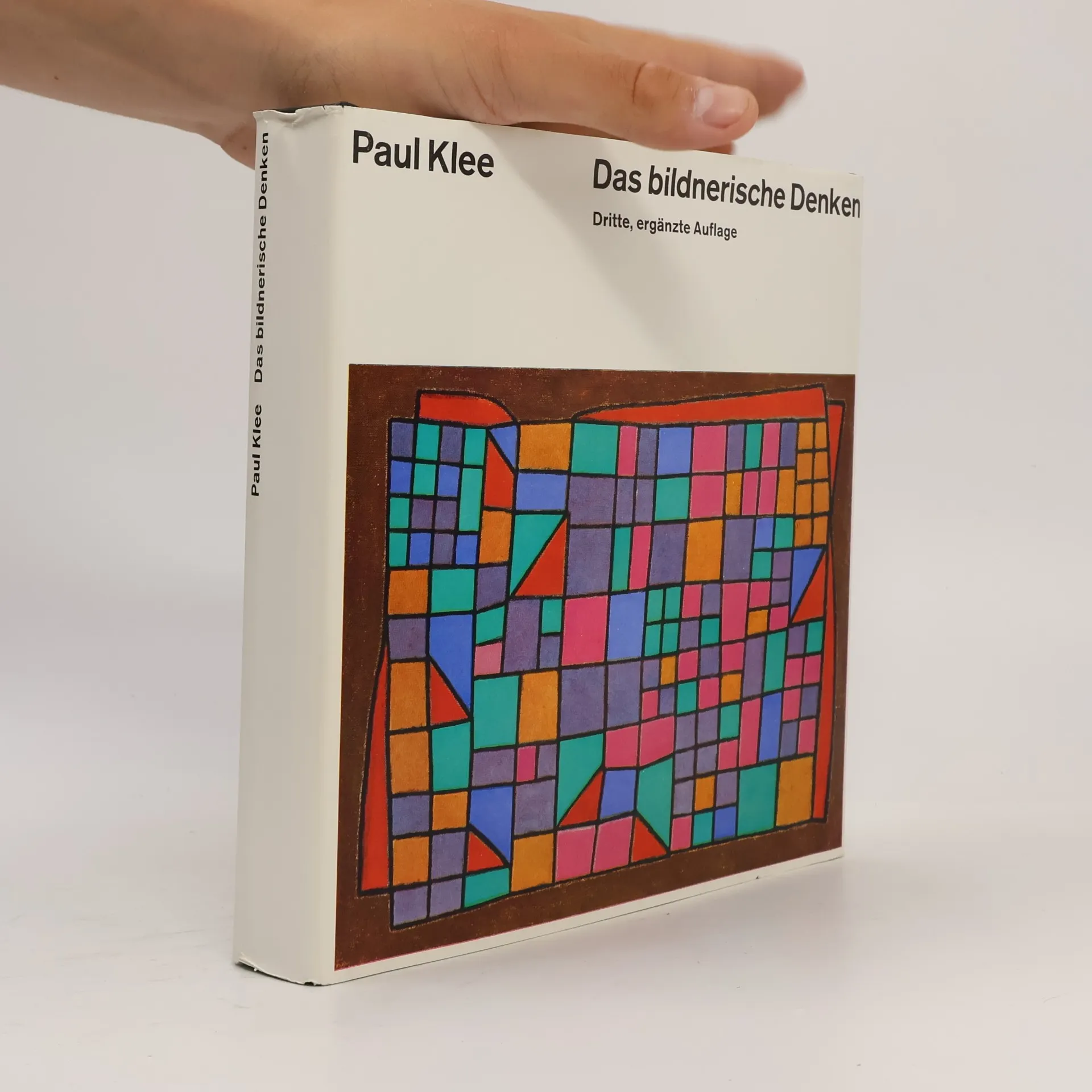
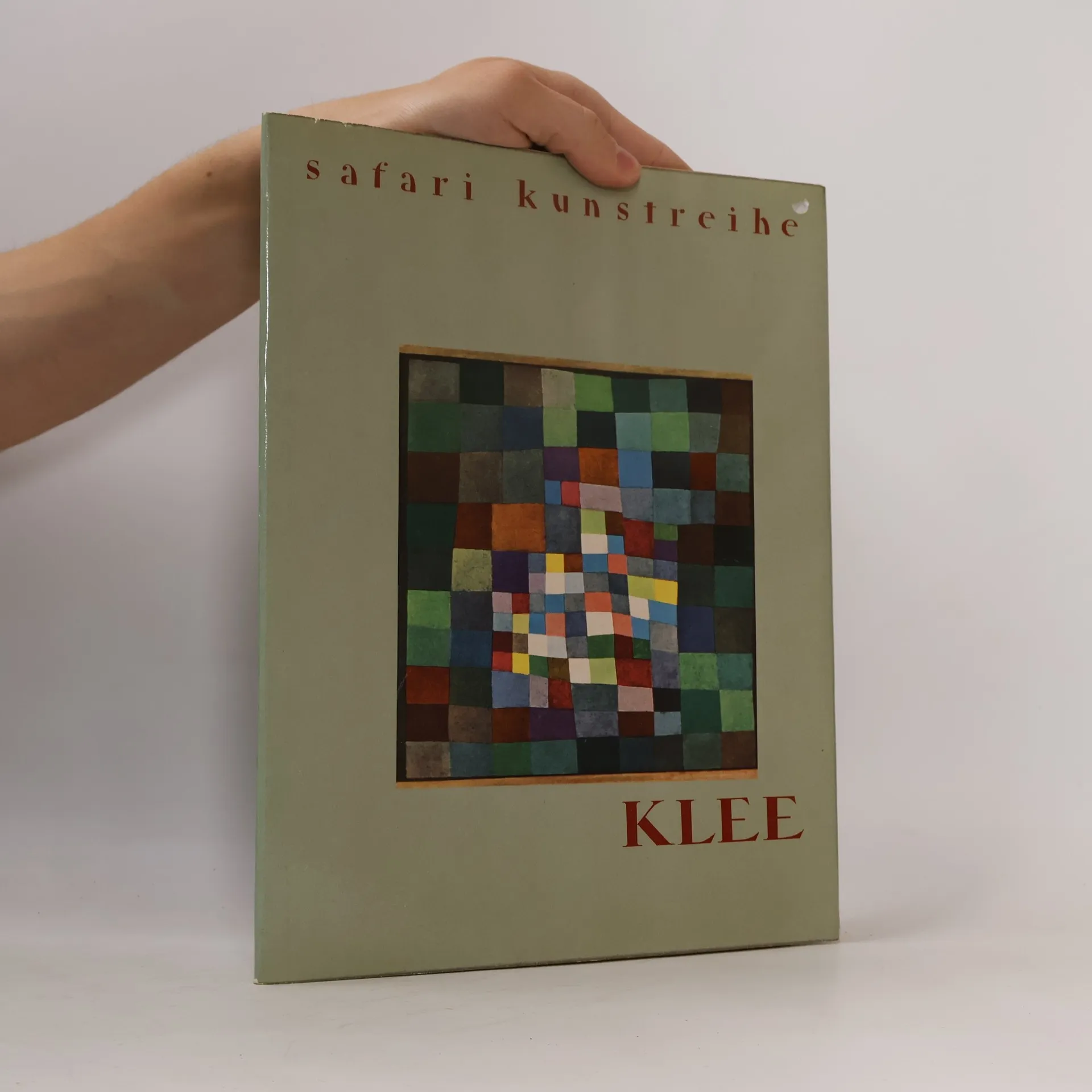
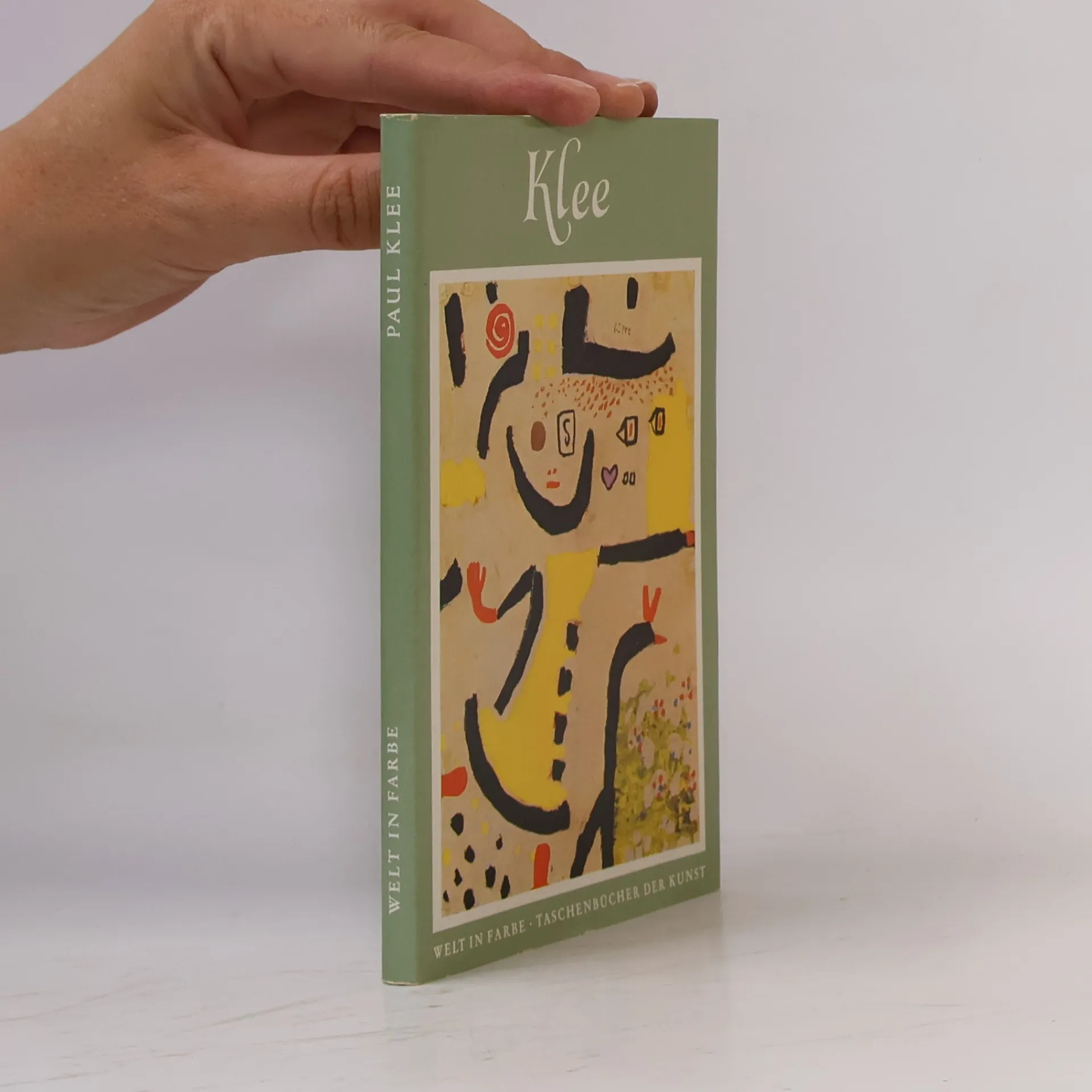
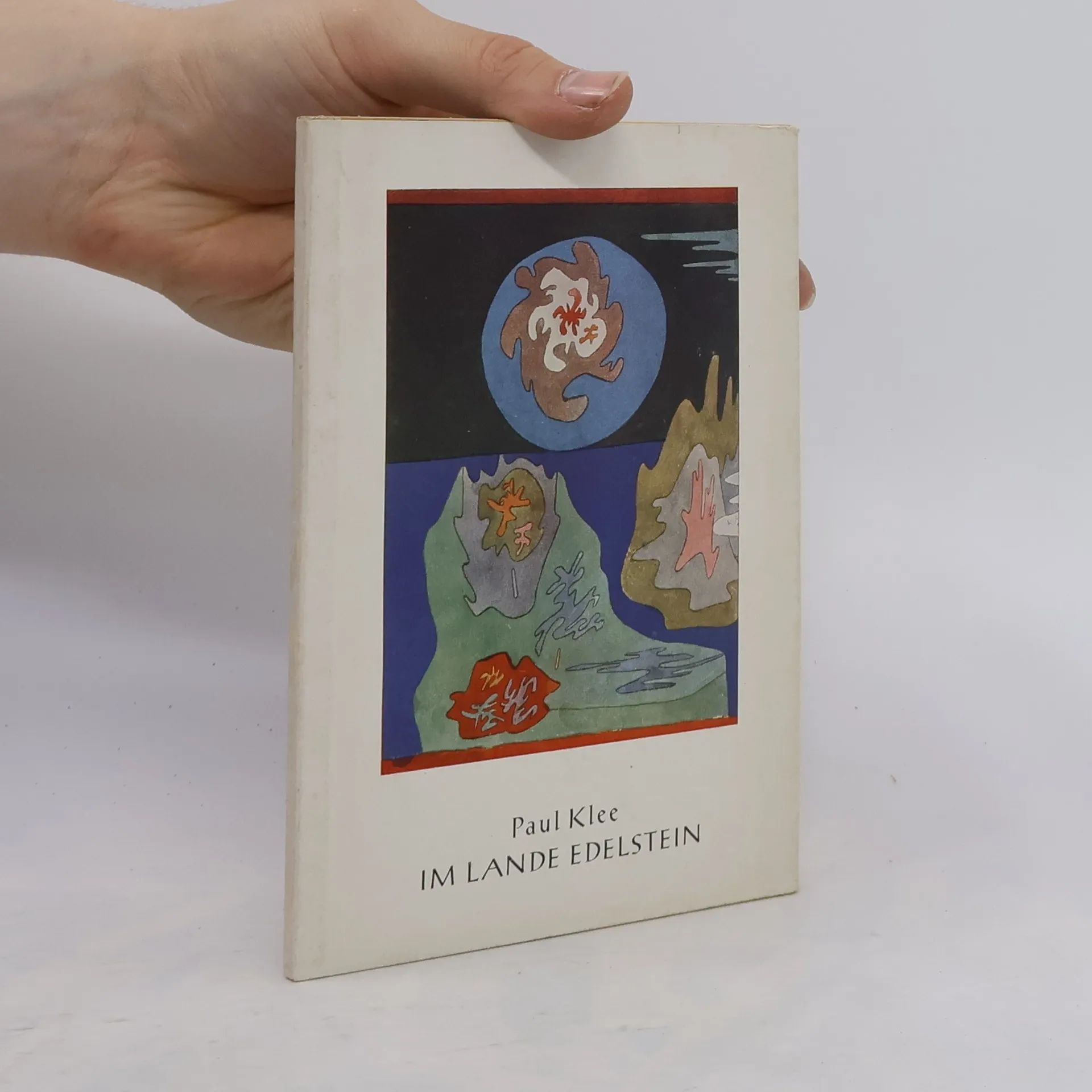
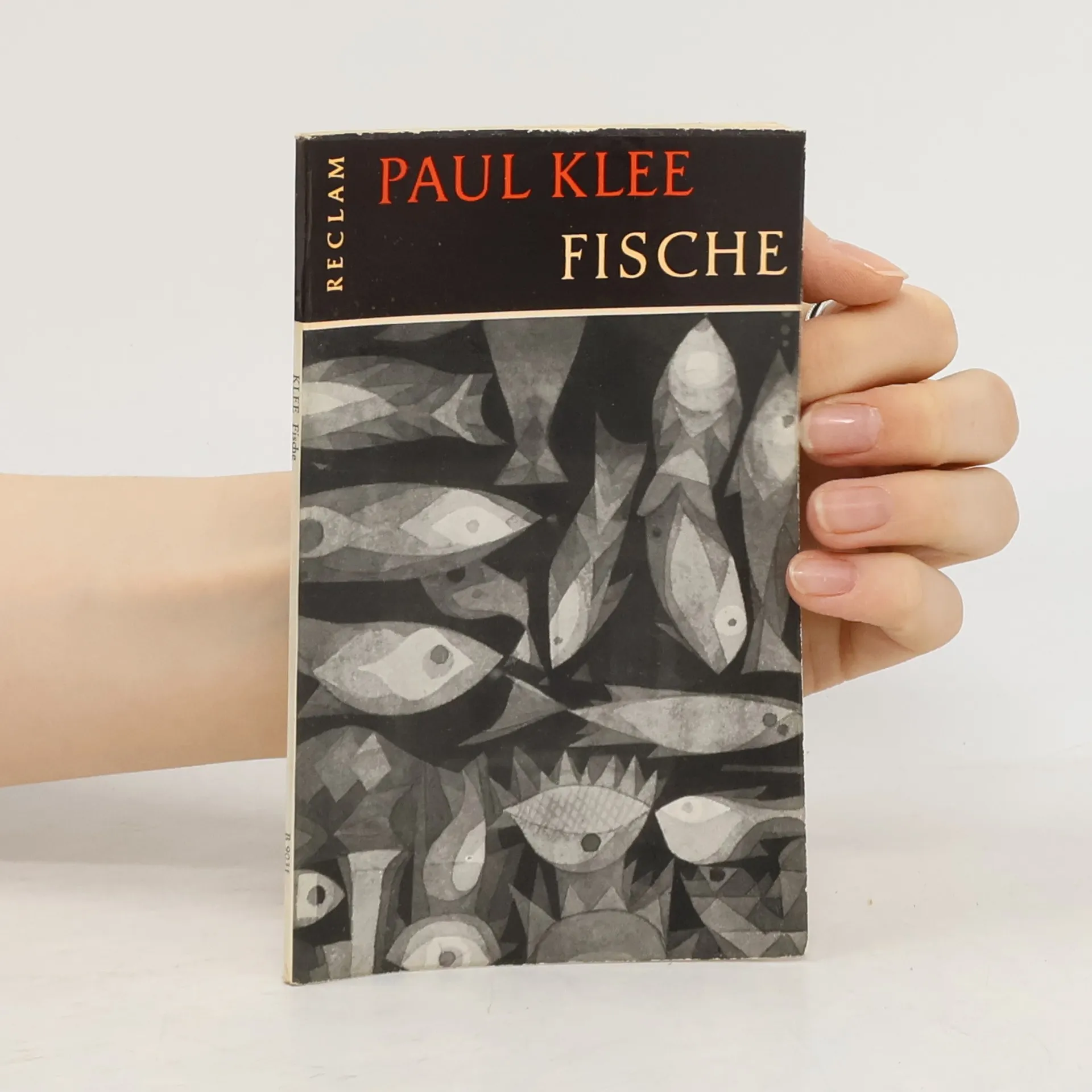
Die einzigartigen Werke des Malerphilosophen sind in diesem farbenprächtigen Band fesselnd kommentiert. Analytische Formen und leuchtende Farben: Paul Klee legte in seinen Bildern Wert auf die Komposition der gestalterischen Mittel; dem Betrachter jedoch überlässt er es, die menschlichen Hintergründe seiner Bilder zu interpretieren. Der vorliegende Band liefert eine prägnante Charakterisierung dieses einzigartigen Malers und Philosophen.
Caustic and hilarious, Candide has ranked as one of the world's great satires since its first publication in 1759. It concerns the adventures of the youthful Candide, disciple of Dr. Pangloss, who was himself a disciple of Leibniz. In the course of his travels and adventures in Europe and South America, Candide saw and suffered such misfortune that it was difficult for him to believe this was "the best of all possible worlds" as Dr. Pangloss had assured him. Indeed, it seemed to be quite the opposite. In brilliantly skewering such naïveté, Voltaire mercilessly exposes and satirizes romance, science, philosophy, religion, and government — the ideas and forces that permeate and control the lives of men. After many trials and travails, Candide is reunited with Cunegonde, his sweetheart. He then buys a little farm in Turkey where he and Cunegonde, Dr. Pangloss and others all retire. In the end, Candide decides that the best thing in the world is to cultivate one's own garden. A selection of the Common Core State Standards Initiative.
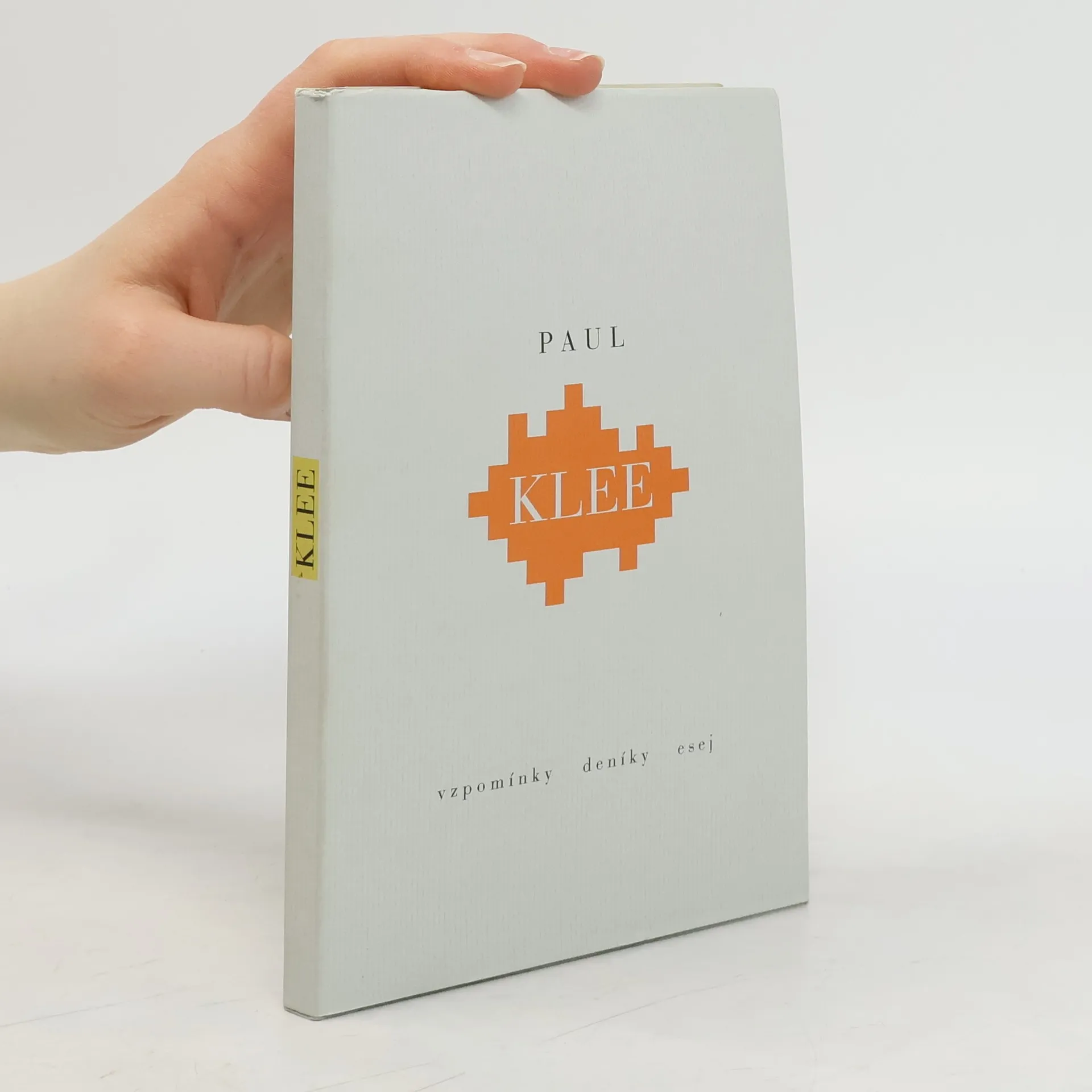
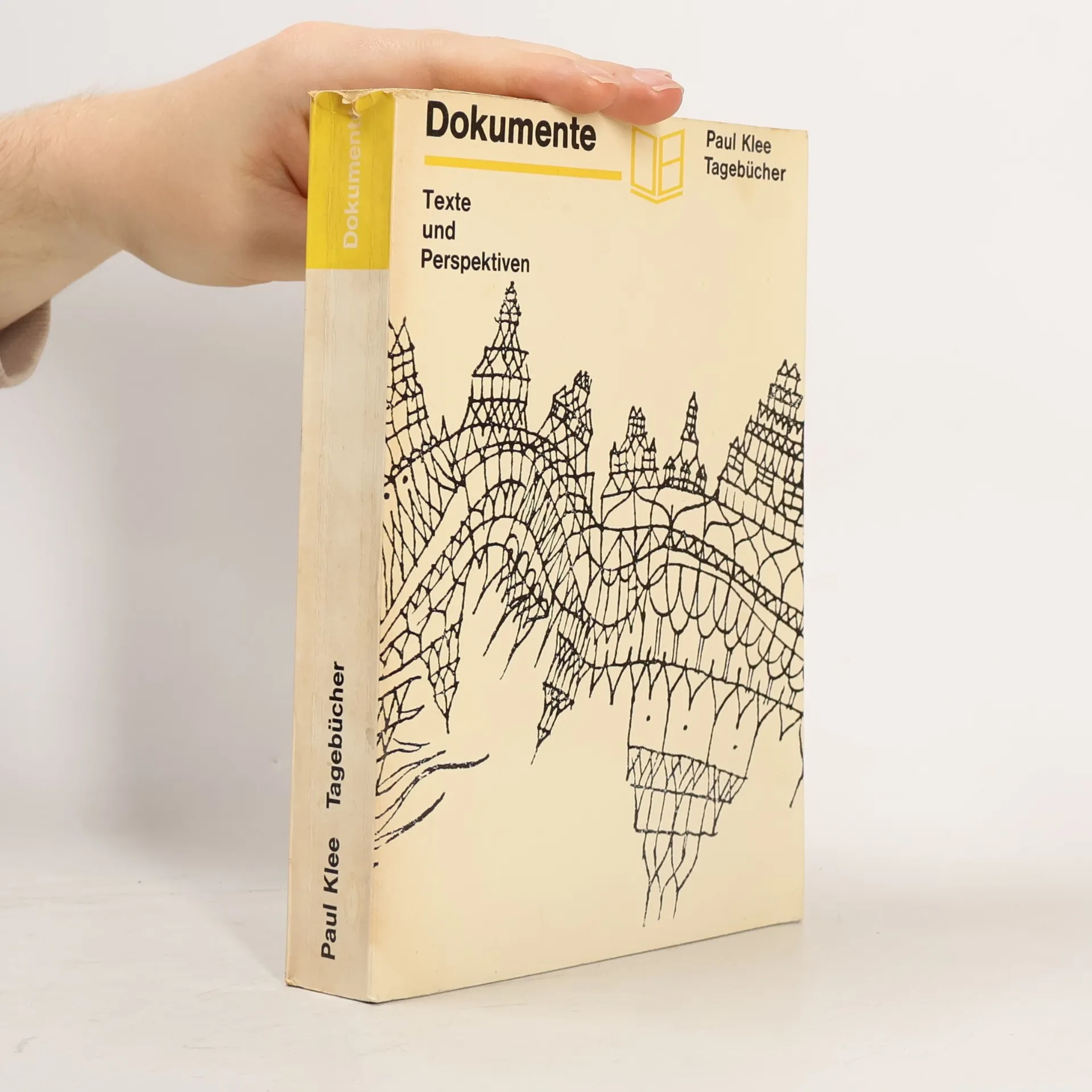
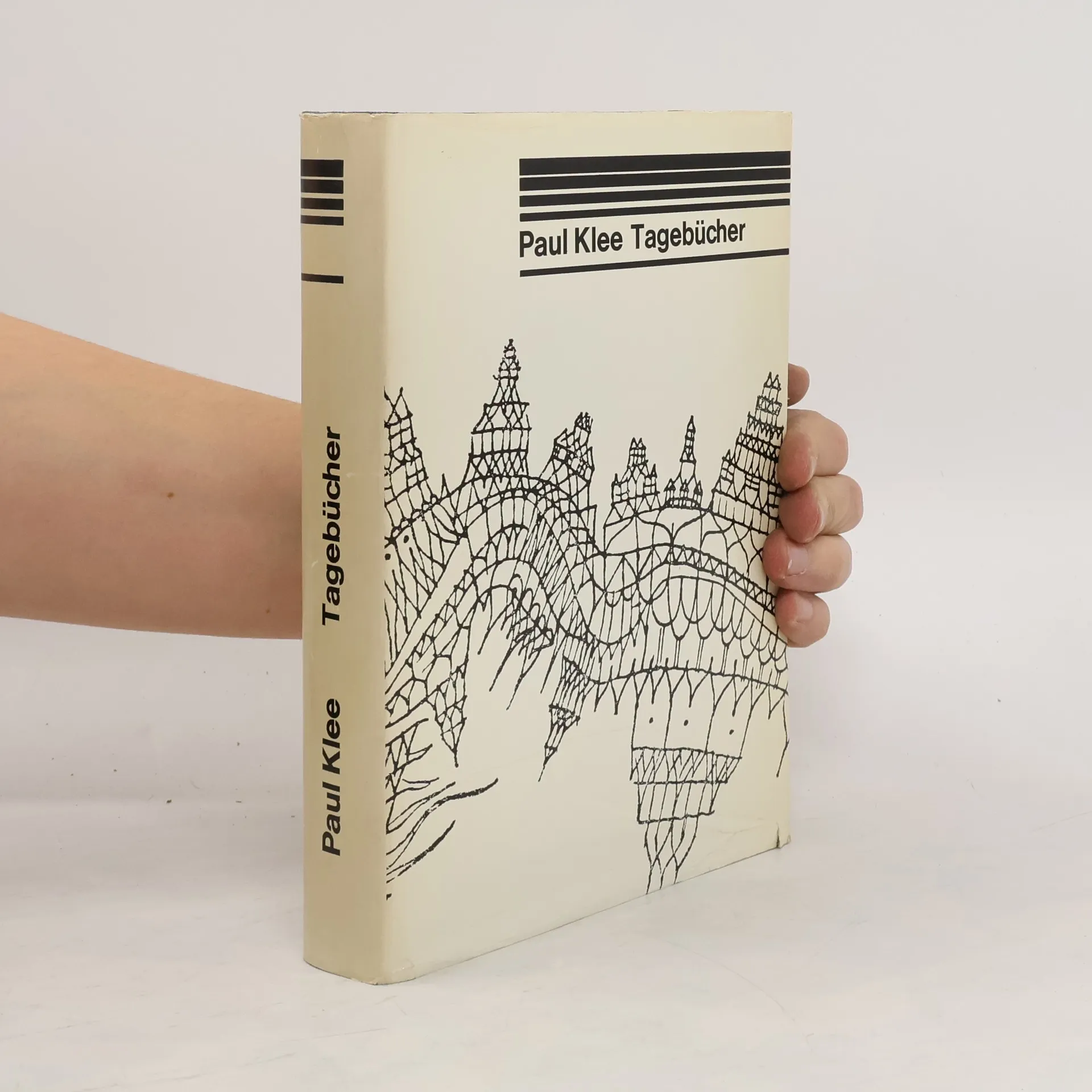
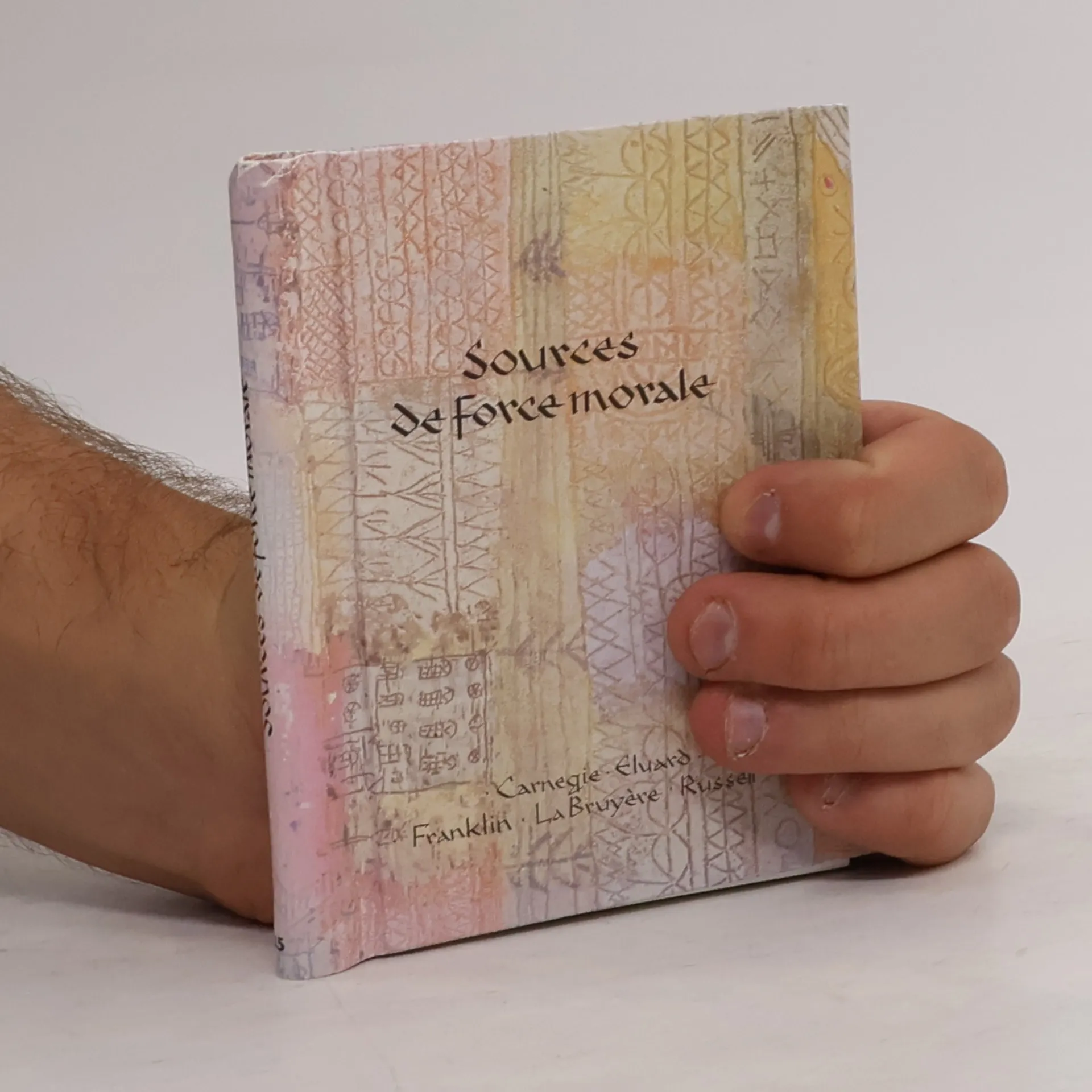
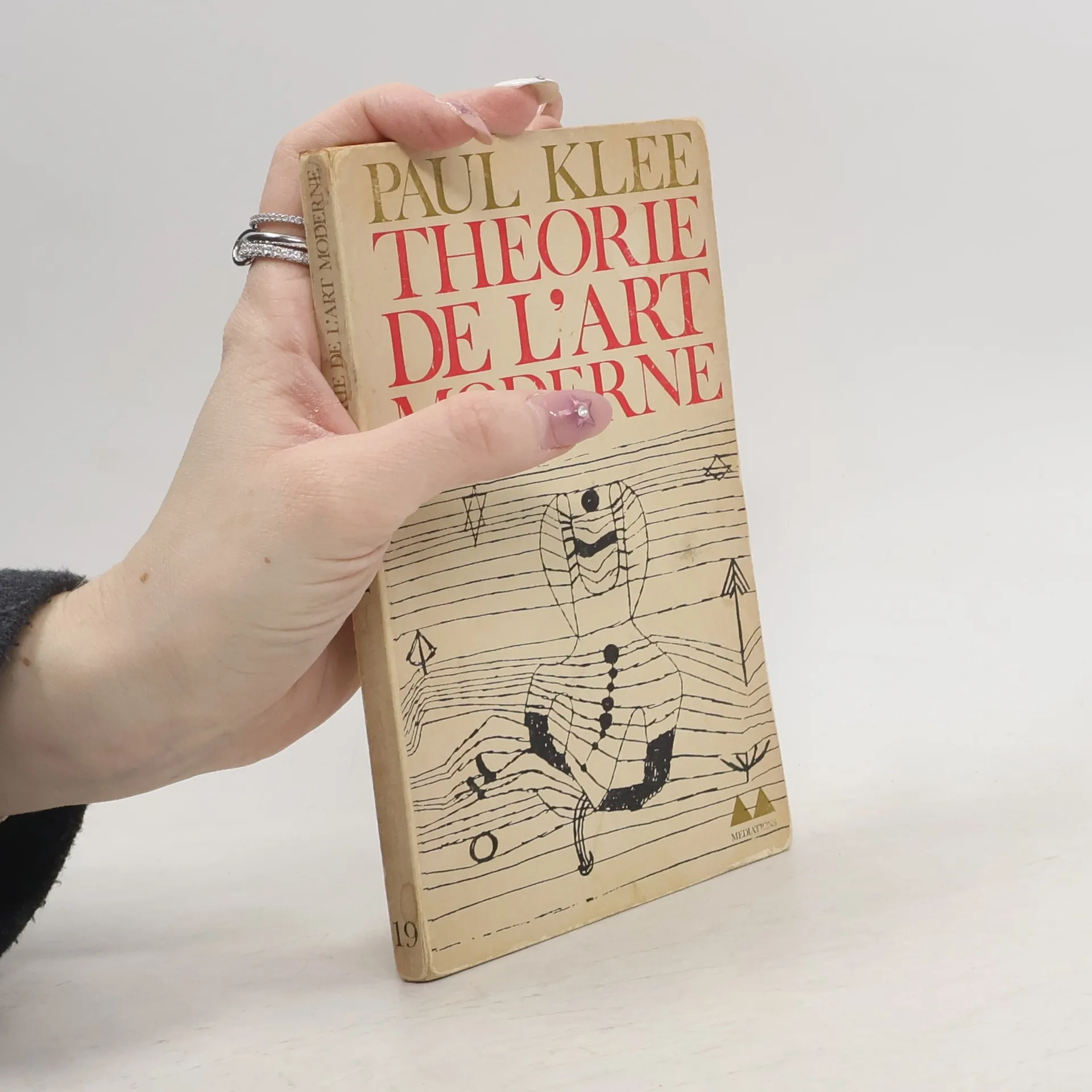
Kleeova esej „O moderním umění“ související s umělcovou tvorbou je doplněna ukázkami z deníků, v kterých autor definuje sám sebe. Pro edici De arte byla vybrána malá část z deníků, které obsahují celkem 1134 záznamů. Záznamy z let 1880-1895 (Vzpomínky na dětství, záznamy z let 1897-1898 (Gymnazista) a z let 1898-1901 (Mnichov) obsahují vzpomínky na první dětské vjemy. Ukázky z Deníků III. (1903-1916) zachycují pocity z úspěchu prvních výstav a výpověď o pocitech z vlastní tvůrčí práce. Doslov Kleeova syna Felixe, z původního vydání deníků, je uveden na začátku výboru s názvem Vzpomínky na otce.
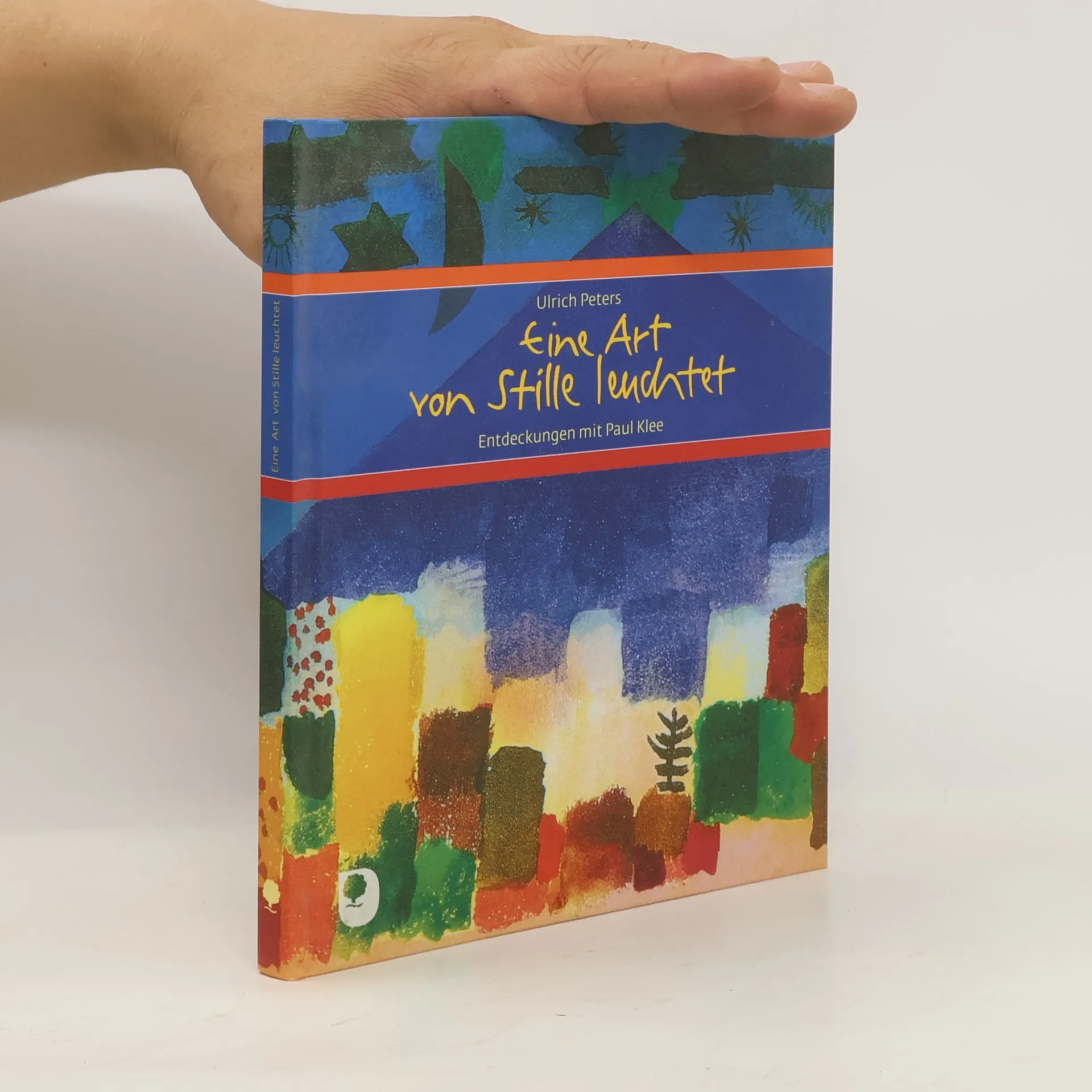
Eine Art von Stille leuchtet – wer diese Zeile formuliert hat, wusste wovon er spricht. Paul Klee war selbst ein eher stiller und nachdenklicher Mensch. Aber er schuf Bilder, die ihre Betrachter mit einfachen Formen, sinnlichen Farben und poetisch-fantasievollen Kompositionen berühren und bezaubern. Sie sind dem Geheimnis aller Wirklichkeit auf der Spur und elementar spirituell. Was liegt da näher, als sich von einigen der schönsten Bilder dieses faszinierenden Künstlers inspirieren zu lassen, um überraschende Entdeckungen zu machen und für das eigene Leben frische, unverbrauchte Energie zu gewinnen.
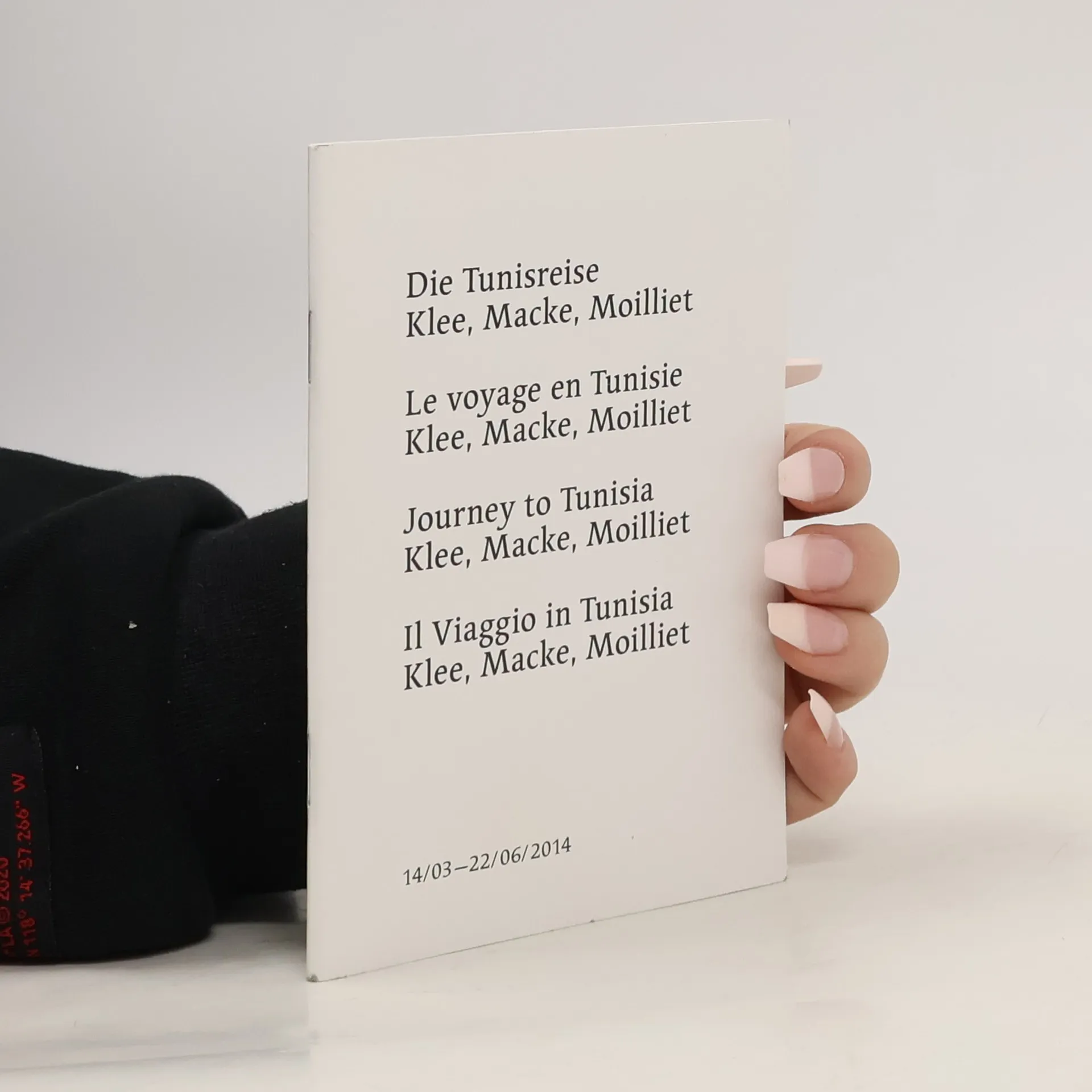
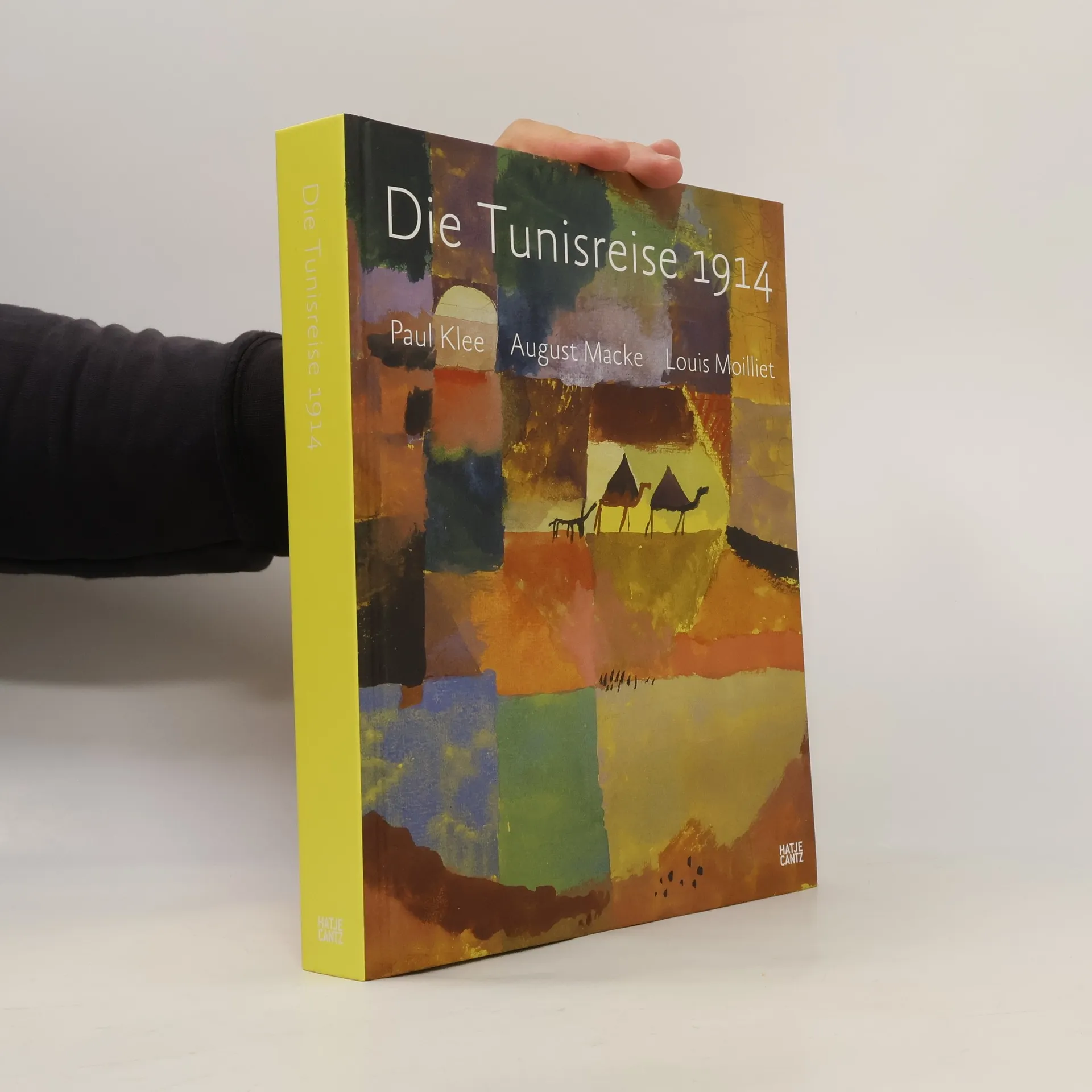
Die Tunisreise ist sicher eines der beliebtesten Kapitel der Kunstgeschichte. Als Paul Klee mit den Malerfreunden August Macke und Louis Moilliet im April 1914 nach Tunesien aufbricht, erwartet ihn eine Fülle von Eindrücken: Tunis, St. Germain, Hammamet, Kairouan; die Menschen, Architektur und Szenerie des Landes inspirieren die drei Künstler zu einer Vielzahl von Aquarellen und Zeichnungen. Sie lösen sich vom anekdotenhaften Orientalismus des 19. Jahrhunderts, abstrahieren ihre Motive, wandeln sie in ornamentale Formen und kristalline Strukturen. Ihre überraschenden Bildfindungen stellen einen Gipfelpunkt der frühen Moderne dar. Paul Klee geht am weitesten. Ihm wird die Farbe zum wichtigsten Gestaltungsmittel, er löst den Bildgegenstand in Farbflächen auf, das Bildgefüge wird zum Raster, das er mit Arabesken und Chiffren überzieht. Die profunde Publikation knüpft an die Tradition unserer äußerst erfolgreichen Veröffentlichung zur Tunisreise von 1982 an, einem Meilenstein der Verlagsgeschichte. (Englische Ausgabe ISBN 978-3-7757-3763-0, französische Ausgabe ISBN 978-3-7757-3761-6) Ausstellung: Zentrum Paul Klee, Bern 15.3.–22.6.2014