This new translation of The Science of Logic (also known as 'Greater Logic') includes the revised Book I (1832), Book II (1813), and Book III (1816). Recent research has given us a detailed picture of the process that led Hegel to his final conception of the System and of the place of the Logic within it. We now understand how and why Hegel distanced himself from Schelling, how radical this break with his early mentor was, and to what extent it entailed a return (but with a difference) to Fichte and Kant. In the introduction to the volume, George di Giovanni presents in synoptic form the results of recent scholarship on the subject, and, while recognizing the fault lines in Hegel's System that allow opposite interpretations, argues that the Logic marks the end of classical metaphysics. The translation is accompanied by a full apparatus of historical and explanatory notes.
Hegel G. W. F. Książki

Fenomenologia ducha, opublikowana w 1807 roku przez Georga Wilhelma Friedricha Hegla, jest pierwszym głównym dziełem filozofa i częścią jego systemu naukowego. Hegel opisuje w nim wznoszenie się ducha od prostej percepcji przez świadomość, samoświadomość, rozum, ducha i historię aż do absolutnej wiedzy ducha świata. Bada proces powstawania nauki jako jedności treści i metody oraz zjawiska ducha jako urzeczywistnienia siebie i jedności bytu i nicości. W systemie naukowym pojęcie jest miejscem prawdy, a nie tylko postrzegania. Poznanie prawdy polega na tym, że przeciwieństwo podmiotu i przedmiotu dialektycznie znika na wyższym poziomie, co oznacza, że obie strony tworzą jedność. Dzieło porusza podstawowe zagadnienia z zakresu epistemologii, etyki i filozofii historii. Szczególnie istotne jest rozdział o samoświadomości, który zawiera dialektyczne rozważania nad władzą i niewolnictwem, stanowiąc kluczowy punkt wyjścia dla analizy stosunków klasowych w społeczeństwie burżuazyjnym.
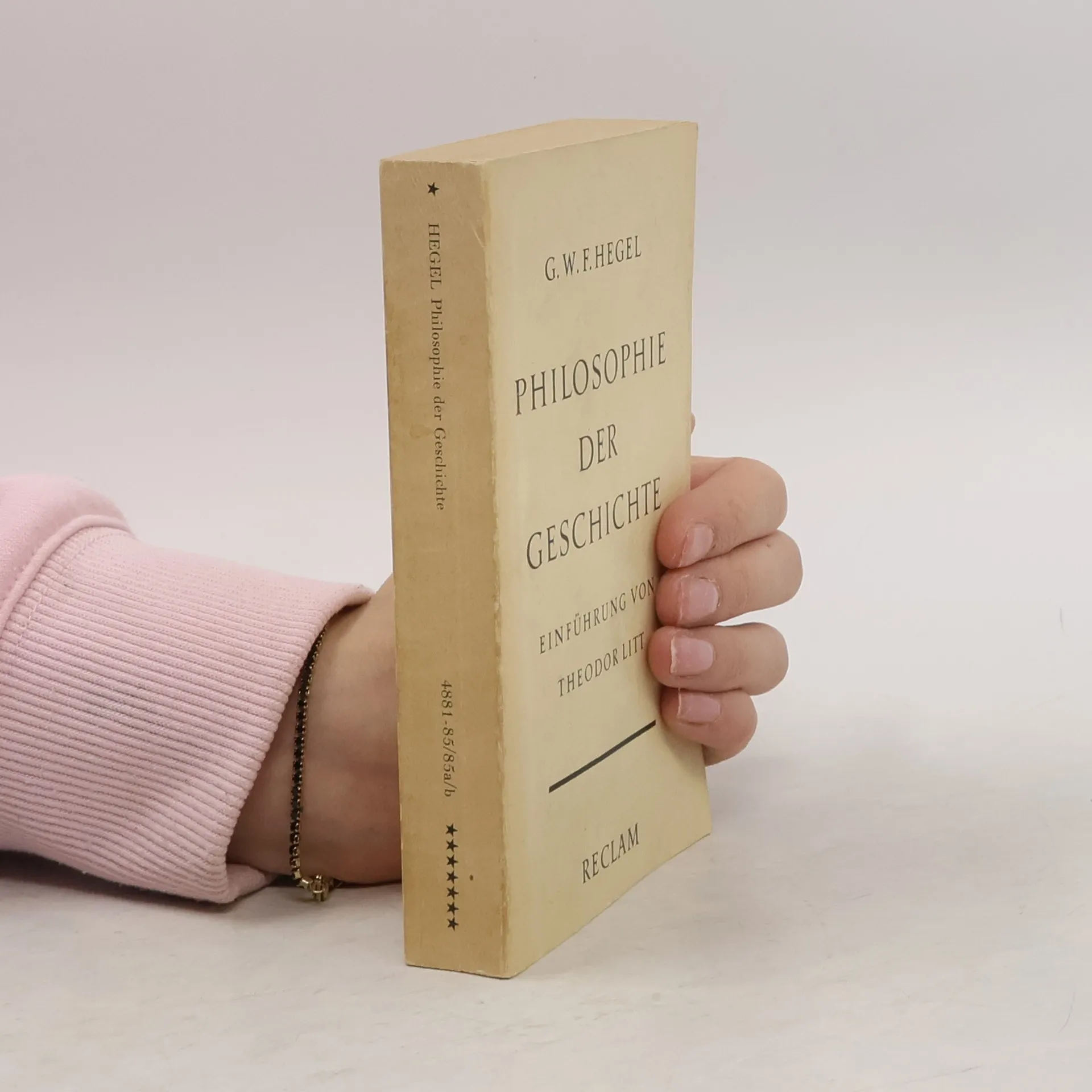
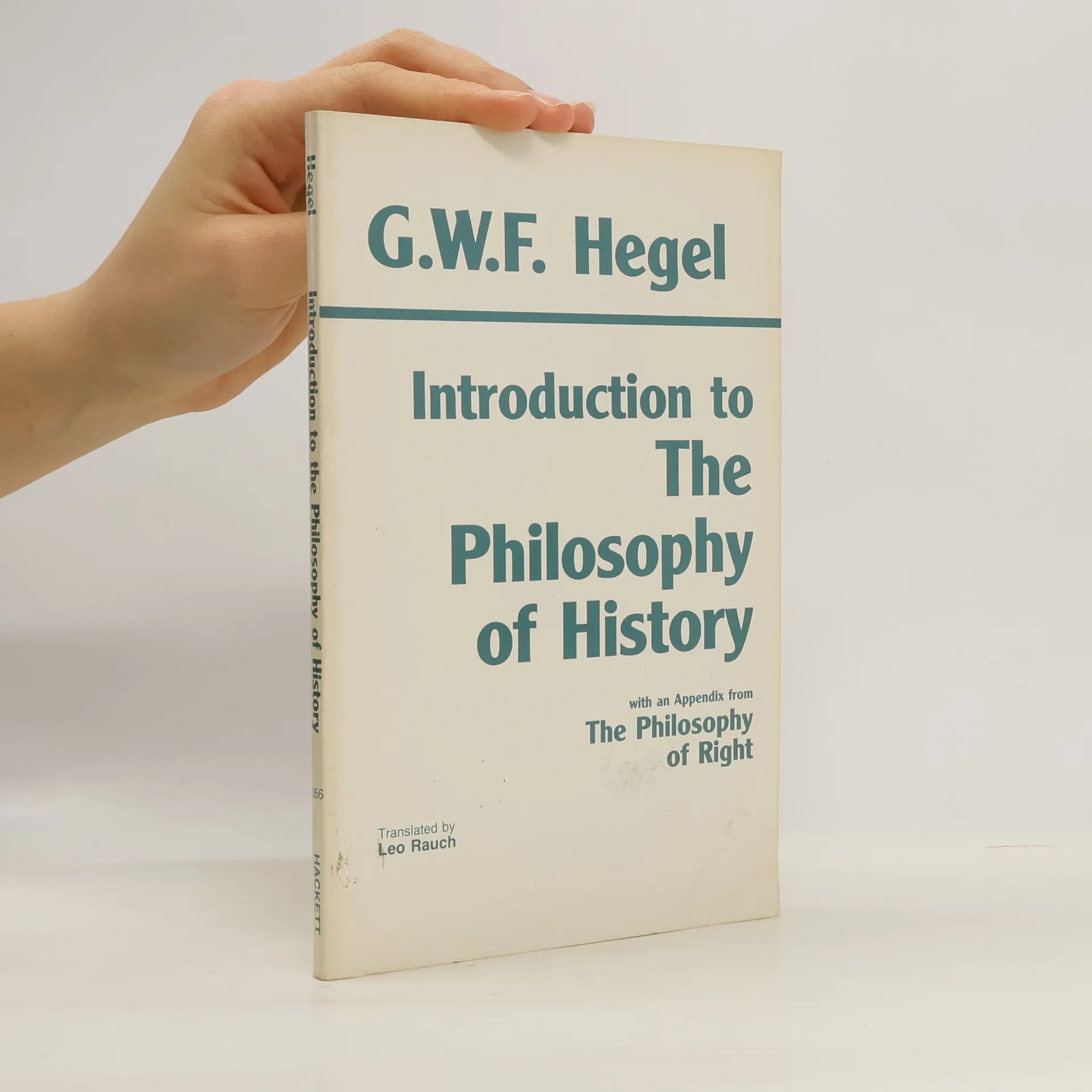
Introduction to the Philosophy of History
- 106 stron
- 4 godziny czytania
Provides a solution to the problem of how to introduce students to Hegel in a survey course in the history of Western philosophy.