Tracing the entire history of American foreign policy, Dying by the Sword focuses on how the US came to prioritize the use of military tools over other tools of statecraft, including diplomacy and economic policy. It demonstrates that since the end of the Cold War, the US has dramatically increased its use of force abroad despite fewer international threats. The US's hyper-militaristic foreign policy, which the authors term "kinetic diplomacy", threatens to undermine not just America's leadership role, its credibility, and its domestic policy priorities, but more broadly international peace and security.
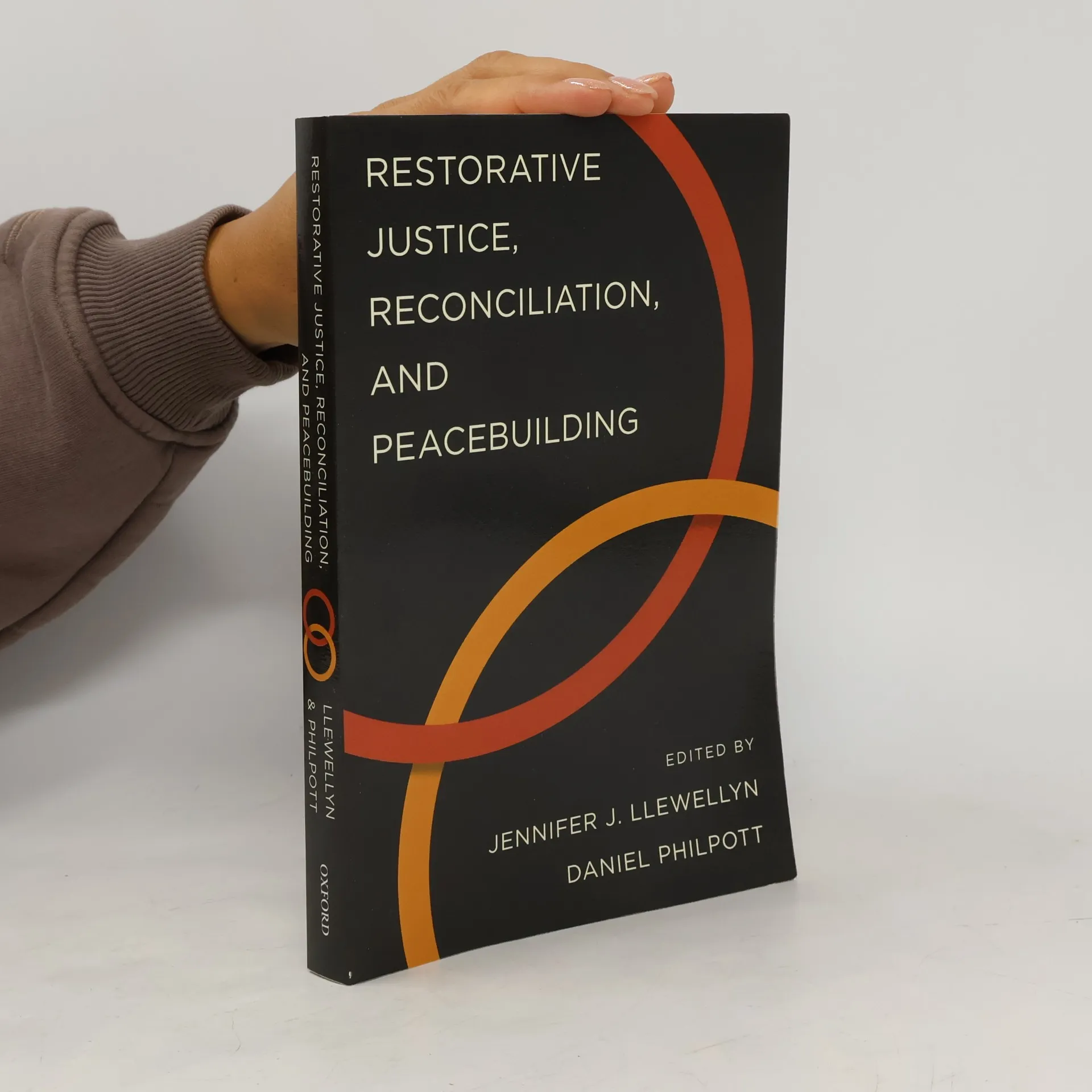
All over the world, the practice of peacebuilding is beset with common peace versus justice, religious versus secular approaches, individual versus structural justice, reconciliation versus retribution, and the harmonization of the sheer number of practices involved in repairing past harms. Progress towards resolving these dilemmas requires reforming institutions and practices but also clear thinking about basic What is justice? And how is it related to the building of peace? The twin concepts of reconciliation and restorative justice, both involving the holistic restoration of right relationship, contain not only a compelling logic of justice but also great promise for resolving peacebuilding's tensions and for constructing and assessing its institutions and practices. This book furthers this potential by developing not only the core content of these concepts but also their implications for accountability, forgiveness, reparations, traditional practices,human rights, and international law.
In the wake of massive injustice, how can justice be achieved and peace restored? Is it possible to find a universal standard that works for diverse and often conflicting religious, cultural, and philosophical backgrounds? Daniel Philpott offers an innovative response, challenging the dominant peace-building approach of the United Nations, western governments, and the human rights community. While he shares commitments to human rights and democracy, Philpott argues that these values alone cannot heal the wounds of war, genocide, and dictatorship. He advocates for a holistic, restorative approach to both justice and political order.
Philpott proposes a form of political reconciliation rooted in Christianity, Islam, and Judaism, as well as the restorative justice movement. These traditions embody core concepts of justice, mercy, and peace. By adapting these ancient ideas to modern constitutional democracy and international norms, he crafts an ethic with widespread appeal, offering hope for justice in fractured communities.
From these traditions, Philpott develops six practices: building just institutions, acknowledgment, reparations, restorative punishment, apology, and forgiveness. He applies these practices to real cases in Bosnia, Iraq, South Africa, Germany, Sierra Leone, Timor-Leste, and Chile, illustrating how each addresses unique wounds. This fresh approach tackles the age-old problem of restoring justice after wides
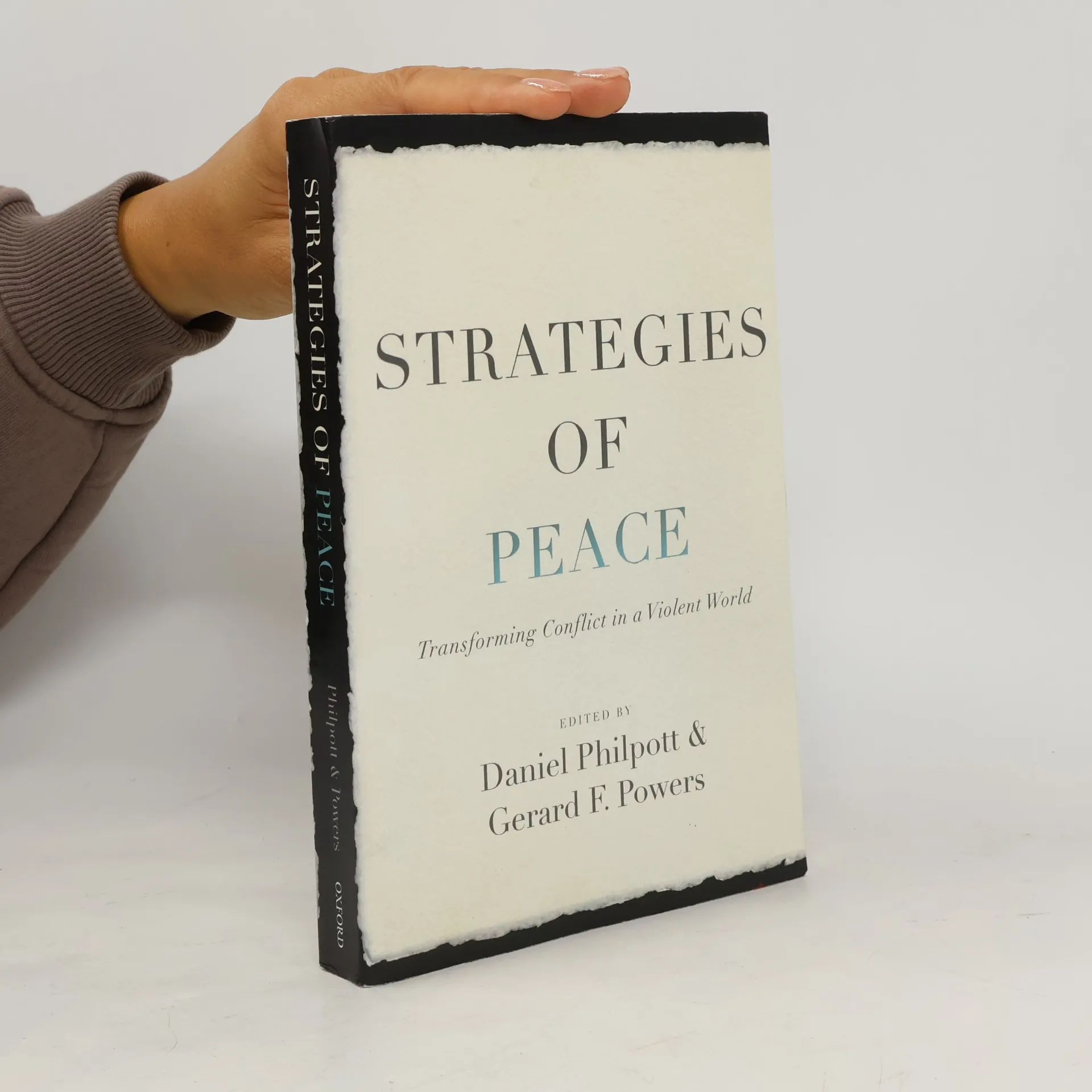
How can a just peace be built in sites of genocide, massive civil war, dictatorship, terrorism, and poverty? In Strategies of Peace , the first volume in the Studies in Strategic Peacebuilding series, fifteen leading scholars propose an imaginative and provocative approach to peacebuilding. Today the dominant thinking is the "liberal peace," which stresses cease fires, elections, and short run peace operations carried out by international institutions, western states, and local political elites. But the liberal peace is not enough, the authors argue. A just and sustainable peace requires a far more holistic vision that links together activities, actors, and institutions at all levels. By exploring innovative models for building lasting peace-a United Nations counter-terrorism policy that also promotes good governance; coordination of the international prosecution of war criminals with local efforts to settle civil wars; increasing the involvement of religious leaders, whohave a unique ability to elicit peace settlements; and many others--the authors advance a bold new vision for peacebuilding.