

Berg, mężczyzna o nazwisku Berg, które zmienił na Greb, przyjeżdża do nadmorskiego miasteczka z zamiarem zabicia ojca. Debiutancka powieść Ann Quin to arcydzieło brytyjskiej prozy awangardowej, łączące czarną komedię, dramat psychologiczny, thriller i erotyk. Historia Alistaira Berga, pełnego sprzeczności mężczyzny, który nie potrafi poradzić sobie z przeszłością ani uwolnić się od wpływu nieobecnego ojca i matki, której słowa wprowadzają zamęt w jego umyśle, prowadzi w najmniej spodziewane kierunki. Proza jest przesycona zapachami słodyczy, toniku do włosów i mokrego futra, a jej język oscyluje między kunsztowną metaforą a niewyszukanym żartem. Powieść Quin dryfuje, niosąc nonsensowny humor oraz mroczne nurty wyobraźni. Ann Quin (1936–1973) była brytyjską pisarką awangardową, autorką kilku powieści, w tym Berg (1964). Urodziła się w Brighton w rodzinie robotniczej, pracowała jako stenotypistka i sekretarka, a w latach 60. przeniosła się do Londynu, gdzie poznała wielu wpływowych twórców. Jej debiut został bardzo dobrze przyjęty, a Quin uznana za nowy głos brytyjskiej klasy robotniczej. Zmarła w niejasnych okolicznościach, utonąwszy nieopodal mola Brighton Palace.
Ann Quin Książki

Three
- 160 stron
- 6 godzin czytania
This enigmatic novel, from one of Britain's most important writers of the post-war avant-garde, explores suicide, marriage and class.
Tripticks
- 192 strony
- 7 godzin czytania
Ann Quin's wildest, funniest, freakiest, kinkiest, and best novel - a road- trip novel, a graphic novel, a spy novel, a Beat novel, an anti-novel - is available again, to inspire a new generation of mavericks.
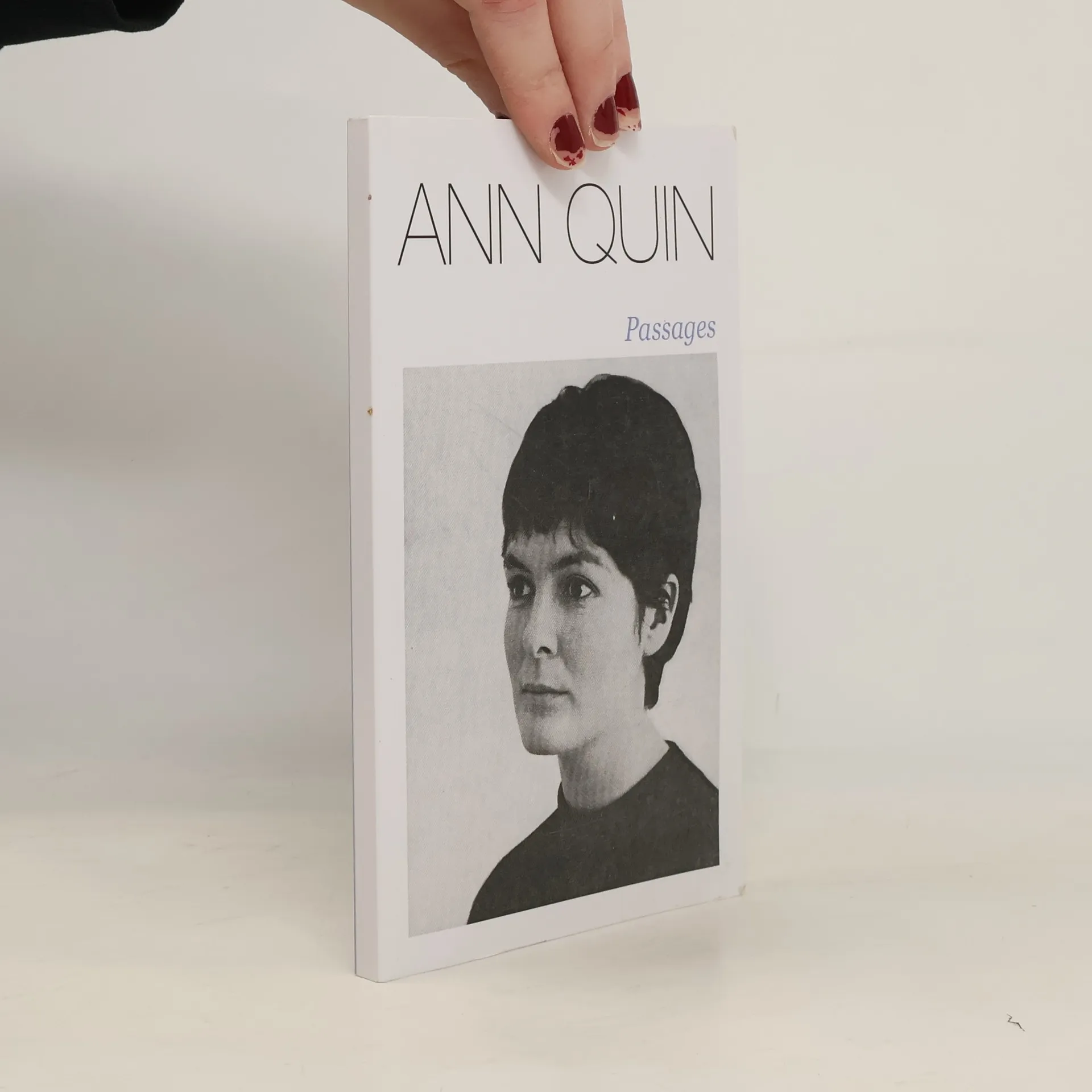
A poetic book of voices, landscapes and the passing of time, Ann Quin's finely wrought novel reflects the multiple meanings of the very word "passages." Two characters move through the book -- a woman in search of her brother, and her lover (a masculine reflection of herself) in search of himself. The form of the novel, reflecting the schizophrenia of the characters, is split into two sections -- a narrative, and a diary annotated with those thoughts that provoked the entries.
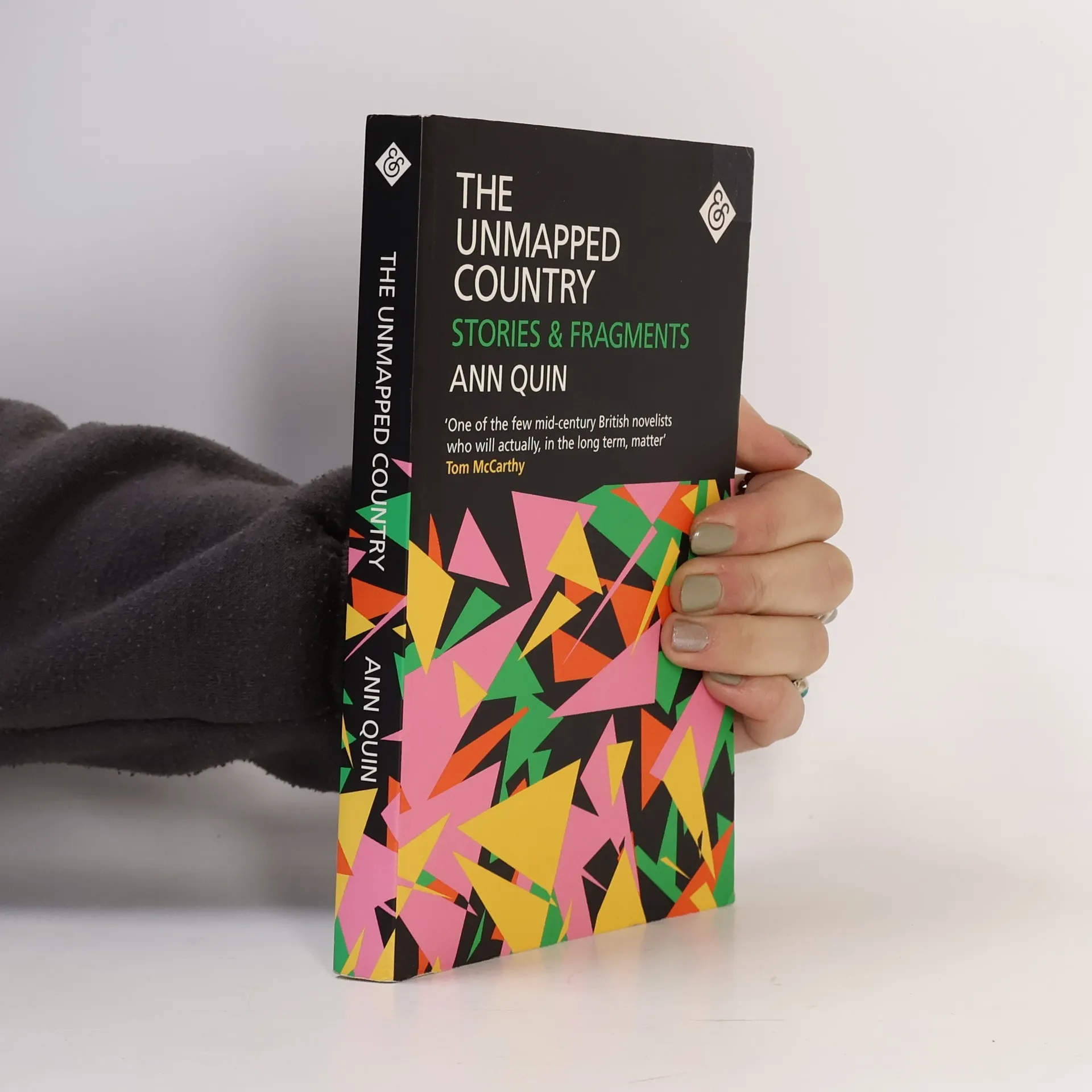
One of the few mid-century British novelists who actually, in the long term, matter.' Tom McCarthy 'Ann Quin is a master painter of interiors, of voices that mosaic as they catch the light at strange, stirring angles.' Chloe Aridjis'Quin understood she was on to something new and she took herself seriously, in the right way; she had a serious sense of her literary purpose.' Deborah Levy'She is one of our greatest ever novelists. Ann Quin's was a new British working-class voice that had not been heard before: it was artistic, modern, and dare I say it ultimately European.' The Guardian'Quin works over a small area with the finest of tools... every page, every word gives evidence of her care and workmanship.' New York Times