Mars showcases a series of unique and twisted universes, where every character is tasked with making sense of their strange reality. One woman will be freed from purgatory once she writes the perfect book; another abides in a world devoid of physical contact. With wry prose and skewed humor, an emerging feminist writer explores post-Soviet promises of knowledge, freedom, and power.
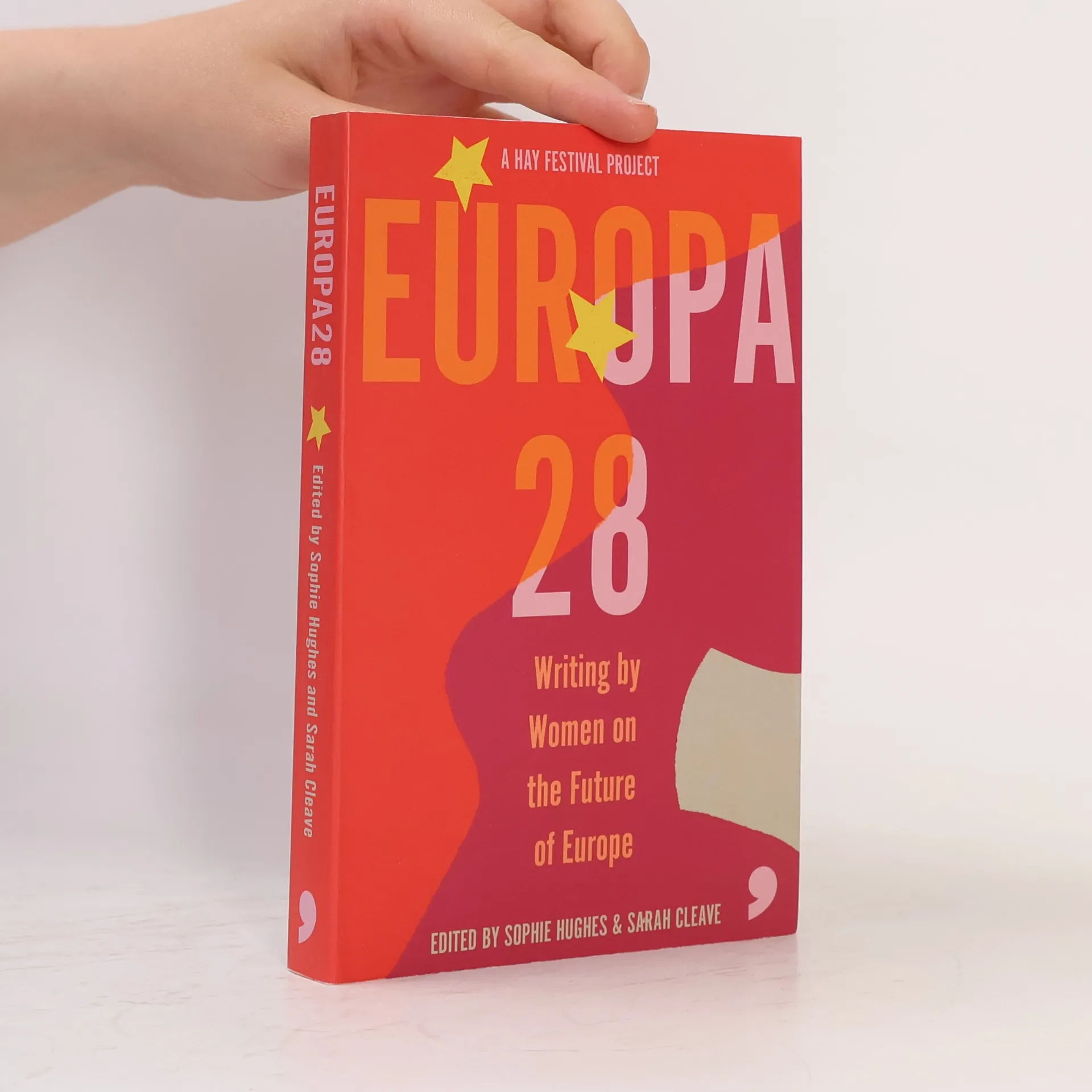
A being from another time and planet visits Earth, and takes human form for one year, as a European...A young woman’s tyrannical father has arranged her marriage to an influential suitor, but a mythical bull from her dreams comes to her rescue...A group of students in Tallinn’s Freedom Square imagine where the rise in right-wing fascism may have taken Europe by 2050...With so many flare-ups of nationalism and isolationism in recent years, there is a sense that Europe needs to be fixed, or, at the very least, profoundly reconfigured; whether it is to address the grievances of those feeling disenfranchised from it, or to improve social cohesion, or even continue to exist as a democratic transnational entity.Bringing together 28 acclaimed women writers, artists, scientists and entrepreneurs from across Europe, this powerful and timely anthology looks at an ever-changing Europe from a variety of different perspectives and offers hope and insight into how we might begin to rebuild.
In elf Erzählungen schreibt Asja Bakić über verschiedene mehr oder weniger dystopische Welten. So begegnet uns eine Künstliche Intelligenz, die auf sexuelle Befriedigung von Frauen spezialisiert ist und darüber hinwegtrösten soll, dass es keine Männer mehr gibt. Auf einer Jugendfreizeit wird Menstruation zum Splatter-Element einer Horrorgeschichte. Genderfluidität, Klimawandel, Zeitreisen, Unterwelten, Außerirdische – der Einfallsreichtum der Autorin ist grenzenlos wie ihre Liebe zu sämtlichen Spielarten des Absurden. Wie bereits in »Mars« setzt Asja Bakić in ihren Erzählungen Frauen in den Mittelpunkt, die um ihr Leben kämpfen, die eigene Bedeutung in der Welt suchen oder schonungslos ihre Begierden ausleben. Aus einer stets feministischen und gesellschaftskritischen Perspektive vermischt Asja Bakić in ihren Texten Genres wie Weird Fiction, Speculative Fiction, Horror oder Erotik und nimmt die Leser*innen in die Vergangenheit, die Zukunft oder in eine Parallelwelt mit.
Hrvatska je zemlja u kojoj su kulturne polemike sve rjeđa pojava. No spisateljica Asja Bakić u knjizi eseja Dođi, sjest ću ti na lice svejedno britko i bez autocenzure komentira aktualne društvene događaje. Žestoko se zalažući za slobodu govora, autorica se obračunava sa svim oblicima diskriminacije, osobito onima koji se tiču rodne neravnopravnosti i transfobije. Krećući od feminizma kao široko shvaćenog humanističkog projekta, autorica kritizira propast socijalno uređene države, protuustavne napade na zdravlje žena te na javno zdravstvo općenito. Ovim polemičkim tekstovima ona strastveno brani ateističke i humanističke vrijednosti koje su, zajedno sa slobodom izražavanja i kulturom dijaloga, sve više na marginama naše svakodnevice.Eseji Asje Bakić zazivaju ideju zajedništva te propagiraju empatiju prema ljudima s kojima javni prostor svakodnevno dijelimo. Spisateljica pritom ne štedi one društvene pojave koje narušavaju zajedništvo, ne štedi pojedince i grupe koji šire govor mržnje. Naprotiv, imenuje ih i javno proziva. Piše iz eksplicitno feminističke perspektive koja čak ni u 21. stoljeću u Hrvatskoj nije dobrodošla iako nam je, s obzirom na nasilje nad ženama, nejednakost u plaćama i brojne druge nepravde prema ženama u društvu, još uvijek itekako potrebna. Bez dlake na jeziku, Asja Bakić se u knjizi Dođi, sjest ću ti na lice hvata ukoštac s temama koje ostatak zajednice najčešće izbjegava.