

Bookbot

Tom Woodhouse

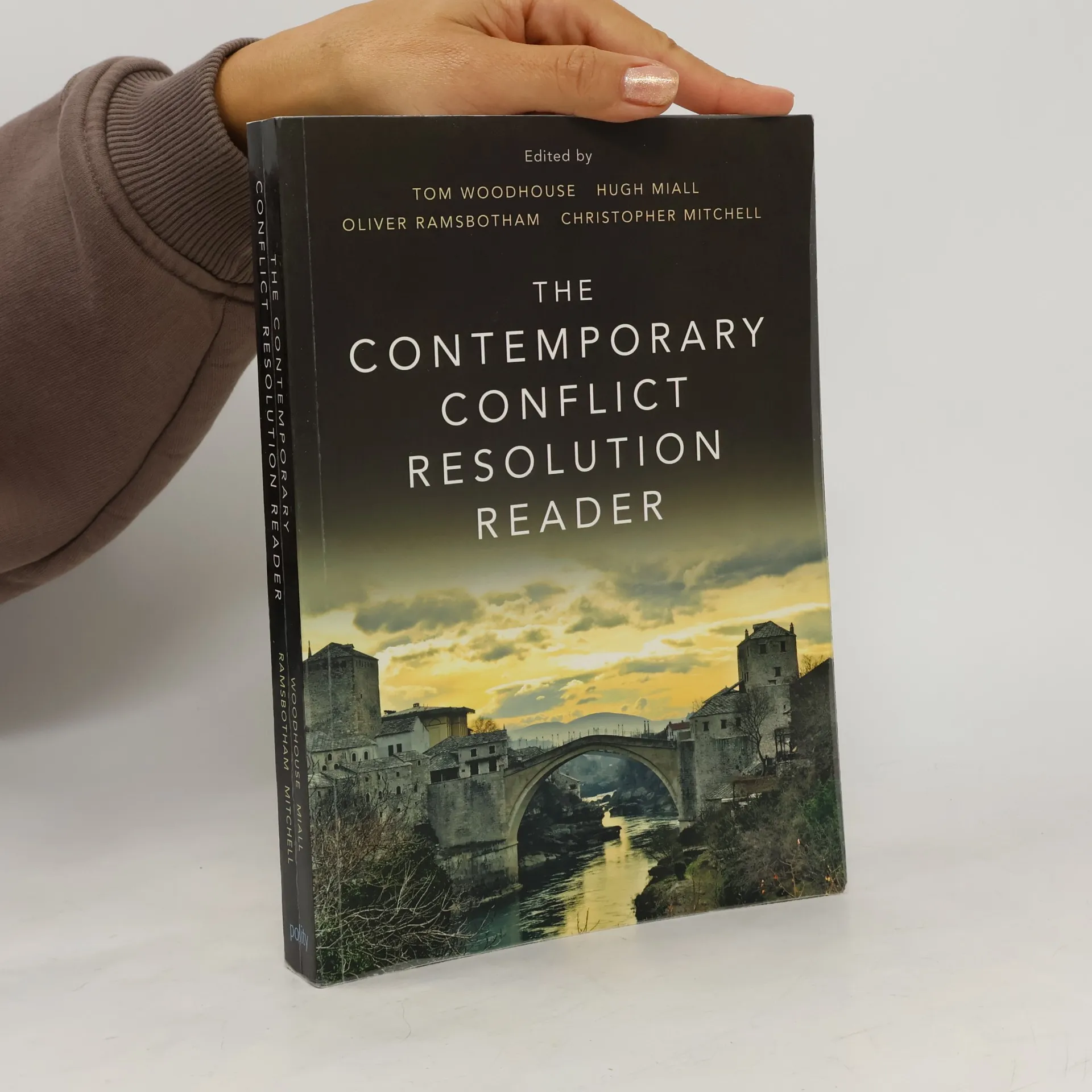
    The Contemporary Conflict Resolution Reader
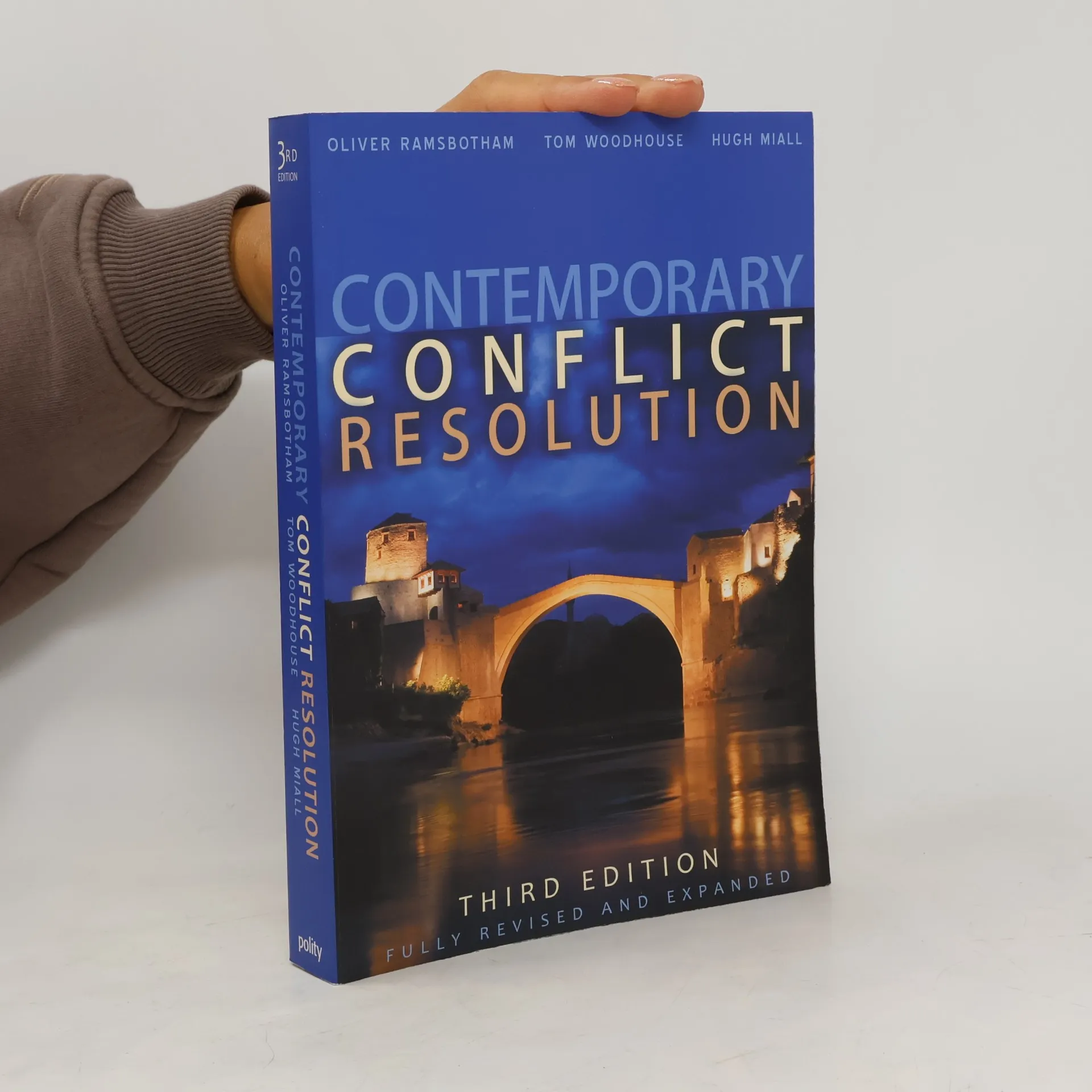
    Contemporary Conflict Resolution
    The Self Delusion
    • The Self Delusion

      • 304 strony
      • 11 godzin czytania

      The Self Delusion makes the bold claim that our faith in the primacy and indivisibility of the individual is in fact false. On a physical, psychological and cultural level, we are all much more intertwined than we know: - We cannot use our bodies to define our independent existence, because most of our 37.2 trillion cells have such a short lifespan that we are essentially made anew every few weeks - The molecules that make up our bodies have already been component parts of countless other organisms, from ancient plants to dinosaurs - We are more than half non-human, in the form of bacteria and protozoa cells and genes, some of which can influence our moods and even manipulate our behaviour - And we cannot define ourselves by our minds, thoughts and actions, because these mainly originate from other people - the result of memes passing between us, existing before, after and beyond our own lifespans But that doesn't mean we should all simply reject the evolutionary illusion of individualism that has allowed us to succeed as a species. Instead, Tom Oliver makes the compelling argument that we have a better chance of facing some of the big global challenges ahead, such as loneliness, social inequality and environmental damage, if we can start to understand and accept the complex connections between us and see beyond our individualistic mindsets to view our place in the world as it really is.

      The Self Delusion
      3,6
    • Contemporary Conflict Resolution

      The Prevention, Management and Transformation of Deadly Conflicts - Third Edition - Fully Revised and Expanded

      • 507 stron
      • 18 godzin czytania

      Since the end of the Cold War, conflict prevention and resolution, peacekeeping and peacebuilding have risen to the top of the international agenda. The third edition of this hugely popular text explains the key concepts, charts the development of the field, evaluates successes and failures, and assesses the main current challenges and debates in the second decade of the twenty-first century. Existing material has been thoroughly updated and four new chapters added, on environmental conflict resolution, conflict resolution in the arts and popular culture, conflict resolution in the media and the communications revolution, and theories and critiques of the field. The authors argue that a new form of cosmopolitan conflict resolution is emerging, which offers a hopeful means for human societies to handle their conflicts non-violently and eventually to transcend and celebrate their differences. Part I offers a comprehensive survey of the theory and practice of conflict resolution. Part II sets the field within the context of rapid global change and addresses the controversies that have surrounded conflict resolution as it has entered the mainstream. Contemporary Conflict Resolution is essential reading for students of peace and security studies, conflict management and international politics, as well as for those working in non-governmental organizations and think-tanks.

      Contemporary Conflict Resolution
    • Armed conflict may appear to be in long term decline, but the intractability and destructiveness of contemporary conflicts make conflict resolution as urgent and necessary as ever.

      The Contemporary Conflict Resolution Reader