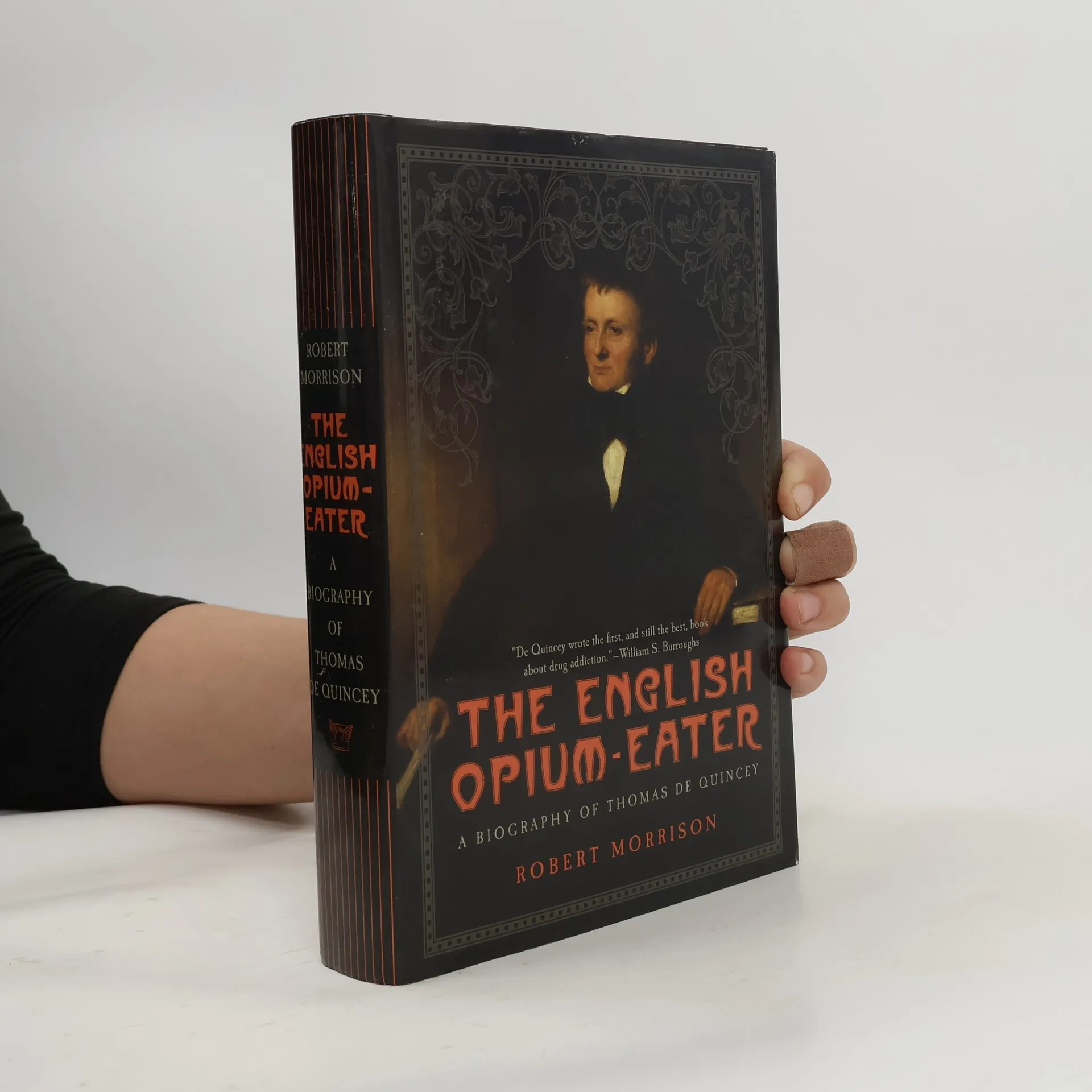
Author of the famed and scandalous Confessions of an English Opium-Eater , Thomas De Quincey (1785-1859) has long lacked a full-fledged biography. His friendships with leading poets and men of letters in the Romantic and Victorian periods—including William Wordsworth, Samuel Taylor Coleridge and Thomas Carlyle—have long placed him at the center of nineteenth century literary studies. He was a man who engaged with nearly every facet of literary culture, including the roles played by publishers, booksellers, and journalists in literary production, dissemination and evaluation. His writing was a tremendous influence on Edgar Allan Poe, Charles Dickens, and William Burroughs. De Quincey is a fascinating (and topical) figure for other reasons, too: a self-mythologizing autobiographer whose attitudes to drug-induced creativity and addiction strike highly resonant chords for a contemporary readership. Robert Morrison’s biography passionately argues for the critical importance and enduring value of this neglected icon of English literature.
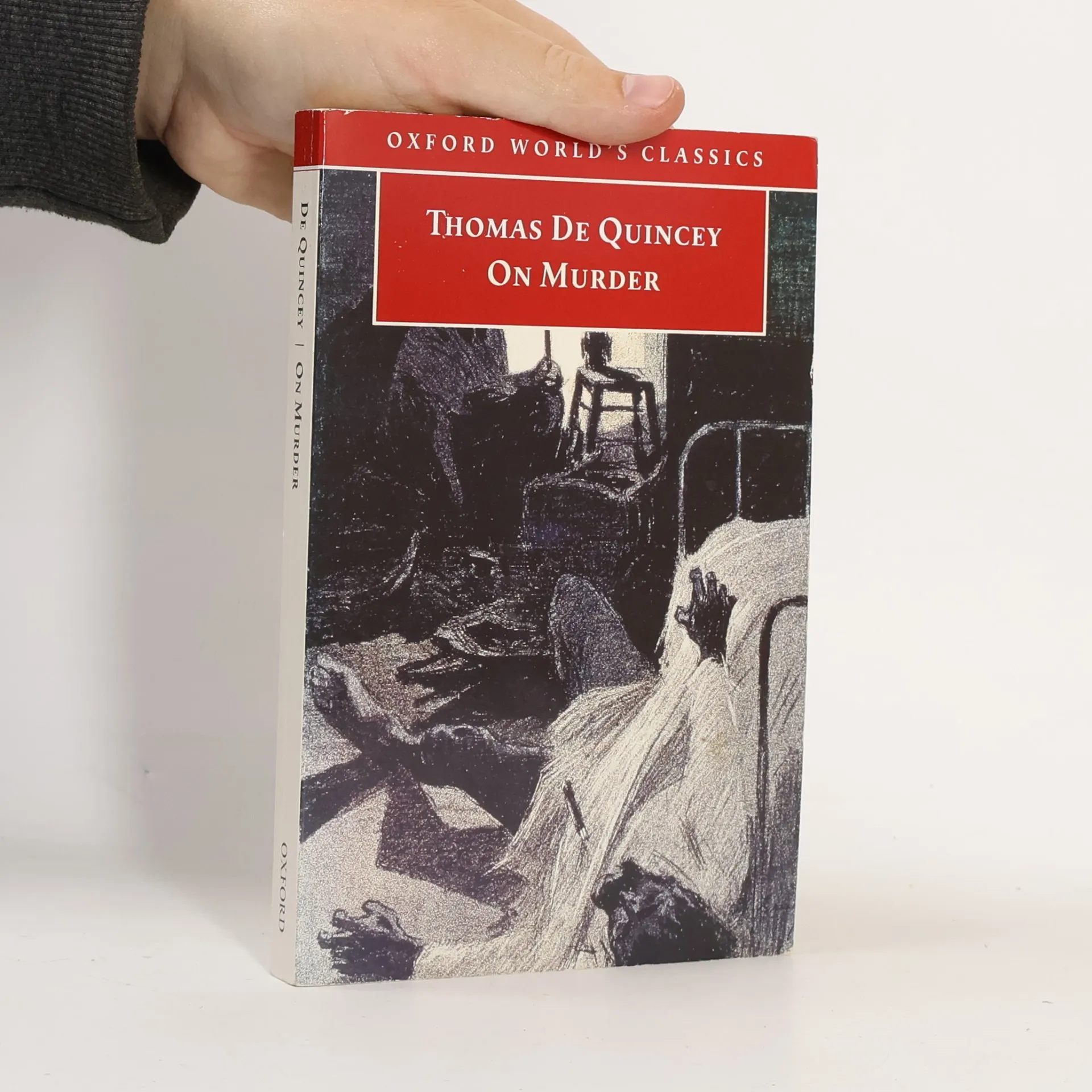
The titular essay in this volume of work by Thomas De Quincey centers on the notorious career of the murderer John Williams, who in 1811 brutally killed seven people in London's East End. De Quincey's response to Williams's attacks turns morality on its head, celebrating and coolly dissecting the art of murder and its perfections. This volume also contains De Quincey's best-known piece of literary criticism, On the Knocking at the Gate in Macbeth, and his finest tale of terror, The Avenger, a disturbing exploration of violence, vigilantism, and religious persecution. Ranging from gruesomely vivid reportage and brilliantly funny satiric high jinks to penetrating literary and aesthetic criticism, these essays had a remarkable impact on crime, terror, and detective fiction. They are also a key contribution to the satiric tradition, as well as on the rise of nineteenth-century decadence. The bibliography is the most extensive available on critical responses to De Quincey's essays on murder and violence, and the essays included here have never been annotated so thoroughly before. They reveal, often for the first time, De Quincey's debts, remarkable erudition, and encyclopedic knowledge of contemporary crime.
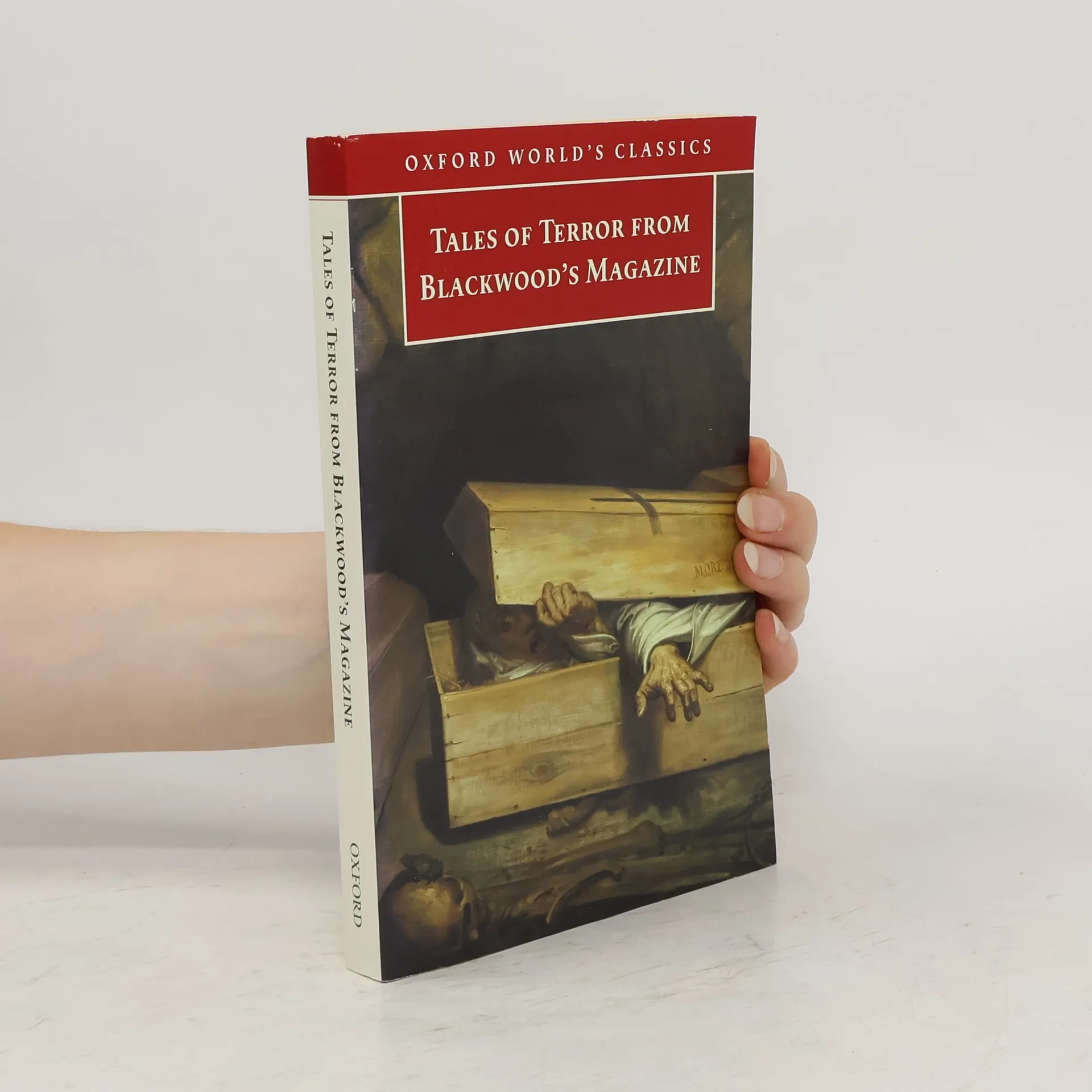
The tales of terror and hysteria published in the heyday (1817-32) of "Blackwood's Edinburgh Magazine" became a literary legend in the 19th century. This edition selects some of the best and most representative tales from the magazine's first 15 years including work by Walter Scott and John Galt