The Age of the Democratic Revolution
- 880 stron
- 31 godzin czytania
Explores how the American, French, and Polish revolutions, along with political movements in Britain, Ireland, and Holland, reflect similar political ideas, needs, and conflicts.



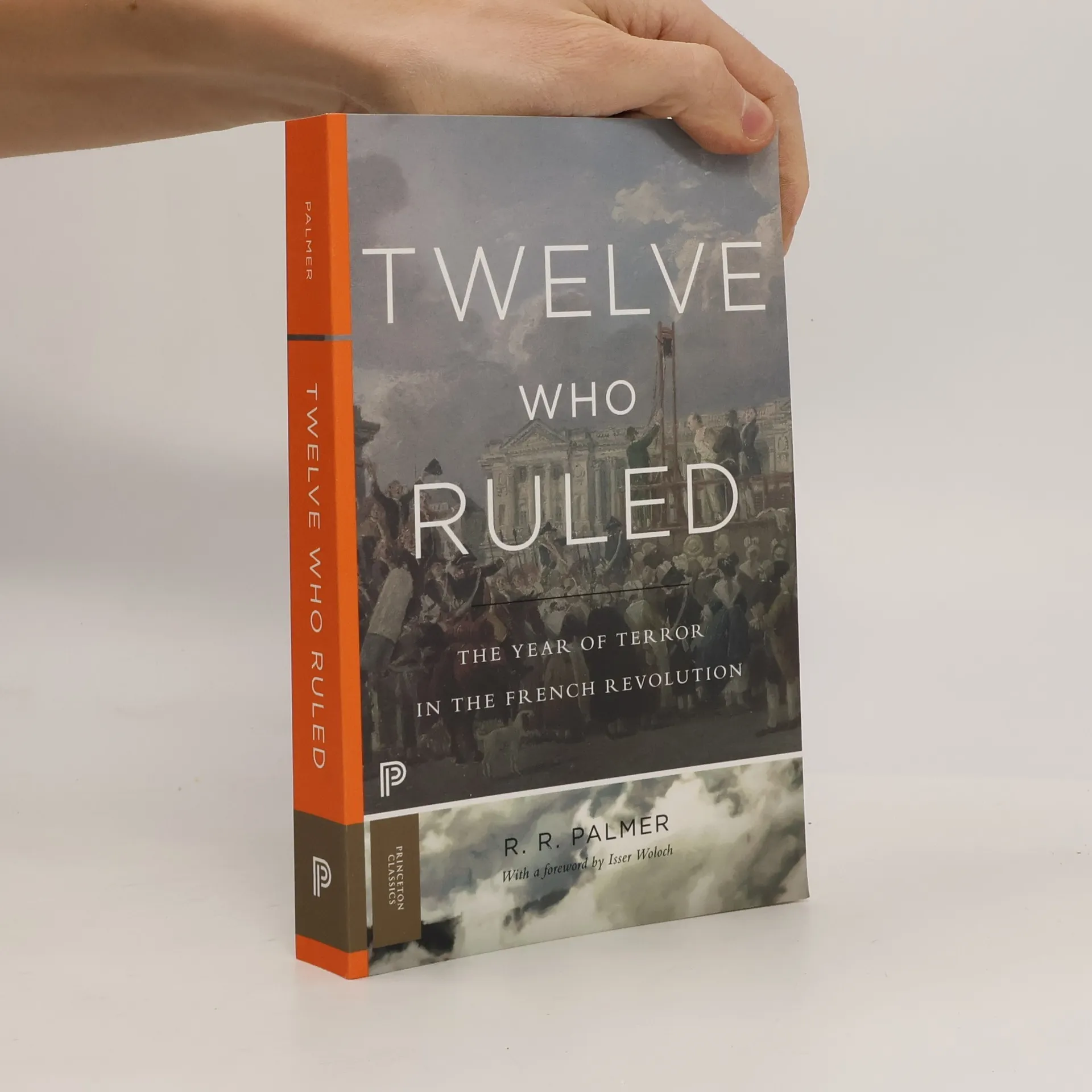
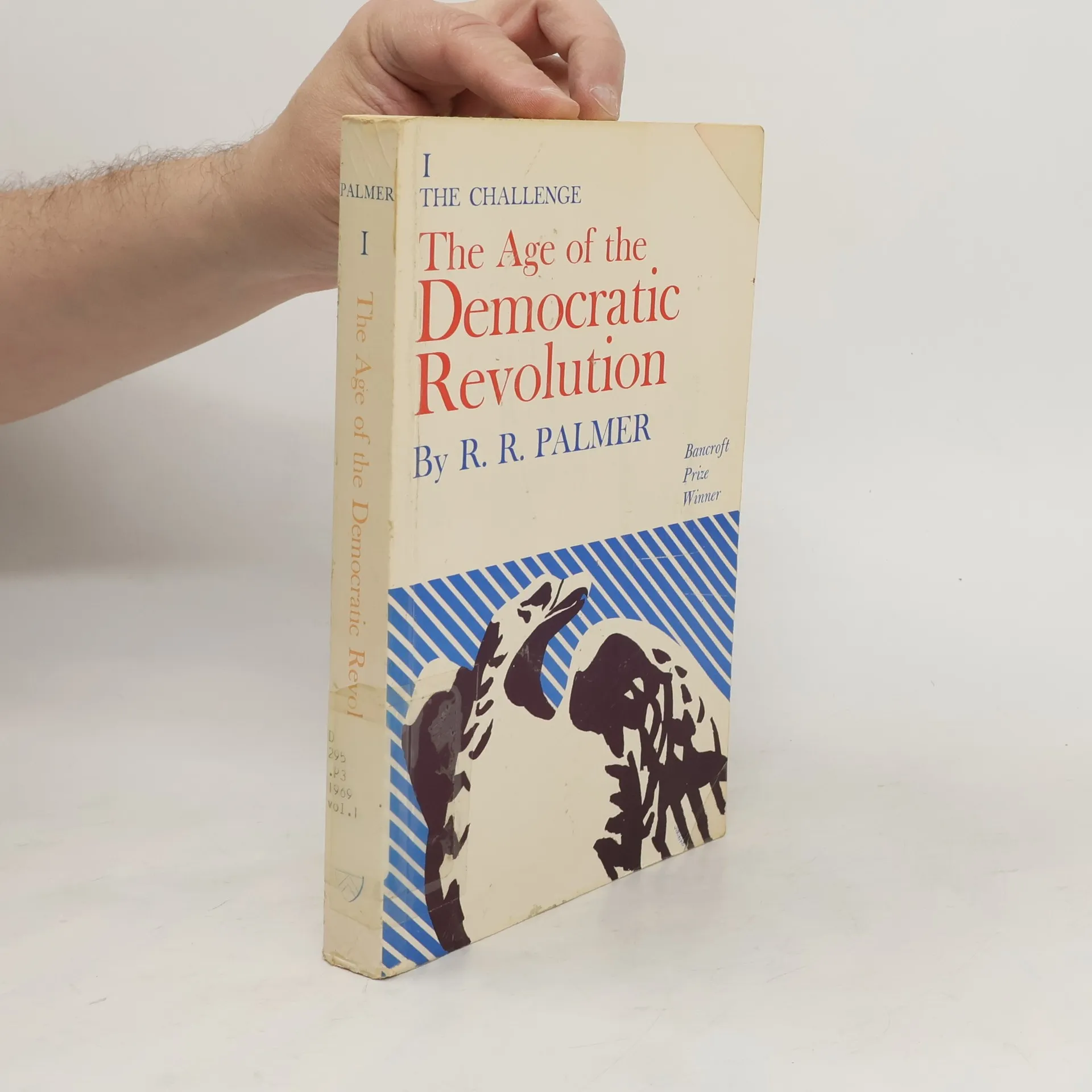
Explores how the American, French, and Polish revolutions, along with political movements in Britain, Ireland, and Holland, reflect similar political ideas, needs, and conflicts.
An excellent book on the administration of France by the great Committee of Public Safety. . . . [Palmer] has made the members of the Committee living characters and the events of the period real occurrences.--American Political Science Review
This classic work details what happened in France during the year 1789, the first year of the French Revolution. Lefebvre's signature contribution was writing history "from below" -- a Marxist approach -- and his particular specialty was the French Revolution as viewed from the experiences of the peasantry. Placing the "common people" at the center of his analysis, Lefebvre emphasized the class struggles within France and the significant role they played in the coming of the Revolution. First published in 1939 for the sesquicentennial of the Revolution, the book was suppressed by the Vichy government as a piece of revolutionary literature after the outbreak of the Second World War and the subsequent collapse of the Third Republic. R.R. Palmer, a distinguished historian of the French Revolution, translated the book into English in 1947. Although recent historians have reinterpreted the Revolution and disputed Lefebvre's conclusions, The Coming of the French Revolution remains essential reading for anyone interested in the origins of this great turning point in the formation of the modern world.
The extraordinary events of the last few years have made this eighth edition come sooner than usual after its predecessor. It is of course too early to assess the magnitude and consequences of what has happened, but we have done much new writing, rewriting, rewording, and rearrangement to present the upheavals in Eastern Europe, the disintegration fo the former Soviet Union, the reunification of Germany, the end of the Cold War, the Islamic fundamentalist movement, changes in latin america, and much else.
Considers the history of the making of the modern world between 1789 and the present day. It places Europe and the European civilization in its international setting and considers individual nations from the perspective of their points of contact with a larger civilization.