

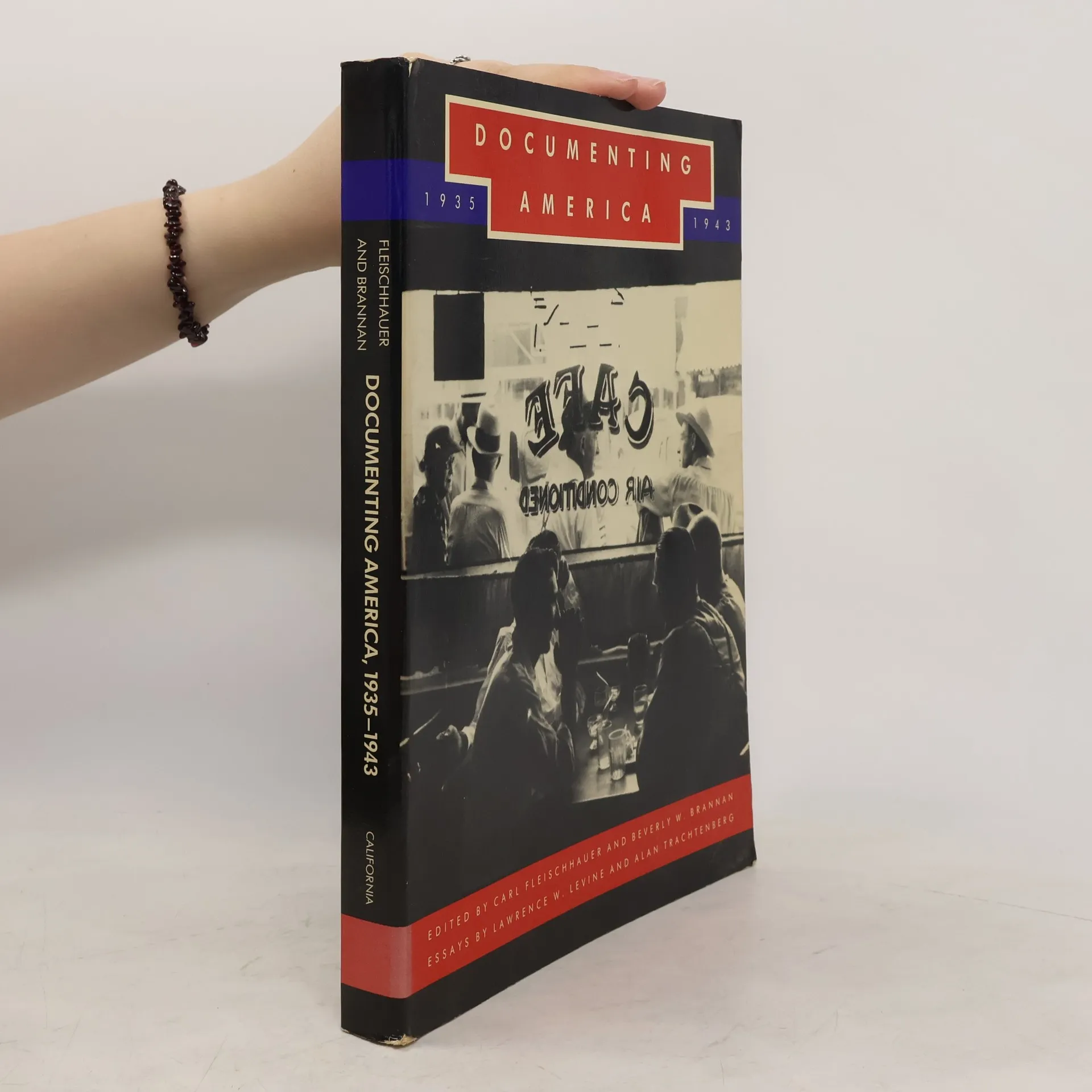
This book presents fifteen case histories-- photographic series accompanied by texts summarizing information about the photographers, their work in the field, and their assignments and subjects
Lawrence W. Levine Książki

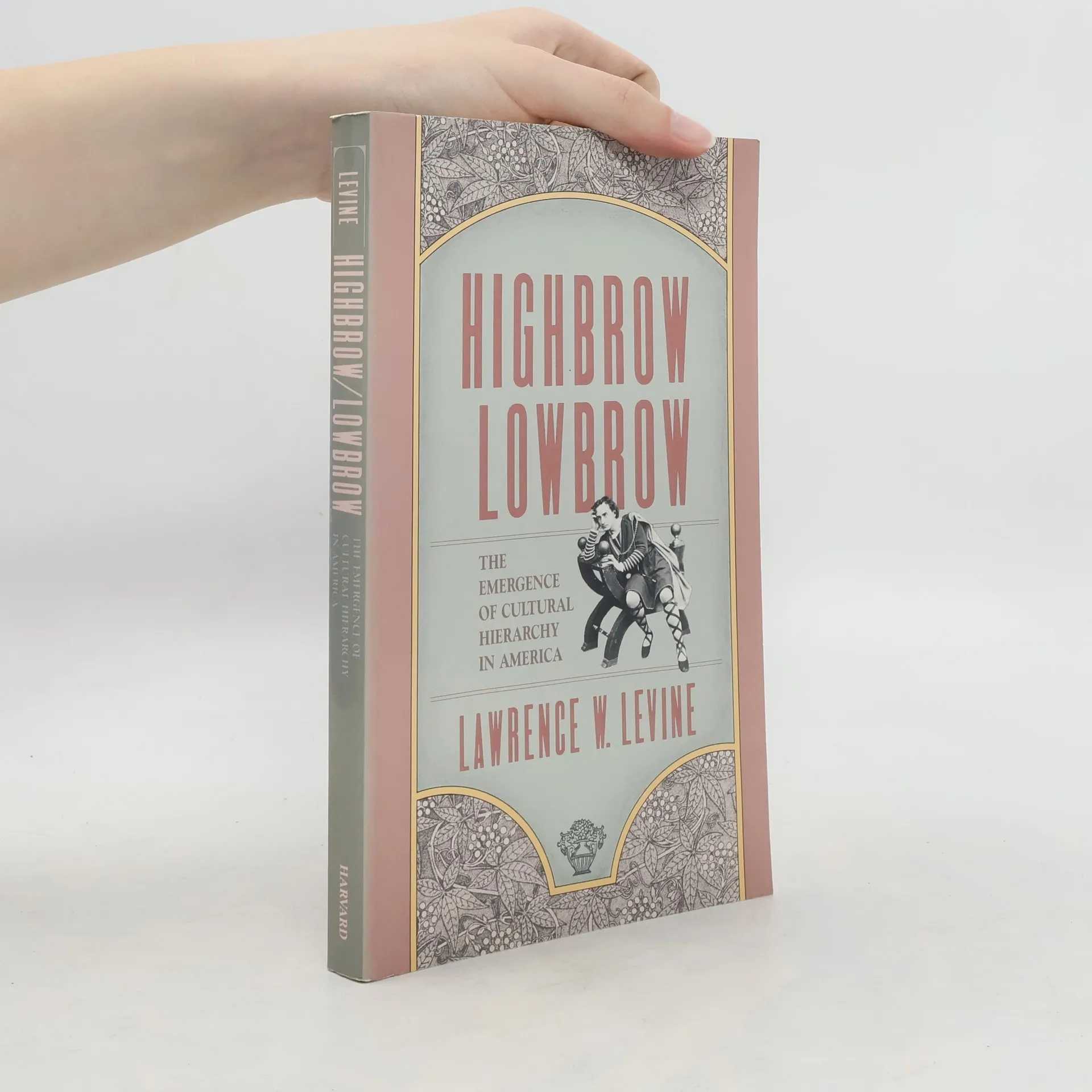
This wide-ranging study spans over a century, examining diverse forms of expressive culture, including Shakespeare, Central Park, symphonies, jazz, art museums, the Marx Brothers, opera, and vaudeville. A leading cultural historian reveals how variable and dynamic cultural boundaries have been, highlighting the fragility of the cultural categories we often accept as natural and eternal. In the nineteenth century, various expressive forms—such as Shakespearean drama, opera, orchestral music, and the writings of Dickens and Longfellow—held both high cultural status and mass popularity. Americans shared a public culture that was less hierarchically organized and fragmented compared to later generations. However, by the twentieth century, this cultural eclecticism began to wane, leading to a more sharply defined cultural space. The theater, once a microcosm of America, fragmented into distinct spaces catering to specific audiences and genres. This transition also affected concert halls, opera houses, and museums, resulting in a growing divide between "serious" and "popular," as well as "high" and "low" culture. Through this innovative historical exploration, the author traces the emergence of familiar categories like highbrow and lowbrow, enhancing our understanding of cultural change and the nature of culture in American society.
"The future is certain," an old Soviet joke claims, "it is only the past that is unpredictable." This unpredictability is not limited to totalitarian regimes; it has long been a feature of society, where the meaning of past events is often contested. For historians, this unpredictability is serious, leading to a perception that the discipline is in crisis. In this insightful collection of essays, Lawrence W. Levine addresses the current academic debates, which focus not on conflicting interpretations but on which events and cultures merit attention. He challenges the preference for "synthesis" by advocating for a more inclusive history that recognizes the significance of ethnic, racial, regional, occupational, class, and gender groups often overlooked or misrepresented. The fourteen essays aim to expand knowledge and broaden historical perspectives, exploring American history, African-American culture, and the impact of the Great Depression on popular culture through film, radio, and more. Levine examines folk songs, Marcus Garvey's influence in the 1920s, jazz, and Hollywood's portrayal of government, alongside Shakespeare's popularity in 19th-century America. Each essay is framed by introductions that connect them to Levine's career and American history. Ultimately, Levine illustrates how history is interpreted through an evolving present, providing fresh insights into the past, present, and future. This collection serves as